

Prepared parenting in high-conflict situations means focusing on your child’s needs first, setting clear boundaries, and sticking to a solid parenting plan. Limit direct communication and rely on written exchanges or mediators to avoid unnecessary conflict. Stay calm, maintain consistency, and document everything to protect yourself and your child. Keep a proactive approach to manage tension and create a safe environment. If you’re prepared, you’ll better navigate these challenges—there’s more to learn for your peace of mind.

Get business pricing on tools and workshop supplies
- Business-only prices and quantity discounts
- Tax-exempt purchasing
- Multiple users, one account, clear invoices
Key Takeaways
- Maintain a detailed, shared parenting plan to minimize misunderstandings and provide a clear reference during conflicts.
- Use written communication and mediators to reduce direct, emotionally charged interactions.
- Stay calm, respectful, and solution-focused to model positive behavior and de-escalate high-conflict situations.
- Document all exchanges, incidents, and agreements to protect legal interests and clarify misunderstandings.
- Prioritize the child’s needs and emotional safety, creating a stable environment despite parental conflicts.
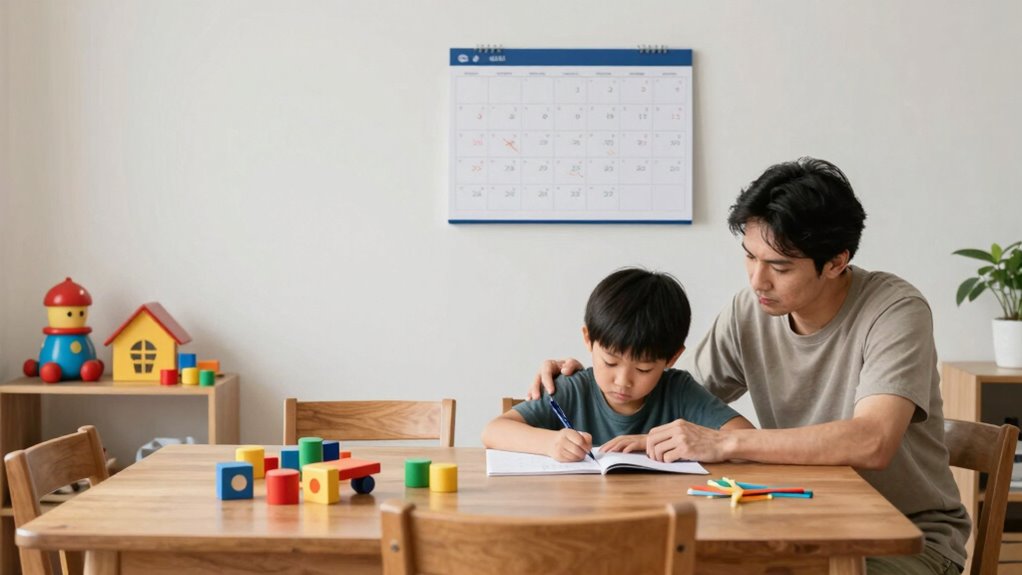
When you’re dealing with a high-conflict co-parent, staying prepared can make all the difference in protecting your child’s well-being. High-conflict situations often feel unpredictable, but having a plan can help you maintain stability and reduce stress. Prepared parenting means developing effective co-parenting strategies that focus on your child’s needs first and foremost. It involves setting clear boundaries and sticking to them, so your child’s environment remains consistent despite the disagreements. You might also consider limiting direct communication with the other parent, opting instead for written exchanges or third-party mediators. This reduces opportunities for conflict and keeps interactions focused on logistics rather than personal disputes.
Conflict resolution becomes an essential part of your toolkit. When disagreements arise, approaching them with a calm, solution-focused mindset can prevent escalation. It’s important to stay centered on your child’s best interests, not getting sidetracked by past grievances or emotional triggers. You can prepare by anticipating potential conflicts and thinking through how you’ll respond—whether it’s redirecting conversations or choosing to disengage temporarily. Practicing patience and maintaining a respectful tone, even when the other parent doesn’t, sets a positive example for your child and minimizes tension.
Having a well-thought-out parenting plan is another key element. This plan should clearly outline custody arrangements, communication protocols, and decision-making procedures. When conflicts surface, referring back to this plan provides a neutral foundation and reduces ambiguity. Consistency is essential, so sticking to the agreed-upon schedule and rules helps your child feel secure. Additionally, documenting incidents or exchanges related to parenting can be useful if disputes escalate. Keeping records of communications and agreements can clarify misunderstandings and provide evidence if legal intervention becomes necessary. Developing coping strategies to manage stress is also crucial, as high-conflict co-parenting can be draining and impact your emotional well-being. Recognizing and understanding conflict dynamics can help you better navigate these challenging interactions and maintain your composure.
Prepared parenting also involves taking care of your own emotional health. High-conflict co-parenting can be draining, so developing personal coping strategies like seeking support from friends, a therapist, or support groups can bolster your resilience. Remember, your ability to stay calm and composed directly influences how conflicts are resolved and how your child perceives the situation. You can also educate yourself about high-conflict co-parenting dynamics to better understand and navigate the challenges. Staying proactive, rather than reactive, ensures you’re always acting in your child’s best interest, fostering an environment where they feel safe and loved despite external conflicts. Being familiar with conflict management techniques can further assist in diffusing tense situations and maintaining a peaceful environment. Ultimately, being prepared empowers you to handle the challenges of high-conflict co-parenting with confidence and clarity.
co-parenting communication books
As an affiliate, we earn on qualifying purchases.
As an affiliate, we earn on qualifying purchases.
Frequently Asked Questions
How Can I Protect My Child From High Conflict Parental Behavior?
To protect your child from high conflict parental behavior, establish clear co-parenting boundaries and stick to them consistently. Communicate calmly and avoid involving your child in disputes. Focus on conflict de-escalation by staying neutral and avoiding negative talk about the other parent. Keep your child’s needs first, provide a stable environment, and seek professional support if needed. Your calm, consistent approach helps shield your child from emotional harm.
What Legal Options Are Available for High Conflict Parenting Situations?
When steering through high conflict parenting, you can explore mediation options to resolve disputes amicably and avoid courtroom battles. If conflicts persist, custody modifications might be necessary to guarantee your child’s well-being. Legal options include filing for protective orders or seeking court intervention if there’s a risk of harm. Staying informed and working with a family law attorney helps you make strategic decisions to safeguard your child’s best interests.
How Do I Handle False Accusations From the Other Parent?
When facing false accusations, you should maintain firm parental boundaries and remain calm. Document everything related to the accusations and communicate clearly, avoiding escalation. Focus on conflict resolution by staying cooperative and respectful, even if the other parent doesn’t. Seek legal advice if necessary, but prioritize protecting your child’s best interests. Staying composed and consistent helps demonstrate your commitment to a healthy, stable environment for your child.
What Strategies Help Maintain Consistency for the Child?
You need to keep your child’s routines consistent, even amidst chaos. Establish clear parental boundaries and stick to them, no matter what. This consistency provides your child with stability and reassurance, helping them navigate high-conflict situations. Remember, routines create predictability, so reinforce them daily. By maintaining these boundaries and routines, you safeguard your child’s well-being and foster a sense of security, regardless of the conflicts around you.
How Can I Support My Child’s Emotional Well-Being During Conflict?
You can support your child’s emotional well-being during conflict by fostering emotional resilience through open communication and validation. Encourage them to express their feelings and reassure them that it’s okay to feel upset. Strengthen their support networks by connecting with trusted family members, friends, or counselors who can provide additional comfort. Stay consistent and calm, modeling healthy coping strategies that help your child feel safe and supported amid challenging situations.
Conclusion
In the end, when you’re prepared for the chaos, it’s almost amusing how the high-conflict parent can still surprise you. You’ve built your fortress of calm, yet somehow, their storms still find ways to seep through. Ironically, your preparation becomes your shield, not against them, but against the chaos they intentionally stir. So, keep your resilience close—after all, the best way to outwit conflict is to stay one step ahead, quietly confident in your preparedness.
Fall yard work Picks
leaf blowers
As an affiliate, we earn on qualifying purchases.