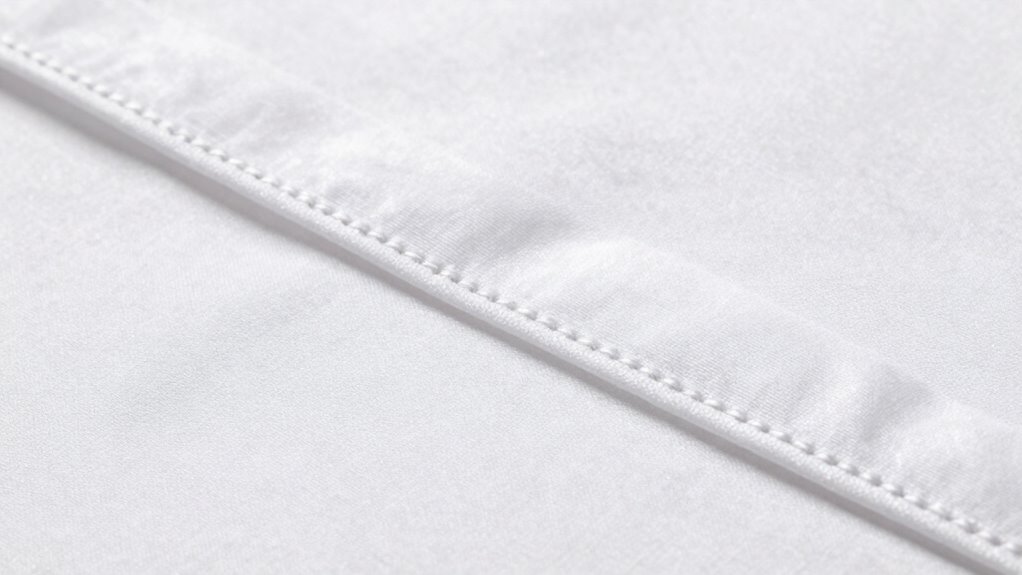
A serger creates strong, durable seams with neat edges and overlock stitches that prevent fraying, ideal for heavy or stretch fabrics. A coverstitch machine finishes hems and topstitching with smooth, stretchable stitches that look professional. Both machines give your garments a store-bought appearance, but each serves a different purpose. To find out how to choose the right one and achieve perfect finishes, keep exploring these essential sewing tools.
Key Takeaways
- Sergers create strong, neat seams with precise trimming, giving garments a professional, store-bought finish, especially on heavy or stretch fabrics.
- Coverstitch machines produce smooth, even topstitches ideal for hems and decorative details, elevating garment quality and appearance.
- Proper tension, threading, and machine maintenance are essential for both to achieve consistent, high-quality, store-quality finishes.
- Sergers are best for seam reinforcement and preventing fraying, while coverstitch machines excel at finishing edges and creating polished hems.
- Using each machine appropriately based on fabric type and project needs ensures garments look professional and store-ready.
What Are Sergers and Coverstitch Machines?
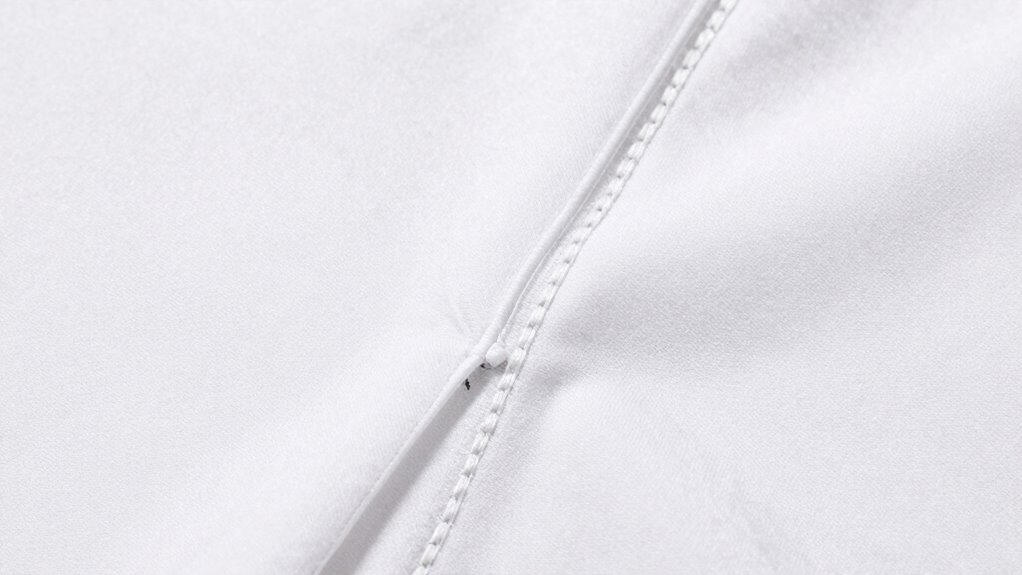
Have you ever wondered how professional-looking hems and seams are created so quickly? That’s where sergers and coverstitch machines come in. A serger uses multiple threads and special needle types to trim, sew, and overcast fabric edges in one step, giving a clean, durable finish. Adjusting the thread tension is key to achieving the right stitch quality and preventing puckering. Modern sergers often incorporate advanced threading systems that simplify setup and reduce errors. Coverstitch machines, on the other hand, are designed mainly for hemming and topstitching, using a different set of needles and threading paths. They create stretchable, professional-looking topstitches perfect for knits. Both machines streamline sewing projects, but they serve different purposes: sergers for seam finishing and overcasting, coverstitches for decorative and functional hems. thread tension adjustments are essential for optimal stitch quality and preventing issues like puckering. Additionally, understanding the projector technology involved can help you choose the right machine for your specific sewing needs. Moreover, familiarity with fabric types can influence the choice between a serger and a coverstitch machine for best results. Recognizing the different sewing techniques can further enhance your sewing efficiency and finish quality.
How Do Sergers Create Professional Seams and Finishes?
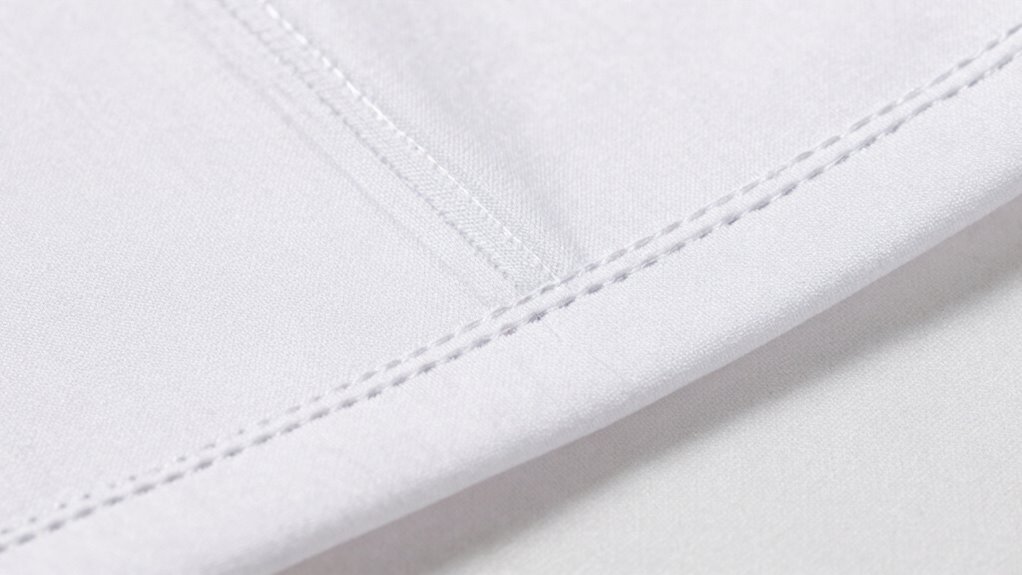
Sergers produce seams that are both strong and durable, ensuring your garments hold up over time. They also create a neat, professional finish that elevates your sewing projects. By using a serger, you can achieve clean, polished edges with minimal effort. Additionally, sergers can prevent fraying and unraveling, which is especially important when working with natural fiber fabrics that respond well to finishing techniques. Incorporating a serger into your sewing routine can also help you achieve consistent stitch quality, making your finished products look more professional and store-bought. Moreover, understanding the different stitch options available on your serger can help you customize finishes for various fabric types and project needs.
Seam Strength and Durability
A well-constructed seam is essential for both strength and durability, especially when working with stretch fabrics or heavy materials. Sergers excel at seam reinforcement, creating strong, secure stitches that hold fabric firmly together. Their overlock stitches prevent fabric fraying, extending garment lifespan. You’ll notice that sergers use multiple threads to lock edges and reinforce seams, making them more resistant to wear and tear. The table below compares key features influencing seam strength:
| Feature | Effect on Durability |
|---|---|
| Multiple Thread Layers | Enhances seam reinforcement |
| Overlock Stitching | Reduces fabric fraying |
| Tension Control | Maintains consistent strength |
| Stitch Density | Improves overall durability |
This combination ensures your seams stay intact longer, even with frequent use or washing.
Neat and Professional Finish
Because they precisely trim, sew, and finish edges in a single step, sergers produce clean and professional-looking seams that elevate the overall appearance of your garments. Their ability to create neat finishes depends on proper sewing machine maintenance, ensuring smooth operation and consistent stitch quality. When selecting fabric, choose those that respond well to serger stitches—stable, medium-weight fabrics work best for a polished look. Sergers lock stitches tightly, preventing fraying and giving your seams a clean, store-bought appearance. This precision results in a professional finish that enhances your garment’s look. Unlike traditional sewing machines, sergers streamline finishing, saving time and effort. With proper fabric choice and regular maintenance, your serged seams will always look neat, durable, and polished. Additionally, understanding seam finishes helps you select the best techniques for your project, ensuring longevity and a professional appearance. Incorporating proper tension adjustment can further improve stitch quality and seam durability.
What Does a Coverstitch Machine Do? Why It Looks Store-Bought
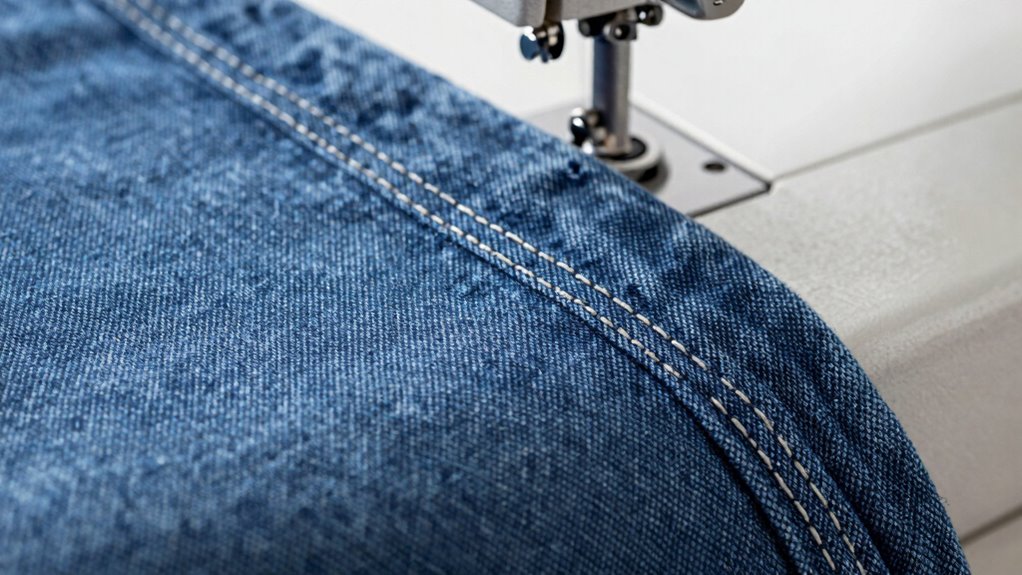
A coverstitch machine creates clean, professional-looking hems and finishes that resemble store-bought garments. Its seamless finishing techniques give your projects a polished look without bulky seams. With this machine, you can achieve high-quality stitching that elevates your sewing projects to a professional level. Additionally, understanding the sewing machine technology behind coverstitch machines can help you optimize your sewing skills and results.
Seamless Finishing Techniques
Seamless finishing techniques elevate your garments by giving them a polished, professional look, and a coverstitch machine plays a crucial role in achieving this. With a coverstitch, you can create seamless hems that look clean and durable, mimicking store-bought quality. It allows you to sew professional seams that stretch with the fabric, preventing puckering or bunching. This technique is ideal for finishing the edges of knits or stretchy fabrics without bulky topstitching. The machine’s multiple threads work together to produce a smooth, flat finish, making your garments look refined and high-end. Additionally, understanding everyday safety can help you use your sewing equipment responsibly and avoid accidents while working on your projects. Incorporating sound engineering principles into your sewing process can also improve the precision and durability of your finished garments, ensuring they stand up to washing and wear. Proper machine maintenance is essential to keep your coverstitch functioning smoothly and producing consistent results. Mastering seamless finishing techniques not only enhances the appearance of your garments but also can increase your confidence in sewing complex projects. By mastering seamless finishing techniques with a coverstitch, you enhance the overall appearance of your projects, giving them a sleek, professional appearance that elevates your sewing craftsmanship. Using correct thread tension plays a significant role in achieving flawless results and preventing issues such as skipped stitches or thread breakage.
Professional-Quality Stitching
A coverstitch machine creates professional-quality stitches that make your finished garments look polished and store-bought. Its neat, even stitches are perfect for hems, necklines, and fabric embellishments, giving your projects a clean, finished appearance. The key to maintaining that high-quality look is regular machine maintenance—cleaning the bobbin area, checking tension, and lubricating moving parts. Proper upkeep guarantees consistent stitching and prevents skipped stitches or thread breakage. The precision of a coverstitch machine enhances the overall look of your sewing projects, making them appear expertly crafted. With proper care, your machine will produce flawless, professional seams that elevate your garments from homemade to store-quality. This attention to detail is what sets a coverstitch apart, delivering a polished finish every time. Additionally, understanding machine maintenance and safe installation practices ensures your machine remains reliable and produces consistent results.
Key Features to Consider When Choosing a Sewing Finishing Machine
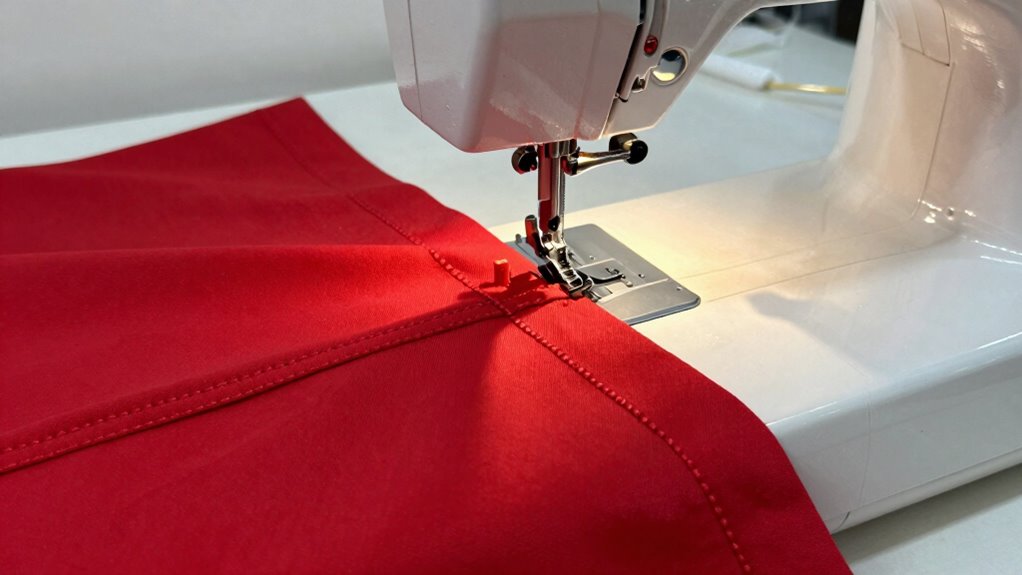
Choosing the right finishing machine depends on understanding its key features and how they match your sewing needs. One important aspect is thread tension control, which guarantees neat, professional-looking seams and prevents puckering or skipped stitches. Look for machines with adjustable tension settings for flexibility across different fabrics. thread tension control is essential for achieving consistent results on various textiles. Needle types are also vital; different needles are suited for various fabrics and stitches. For example, a universal needle works well for woven fabrics, while stretch needles are better for knits. Consider whether the machine supports multiple needle types and if it offers easy needle changing. These features help you achieve clean, durable finishes. Selecting a machine with precise thread tension and compatible needle options ensures your garments look polished and store-bought. Additionally, understanding fabric compatibility helps you choose a machine capable of handling a variety of textiles for versatile sewing projects.
Which Machine Is Best for Knits and Stretch Fabrics?
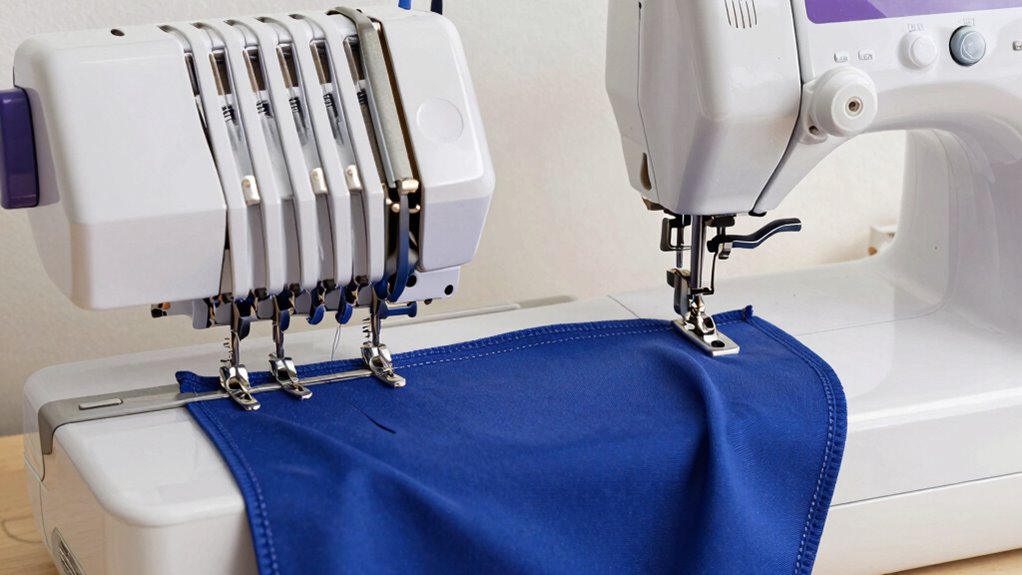
When working with knits and stretch fabrics, selecting a machine that can handle their unique characteristics is vital for achieving professional results. A serger is typically the best choice because it offers stretchy seams with a clean finish, allowing for better fabric maintenance during wear. It also handles multiple layers effortlessly, which is common with knits. Proper thread selection is essential; use elastic or polyester threads designed for stretch to prevent breakage and maintain elasticity. Coverstitch machines are also suitable, especially for hems and topstitching on stretch garments, providing a sleek, professional look. Both machines can work well if you choose the right threads and understand fabric maintenance—regular cleaning and correct tension settings ensure your stretch fabrics stay durable and look polished. Additionally, understanding fiber properties helps in selecting the appropriate machine and threads to enhance durability and performance. Recognizing the stretchability of different fabrics guides you in choosing the best techniques and equipment for optimal results. Moreover, considering fabric fiber content is crucial, as it influences how the fabric responds to different stitching methods and tension adjustments. Knowing the fabric composition can help you decide which machine and threads will best preserve the fabric’s stretch and longevity. Incorporating proper tension adjustments is also key to achieving seamless, durable stitches that accommodate fabric stretch without puckering or skipped stitches.
When Should You Use a Serger or Coverstitch Machine?
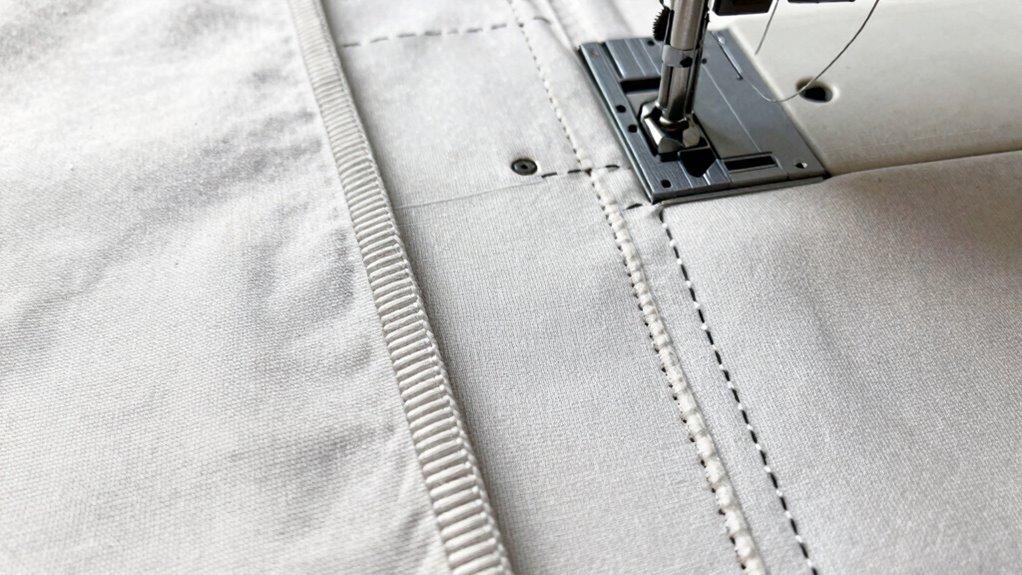
Ever wonder whether to reach for a serger or a coverstitch machine during your sewing project? Use a serger when working with fabrics like knits, stretchy materials, or woven fabrics that need seam finishing and durability. It’s ideal for creating strong, professional seams and preventing fraying. On the other hand, choose a coverstitch machine for hemming, topstitching, or decorative finishes on knit and stretch fabrics. It provides a clean, professional look on garment hems and cuffs. Consider machine maintenance as well; sergers require regular cleaning and oiling due to multiple threads, while coverstitch machines need occasional needle and threading adjustments. Knowing when to use each machine guarantees your project looks polished and holds up over time. Additionally, understanding threading complexity can help you decide which machine suits your skill level and project needs best. Proper piercing care ensures your garments stay in top condition and your sewing tools remain reliable for future projects.
Tips for Picking the Right Machine for Your Projects
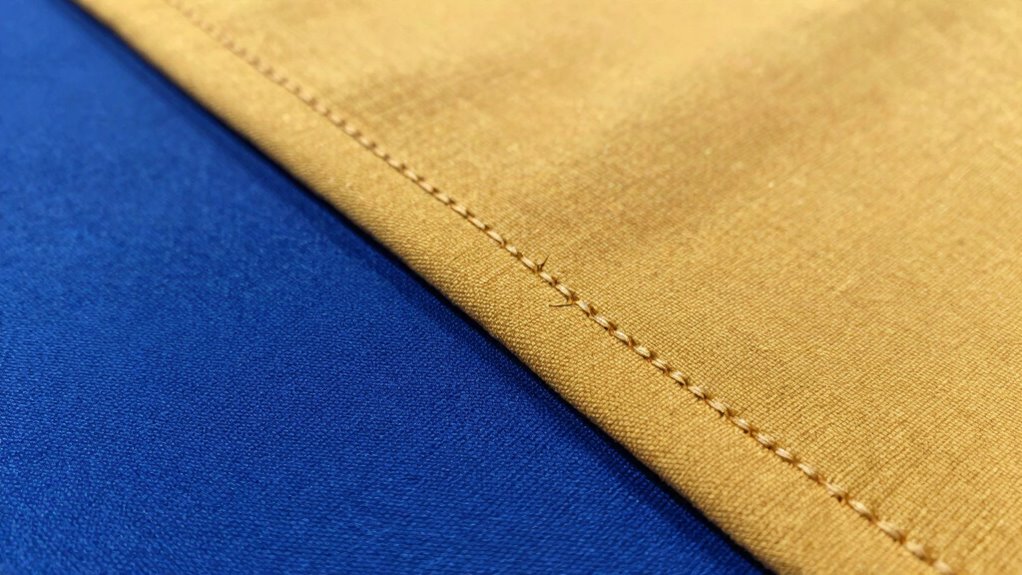
Selecting the right machine depends on the types of projects you want to tackle and the finishes you desire. To choose wisely, consider these tips:
- Match your fabric types—think lightweight knits or heavy denim—to the machine’s capabilities.
- Check if the machine handles multiple fabric thicknesses without jamming.
- Look for ease of machine maintenance, like accessible blades and clear threading paths.
- Decide if you need a versatile machine that combines serging and coverstitch features for different projects.
- Consider the bioluminescent organisms and other natural phenomena that reveal the complexity of biological systems when evaluating advanced machine features.
Common Troubleshooting Tips for Sergers and Coverstitch Machines
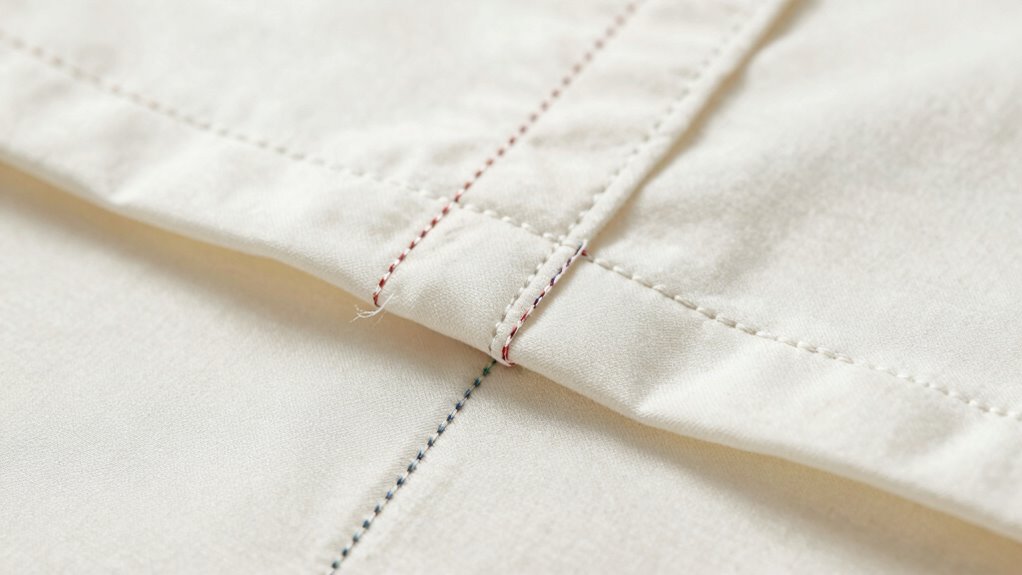
Troubleshooting your serger or coverstitch machine quickly minimizes project delays and frustration. If your stitches are uneven or skipped, start by checking the thread tension; improper tension often causes issues. Adjust the tension dials carefully, ensuring they match the fabric and thread type. Next, verify your needle selection—using the wrong needle can lead to skipped stitches or fabric damage. Make sure you’re using the correct needle type and size for your project. Also, check for tangled threads or lint buildup, which can disrupt stitching. Clear any jams and re-thread the machine properly. Regular maintenance, like cleaning and oiling, prevents common problems. With attention to thread tension and needle choice, you’ll keep your serger or coverstitch machine running smoothly and produce professional-looking finishes.
How to Achieve Store-Bought Finishes in Your Sewing Projects
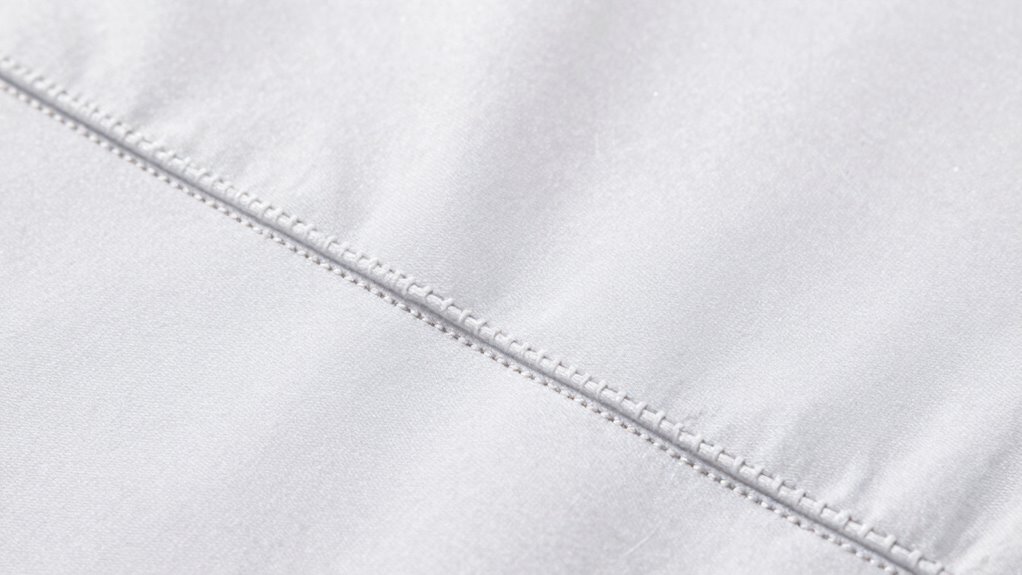
To achieve store-bought finishes in your sewing projects, paying close attention to your seam finishes and edge treatments is essential. Proper techniques elevate the look and durability of your garments. Here are four tips:
- Use a serger or coverstitch machine for professional-looking hems and seams, ensuring neat fabric care.
- Follow your sewing patterns precisely, especially instructions for finishing edges, to maintain consistency.
- Press seams and hems carefully to set stitches and create sharp, polished edges.
- Trim excess fabric and use appropriate seam allowances to prevent puckering or fraying.
Frequently Asked Questions
Can a Serger Replace a Coverstitch Machine Entirely?
A serger can’t fully replace a coverstitch machine because it lacks the machine versatility needed for certain finishes. While a serger excels in sewing precision for seams and edges, it doesn’t produce the clean, professional hem stitches that a coverstitch offers. For garments that require a polished, store-bought look, using both machines guarantees you achieve the best results, combining the strengths of each for finished, high-quality sewing projects.
Are There Specific Fabrics Better Suited for Sergers or Coverstitch Machines?
You’ll find that stretch fabrics like knits work best with coverstitch machines, as they provide flexible, professional-looking hems. For thicker fabrics such as denim or canvas, a serger handles the bulk and seam finishing easily. If your project involves delicate or lightweight fabrics like chiffon, a coverstitch offers a clean, stretchy finish, while a serger might be too bulky or cause puckering.
How Much Maintenance Do Sergers and Coverstitch Machines Require?
You’ll find that both sergers and coverstitch machines need regular maintenance. You should perform machine cleaning frequently to remove lint and dust, which helps prevent jams and keeps stitches consistent. Oiling routines are essential too; lightly oil the moving parts as recommended in your manual to ensure smooth operation. By sticking to these maintenance steps, you’ll prolong your machine’s lifespan and maintain professional-quality results with less hassle.
What Is the Cost Difference Between Sergers and Coverstitch Machines?
They say, “You get what you pay for,” so your equipment costs matter. Coverstitch machines typically cost less than sergers, making them more budget-friendly, especially for hobbyists. In a price comparison, sergers tend to be pricier due to their multifunctionality and durability. If you’re starting out or sewing casually, a coverstitch offers a cost-effective option. But if you want professional finishes, investing in a serger might be worthwhile.
Can Beginners Easily Learn to Operate Both Machines Effectively?
You’ll find that both machines are relatively beginner-friendly, but the learning curve varies. A coverstitch might be easier to master initially because it’s straightforward for hemming and topstitching. Sergers can seem complex at first, but with patience and practice, you’ll quickly learn to operate them effectively. Overall, with clear instructions and practice, beginners can confidently use both machines to achieve professional-looking seams.
Conclusion
Choosing between a serger and a coverstitch machine is like finding the perfect finishing touch for a gift—suddenly, your sewing projects look polished and professional. Whether you’re hemming knitwear or creating durable seams, the right machine transforms your work into store-bought quality. With a little practice and the right choice, you’ll notice your garments come together smoothly, just like that perfectly wrapped present, leaving you proud of every stitch.