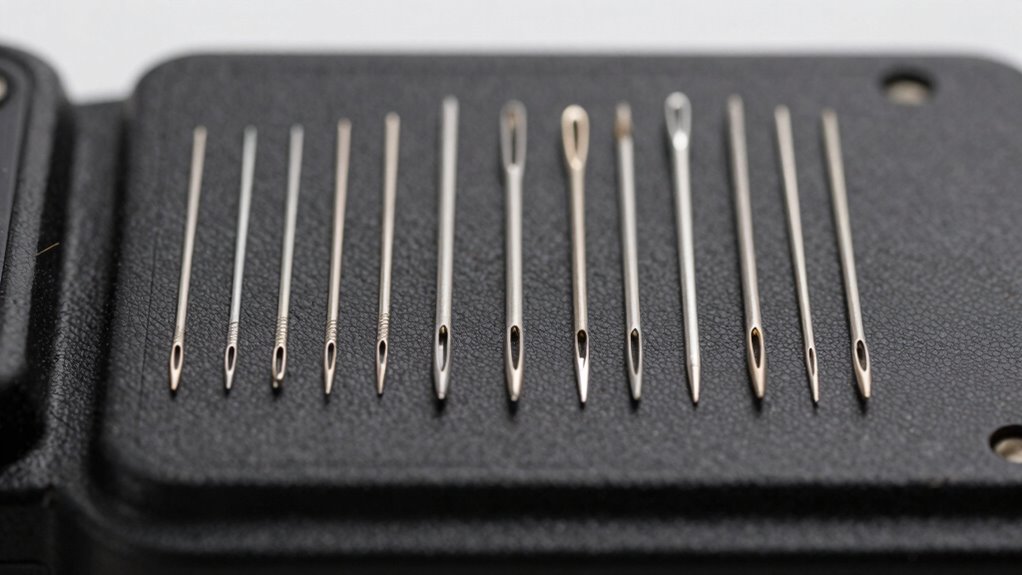

Understanding needle sizes helps you choose the right needle for your fabric and thread. Smaller numbers mean thinner needles, ideal for lightweight fabrics, while larger numbers suit thick, tough materials. Using the correct size reduces skipped stitches and fabric damage, ensuring smooth, professional results. Different standards exist globally, but once you grasp the basics, you can select needles confidently. If you want to keep your stitches even and avoid sewing problems, discover more about needle sizes below.
Key Takeaways
- Choosing the correct needle size based on fabric weight prevents skipped stitches and ensures smooth sewing.
- Smaller needle sizes (like 70/10 or 60/8) are ideal for lightweight fabrics, reducing the risk of skips.
- Larger needle sizes (such as 90/14 or 100/16) suit thick fabrics, providing better penetration and stitch consistency.
- Using the appropriate needle type and size for your fabric minimizes skipped stitches and fabric damage.
- Regularly inspecting and replacing dull or bent needles helps maintain stitch quality and prevents skipped stitches.
SCHMETZ ABC Pocket Guide – Household Sewing Machine Needle Guide
SCHMETZ ABC Pocket Guide
As an affiliate, we earn on qualifying purchases.
As an affiliate, we earn on qualifying purchases.
What Are Sewing Needle Sizes and How Are They Measured?
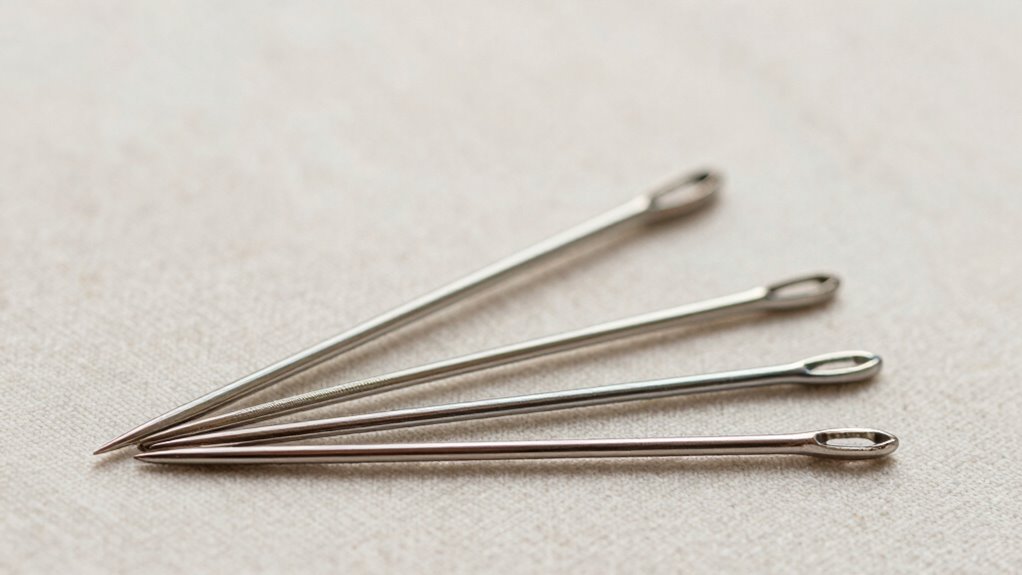
Have you ever wondered how sewing needle sizes are determined? It all depends on a standard measurement system that considers needle thickness. The size number indicates the diameter of the needle shaft, with smaller numbers meaning thinner needles. When choosing a needle, consider fabric stretch—stretchy fabrics often require a thinner, more flexible needle to avoid skipped stitches. Needle sharpness is also essential; sharper needles penetrate fabric easily, reducing snags and damage. As the size increases, the needle becomes thicker and more robust, making it suitable for heavier fabrics. Understanding how needle sizes are measured helps you select the right needle for your project, ensuring smooth sewing and preventing issues like skipped stitches or fabric puckering. Additionally, needle compatibility ensures your sewing machine functions properly and produces the best results. Recognizing the importance of proper needle selection can significantly improve your sewing experience. Being aware of standard measurement systems can also assist in choosing the appropriate needle size for different fabrics and sewing tasks.

SCHMETZ Microtex Sharp Sewing Machine Needles – Quilting & Topstitching Supplies, Size 60/8, 5-Needle Card, Pack of 1
STRONG & SHARP PRECISION NEEDLE: The SCHMETZ Microtex sewing machine needle features an ultra-thin, sharp point for flawless…
As an affiliate, we earn on qualifying purchases.
As an affiliate, we earn on qualifying purchases.
How Do Needle Sizes Affect Stitch Quality and Fabric Handling?
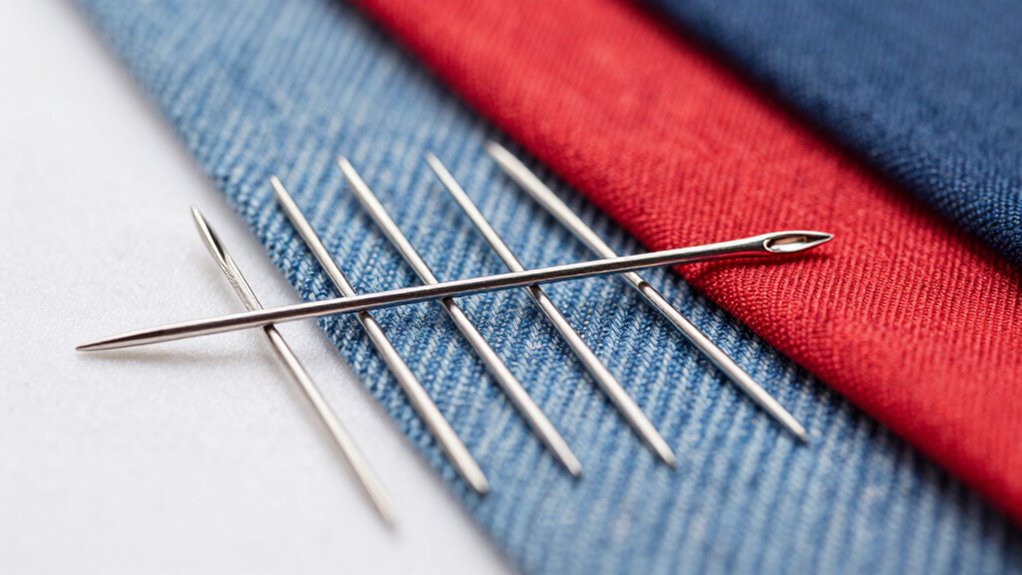
The size of your sewing needle directly impacts stitch quality and how well your fabric handles during sewing. A larger needle creates more needle penetration, which can be helpful for thicker or tougher fabrics, but may cause skipped stitches or puckering in delicate materials. Conversely, smaller needles are gentler and better suited for lightweight, stretchy fabrics, allowing for smooth fabric stretch and precise stitches. If the needle is too thick for your fabric, it can damage the fibers or cause tearing, reducing overall stitch quality. Choosing the correct needle size ensures better fabric handling, minimized skipped stitches, and even tension. Proper needle selection balances stitch strength with fabric integrity, making your sewing smoother and more professional-looking. Additionally, understanding fabric types and their specific needle requirements can significantly improve your sewing results. Using the correct needle size tailored to your fabric not only enhances stitch consistency but also prolongs the life of your sewing machine. Paying attention to needle compatibility helps prevent unnecessary machine damage and ensures optimal sewing performance. Selecting the appropriate needle for your project is essential for achieving a high-quality, durable finish. Being aware of needle features such as point type and shank style can also contribute to better sewing outcomes.

50 Pcs Size 100/16 Universal Leather&Jeans Sewing Machine Needles, Heavy Duty Machine Needles for Thickened Fabrics, Compatible with Home Sewing Machine
Value Package: You will receive 50 pcs. The quantity is adequate for you to replace.
As an affiliate, we earn on qualifying purchases.
As an affiliate, we earn on qualifying purchases.
How Can I Read and Understand Needle Size Labels?

To choose the right needle, you need to understand how size labels are marked. Look for numbers or codes on the packaging that indicate needle size, and recognize the international standards that may vary by country. Once you grasp these markings, selecting the correct needle becomes much easier. Well-sourced coverage ensures you have reliable information to make informed choices.
Understanding Needle Size Markings
Ever wondered how to decipher the numbers and letters on a needle’s packaging? Needle size markings usually combine numbers and sometimes letters, indicating the diameter and type. The size number often correlates to the needle’s thickness, which affects thread tension and fabric stretch. Smaller numbers mean thinner needles, ideal for delicate fabrics, while larger ones suit thicker textiles. Look for labels like “10/70” or “80/12”—the first number often relates to European sizing, and the second to American standards. Pay attention to the needle’s point style as well, since it influences fabric handling. Understanding these markings helps you select the right needle for your project, ensuring proper thread tension and preventing skipped stitches, especially on fabrics with varying stretch. Additionally, needle point style can impact how well the needle penetrates different fabric types, further reducing the risk of skipped stitches.
Interpreting International Standards
Understanding needle size labels from different countries can seem confusing at first, but recognizing the standards behind these markings helps you choose the right needle more confidently. Each country follows its own set of international standards and needle measurement systems, such as the European metric system, the US system, or the Japanese system. For example, European sizes often use a number that corresponds to the diameter in millimeters, while US sizes are based on the number of needles per inch. Japanese sizes may differ again. To interpret these labels accurately, familiarize yourself with each system’s scale and conversion charts. This knowledge allows you to compare needle sizes across standards easily, ensuring you select the perfect needle for your project, no matter where it’s made. Recognizing these measurement systems makes it easier to understand and compare different sizing conventions across countries, especially when considering international standards.

Sewing Machine Needles, 50 PCS Universal Sewing Machine Needle, Compatible with Singer, Brother, Janome, Varmax, Sizes HAX1 65/9, 75/11, 90/14, 100/16, 110/18 (50 PCS)
PREMIUM QUALITY MATERIAL: Made of top quality high-strength steel, sharp smooth, sturdy and durable, not easy to bend,…
As an affiliate, we earn on qualifying purchases.
As an affiliate, we earn on qualifying purchases.
Different Needle Size Categories and When to Use Them
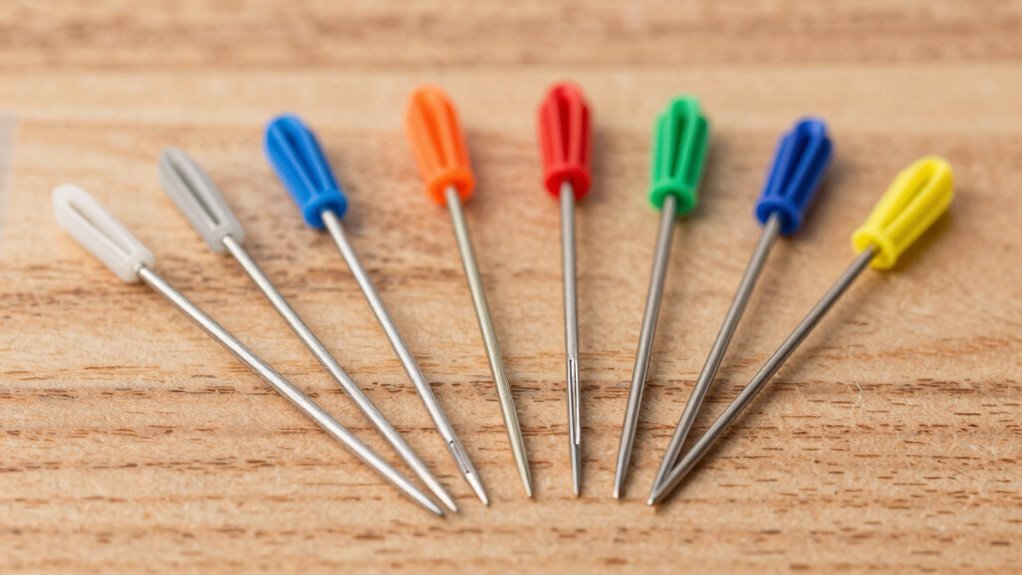
Different needle size categories are essential for guaranteeing safe and effective injections, with each type suited for specific procedures. The primary way to differentiate them is by needle gauge, which indicates the needle’s diameter—the higher the gauge, the thinner the needle. For example, a 25-gauge needle has a smaller diameter than a 21-gauge, making it less painful for injections like vaccines or blood draws. Thicker needles, such as 18-gauge, are used for procedures requiring larger volumes or thicker substances, like certain IV lines or aspiration. Choosing the right needle gauge ensures proper delivery, minimizes discomfort, and prevents complications. Proper needle selection is also influenced by the material and construction of the needle, which can affect performance and patient comfort. Additionally, understanding needle compatibility with different syringe sizes can improve efficiency and safety during procedures.
Matching Needle Sizes to Fabric Types: A Practical Guide
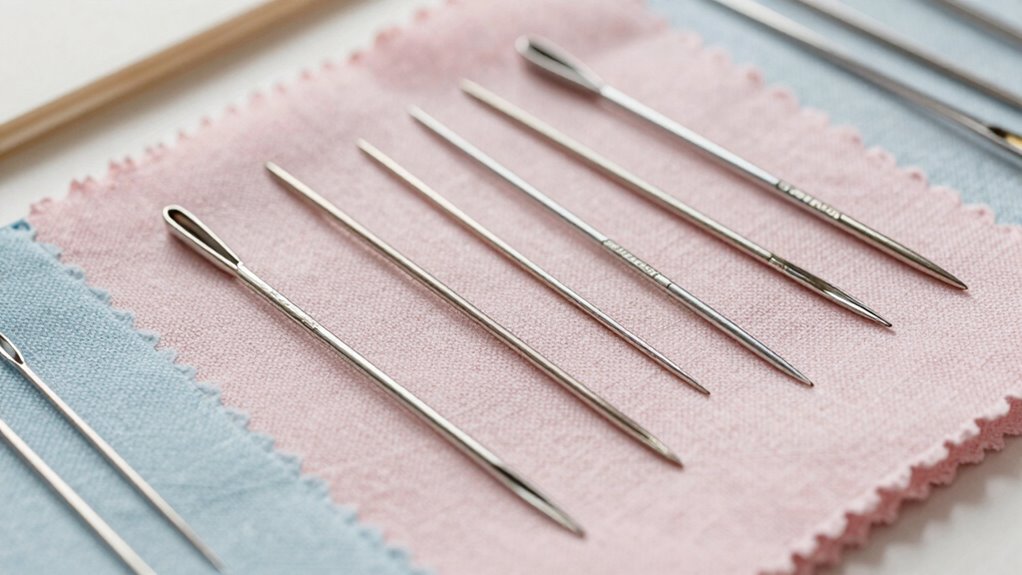
Choosing the right needle size for fabric sewing is crucial to guarantee smooth stitching and prevent damage to the material. The correct needle size ensures proper thread tension and that the needle eye size matches your fabric’s weight. Here are key tips:
- Use smaller needles (size 60-70) for delicate fabrics like silk or chiffon to avoid damaging fibers.
- Opt for larger needles (size 90-100) for heavy fabrics such as denim or canvas, which need sturdier support.
- Always match needle eye size to your thread type; thicker threads require larger eyes to prevent skipped stitches and maintain consistent thread tension.
- Understanding needle compatibility can significantly improve sewing results and reduce frustration. Selecting the appropriate needle gauge based on fabric type can also help prevent skipped stitches and thread breakage.
Matching needle size to fabric type helps prevent skipped stitches and thread breakage. Proper needle selection improves stitch quality and overall sewing efficiency.
Why Do My Stitches Skip? Is Needle Size the Cause?

If your stitches keep skipping, improper needle size might be be the culprit. Choosing the right needle size is essential for good stitch quality and smooth sewing. Avoid common mistakes by understanding how needle size impacts your sewing results. Additionally, using the appropriate material compatibility ensures that the needle and thread work well together, reducing the risk of skipped stitches. Proper project requirements can also influence the choice of needle size, helping you achieve consistent, professional-looking stitches. Paying attention to thread tension can further improve stitch consistency and prevent issues caused by incorrect settings. For instance, selecting a pilot shirt for men aviator that suits your sewing project can make a difference in achieving flawless results. Recognizing the importance of needle maintenance can also help prevent skipping caused by dull or damaged needles.
Proper Needle Size Selection
Stitches can skip when the needle size doesn’t match your fabric or project requirements, leading to uneven tension and missed stitches. Choosing the right needle size ensures smooth sewing, reduces thread tension issues, and accommodates fabric stretch. Here are key tips for proper needle selection:
- Match needle size to fabric weight—use smaller needles for delicate fabrics and larger ones for heavy materials.
- Consider fabric stretch—stretch fabrics often need ballpoint or stretch needles to prevent skipped stitches.
- Check thread tension—incorrect tension can worsen skipping, so adjust tension settings when changing needle sizes.
- Pay attention to proper needle handling techniques—using active voice makes instructions clearer and more engaging. Additionally, understanding how needle size influences stitch quality can help you troubleshoot and improve your sewing results effectively. Recognizing the importance of compatible needle and fabric combinations can further reduce the risk of skipped stitches and sewing issues.
Using the correct needle and fabric compatibility ensures your needle interacts correctly with your fabric, preventing unnecessary tension issues and accommodating fabric stretch seamlessly.
Impact on Stitch Quality
When your stitches skip, one common culprit is using the wrong needle size for your fabric or project. An inappropriate needle can’t handle fabric stretch properly, causing uneven stitches or skipped sections. Additionally, needle size affects thread compatibility; a too-small needle may not grip thick or textured threads well, leading to missed stitches. Conversely, a needle that’s too large can damage delicate fabrics or cause puckering, impacting stitch quality. Proper needle selection guarantees smooth passage through fabric, maintaining consistent tension and stitch formation. When needle size aligns with fabric stretch and thread type, your stitches stay even, neat, and secure. Skipped stitches often stem from mismatched needle size, so choosing the right one is essential for high-quality sewing results.
Common Needle Size Mistakes
Many sewing mistakes stem from using the wrong needle size, which often leads to skipped stitches. Using an incompatible needle can also cause tension issues and damage your fabric. To avoid these problems, check these common mistakes:
- Choosing the wrong needle size for your fabric – too small for heavy fabrics or too large for delicate materials.
- Ignoring thread compatibility – mismatched thread and needle sizes can jam or skip.
- Neglecting sewing machine maintenance – dirty or improperly threaded machines increase the risk of skipped stitches, regardless of needle size.
Always verify your needle size before sewing, ensure your thread matches your needle, and keep your machine well-maintained. Proper needle selection and maintenance are key to preventing skipped stitches and ensuring smooth sewing.
Tips for Choosing Needle Sizes for Delicate and Thick Fabrics
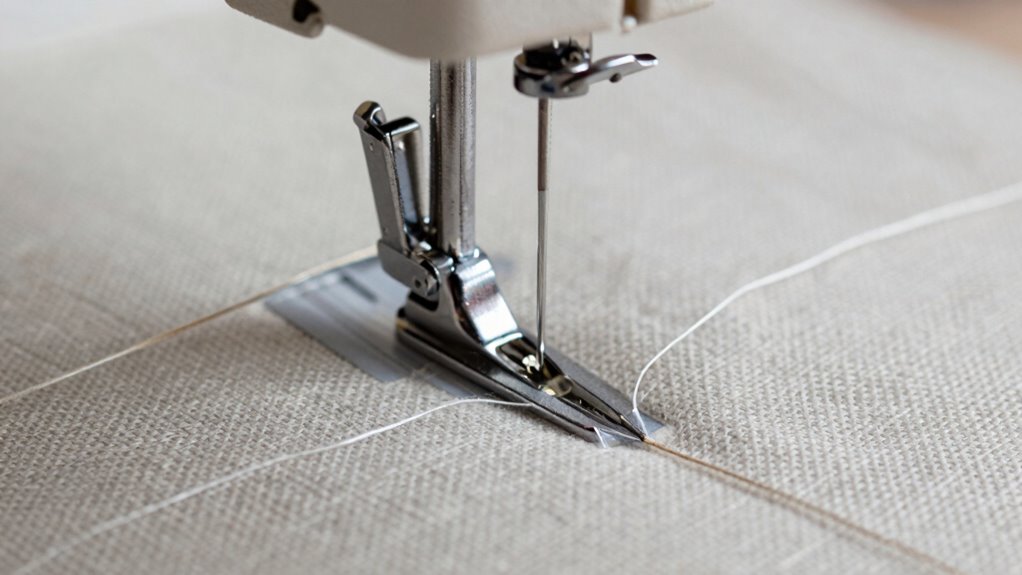
Choosing the right needle size is essential when working with delicate or thick fabrics, as it directly affects the quality of your stitches. For delicate fabrics, select a smaller needle (like size 70/10) to reduce fabric stress and prevent damage. Thicker fabrics require larger needles (such as size 90/14 or 100/16) to handle the density without skipped stitches. Always consider fabric stretch and thread compatibility; stretchy fabrics need a slightly larger needle to accommodate elasticity, while thicker threads need sturdier needles to prevent breakage. Here’s a quick reference:
| Fabric Type | Recommended Needle Size | Thread Compatibility |
|---|---|---|
| Delicate/Light | 70/10 – 75/11 | Fine thread, lightweight |
| Medium-weight | 80/12 – 90/14 | Standard thread |
| Heavy/Dense | 100/16 and above | Heavy-duty thread |
| Stretch Fabrics | 75/11 – 80/12 | Stretch or ballpoint needles |
| Special Textures | Varies based on texture | Specialized threads or needles |
Choose thoughtfully to ensure smooth stitching.
How to Switch Needle Sizes Safely During Your Sewing Project
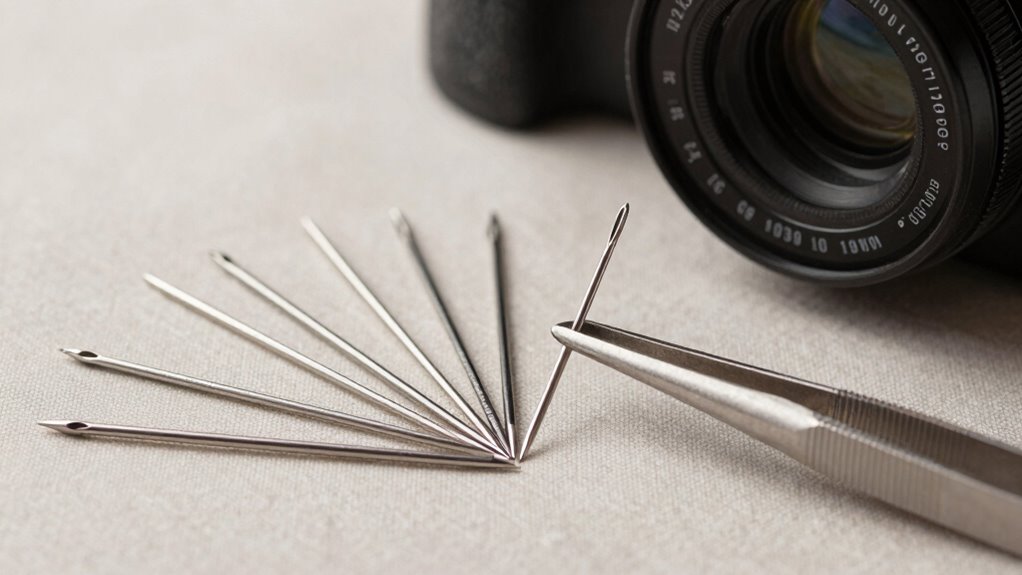
Before switching needle sizes, make sure your new needle is compatible with your machine and fabric. Turn off your machine and carefully remove the old needle, then insert the new one securely. Double-check that the needle is properly installed before continuing your sewing project.
Assess Needles Compatibility
Switching needle sizes mid-project requires careful checking to guarantee compatibility and avoid damage to your machine or fabric. To evaluate needle compatibility effectively, consider these key factors:
- Fabric Compatibility: Ensure the new needle matches your fabric type—thinner needles for delicate fabrics, thicker for heavy materials.
- Needle Material: Choose the right needle material, like steel or titanium, based on your project’s durability needs.
- Machine Compatibility: Confirm your sewing machine supports the selected needle size and type, avoiding potential damage.
Always compare your current needle with the new one before switching. Properly assessing these aspects helps prevent skipped stitches, fabric snags, or machine issues, keeping your project running smoothly.
Properly Change Needle Safely
To change your needle safely during a sewing project, start by turning off your machine and unplugging it to prevent any accidental starts. Carefully remove the current needle by loosening the needle clamp screw. Check the needle packaging to select the correct size and needle gauge for your project. Match the new needle’s size to your fabric and thread type, ensuring it fits securely in the clamp. Handle the needle by its shank to avoid bending or damaging the needle tip. Insert the new needle with the flat side facing the back of the machine, then tighten the clamp screw firmly. Always double-check that the needle is properly seated before plugging in and turning on your machine to guarantee safe operation and peak sewing results.
Troubleshooting Common Sewing Issues Related to Needles

Many common sewing issues stem from using the wrong needle or improper needle handling. To troubleshoot, start by checking fabric compatibility; using the wrong needle type can cause skipped stitches or snags. Next, inspect your needle for damage or dullness, which can lead to uneven stitches. Finally, make sure proper needle storage tips are followed—storing needles safely prevents rust and bent tips that disrupt sewing.
Here are three key tips:
- Match your needle to the fabric you’re sewing.
- Replace needles regularly to avoid skipped stitches.
- Store needles in a dry, organized container to prevent damage.
Addressing these issues helps keep your stitches even and prevents common sewing frustrations.
FAQs About Sewing Needle Sizes and Selection Tips

Choosing the right sewing needle size can seem confusing at first, but understanding a few key principles makes it easier. When selecting a needle, consider your fabric type and thread tension; larger needles are better for thicker fabrics, while smaller ones suit delicate materials. Always match the needle size to your thread to prevent skipped stitches and tension issues. Proper machine maintenance also plays a crucial role—ensure your machine is well-oiled and clean to avoid tension problems caused by debris or misaligned parts. FAQs often ask if larger needles cause more damage—generally, no, if matched correctly. Remember, using the right needle size helps prevent skipped stitches and keeps your sewing machine running smoothly, making your projects easier and more professional-looking.
Frequently Asked Questions
Can Using the Wrong Needle Size Damage My Fabric?
Using the wrong needle size can damage your fabric, causing distortion or holes. A needle that’s too large may create unnecessary puckering or even needle breakage, while a needle that’s too small won’t sew properly and might skip stitches. Always choose the correct size for your fabric type to prevent damage, ensuring smooth sewing and maintaining the fabric’s integrity. Proper needle selection keeps your project looking professional and prevents costly mistakes.
How Often Should I Change Sewing Needles During a Project?
Switch your sewing needle regularly to prevent problems and promote perfect stitches. Change needles after every project or every 8-10 hours of sewing, especially when working with different fabrics or trying new threading techniques. Frequent changes help maintain fabric compatibility and prevent skipped stitches. Keep a sharp eye on the needle’s condition, and swap it out promptly to keep your sewing smooth, snag-free, and superbly stitched.
Are There Specific Needle Sizes for Embroidery Versus Quilting?
Yes, there are specific needle sizes for embroidery and quilting. For embroidery, choose smaller needles, like size 7 or 9, to work smoothly with delicate embroidery threads and detailed stitches. For quilting, opt for larger needles, like size 16 or 18, which handle thicker batting and quilting techniques efficiently. Using the right needle size guarantees your stitches stay even and your project progresses without skipped stitches.
Do Needle Sizes Vary Between Sewing Machine Brands?
Yes, needle sizes can vary between sewing machine brands because of brand compatibility and needle markings. You need to check your machine’s manual or the needle package to confirm you’re using the correct size for your brand. Different brands might have distinct specifications, so always verify that your chosen needle matches the markings and is compatible with your machine to prevent skipped stitches or damage.
What Signs Indicate I Need a Different Needle Size?
If you notice fabric puckering or frequent thread breakage, it’s a sign you need a different needle size. Using a needle that’s too small can cause skipped stitches, while a needle that’s too large might damage delicate fabric. Adjust the needle size accordingly, matching it to your fabric type, to guarantee smooth sewing. Always check your machine’s guidelines and switch needles if you experience these issues.
Conclusion
Understanding needle sizes helps you avoid skipped stitches and fabric mishaps. Did you know that choosing the right needle can reduce sewing problems by up to 80%? By paying attention to size labels and matching needles to your fabric, you’ll sew smoothly and confidently. Keep experimenting and adjusting your needle choices—your projects will turn out better and faster every time. Happy sewing!