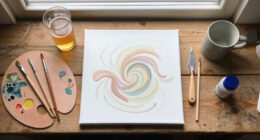
To get soft, washable results with fabric paints and mediums, choose high-quality, colorfast products designed for flexibility. Apply thin layers and blend colors while the paint is still wet to facilitate smooth shifts. Use mediums that keep the fabric soft and flexible, and always follow the manufacturer’s instructions for setting—such as heat setting or baking—to lock in color and durability. If you keep exploring, you’ll discover more tips for professional-looking, long-lasting designs.

Get business pricing on tools and workshop supplies
- Business-only prices and quantity discounts
- Tax-exempt purchasing
- Multiple users, one account, clear invoices
Key Takeaways
- Use high-quality, colorfast fabric paints and proper heat setting to ensure washable, durable, and vibrant results.
- Apply multiple thin layers and allow thorough drying to achieve a soft, flexible finish.
- Incorporate fabric mediums designed to maintain softness and enhance paint flowability for easier blending.
- Blend colors while wet for seamless transitions and subtle gradients, improving overall softness and appearance.
- Follow manufacturer instructions for setting and curing the paint, including heat setting or baking, to lock in color and washability.

Fabric paints and mediums are essential tools for anyone looking to personalize or enhance their textile projects. When you choose the right products, you can achieve vibrant designs that withstand regular washing without fading or cracking. One key factor to take into account is the colorfast properties of your paint. High-quality fabric paints are formulated to be colorfast, meaning the colors won’t bleed or wash out over time. This guarantees your artwork remains bright and intact, even after multiple washes. To maximize these properties, always follow the manufacturer’s instructions for setting the paint, which often involves heat setting with an iron or baking in the oven. This step locks in the color, making your designs more durable and long-lasting.
Another important aspect is mastering blending techniques. When you blend colors effectively, your artwork looks more professional and visually appealing. You can start by applying multiple shades while the paint is still wet, allowing the colors to merge seamlessly. Use soft brushes or sponges to gently manipulate the paint, creating smooth progressions between hues. If you want to achieve subtle gradients or shaded effects, work with diluted paints or add mediums that extend the paint’s flowability. These mediums help you blend colors more easily and create softer, more natural-looking progressions. Practice is key—try blending on scrap fabric first to get a feel for how the colors interact and how much product you need to achieve the desired effect.
In addition to blending, using the right techniques can contribute to a softer finish. Applying multiple thin layers rather than a single thick coat helps the paint adhere more evenly and reduces stiffness. After your design is complete and dry, you can soften the texture further by gently pressing the fabric with a warm iron or by giving it a light wash, depending on the paint’s guidelines. This process not only improves the hand feel of your project but also helps set the paint more securely. Keep in mind that some mediums are designed specifically to keep the fabric flexible, so choosing those can greatly enhance the softness of your finished piece.
fabric paint set washable and colorfast
As an affiliate, we earn on qualifying purchases.
As an affiliate, we earn on qualifying purchases.
Frequently Asked Questions
Can Fabric Paints Be Used on Synthetic or Delicate Fabrics?
Yes, fabric paints can be used on synthetic fabrics, but you should check for synthetic fabric compatibility first. For delicate fabrics, exercise delicate fabric caution to avoid damaging the material. Always test a small, hidden area before fully applying the paint. Use gentle strokes and avoid over-saturating the fabric. With proper preparation and caution, you can achieve great results on both synthetic and delicate fabrics.
How Long Do Fabric Paint Projects Typically Last?
Your fabric paint project typically lasts several years if you follow proper care instructions. The durability depends on factors like fabric type and paint quality. To prevent color fading and maintain fabric durability, wash the item inside out on gentle cycles and avoid harsh detergents. Proper sealing and curing also help extend the life of your artwork, ensuring vibrant colors and soft, washable results over time.
Are There Eco-Friendly or Non-Toxic Fabric Paint Options Available?
Yes, you can find eco-friendly options and non-toxic formulations of fabric paint. These paints are made with natural ingredients, free from harsh chemicals, and safe for both you and the environment. They offer vibrant colors, washable results, and durability, just like conventional paints. By choosing eco-friendly options, you protect your health, reduce environmental impact, and enjoy creative projects guilt-free, knowing you’re making a responsible choice.
Can Fabric Paints Be Mixed to Create Custom Colors?
Yes, you can mix fabric paints to create custom colors. By combining different shades through color mixing, you have full control over your desired hue. Just start with small amounts and blend thoroughly to achieve your perfect color for your project. Keep in mind that some paints may change slightly as they dry, so it’s helpful to test your custom color before applying it extensively.
What Are the Best Cleaning Methods for Brushes and Tools Used With Fabric Paints?
To keep your brushes and tools in top shape, start with proper brush maintenance. Rinse brushes immediately after use with warm water to prevent paint from drying. Use gentle soap or brush cleaner for thorough cleaning, especially for stubborn paint. For tool cleaning tips, avoid soaking brushes for long periods, and reshape the bristles afterward. Regular cleaning guarantees your tools stay soft, effective, and ready for your next project.
Conclusion
With the right fabric paints and mediums, your creations will feel as soft as a whisper and stay washable like a trusty old shirt. By following these tips, you’ll achieve vibrant, lasting designs that don’t stiffen or crack over time. Think of your finished piece as a well-loved blanket—comfortable and durable. So go ahead, get creative with confidence, knowing your artwork will look beautiful and feel great wash after wash.
Fall Picks
fall essentials
As an affiliate, we earn on qualifying purchases.