
TL;DR
Open a free Amazon Business account
Business pricing, bulk buying and tax-exempt orders.
Create a free accountAs an affiliate, we earn on qualifying purchases.
Search interest in alternative alarm methods is rising as people seek more effective or nostalgic ways to wake up. Experts suggest trying mechanical clocks or wake-up lights instead of standard phone alarms.
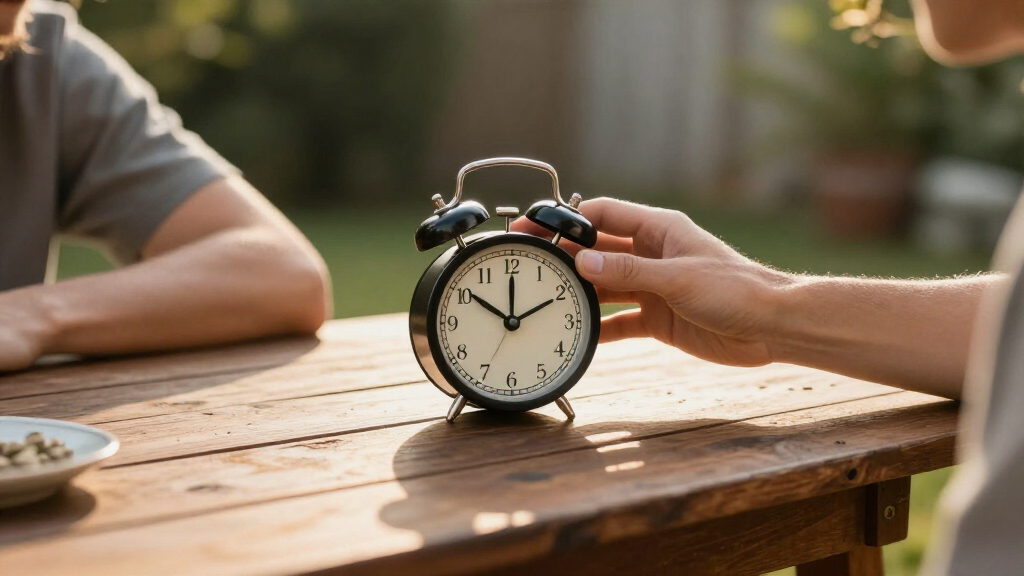
Search interest in replacing regular phone alarms with nostalgic alternatives such as mechanical clocks and wake-up lights has surged in recent weeks, according to trend signals. While no official product launches or major campaigns have been announced, this pattern indicates a growing consumer curiosity about alternative wake-up methods that may be more effective or psychologically satisfying than standard smartphone alarms.
Analysts and trend observers note that online searches for traditional alarm clocks, sunrise simulation lights, and other nostalgic wake-up devices have increased significantly, suggesting a shift in consumer behavior. Experts suggest that many users find smartphone alarms disruptive or ineffective, prompting them to explore more tactile or natural methods of waking up. These include mechanical clocks with bells or chimes, wake-up lights that simulate sunrise, and other analog devices that provide a more gradual or sensory wake-up experience.
While the trend signal is clear, it is important to emphasize that no major product launches or official endorsements have been confirmed. The surge appears to be driven by individual users sharing their experiences and seeking alternatives that reduce reliance on digital devices, especially in light of concerns about sleep disruption and digital fatigue. The trend also aligns with broader movements toward mindfulness and natural living, which emphasize reducing screen time and reconnecting with traditional routines.
Experts caution that while these alternatives may offer benefits such as less sleep disturbance or a more pleasant wake-up, their effectiveness varies by individual. Some users report that mechanical alarms are more reliable, while others prefer sunrise lights for their gradual wake-up approach. The trend remains largely anecdotal at this stage, with no formal endorsements or large-scale studies confirming the superiority of these methods over standard alarms.
Why Consumers Are Reconsidering Phone Alarms
This rising interest in nostalgic alarm methods reflects broader concerns about the impact of smartphone alarms on sleep quality and morning routines. Many users report that digital alarms can be jarring, cause anxiety, or lead to sleep disruptions due to notifications or vibrations. The shift toward mechanical clocks and sunrise lights suggests a desire for a more natural, less intrusive wake-up experience that may improve sleep hygiene and overall well-being.
Additionally, this trend highlights a growing consumer preference for tangible, physical devices in an increasingly digital world. As people seek to disconnect from screens and reduce digital fatigue, traditional alarm methods are gaining renewed appeal. The movement also underscores a broader cultural shift toward nostalgia and simplicity, with consumers looking for more meaningful or sensory-rich routines to start their day.
While the trend’s long-term impact remains uncertain, it indicates a potential reevaluation of how people approach daily routines and sleep health, possibly influencing product development and marketing in the wake-up device market.
As an affiliate, we earn on qualifying purchases.
Emerging Consumer Preferences for Wake-Up Devices
The trend toward nostalgic alarm methods is part of a larger pattern where consumers seek alternatives to digital devices for daily routines. Over recent years, there has been increased interest in sleep improvement techniques, mindfulness, and natural living, which often emphasize reducing screen time and digital dependency. Search data shows that interest in traditional alarm clocks, sunrise simulation lights, and other analog devices has spiked in recent weeks, although these signals are still preliminary and not linked to specific product launches.
Historically, smartphone alarms have been the standard for decades, but recent user feedback and sleep studies suggest they may contribute to sleep disturbances, prompting some to seek more tactile or gentle wake-up options. This trend aligns with broader health and wellness movements, emphasizing sleep quality and mental health. However, it remains to be seen whether this interest translates into sustained consumer behavior or product adoption.
As of now, no major companies have officially announced new products in this space, and the trend appears driven primarily by individual experimentation and online sharing. Experts note that the shift could influence future product development, but it is still too early to determine whether this will become a lasting change in wake-up routines.
Unconfirmed Status of Market Adoption
It is not yet clear whether this rising interest will lead to widespread adoption or product launches. No official endorsements, new product releases, or marketing campaigns have been confirmed, and the trend remains primarily anecdotal and based on search data. The long-term effectiveness and consumer satisfaction with these alternatives are still unknown, and further research or market developments are needed to assess their staying power.
Monitoring Future Consumer Shifts and Product Launches
Researchers and market analysts will continue to observe search trends and consumer feedback to determine if this interest translates into sustained behavior change. Companies in the wake-up device market may consider developing or marketing nostalgic options, and sleep health advocates may explore further studies comparing traditional and digital alarms. In the coming months, official product announcements or pilot programs could emerge, providing clearer insights into the future of alarm routines.
Key Questions
Are mechanical clocks or sunrise lights more effective than phone alarms?
Effectiveness varies by individual. Some users find mechanical clocks or sunrise lights less disruptive and more natural, but scientific evidence comparing these methods directly to phone alarms is limited. Personal preference and sleep habits play significant roles.
Can switching to nostalgic alarms improve sleep quality?
Potentially. Alternatives like sunrise lights may promote a more gradual wake-up, reducing sleep disruption. However, more research is needed to establish definitive benefits over standard alarms.
Is this trend likely to replace smartphone alarms entirely?
It is too early to say. While interest is increasing, widespread adoption depends on consumer satisfaction, product availability, and proven effectiveness. The trend remains in the early stages.
What are some popular nostalgic alarm options currently gaining attention?
Examples include mechanical alarm clocks, sunrise simulation lights, and traditional chime or bell clocks. These are being discussed and shared more frequently online as alternative wake-up methods.
Are there safety concerns with using mechanical alarms or lights?
Generally, these devices are safe when used according to manufacturer instructions. Users should ensure proper placement and avoid overly bright lights or loud sounds that could disturb sleep or cause discomfort.
Source: rss
Fall Picks
fall essentials
As an affiliate, we earn on qualifying purchases.