
To keep delicate paper from curling after applying adhesive, spread a thin, even coat to prevent uneven drying. Gently press the paper with a flat weight or parchment paper to maintain smoothness as it dries. Store in a cool, dry environment and avoid excess moisture. Choosing water-based or specially designed adhesives also helps prevent warping. If you want to discover more effective techniques, there’s useful tips just ahead.

Get business pricing on tools and workshop supplies
- Business-only prices and quantity discounts
- Tax-exempt purchasing
- Multiple users, one account, clear invoices
Key Takeaways
- Use lightweight, even coats of adhesive to prevent uneven moisture distribution.
- Apply gentle, uniform pressure with parchment paper and weights during drying.
- Choose moisture-controlled adhesives like PVA for better flexibility and flatness.
- Store and work in a cool, dry environment to minimize humidity-induced curling.
- Allow sufficient drying time, preferably overnight, to ensure complete adhesion and flatness.
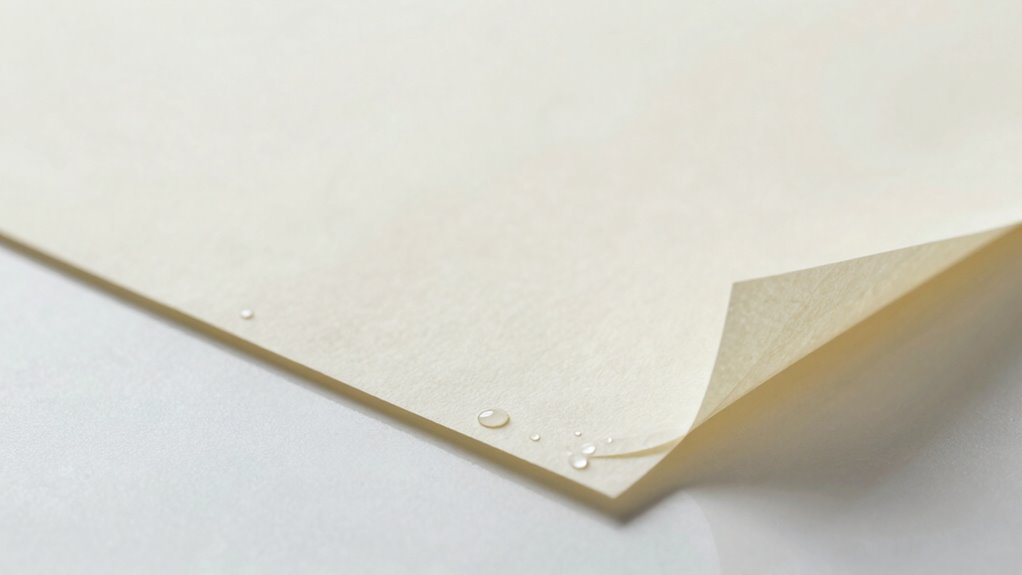
When working with delicate paper and adhesive, curling can be a common issue that ruins your project’s appearance. This often happens because of the paper’s texture or the type of adhesive you choose. Understanding how paper texture influences curling helps you select materials that are less prone to warping. For instance, smooth, high-quality papers tend to stay flat better than textured or handmade papers, which can trap air and moisture, making them more susceptible to curling. If your paper has a rough or heavily textured surface, it may require gentler adhesives or additional flattening techniques to prevent curling after application. Additionally, controlling the application technique can significantly reduce stress on the paper and help maintain a flat surface. Proper pressing methods after adhesive application also play a vital role in keeping the paper flat as it dries. Using proper drying techniques can further ensure that the paper remains smooth and flat during the curing process.
Choosing the right adhesive type is crucial to maintaining your paper’s flatness. Some adhesives, like quick-drying glues or those with high tack, can cause the paper to warp as they cure or dry. Water-based adhesives, such as PVA glue, tend to be more forgiving because they allow for more control and can be wiped away or spread thinly, reducing the risk of curling. Double-sided tape or adhesive dots are also good options since they provide a strong bond without excess moisture, minimizing warping. When selecting an adhesive, consider how much flexibility and moisture it contains, as these factors greatly influence whether your delicate paper will stay flat. Using adhesives designed specifically for delicate papers can further help you achieve a smooth, even finish.
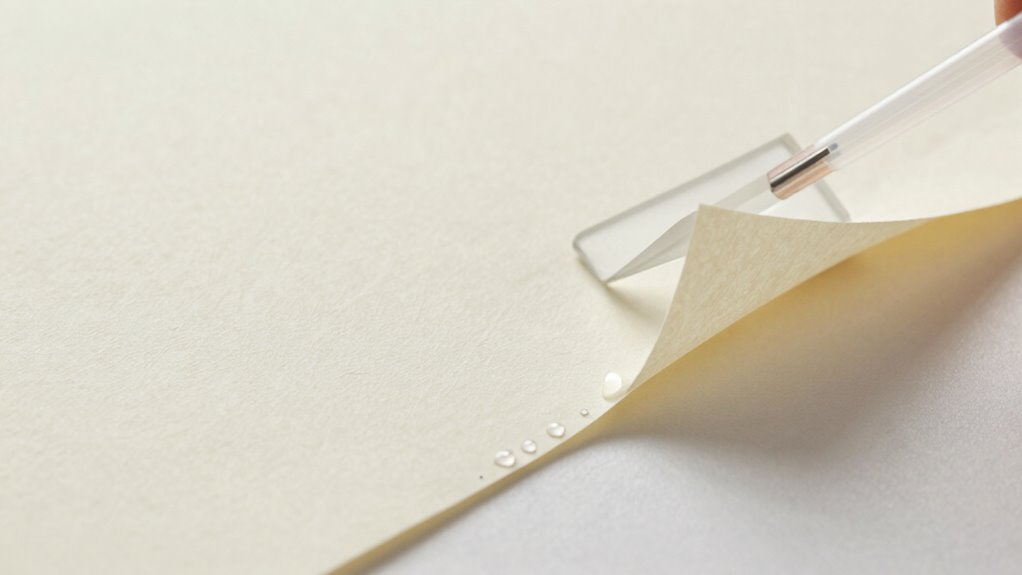
To prevent curling, you should also pay attention to how you apply the adhesive. Spread it evenly and sparingly, avoiding thick layers that can cause uneven drying or warping. Use a small brush, roller, or applicator to ensure a thin, uniform coat. Once the adhesive is applied, press the paper down gently but firmly to ensure good contact without forcing it, which can cause creases or curls. If you notice curling during or after adhesion, place a clean sheet of parchment paper over the top and apply gentle pressure with a flat weight or a heavy book. Let it sit for a few hours or overnight to allow the adhesive to set fully, which helps the paper lie flat. Ensuring consistent pressure during the drying process aids in preventing any unintended warping. Additionally, working in a well-ventilated space can help speed up drying and reduce moisture buildup.
Finally, consider environmental factors such as humidity and temperature. Excess moisture in the air can cause paper to expand and curl, especially if the paper or adhesive is sensitive to humidity. Store your papers in a cool, dry place before working on them. During the adhesion process, working in a controlled environment minimizes the risk of curling. By paying attention to paper texture, choosing appropriate adhesive types, applying them carefully, and controlling environmental conditions, you can keep your delicate paper flat and ensure your project looks polished and professional.
As an affiliate, we earn on qualifying purchases.
Frequently Asked Questions
Can Different Types of Adhesive Cause More Curling?
Different adhesive types can indeed cause more curling if they’re too wet, too thick, or not designed for delicate paper. For ideal curling prevention, choose light, acid-free adhesives like glue sticks or adhesive tapes. Avoid heavy or overly moist glues, which can soak into the paper and cause warping. Testing small amounts first helps guarantee your adhesive won’t damage or curl your delicate paper, keeping it smooth and flat.
How Long Should I Wait Before Handling the Paper?
You should wait at least 15-30 minutes before handling your delicate paper. Imagine your paper as a shy cat, trembling under the weight of adhesive, enthusiastic to curl up in a cozy corner. Thinner paper needs less time, while thicker paper takes longer to settle. Make sure your adhesive’s consistency isn’t too runny or thick; a perfect balance helps prevent curling, letting your paper stay flat and fabulous.
Does the Paper Type Affect Curling Prevention?
Yes, the paper type definitely affects curling prevention. Higher-quality paper with a smoother surface resists curling better, especially if it’s thicker or more rigid. Make certain the adhesive you choose is compatible with your paper, as incompatible adhesives can cause warping or curling. Using the right paper quality and adhesive ensures a flatter, more stable finish, reducing the chances of curling after applying adhesive.
Are There Specific Tools Recommended for Pressing Paper?
Did you know that using the right tools can reduce curling by up to 50%? For delicate paper, lightweight pressing tools like a bone folder or a clean, smooth roller work best. Apply gentle, even pressure with pressing techniques that avoid excessive force. You can also use wax paper or silicone sheets between the paper and pressing tools to prevent damage. These methods help keep your paper flat and smooth.
How Does Humidity Impact Curling After Applying Adhesive?
Humidity effects can cause delicate paper to curl after applying adhesive because moisture influences how the adhesive reacts. High humidity levels make the adhesive more fluid, increasing the chance of warping or curling as it dries unevenly. Conversely, low humidity helps the adhesive set smoothly, reducing curling. To prevent this, work in a controlled environment with stable humidity, and allow ample drying time to minimize adverse humidity effects on your delicate paper.
Conclusion
To keep your delicate paper from curling after applying adhesive, handle it gently and press it flat with a clean roller or weight. Think of it like tucking a fragile flower into place—gentle but firm. Allow it to dry completely before moving it, and consider using a lightweight spray sealant for extra smoothness. With patience and care, your paper will stay flat and pristine, just like a calm lake reflecting a clear sky.
Halloween Picks
halloween
As an affiliate, we earn on qualifying purchases.