
To prevent transfer tape problems like wrinkles, tearing, and lift-off failures, start by choosing the right tape for your project and surface. Thoroughly clean and dry your surface before application, and handle the tape carefully to avoid damage. Use a squeegee to smooth out bubbles and align your design slowly. Proper storage and technique are key, and mastering these tips will help you achieve flawless transfers every time—keep going to learn all the essential details.
Key Takeaways
- Ensure surfaces are thoroughly cleaned and free of dust, dirt, and residue before applying transfer tape.
- Choose the correct transfer tape with adhesive strength appropriate for your vinyl and surface type.
- Apply tape smoothly using a squeegee or credit card to eliminate bubbles and wrinkles during transfer.
- Peel the transfer tape at a 45-degree angle slowly to prevent tearing or lift-off failures.
- Store and handle transfer tape properly in a cool, dry environment to maintain adhesive quality and prevent tearing.

PreAsion Etching Press Machine Etching Printing Press Printmaking Letterpress Machine Printmaking Rubbing Machine Plaster Wood Paper Slab Roller Size: 28 * 10cm (11 * 3.9 ")
The size is moderate, with 4 anti slip feet that can be placed on the table and the...
As an affiliate, we earn on qualifying purchases.
What Is Transfer Tape and Why Is It Important?
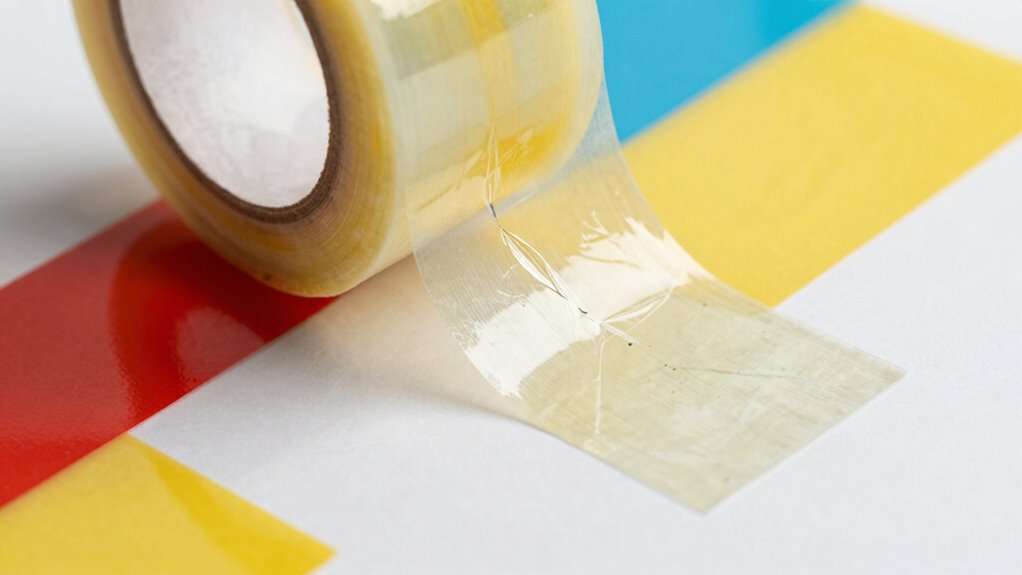
Have you ever wondered how intricate vinyl designs transfer smoothly onto surfaces? That’s where transfer tape comes in. It’s a specially designed adhesive film that holds your vinyl design in place during application. The key to its effectiveness lies in adhesive strength—if it’s too weak, the vinyl won’t stick properly; if it’s too strong, removal becomes difficult. Material compatibility is also vital; not all transfer tapes work well with every type of vinyl or surface. Using the right transfer tape ensures your design stays intact and applies evenly without bubbles or wrinkles. Without it, you risk lifting, tearing, or uneven application. In short, transfer tape is indispensable for achieving professional-looking results, making your project smoother, cleaner, and more precise.

Brother XR9550 Sewing and Quilting Machine, Computerized, 165 Built-in Stitches, LCD Display, Wide Table, 8 Included Presser Feet, White
165 unique built-in stitches: The Brother XR9550 computerized machine includes 110 built-in utility, decorative and heirloom stitches including...
As an affiliate, we earn on qualifying purchases.
How Do You Choose the Right Transfer Tape for Your Project?
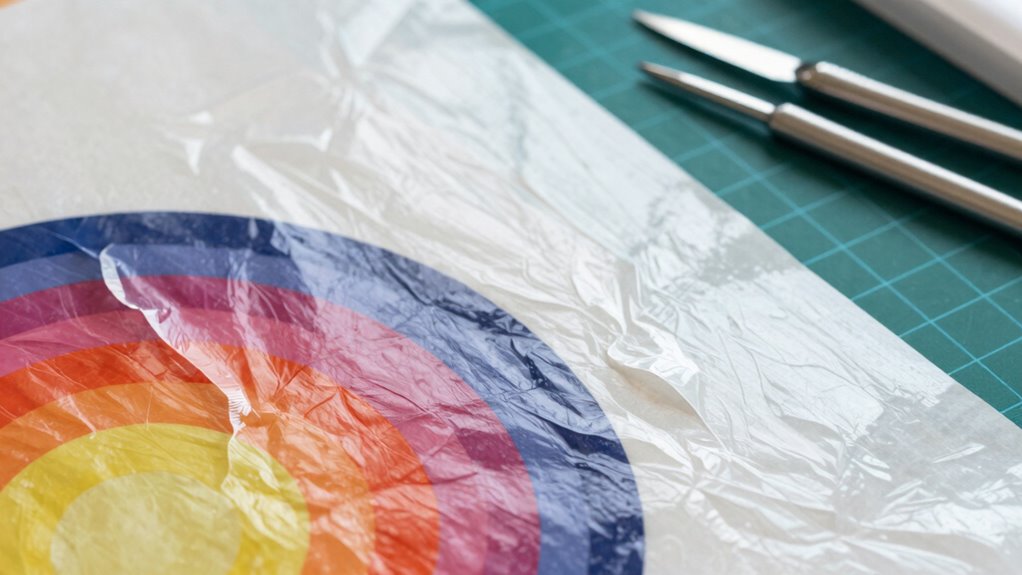
Choosing the right transfer tape depends on your specific project needs, including the type of vinyl you’re using and the surface you’re applying it to. To guarantee success, consider these key factors:
- Adhesive strength: Pick a tape with the right grip—strong enough to hold but easy to peel without tearing.
- Material compatibility: Match the tape’s material to your vinyl and surface to prevent lifting or damage.
- Surface type: Smooth surfaces may need less aggressive tape, while textured surfaces might require a stronger adhesive.
- Color accuracy: Ensure that the transfer tape does not alter the appearance of your design, especially for detailed or color-sensitive projects. Color accuracy is crucial for achieving professional results.
- Environmental conditions: Consider the sustainability of the transfer tape, especially if your project requires eco-friendly materials or exposure to varying temperatures and humidity.
Getting these choices right boosts your confidence and minimizes frustration. When you select the perfect transfer tape, you’re set for a smooth, professional-looking application without wrinkles or lift-off failures.

USCutter 34 inch MH 871 Vinyl Cutter Kit with Software, Free Video Training Course, Starter Signmaking Kit
Two fully adjustable pinch-rollers allow you to use a flexible range of materials.
As an affiliate, we earn on qualifying purchases.
How to Apply Transfer Tape Correctly for Flawless Results
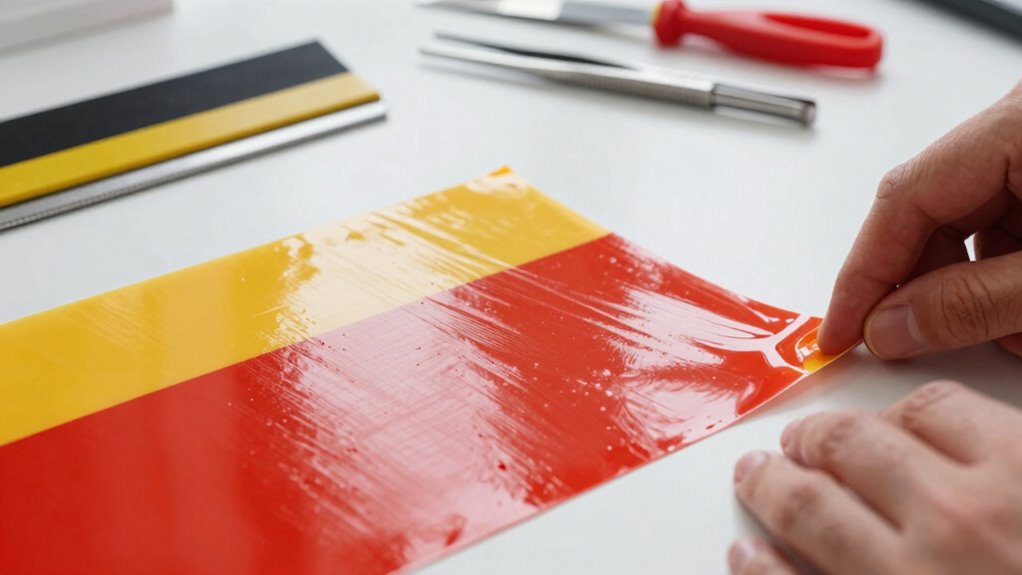
To achieve flawless results when applying transfer tape, it’s vital to prepare your surface and work in a clean, dust-free environment. Many transfer tape myths suggest rushing the process, but careful application techniques make all the difference. First, peel the tape at a 45-degree angle to prevent stretching. Use a squeegee or credit card to smooth out bubbles and wrinkles. Avoid direct sunlight, which can cause premature lifting. Here’s a quick guide to help you:
| Step | Tip | Common Mistake |
|---|---|---|
| Surface prep | Clean thoroughly with alcohol | Applying on dusty surfaces |
| Peeling tape | Use a 45-degree angle | Pulling straight up |
| Smoothing | Apply firm pressure | Not pressing enough |
| Positioning | Align carefully before sticking | Rushing the placement |
| Final check | Remove slowly, smooth edges | Ripping or lifting tape |
Master these application techniques for perfect results. Proper navigation and mapping techniques can also help ensure you place the tape accurately and avoid misalignment. Additionally, understanding how to prepare surfaces properly can greatly reduce issues like wrinkles or lift-off failures. Taking the time to check the temperature can also influence how well the transfer tape adheres and performs. Furthermore, paying attention to humidity levels can help prevent issues caused by moisture during application.

VEVOR Vinyl Cutter 34 Inch Bundle, Vinyl Cutter Machine Manual Vinyl Plotter Cutter with Signmaster Software for Design and Cut, with Supplies and Tools
Cutting Capacity: With maximum paper feed of 870mm (34.3"), maximum cutting width of 780mm (30.7"), cutting precision of...
As an affiliate, we earn on qualifying purchases.
What Are Common Transfer Tape Problems and How Can You Fix Them?
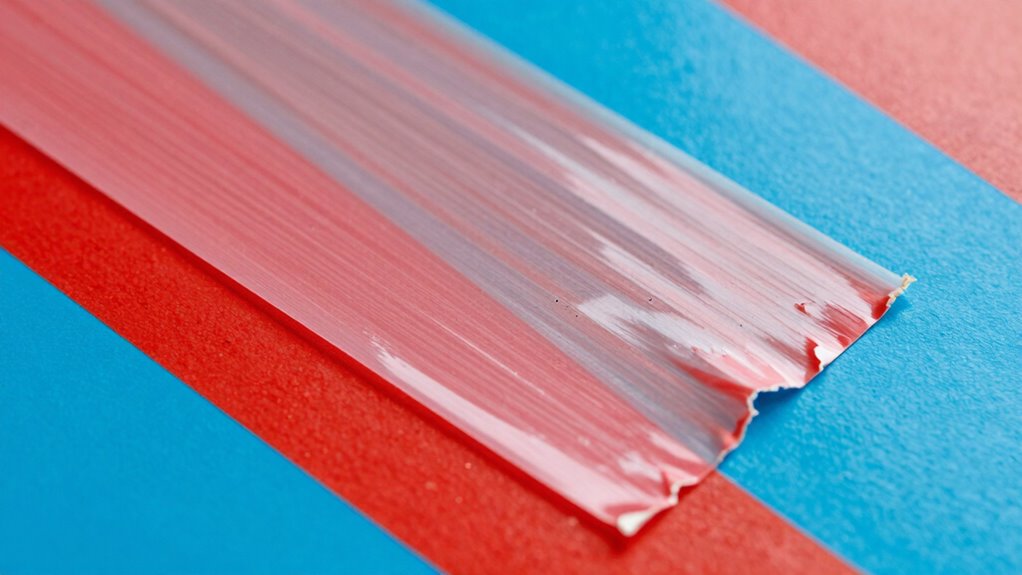
Are you struggling with transfer tape issues that ruin your project? You’re not alone. Many believe transfer tape myths that lead to frustration and mistakes. Common problems include:
- Wrinkles or bubbles, which make your design look uneven and unprofessional.
- Tearing during removal, causing parts of your design to lift off.
- Lift-off failures due to adhesive confusion, leaving your design stuck to the backing instead of the surface.
These issues often stem from misunderstandings about transfer tape’s purpose and adhesive strength. Don’t let myths trick you into using the wrong tape or applying it incorrectly. Proper selection and technique can eliminate these problems, ensuring a smooth, flawless transfer every time. Recognizing these common issues is the first step to fixing them and achieving perfect results. Understanding trusted business resources can also help you find quality supplies and expert advice to improve your transfer projects. Additionally, learning about adhesive properties can help you choose the most suitable transfer tape for your specific application. Knowing the right application techniques can further improve your success rate and prevent common errors. Being aware of transfer tape characteristics helps you select the best type for your surface and design, reducing the chance of issues. Incorporating proper surface preparation can also significantly improve adhesion and transfer quality.
Tips for Troubleshooting Wrinkles, Tearing, and Lift-Off Issues
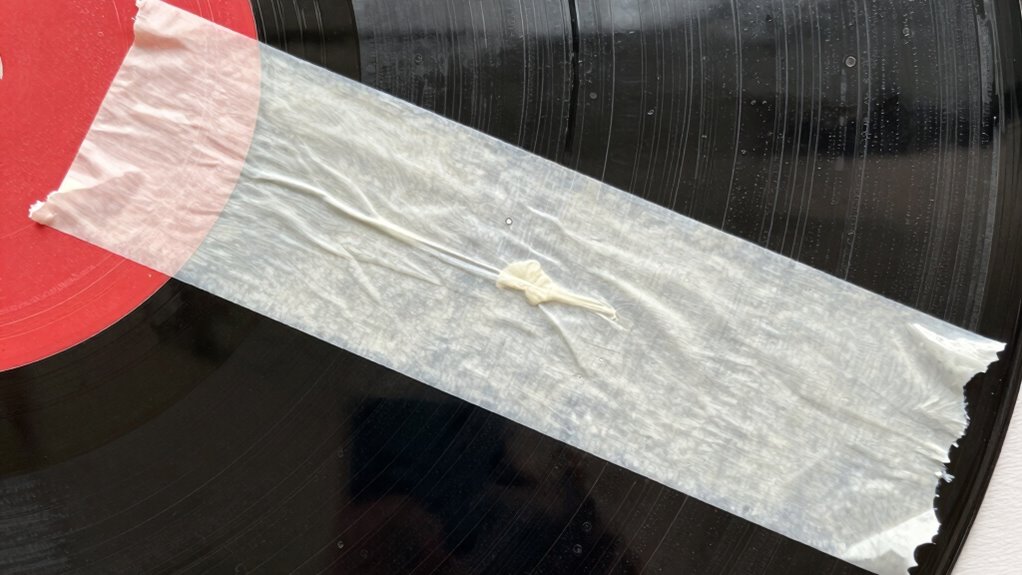
When you encounter wrinkles, tearing, or lift-off problems with your transfer tape, it’s often due to improper application or handling. To troubleshoot, start by checking the adhesive strength; if it’s too weak, the tape won’t stick properly, causing lift-off. Verify your application technique is correct—apply the tape smoothly without stretching or pulling, which can cause wrinkles. Use a squeegee or a flat tool to press down firmly, especially around edges. If tearing happens, it might be because you’re applying too much tension or using a tape with inadequate adhesive strength. Adjust your handling to avoid pulling too hard, and choose a transfer tape with suitable adhesive strength for your project. These steps help create a smooth, secure transfer every time.
How to Maintain Transfer Tape for Best Performance
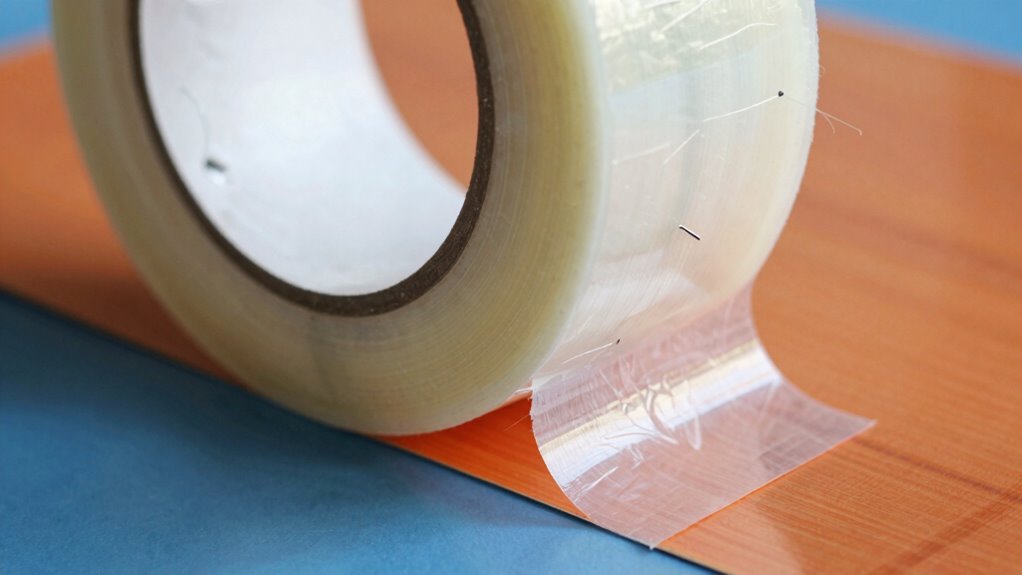
To keep your transfer tape working its best, you need to clean it regularly to remove residue. Proper storage when not in use prevents dirt and dust from affecting adhesion. Taking these simple steps can extend the life of your transfer tape and improve your results. Additionally, understanding simple organizing systems can help you establish consistent routines for maintaining your tools and materials. Incorporating smart home automation can also remind you to perform routine maintenance, ensuring your tools stay in optimal condition. Utilizing effective maintenance routines can further enhance the longevity and performance of your transfer tape. Regularly inspecting your tools and practicing sound organizational habits can help prevent common issues like wrinkles, tearing, and lift-off failures. Moreover, familiarizing yourself with essential oil properties can provide additional tips for maintaining your workspace environment.
Regularly Clean Transfer Tape
Regularly cleaning your transfer tape is essential to maintain its adhesive quality and guarantee smooth, accurate transfers. When you keep it clean, you ensure consistent adhesive performance and ideal surface preparation. To achieve this, focus on these key steps:
- Gently peel off any debris or residue that can dull adhesive consistency.
- Use a soft cloth or wipe to remove dust, dirt, or old adhesive, preventing transfer failures.
- Store your tape in a clean, dust-free environment to avoid contamination that hampers surface preparation.
- Incorporate proper storage techniques to extend the lifespan and ensure optimal performance of your transfer tape. Proper storage can also prevent adhesive degradation, ensuring your tape remains effective over time.
Store Properly When Not Used
Proper storage is crucial for maintaining your transfer tape’s adhesive quality and ensuring it performs well over time. To keep your tape in top condition, follow simple storage tips and proper handling practices. Store the tape in a cool, dry place away from direct sunlight and extreme temperatures. Keep the roll upright to prevent deformation. Seal the packaging tightly after use to prevent dust and debris from contaminating the adhesive. Use the table below as a quick reference:
| Storage Tip | Proper Handling | Ideal Environment |
|---|---|---|
| Keep upright | Avoid bending or crushing | Cool, dry, away from sunlight |
| Seal tightly | Handle with clean hands | Temperature between 60-75°F |
| Store in original packaging | Do not expose to moisture | No direct heat sources |
Additionally, understanding adhesive chemistry can help you select the best storage conditions for different types of transfer tapes. Applying these storage tips will extend your transfer tape’s lifespan and performance.
Frequently Asked Questions
Can Transfer Tape Be Reused After Application?
Yes, you can reuse transfer tape if it has good tape durability and remains sticky. Carefully remove the reusable transfer tape from your project, making sure it doesn’t tear or lose adhesion. Store it properly to maintain its stickiness. Keep in mind, however, that reusing transfer tape may reduce its effectiveness over time, so assess its condition before each reuse to ensure it still provides a strong, reliable transfer.
What Environmental Factors Affect Transfer Tape Performance?
Think of transfer tape as a delicate dance partner, requiring perfect conditions to perform smoothly. Humidity issues and temperature effects can throw it off balance, causing wrinkles or lifting. High humidity makes the adhesive less sticky, while extreme heat or cold can alter its tackiness, leading to poor transfer results. To guarantee ideal performance, keep your workspace controlled, avoiding sudden temperature changes and damp environments.
How Long Can Transfer Tape Be Stored Before Use?
You can typically store transfer tape for up to one year before use, depending on storage conditions. To maximize shelf life, keep it in a cool, dry place away from direct sunlight and extreme temperatures. Proper storage prevents wrinkles, tearing, and lift-off failures. Always check the manufacturer’s recommended storage duration and guidelines to make sure your transfer tape remains effective and easy to work with when you’re ready to use it.
Are There Specific Transfer Tapes for Different Materials?
Using the right transfer tape is like finding a perfect puzzle piece; it fits your project seamlessly. Yes, there are specific transfer tapes designed for different materials, considering material compatibility and adhesive strength. For delicate surfaces like vinyl or paper, choose tapes with gentle adhesive, while tougher materials need stronger adhesives. Picking the correct transfer tape guarantees smooth application, prevents wrinkles, tearing, and lift-off failures.
How Do I Remove Transfer Tape Without Damaging the Design?
To remove transfer tape without damaging your design, gently peel back the tape at a sharp angle, keeping it close to the surface. Use slow, steady tape removal techniques to minimize stress on the design adhesion. If you encounter resistance, try warming the tape slightly with a heat gun or hairdryer. This helps loosen the tape and guarantees you preserve your design’s integrity during removal.
Conclusion
By mastering transfer tape techniques, you can turn what once felt like an impossible task into a breeze. Avoid wrinkles, tears, and lift-off failures, and you’ll achieve flawless results every time—saving you from endless frustrations. With practice and the right tips, you’ll become a transfer tape pro, making your projects look professional enough to impress even the most critical eye. Don’t let transfer tape problems hold you back—conquer them and elevate your craft to legendary status!