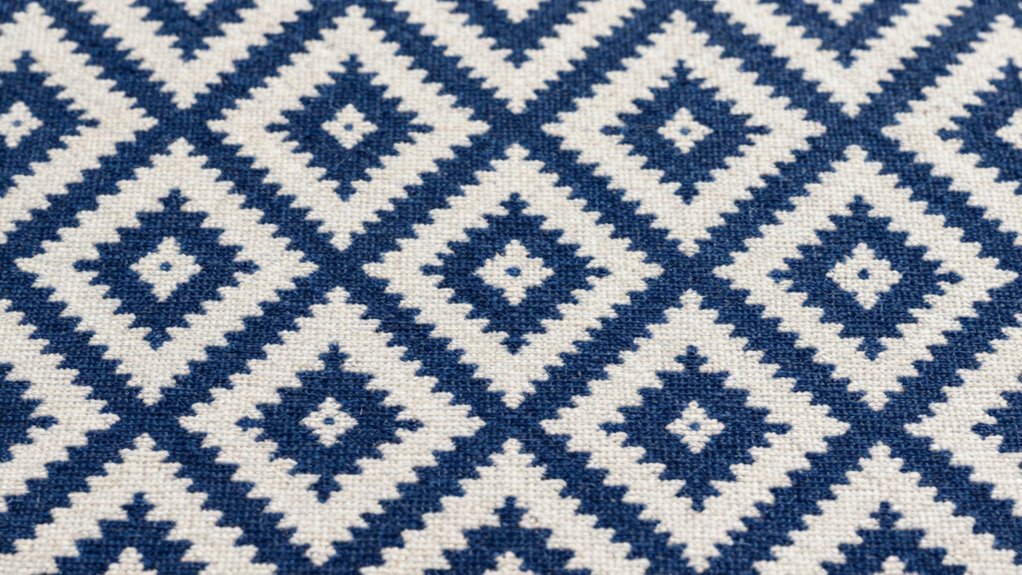

To make your handmade designs feel intentional, focus on using repetition to create rhythm and unity. Choose a cohesive color palette to establish harmony, and repeat shapes or motifs at varying sizes or orientations for visual interest. Balance consistency with surprises by mixing pattern contrast, and strategically place elements to guide the viewer’s eye. Crafting these deliberate repetitions will help your designs feel purposeful and lively—keep exploring how these principles can elevate your work.

Get business pricing on tools and workshop supplies
- Business-only prices and quantity discounts
- Tax-exempt purchasing
- Multiple users, one account, clear invoices
Key Takeaways
- Use a cohesive color palette and repeat hues to create unity and reinforce deliberate design choices.
- Vary motif size, orientation, or texture to introduce pattern contrast, maintaining visual interest.
- Layer and overlap elements strategically to add depth while preserving overall harmony.
- Incorporate both uniform and irregular spacing to guide the viewer’s eye and establish rhythm.
- Break or emphasize patterns intentionally to highlight focal points and communicate purpose.
Have you ever wondered how repetitive patterns can add harmony and rhythm to handmade designs? Repetition isn’t just about filling space; it’s a powerful tool to create visual cohesion and intentionality. When you master the use of repetition, your designs feel more polished and purposeful, inviting viewers to appreciate the deliberate choices behind each element. One of the core principles that guides effective repetition is color harmony. When you choose a cohesive color palette and repeat those hues throughout your design, it grounds the piece and establishes a sense of unity. For example, selecting a limited color scheme—say, shades of blue and neutral tones—and repeating these colors in different parts of your design creates a harmonious flow. It makes the design feel intentional because every element feels connected, not random. Incorporating visual rhythm through repetition can also enhance the overall aesthetic by establishing a predictable yet engaging pattern that guides the viewer’s eye naturally across your work.
Repetition with a cohesive color palette creates harmony and intentionality in handmade designs.
At the same time, understanding pattern contrast is essential. While repetition brings unity, pattern contrast introduces visual interest. You don’t want every element to look the same, which could make your design monotonous. Instead, you can repeat certain motifs or shapes but vary their size, orientation, or texture. This contrast keeps the eye moving and prevents predictability. For instance, repeating a simple geometric shape in different scales creates a rhythm that’s engaging without overwhelming. When combined with color harmony, pattern contrast helps you strike a balance between consistency and surprise—making your handmade design feel thoughtfully curated rather than haphazard. Additionally, paying attention to design principles like contrast and balance can further elevate your work by ensuring each element complements the others. Incorporating repetition techniques such as layering or overlapping can also add depth and complexity, making your patterns more dynamic. Recognizing how visual hierarchy influences the viewer’s focus can help you strategically place repeated elements for maximum impact.
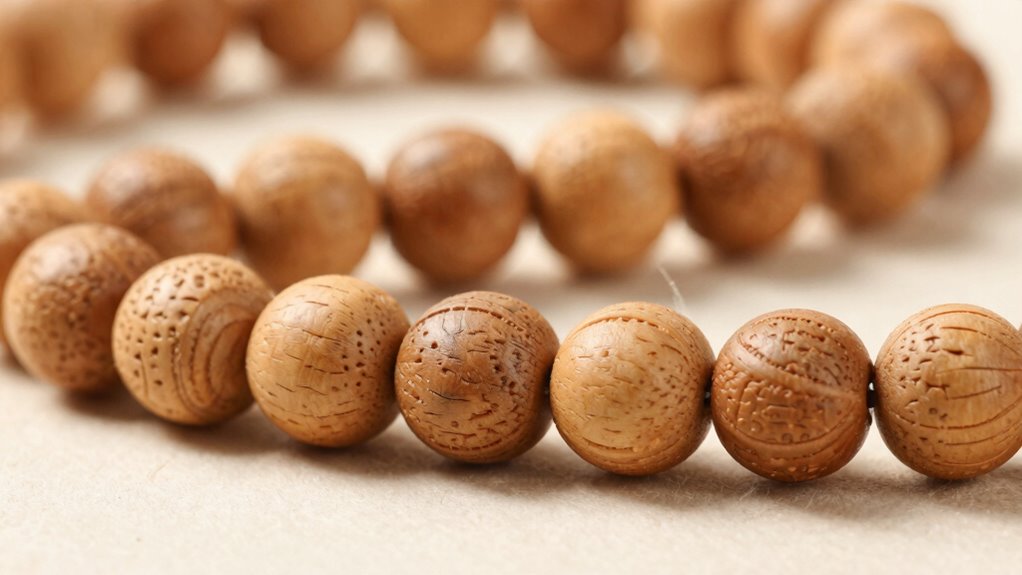
To make repetition feel intentional, consider how you space your repeated elements. Uniform spacing can lend a sense of order, while irregular spacing might evoke more dynamic movement. Think about rhythm—just like in music, where patterns alternate to produce a beat—your repetition can establish a visual tempo. Use repetition strategically to highlight focal points or guide the viewer’s eye across your piece. For example, repeating a specific motif at regular intervals can serve as visual anchors, emphasizing key areas. Meanwhile, breaking the pattern intentionally in certain spots can create emphasis and add variety without losing the overall cohesion.
Ultimately, repetition in handmade designs is about balance. When you carefully select your color palette for harmony and incorporate pattern contrast, your work transforms from seemingly random to deliberately crafted. Every repeated element becomes part of a visual language that communicates your intention. With practice, you’ll understand how to use repetition to craft designs that feel both cohesive and lively—an expression of your personal style that’s unmistakably deliberate.
As an affiliate, we earn on qualifying purchases.
Frequently Asked Questions
Can Repetition Make a Design Look Too Busy or Overwhelming?
Repetition can make a design look too busy or overwhelming if you’re not careful. To avoid this, focus on maintaining color harmony so the repeated elements complement each other, creating a cohesive look. Incorporate texture contrast to add visual interest without cluttering the design. Balance is key—repeat thoughtfully, and you’ll keep your handmade piece intentional and visually appealing, rather than chaotic or overwhelming.
How Do I Choose the Right Elements to Repeat?
Did you know that designs with balanced repetition are 60% more visually appealing? To choose the right elements to repeat, focus on pattern consistency and color harmony. Pick elements that complement each other and reinforce your theme, ensuring they don’t compete for attention. Repeating key motifs or colors creates rhythm and cohesion, guiding the viewer’s eye smoothly across your design. Keep your repetitions intentional to make your handmade work feel cohesive and polished.
Does Repetition Work for All Types of Handmade Crafts?
Repetition works well for many handmade crafts, especially when aiming for craft symmetry and pattern consistency. It creates a sense of harmony and intentionality in your designs. While some crafts, like abstract art or freeform jewelry, may benefit less from repetition, most textile, pottery, and paper crafts leverage it to enhance visual appeal. Experiment with repetition to see how it reinforces your style and brings cohesion to your handmade projects.
How Can I Vary Repetition to Keep Designs Interesting?
Did you know that designs with varied repetition are 60% more engaging? To keep your handmade crafts interesting, experiment with color harmony and texture variation. Change up the size, shape, or placement of repeated elements, and incorporate contrasting textures or colors. This approach prevents monotony while maintaining a cohesive look, ensuring your designs remain eye-catching and intentional, even with repeated patterns.
What Tools Can Help Me Plan Repetitive Patterns?
You can use design tools like pattern inspiration websites, such as Pinterest or Behance, to discover new ideas. Sketching apps like Procreate or Adobe Fresco help you plan your repetitive patterns, allowing you to experiment with color coordination easily. These tools enable you to visualize how different patterns work together, ensuring your repetitive designs feel intentional. They also help you refine your pattern variations to keep your work engaging and cohesive.
Conclusion
By embracing repetition, you naturally create cohesive and intentional handmade designs that resonate with your audience. Sometimes, it feels like the perfect pattern or motif appears just when you need it—almost like a coincidence guiding your creative journey. Trust these moments, and let repetition be your secret ingredient. When your designs feel deliberate and balanced, you’ll notice how beautifully everything aligns—proving that sometimes, the most thoughtful details happen when you least expect them.
Fall Picks
fall essentials
As an affiliate, we earn on qualifying purchases.