
TL;DR
The demo scene is experiencing evolving user interface designs that impact how creators showcase their work. This report examines confirmed trends, ongoing discussions, and future directions.
The demo scene community is currently witnessing notable changes in user interface design strategies used to present digital art and audiovisual works. These developments matter because they influence how audiences engage with demos and how creators communicate their technical and artistic skills. While specific design trends are emerging, the full impact and future directions are still being debated within the community.
Recent online discussions and demonstrations indicate a shift toward more interactive and accessible user interfaces in demo productions. Several prominent demo groups have highlighted new interface concepts during recent events, emphasizing ease of navigation and visual clarity. These changes aim to improve viewer engagement and broaden accessibility for new audiences.
According to community members, the focus has been on integrating customizable UI elements and streamlined navigation tools that complement the artistic content. Some demos now feature minimal overlays, allowing viewers to focus on the visual and auditory experience without distraction. Developers and artists are experimenting with responsive designs that adapt to different display environments, including VR and mobile devices.
However, these innovations are still in the early stages, and there is ongoing debate about maintaining the balance between artistic expression and usability. Some community voices express concern that overly simplistic interfaces might diminish the technical showcase aspect of demos, while others argue that accessibility should be a priority to attract broader audiences.
Why UI Changes in the Demo Scene Impact Digital Art Presentation
The evolving user interfaces in the demo scene are significant because they influence how digital art is experienced and understood. Improved UI designs can make demos more approachable for newcomers, potentially expanding the community and increasing public interest in demo coding and digital creativity. Conversely, debates about balancing artistic complexity with usability reflect broader issues about preserving the technical mastery that has historically defined the scene.
These developments could also set trends for other digital art forms, including virtual reality experiences and interactive installations, where user interface design is critical. The community’s choices now will shape the future of how digital art is presented and consumed across platforms.
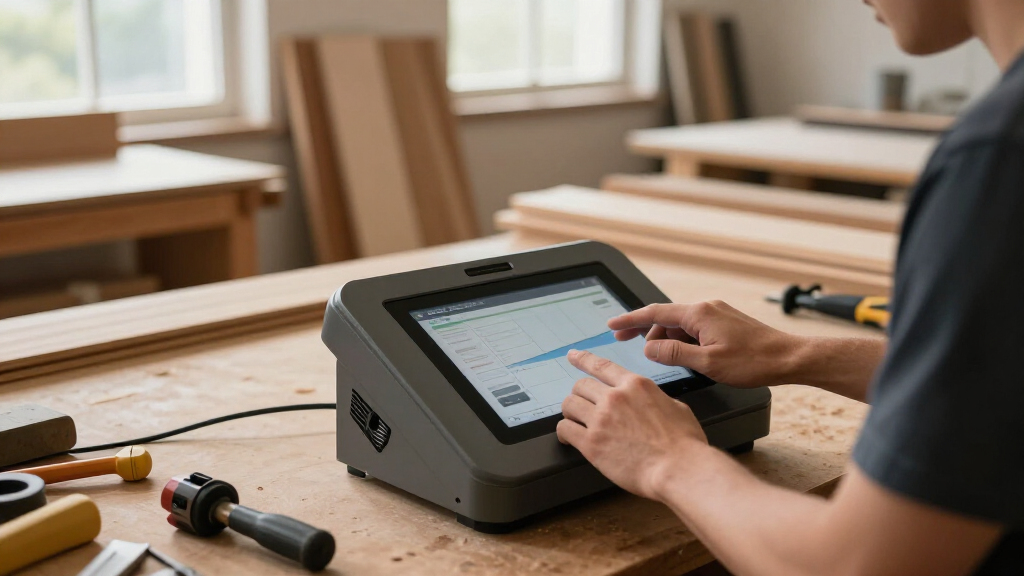
interactive user interface design tools
As an affiliate, we earn on qualifying purchases.
As an affiliate, we earn on qualifying purchases.
Recent Trends and Discussions Shaping Demo Scene Interfaces
The demo scene has long been characterized by technical innovation and artistic experimentation, often showcased through complex visual effects synchronized with music. Traditionally, presentation relied on minimal UI overlays, emphasizing the technical prowess of coders and artists.
Over the past year, prominent demo groups such as G*P and Conspiracy have showcased demos featuring more user-friendly interfaces, including menus, interactive controls, and adaptive layouts. These changes align with broader industry trends toward accessibility and user-centered design but are relatively new within the scene’s context.
Some community members see these shifts as a response to the increasing popularity of live streaming and social media, which demand more engaging and easily digestible presentations. Others caution that simplifying interfaces might risk diluting the technical showcase aspect that has historically defined the scene.
“We’re experimenting with UI that invites more people to experience our work without feeling overwhelmed by technical details.”
— Alex Johnson, demo coder
Unclear How UI Innovations Will Influence Future Demos
It is not yet clear how widespread these new UI approaches will become across the entire demo scene. While some groups have adopted more interactive and accessible interfaces, others remain committed to traditional minimal overlays that emphasize technical mastery. The long-term impact on the scene’s artistic and technical identity is still uncertain.
Additionally, questions remain about whether these UI changes will influence the development of new tools or alter community standards for demo presentation. The community is actively discussing these issues, but consensus has yet to be reached.
Next Steps for UI Development and Community Adoption
Community members and demo groups are expected to continue experimenting with UI designs, with upcoming demo releases potentially showcasing new interface concepts. Industry events and online forums will serve as platforms for debating best practices and sharing innovations. Researchers and analysts will likely monitor these trends to assess their influence on the scene’s artistic and technical evolution.
Further, developers of demo tools and frameworks may introduce features aimed at simplifying UI customization, facilitating broader adoption of new interface paradigms. The scene’s leaders will need to decide how to balance accessibility with the preservation of technical complexity in future productions.
Key Questions
Why are user interfaces important in the demo scene?
User interfaces shape how audiences experience demos, affecting accessibility, engagement, and the presentation of technical and artistic content.
Are traditional minimal interfaces disappearing from the demo scene?
Many groups are experimenting with more interactive and accessible UIs, but traditional minimal overlays still remain common among purists and technical showcases.
Will these UI changes make demos more popular?
If successful, more user-friendly interfaces could attract new audiences and broaden the scene’s reach, but the impact remains to be seen.
What are the risks of overly simplified interfaces?
They might diminish the technical challenge and artistic complexity that have historically defined the scene, potentially impacting its identity.
How can the community ensure a balance between usability and artistic expression?
Through ongoing discussion, experimentation, and setting community standards that respect both accessibility and technical mastery.
Source: hn