
The quiet reason some projects feel cheap before they’re finished is often due to visual cues and small details that send the wrong perception. If finishes, hardware, or textures look inexpensive or poorly thought out, viewers assume the overall quality is low, even if you’ve invested effort. You can influence how your project is perceived by carefully managing these visual elements and details. Keep going to discover how adjusting these cues can elevate your project’s perceived value.
Key Takeaways
- Visual cues like finishes and hardware influence perceived quality, often making projects seem cheap regardless of actual investment.
- Poor material presentation, lighting, and contrast can diminish perceived value before completion.
- Small details and finishing touches can significantly elevate a project’s perceived quality with minimal cost.
- Inconsistent or inexpensive-looking materials create subconscious impressions of corner-cutting or low effort.
- Managing visual perception through strategic design choices helps projects appear more valuable early on.
Sometimes, a project feels cheap long before it’s even complete, and that’s often because of a subtle but powerful factor: the perception of quality. When you look at your work, you might notice that certain details make it seem less valuable or well-crafted, even if the actual effort and resources are on par with similar projects. This perception hinges heavily on how people interpret cost perception and material quality. If your materials seem flimsy or poorly chosen, the entire project can come across as low-end, regardless of the skill behind it.
Cost perception plays a major role here. Even if you’ve invested a fair amount, if the visual cues suggest otherwise, people will judge the project as inexpensive. For example, opting for inexpensive finishes or standard-grade hardware may save money, but it can also send the message that you cut corners. When viewers see these choices, they subconsciously associate them with lower value, making the project feel less refined and, ultimately, budget-friendly. It’s not solely about spending more; it’s about aligning what you spend with what the project communicates visually and tactilely. Recognizing how visual cues influence perception can help you strategically elevate your work without significantly increasing costs.
Visual cues can make a project seem inexpensive, regardless of the actual investment.
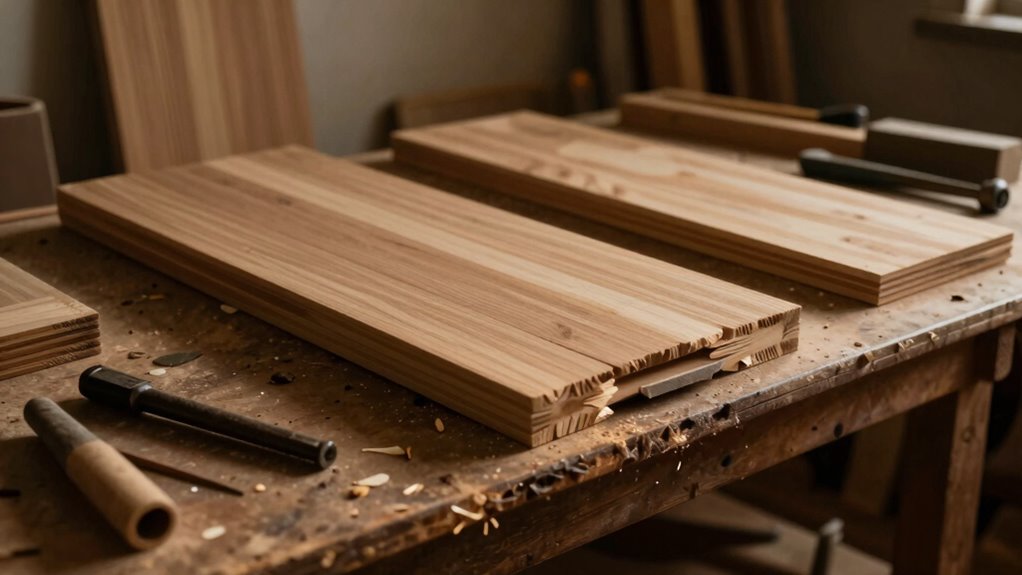
Material quality is equally vital. You might think that selecting affordable but decent materials is enough, but if those materials look or feel subpar, the entire project suffers. Low-quality materials, even if used correctly, often lack the durability or aesthetic appeal of higher-grade options. When your audience or clients touch or glance at your work, they pick up on these subtle cues. They notice the dull finish of a poorly sealed surface or the flimsy feel of thin, cheap-looking hardware. These details, often overlooked, contribute profoundly to the overall perception of value. Additionally, understanding how visual cues influence perception can help you strategically elevate your work without significantly increasing costs. Recognizing the importance of material presentation can further enhance perceived quality. Furthermore, paying attention to small details can greatly influence how your project is perceived, making it appear more polished and intentional. Small improvements, like better lighting or thoughtful contrasts, can also enhance perceived material quality and overall refinement.
As you design or build, it’s essential to contemplate how material choices and the way you present them influence perception. Sometimes, a small upgrade—like choosing a slightly better finish or thicker hardware—can drastically improve how your project is viewed. It’s about creating a sense of quality through visual cues, textures, and durability, even if your budget isn’t massive. The key is to guarantee that every element communicates care and purpose, so viewers don’t judge your work as inexpensive before they even see the finished product.
Ultimately, understanding how perception works allows you to manipulate it intentionally. By carefully selecting materials and managing cost perception, you make sure your project looks and feels worth its value—long before it’s even finished.

homdiy 15 Pack Brushed Nickel Cabinet Pulls 3 Inch Handles Stainless Steel Cabinet Hardware for Kitchen and Bathroom Cabinets, 5 Inch Overall Drawer Pull
- Handle Length: 3 inch center to center, 5 inch overall
- Material: High-quality stainless steel with brushed nickel finish
- Design: Simple, classic, rounded arc for safety
As an affiliate, we earn on qualifying purchases.
As an affiliate, we earn on qualifying purchases.
Frequently Asked Questions
How Does Initial Design Influence Perceived Project Quality?
Your initial design sets the tone for perceived project quality by emphasizing visual consistency and material quality. When these elements are thoughtfully planned, they create a cohesive look that signals craftsmanship and attention to detail. Conversely, inconsistent visuals or low-quality materials can make your project seem cheap early on, even if the final result is solid. By focusing on these aspects from the start, you enhance the overall impression and value.
What Role Does Project Branding Play in Perceived Value?
You can boost perceived value by focusing on project branding, especially through consistent brand identity and visual identity. When your branding is cohesive, it builds trust and signals quality, making your project feel more professional and valuable. Maintaining brand consistency across all elements reassures your audience that you care about detail, while a strong visual identity creates a memorable impression, elevating your project’s overall perception even before completion.
Can Budget Constraints Affect Final Project Perception?
Budget constraints can cast a shadow over your project, making it feel less polished before completion. When cost overruns clash with client expectations, the project’s glow dims, leaving an impression of cheapness. You might find that financial limits force compromises, and these compromises whisper doubts about quality. To keep perceptions high, you need to manage expectations and communicate openly, ensuring the final product shines, regardless of budget hurdles.
How Does Team Experience Impact Project Presentation?
Your team’s experience directly influences project presentation through strong team cohesion and effective leadership dynamics. When your team is experienced, they collaborate seamlessly, communicate clearly, and showcase confidence, making the project feel polished and professional. Leadership guides these dynamics, fostering trust and motivation. As a result, your project appears well-organized and credible, reducing the perception of cheapness, even if budget constraints exist. Your team’s expertise elevates the overall impression.
What Psychological Factors Influence Perceptions of Project Quality?
Like the artist’s eye, your perception bias shapes how you see a project’s quality, often influenced by aesthetic judgment. If you focus on minor flaws or lack confidence, you might perceive it as cheap, even if it’s well-crafted. Your subconscious filters colors, textures, and details, making you judge more critically or generously. Recognizing these psychological factors helps you evaluate projects more objectively, appreciating quality beyond initial impressions.
Conclusion
So next time a project seems off before it’s even done, ask yourself—are you truly investing in its potential, or just rushing to the finish line? Sometimes, the quiet reason it feels cheap isn’t about the work itself, but about the belief behind it. Will you let doubts and shortcuts define your effort, or will you embrace the patience and care that turn something ordinary into extraordinary? The choice is yours—what will you choose?