
TL;DR

Get business pricing on tools and workshop supplies
- Business-only prices and quantity discounts
- Tax-exempt purchasing
- Multiple users, one account, clear invoices
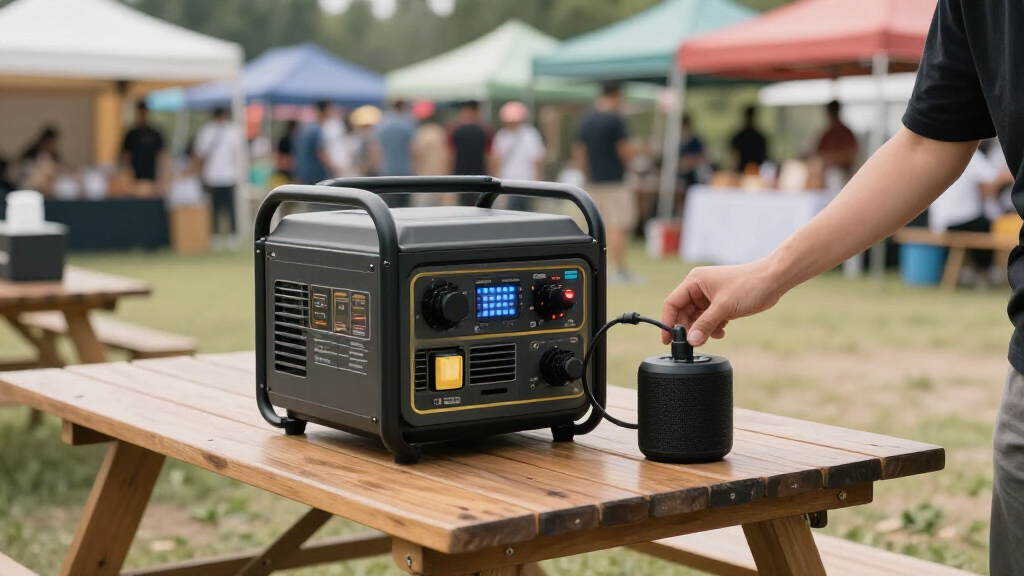
The best quiet inverter generator for market events supplies enough clean, stable power while staying under 55 dB, ensuring a peaceful atmosphere. Size it correctly for your equipment, prioritize safety, and consider fuel options for longer events.
Imagine setting up at a bustling farmers’ market, the aroma of fresh produce filling the air. Your customers are chatting, and the last thing you want is a noisy generator ruining the vibe. The best quiet inverter generator can deliver clean, stable power without drowning out conversations or scaring away neighbors.
In this guide, you’ll learn how to pick a generator that balances enough wattage for your needs, stays whisper-quiet, and is portable enough for your setup. You’ll also see what features matter most and how to keep everything safe and compliant with event rules.
Match your generator’s wattage to your equipment’s continuous and surge demands, adding at least 20% for safety.
Keep noise levels below 55 dB at 23 feet to avoid disturbing neighbors and meet event rules.
Choose a generator with clean, stable power — look for less than 3% harmonic distortion for sensitive electronics.
Prioritize portability with handles, wheels, and compact size to simplify setup and packing.
Always follow safety guidelines: outdoor placement, proper exhaust routing, and safe refueling procedures.
How to Size a Generator Perfectly for Market Equipment
Getting the right wattage isn’t about maxing out the generator’s capacity. Instead, you add up the running watts of every device you’ll run simultaneously. Then, add the largest startup surge, like a refrigerator compressor or blender motor. Finally, toss in a 20-30% buffer for safety and future needs.
For example, if your small refrigerator needs 600 watts, a tablet charger 50, and LED lights 20, you’re already at 670 watts. Add a blender at 1,200 watts and a coffee machine at 1,000 watts. The total surge might hit 2,800 watts. A 2,500-watt generator could struggle here, so aiming for a 3,000-watt model provides peace of mind.
Pro tip: Use a watt meter during setup to measure actual demands. Equipment like refrigeration compressors often draw more at startup than the label indicates, so real-world measurement beats estimates every time.
Why does this matter? Oversizing slightly ensures your generator can handle unexpected surges or additional devices, reducing the risk of overload and shutdowns. Undersizing, on the other hand, can cause stress on the generator, reduce its lifespan, and lead to unreliable power during critical moments, which can harm your reputation and sales.
Popular right now

Shark NV752 Rotator Powered Lift-Away TruePet Upright Vacuum, Bordeaux

Bose QuietComfort True Wireless Earbuds with Active Noise Cancellation, Bluetooth 5.3, USB-C Charging, IPX4, Black

LG 77-Inch OLED evo C6 4K Smart TV
As an affiliate, we earn on qualifying purchases.
Why Noise Level Matters More Than You Think
At market events, noise isn’t just a nuisance — it impacts your sales and community relations. A generator producing over 60 dB can drown out customer conversations, create a stressful environment, and even violate local noise ordinances or event rules. Inverter generators are designed to be quieter because they adjust engine speed to match demand, but understanding how noise levels truly affect your setup is key.
Choosing a model rated under 55 dB at 23 feet isn’t just about comfort; it’s about maintaining a pleasant atmosphere that encourages lingering customers and positive word-of-mouth. If your generator is too loud, it can also disturb neighboring vendors or residents, risking complaints or penalties.
For example, the Oxseryn 2800-Watts inverter operates at under 58 dB from 23 feet, which is comparable to background conversation or a quiet home environment. Proper placement—behind your stall, away from customer areas—can further reduce perceived noise, making the operation almost unnoticeable. Remember, noise ratings are tested under specific conditions, so actual experience may vary depending on load and placement. Understanding these nuances helps you choose a generator that truly minimizes disturbance and keeps everyone happy.
Clean Power: Why Sensitive Electronics Need It
Inverter generators produce stable, low-distortion electricity — usually less than 3% total harmonic distortion. This low distortion is essential because sensitive electronics like card readers, tablets, and digital scales depend on consistent power to operate correctly. Fluctuating or “dirty” power can cause errors, data corruption, or even damage to delicate devices.
For example, a vendor relying on a tablet-based payment system needs a steady, ripple-free power supply. If the generator’s power quality is poor, transactions might fail, or data could be lost, leading to frustrated customers and lost sales. High harmonic distortion can also shorten the lifespan of your electronics, increasing maintenance costs and downtime.
Look for models like the Honda EU2200ITAN or WEN 2350W, which specify low total harmonic distortion and are designed to deliver clean power. Always verify the T.H.D. rating or check for features labeled ‘clean power’ or ‘low distortion’ in the product details. Choosing a generator with high-quality output ensures your electronics remain safe, reliable, and efficient, preventing costly surprises during busy market hours.
Portability: Moving Your Power Where It’s Needed
Portability is about more than just weight; it’s about how easily you can set up, move, and pack down your generator. For market vendors, a unit weighing around 40 pounds with built-in handles and wheels can make a huge difference in setup time and effort. The right design reduces physical strain and makes handling on uneven surfaces or over curbs much easier.
Imagine lugging a 47-pound generator across gravel, up stairs, or over uneven ground—it’s tiring and inefficient. The Oxseryn 2800-Watt model, weighing only 39 pounds and equipped with sturdy wheels, allows you to quickly position your power source without breaking a sweat. This ease of mobility means you can optimize placement for noise reduction, safety, and convenience.
Size matters too. Compact designs that fit into your vehicle or storage space streamline transportation and storage, saving space and protecting your investment. Think about how you’ll transport the generator daily, where you’ll store it, and how it will fit into your overall setup. Practical tips include using foldable carts or dollies to move heavier units and planning placement to keep cables short, reducing trip hazards and clutter. The goal is to make your power source as unobtrusive and easy to manage as possible, so you can focus on your sales and customer experience.
Runtime and Fuel Efficiency: Keeping the Power Flowing All Day
The longer your generator runs reliably, the better your market day flows. For an 8-hour or longer event, you need a model with a sufficient tank capacity and fuel efficiency to keep your power steady without constant refueling. A generator with a 1-gallon tank running at half load typically provides 5-7 hours of operation, which covers most full-day markets.
For example, the WEN 2350W offers over 5.7 hours at 50% load, which is suitable for continuous use during a typical market. Using eco-mode or economy settings can further extend runtime by adjusting engine speed to match demand, reducing fuel consumption and noise. However, it’s important to match your expected load with your choice—overloading can cause frequent refueling and potential damage, while underloading can lead to inefficient fuel use.
Fuel type considerations also impact runtime and convenience. Gasoline offers high power but degrades over time, requiring proper storage. Propane stores longer, burns cleaner, and is safer to transport, making it ideal for longer or multiple-day events. Dual-fuel models provide flexibility but may be heavier and slightly more complex to operate. Carefully estimating your power needs and choosing a model with at least 25% more capacity than your maximum expected load ensures uninterrupted power, less downtime, and less stress during busy days.
Fuel Choices: Gasoline, Propane, or Dual Fuel?
Gasoline is the most common fuel — readily available and capable of delivering maximum power. However, it deteriorates over time, especially if stored for long periods, which can lead to starting issues or reduced performance when needed most. This makes it less ideal for infrequent use unless properly stored and treated.
Propane burns cleaner, produces fewer emissions, and stores longer without degradation, making it a safer and more reliable choice for extended use. It also burns more consistently regardless of weather conditions. The tradeoff is that propane generators often produce slightly less power than their gasoline counterparts, which might be a consideration if your equipment demands maximum capacity.
Dual-fuel models combine both options, allowing you to switch between gasoline and propane based on availability and preference. This flexibility is advantageous during long events or in areas where fuel sources fluctuate. For example, if gasoline runs out, switching to propane allows continuous operation without shutting down or refueling. Keep in mind, dual-fuel units tend to be heavier and more complex, so consider your mobility needs as well.
Pro tip: Always check local regulations—some venues restrict the use of propane due to fire safety concerns. Use approved cylinders, follow safety guidelines, and ensure proper ventilation. Understanding your specific event environment helps you choose the most suitable fuel option for safety, convenience, and performance.
Reliability and Support: Avoiding Last-Minute Failures
A generator failure during a busy market can be disastrous, leading to lost sales, frustrated customers, and last-minute scrambling. Choosing a brand with a proven reputation—like Honda, Yamaha, or Generac—ensures you’re investing in quality, durability, and quick support if issues arise. These brands typically have extensive service networks and parts availability, which can significantly reduce downtime.
For example, Honda’s models often come with a 3-year warranty and a widespread network of authorized service centers, making repairs straightforward and predictable. This peace of mind is invaluable during critical sales days. Additionally, consider the ease of routine maintenance—regular oil changes, filter replacements, and spark plug checks—especially if you’re not mechanically inclined. A reliable support system and readily available parts mean your generator stays in top condition, minimizing unexpected breakdowns.
Reading reviews about service experiences and consulting local dealers about support options before purchasing can help you make an informed decision. Investing in reliability isn’t just about avoiding failures; it’s about ensuring your market setup remains seamless, professional, and stress-free day after day.
Outlets and Safety Features You Can’t Ignore
Choosing a generator with versatile outlets—such as standard 120V AC, USB ports, and RV receptacles—ensures compatibility with a variety of devices, reducing the need for adapters and simplifying your setup. The right outlets also allow you to power multiple devices simultaneously, streamlining your operation.
Safety features are equally critical. Low-oil shutdown prevents engine damage by automatically turning off the generator if oil levels are too low, while circuit breakers protect your equipment from overloads. A grounding terminal is essential for safety, preventing electrical faults and reducing the risk of shocks.
For example, the Generac 2500W model includes USB ports, circuit breakers, and a grounding terminal, offering both convenience and safety. Properly functioning safety features can prevent costly damage, protect your electronics, and ensure compliance with safety standards. Never overload outlets or use damaged extension cords, as these can create fire hazards or electrical shocks. Regularly inspect safety features and maintain your generator according to manufacturer instructions to keep everyone safe and your setup compliant.
Parallel Capability: Double Your Power When Needed
If you anticipate high power demands—such as cooking appliances or multiple large devices—parallel operation can be a game-changer. Connecting two matching units via an approved parallel kit allows you to double your wattage capacity without investing in a single, larger, and often louder generator. This flexibility can be cost-effective and space-saving, especially for occasional high-demand needs.
For example, two Oxseryn 2800-Watt units can be linked for a combined 5600 watts, supporting larger food stalls, multiple refrigerators, or several devices at once. This setup also offers redundancy; if one unit needs maintenance, the other can still supply power temporarily.
However, parallel operation requires matching models and manufacturer-approved kits to ensure safety and proper functioning. Always follow the manufacturer’s instructions carefully—incorrect setup can lead to damage or safety hazards. Using parallel capability judiciously allows you to keep your setup lightweight and portable, while still accommodating higher power needs when necessary. It’s an effective way to scale your power supply with minimal fuss and maximum safety.
Choosing the Right Class of Generator for Your Market Stall
| Generator Class | Best For | Limitation |
|---|---|---|
| 1,000–1,500W | Lighting, charging, small fans, POS systems | Limited to low-power devices; cannot support high-draw appliances. |
| 1,600–2,200W | Craft stalls, small refrigerators, beverage coolers | Supports moderate loads but struggles with multiple high-power devices simultaneously. |
| 2,500–3,500W | Food prep, larger displays, multiple refrigerators | Heavier, less portable, louder, and consumes more fuel. |
| Above 4,000W | Cooking appliances, multiple high-power devices | Most bulky, loudest, highest fuel consumption, and least portable. |
Safety Tips to Keep Your Market Setup Safe and Compliant
Proper safety practices are essential for preventing accidents and ensuring your market operation complies with regulations. Never operate a generator inside a tent, trailer, or enclosed space—carbon monoxide is a silent killer that accumulates quickly in confined areas. Always place your generator outdoors in a well-ventilated spot, away from customer pathways and structures.
Position the exhaust away from people, and consider using a purpose-built shelter with ventilation if your setup is close to customer zones. Never enclose or wrap a running generator, as heat and exhaust need to escape freely to prevent overheating and dangerous buildup.
Use outdoor-rated extension cords, inspecting them for damage before use. Avoid overloading outlets—exceeding capacity can cause fires or equipment damage. Always turn off and cool down the generator before refueling to prevent fires or spills. Follow manufacturer instructions regarding grounding and connections to ensure electrical safety.
Remember, safety isn’t just about features but about vigilance and proper setup. Regularly check your placement, maintain your equipment, and stay informed about safety standards to keep everyone safe and your market compliant.
Conclusion
Finding the best quiet inverter generator for market events isn’t just about wattage. It’s about creating a setup that’s reliable, safe, and unobtrusive. Think of it as a quiet partner that lets your products shine without noise or fuss.
When you select a generator that balances power, silence, and portability, you’re not just meeting requirements — you’re elevating the entire experience for customers and neighbors alike.