
TL;DR

Get business pricing on tools and workshop supplies
- Business-only prices and quantity discounts
- Tax-exempt purchasing
- Multiple users, one account, clear invoices
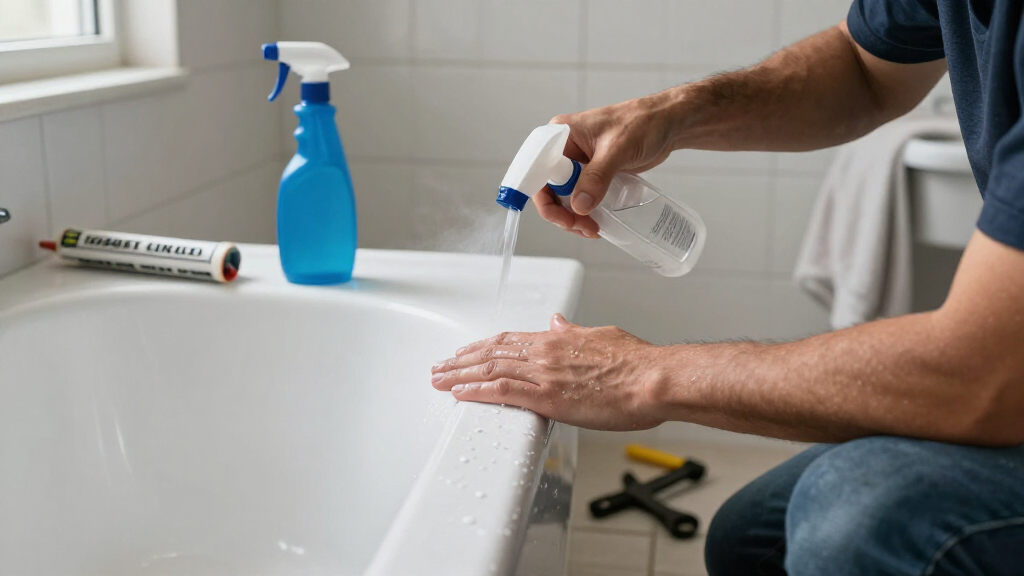
Home improvement enthusiasts recommend spraying ammonia-free Windex on fresh silicone caulk to prevent sticking during smoothing. This technique aids in achieving a clean bead but does not improve adhesion. Proper surface preparation and timing are critical to avoid application failures.
A specific home improvement technique has gained traction among DIYers: spraying ammonia-free Windex onto freshly applied silicone caulk before smoothing. This method leverages the cleaner’s slip properties to prevent the sticky silicone from adhering to fingers or tools, aiming for a smooth, professional finish. While the trick aids in the tooling process, experts clarify it does not enhance adhesion and can actually harm the bond if applied to bare surfaces.
The core of this technique involves applying a light mist of glass cleaner directly onto the fresh bead of silicone or onto the smoothing tool immediately after application. Silicone caulk is notoriously sticky and difficult to manipulate compared to acrylic latex varieties, which clean up with water. The ammonia-free formulation is specifically recommended because ammonia can potentially compromise the integrity of the caulk. By reducing surface tension, the cleaner allows the user to glide over the bead without dragging or tearing the material.
Crucially, this method is strictly for the smoothing phase after the caulk has been extruded into the joint. It is not a cleaning agent for the caulk itself, nor is it a primer. If a user misses a spot and sprays Windex on the bare substrate before applying new caulk, the residue can prevent proper adhesion. Therefore, precision is required: the cleaner must only contact the wet silicone bead, not the surrounding surfaces where future application is needed.
Timing plays a vital role in the success of this trick. Silicone begins to skin over as it cures, meaning the window for smoothing is short. Users are advised to break larger jobs into smaller sections and work quickly. For best results, surface preparation remains paramount; old caulk, paint, dirt, and grease must be removed using mineral spirits or rubbing alcohol before any new material is applied.
Impact on DIY Caulking Quality
This technique matters because it addresses a common point of failure in home maintenance: the messy caulk bead. Silicone is often chosen for bathrooms and kitchens due to its moisture resistance, but its stickiness frustrates many homeowners. By offering a simple, low-cost solution to control the material during application, this tip can significantly improve the aesthetic outcome of DIY projects. It reduces the need for rework, saving time and materials for users who struggle with the tactile nature of silicone.
Furthermore, distinguishing between acrylic and silicone handling requirements helps users select the right tools for the job. Acrylic caulk is forgiving and water-soluble, whereas silicone requires specific handling. Understanding that glass cleaner aids only in smoothing, not bonding, prevents users from misapplying the product and causing long-term seal failures. This clarity protects the integrity of the waterproof seal, which is critical in wet areas.
ammonia-free glass cleaner for caulk smoothing
As an affiliate, we earn on qualifying purchases.
As an affiliate, we earn on qualifying purchases.
Silicone vs. Acrylic Application
Silicone caulk differs fundamentally from acrylic latex caulk in its chemical composition and behavior. Silicone is elastic and highly resistant to water and mold, making it ideal for showers and sinks. However, this elasticity and stickiness make it difficult to tool. Acrylic latex, by contrast, is easier to smooth and can be cleaned up with simple water, often requiring no special additives. The recommendation to use Windex is specific to the challenges posed by silicone.
Historically, DIYers have used various solvents and soaps to smooth caulk. The shift toward ammonia-free glass cleaner reflects a growing awareness of chemical compatibility. Ammonia is a known solvent that can degrade certain polymers, so avoiding it protects the caulk’s longevity. This evolution in DIY tips highlights the community’s move toward safer, more effective home maintenance practices that balance ease of use with material preservation.
Limitations of the Glass Cleaner Method
While widely recommended, the effectiveness of this trick can vary based on the specific brand of Windex and the formulation of the silicone caulk. Not all glass cleaners are identical; some may contain additives that interact differently with various silicone polymers. It is not yet clear if all manufacturers of silicone caulk endorse this method, as it is a DIY workaround rather than a manufacturer-specified instruction.
Additionally, the long-term impact of residual glass cleaner on the cured silicone surface is not extensively documented in professional construction literature. While ammonia-free formulas are safer, the potential for microscopic residue to affect the surface gloss or cleanliness over years remains a minor unknown for some users. Users must rely on trial and error to determine if their specific combination of products yields the desired result.
Best Practices for Future Projects
For those attempting this technique, the next step is rigorous surface preparation. Ensure the joint is completely dry and free of debris before applying caulk. Use painter’s tape along the edges of the joint to create sharp, clean lines, which minimizes the need for extensive smoothing. This combination of taping and the Windex trick offers the highest probability of a professional-looking result.
Users should also practice on a scrap piece of material before tackling visible areas. This allows them to gauge the correct amount of spray—too little won’t prevent sticking, while too much might dilute the caulk. As DIY communities continue to share tips, expect further refinements on tooling techniques, potentially including new specialized finishing tools designed to work with silicone’s unique properties.
Key Questions
Can I use regular Windex with ammonia?
No, it is recommended to use ammonia-free Windex. Ammonia can potentially compromise the chemical integrity of the silicone caulk, leading to premature failure or discoloration.
Does Windex help the caulk stick better?
No, Windex does not improve adhesion. In fact, if it gets on the bare surface before caulk application, it can prevent the caulk from sticking properly. It is only for smoothing the wet bead.
Does this trick work for acrylic caulk?
It is generally unnecessary for acrylic latex caulk, which is easier to tool and cleans up with water. The trick is specifically designed for the stickier silicone varieties.
What happens if I spray too much Windex?
Excessive spraying can dilute the surface of the caulk, potentially affecting the final texture and cure time. A light mist is sufficient to provide the necessary slip for smoothing.
Source: rss
Halloween Picks
halloween
As an affiliate, we earn on qualifying purchases.