
TL;DR

Get business pricing on tools and workshop supplies
- Business-only prices and quantity discounts
- Tax-exempt purchasing
- Multiple users, one account, clear invoices
Thames Water has introduced a hosepipe ban in parts of London and nearby areas amid ongoing drought conditions. The restriction aims to conserve water as reservoir levels remain critically low. The ban is likely to impact households and businesses, with authorities monitoring the situation closely.
Thames Water has implemented a hosepipe ban in parts of London and nearby counties to address ongoing drought conditions and critically low reservoir levels. The restriction, announced on March 15, 2026, affects households and businesses using hosepipes for outdoor water use, marking a step toward water conservation during this period of dry weather.
The hosepipe ban covers areas including Greater London, Surrey, and parts of Berkshire. Thames Water stated that the measure is necessary due to unprecedented dry weather and a 15% reduction in reservoir capacity compared to normal levels, which has raised concerns about water supply sustainability.
Thames Water spokesperson Sarah Collins said, “This decision was not taken lightly but is necessary to ensure water supplies for the future. We urge residents to comply with the restrictions to help manage the current situation.”
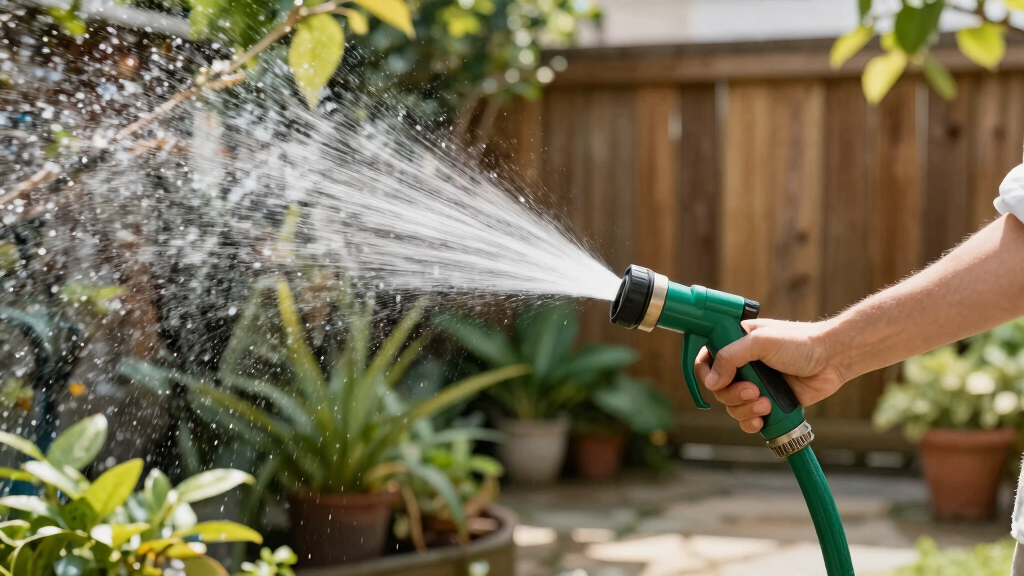
The ban prohibits outdoor use of hosepipes, sprinklers, and similar devices, with fines of up to £1,000 for non-compliance. The company has also urged customers to reduce water use indoors and fix leaks promptly.
Implications of the Hosepipe Ban for Residents and Water Management
This hosepipe ban reflects the current drought conditions affecting southern England, emphasizing the importance of water conservation. Residents are encouraged to modify outdoor watering practices and be mindful of water consumption, while Thames Water emphasizes sustainable water management practices.
The ban may influence future water policies and increase public awareness about drought preparedness, especially as climate variability may impact water availability.
As an affiliate, we earn on qualifying purchases.
Drought Conditions and Reservoir Levels Leading to Restrictions
Over recent months, the UK has experienced below-average rainfall across southern England, leading to decreased reservoir levels. Thames Water reported that reservoir stocks are at their lowest in over a decade, prompting measures to prevent water shortages.
This is not the first time Thames Water has imposed restrictions; similar measures were enacted during the 2012 drought, but current levels are more critical. The UK Environment Agency has issued drought warnings across several regions, urging water companies to take appropriate action.
Weather forecasts predict limited rainfall in the coming weeks, which may sustain pressure on water supplies and lead to further restrictions if conditions do not improve.
“This decision was not taken lightly but is necessary to ensure water supplies for the future. We urge residents to comply with the restrictions to help manage the current situation.”
— Sarah Collins, Thames Water spokesperson
Unclear Duration and Possible Future Restrictions
The duration of the hosepipe ban depends on weather patterns and reservoir levels. Thames Water has indicated that restrictions could be in place for several months if drought conditions persist, but no specific end date has been provided.
Additional measures, such as further restrictions or water rationing, may be considered if dry weather continues or worsens, though details have not been finalized.
Monitoring Weather and Reservoir Levels for Policy Adjustments
Thames Water and the Environment Agency will continue to monitor weather forecasts and reservoir data. Authorities will review the need for restrictions regularly, with updates anticipated in the coming weeks.
Residents are advised to follow official guidance, reduce indoor water use, and prepare for potential extension of restrictions if drought conditions persist.
Further updates from Thames Water are expected as the situation develops, including possible adjustments to restrictions based on water availability.
Key Questions
How long will the hosepipe ban last?
The duration is uncertain; it could last several months depending on weather conditions and reservoir recovery. Thames Water has not specified an end date.
What activities are banned under the hosepipe restriction?
The ban prohibits outdoor use of hosepipes, sprinklers, and similar devices. Indoor water use is not restricted, but residents are encouraged to conserve water.
Are there penalties for violating the hosepipe ban?
Yes, fines of up to £1,000 can be imposed for non-compliance, according to Thames Water.
Can I water my garden with a hosepipe during the ban?
No, outdoor watering with a hosepipe is prohibited under the current restrictions.
What should residents do to prepare for ongoing restrictions?
Residents should reduce indoor water use, fix leaks, and avoid outdoor watering until restrictions are lifted. Stay informed through official updates.
Source: google-trends
Fall yard work Picks
leaf blowers
As an affiliate, we earn on qualifying purchases.