
TL;DR
Interior designers report a shift toward blue stone countertops as a reaction to neutral kitchen fatigue. Experts highlight the material’s natural variation and calming properties.
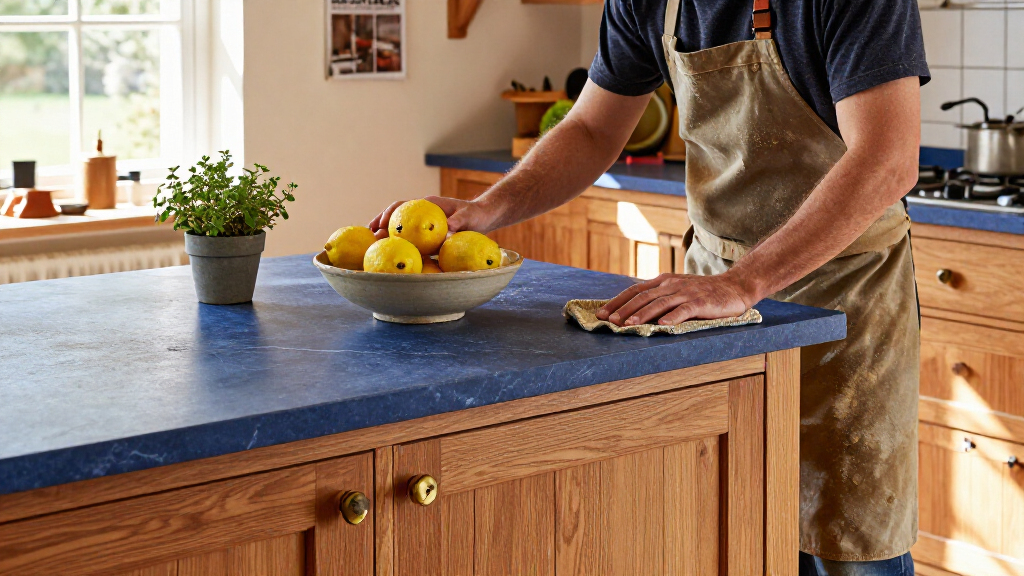
Blue stone countertops are emerging as a significant design trend in modern kitchens, challenging the dominance of neutral marble finishes. According to recent reports from Livingetc, interior designers are increasingly specifying blue calcite and quartzite to introduce natural color and depth into residential spaces. This shift addresses a growing consumer fatigue with uniform, beige-toned kitchens, offering a solution that balances individual expression with the calming psychological effects of the color blue.

Get business pricing on tools and workshop supplies
- Business-only prices and quantity discounts
- Tax-exempt purchasing
- Multiple users, one account, clear invoices
The trend centers on using natural stone rather than painted surfaces to achieve the blue aesthetic. Designers such as Anna Carin have utilized Pallido Blue calcite to bring organic movement into the home. Carin notes that when the color originates from the stone itself, it provides depth and mineral variation that changes with the light throughout the day. This approach aligns with the broader interior design movement toward nature-inspired materials, but deviates from the standard warm neutrals and wood tones typically associated with that category.
Architect Ester Corti of Mitchell + Corti Architects confirms the appeal of this material choice, citing the uniqueness of natural stone. Corti states that no two worktops are identical, offering a level of customization that synthetic materials cannot match. This natural variation allows the countertop to serve as a focal point, replacing the need for other decorative elements in the kitchen. The material’s fluidity is described as evoking ocean waves and sky, providing a tactile connection to the outdoors within an interior space.
Versatility is another key factor driving adoption. Matilde Valagussa of Atelier Zero reports using blue quartzite in a Milanese apartment, noting that the color can appear rich and meditative while remaining adaptable. Valagussa explains that blue countertops can harmonize with other cool tones for a calm effect or create visual tension when paired with warmer colors. This flexibility allows designers to maintain the kitchen’s functional neutrality while introducing a distinctive visual identity.
Combating Design Fatigue with Natural Color
The rise of blue countertops signifies a broader departure from formulaic design in high-value residential spaces. For years, the market has favored safe, neutral palettes to ensure resale value and timeless appeal. However, designers report a growing appetite for kitchens that feel individual and less predictable. By integrating color through natural stone, homeowners can achieve a contemporary look without relying on trend-driven paint or accessories that may date quickly.
This trend also highlights a shift in how color is perceived in functional spaces. Blue is traditionally viewed as calming and relaxing, properties that are desirable in the kitchen, a room often associated with high activity and stress. The use of blue stone provides a psychological counterbalance to the chaos of daily life, offering a visual anchor that promotes peace. This dual benefit of aesthetic uniqueness and emotional regulation makes the trend commercially viable for luxury renovations.
Popular right now

Ninja SP151 Flip Toaster Oven & Air Fryer, Stainless Steel

KitchenAid 5.5-Quart Bowl-Lift Stand Mixer, Porcelain White

Vitamix Propel Series 510 Professional-Grade Blender, Black
As an affiliate, we earn on qualifying purchases.
Shift from Neutral Marble Dominance
Historically, white veined marble has been the default choice for luxury kitchens, prized for its brightness and perceived cleanliness. This preference led to a homogenization of kitchen aesthetics, where many high-end homes featured nearly identical neutral schemes. The current movement away from this standard reflects a reaction against monotony. While earthy tones and natural materials remain popular, the specific application of blue stone represents a more bold interpretation of these principles.
The trend is supported by advancements in stone fabrication and sourcing, which have made exotic stones like calcite and quartzite more accessible to residential projects. Previously, such materials were often reserved for commercial or artistic installations due to cost and complexity. Now, as seen in projects by Atelier Zero and Mitchell + Corti, these materials are being integrated into standard residential renovations, signaling a mainstream acceptance of bolder natural finishes.
“It can feel very rich and almost meditative, but it is also an extremely versatile color. Depending on what you place around it, it can work naturally with other cool tones or create a very beautiful tension with warmer colors.”
— Matilde Valagussa, Atelier Zero
Durability and Cost Considerations
While the aesthetic appeal of blue stone is well-documented, long-term durability and maintenance requirements for specific blue varieties like calcite remain a consideration for homeowners. Calcite, for instance, is softer than granite or quartzite and may be more susceptible to etching or scratching. It is not yet clear how widely this trend will penetrate the mass market, as cost and maintenance may limit it to high-end renovations. Additionally, the long-term impact on resale value is uncertain, as future buyers may still prefer traditional neutral finishes.
Integration into Broader Interior Palettes
Designers anticipate that blue countertops will influence adjacent design choices, such as cabinetry and backsplash materials. Expect to see a rise in layered cool-tone compositions or bold contrasts with warm woods and metals. As the trend matures, manufacturers may introduce more engineered blue surfaces that offer the aesthetic of natural stone with improved durability and lower cost. This could accelerate the adoption of blue finishes in mid-range kitchen renovations, moving the trend beyond luxury projects.
Key Questions
What types of stone are used for blue countertops?
Designers primarily use blue calcite, blue quartzite, and other natural stones with inherent blue mineral content. These materials offer unique veining and color depth that synthetic alternatives cannot replicate.
Why are designers moving away from white marble?
There is a reported fatigue with uniform neutral kitchens. Homeowners are seeking more individual expression and natural variation, which blue stone provides while maintaining a sophisticated, organic feel.
Is blue a practical color for kitchen countertops?
According to designers, blue is considered calming and versatile. It can hide stains better than pure white and pairs well with both cool and warm accessories, making it functional as well as aesthetic.
How does lighting affect blue stone countertops?
Natural blue stone changes appearance with light. As noted by Anna Carin, the mineral tones and movement become more visible as daylight shifts, adding dynamic depth to the kitchen throughout the day.
Source: rss