TL;DR
A method for taking apart pallets with less risk of splitting the boards is to cut through their nails using a reciprocating saw and a demolition blade. Secure the pallet, wear safety glasses and gloves, and work the blade into the gap between each board and its support. A pallet buster or careful hammer-and-pry-bar work are alternatives, but they require patience.
Cutting through a pallet’s nails with a reciprocating saw can help release its boards without splitting them, according to a DIY guide published by Hunker. The approach matters to people reusing pallet wood: prying a board up while nails still hold it to the supports can bend the wood until it cracks, leaving less usable material.

Get business pricing on tools and workshop supplies
- Business-only prices and quantity discounts
- Tax-exempt purchasing
- Multiple users, one account, clear invoices
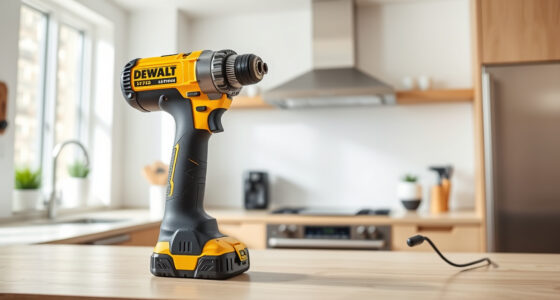
The method uses a reciprocating saw fitted with a demolition blade intended for nail-embedded wood. With the pallet secured so it cannot shift, the blade is slid into the seam between a top board and the thicker support underneath. Cutting the nails at that joint frees the board without requiring it to flex against fasteners that remain in place.
The guide advises keeping the saw’s shoe supported against the workpiece and avoiding excessive pressure as the blade cuts. After removing the top boards, turn the pallet over and repeat the process on the other side. Wear safety glasses and work gloves while working, and use a blade suited to cutting through the pallet’s fasteners.
Once boards are free, nail heads can be left in place for a rustic appearance or driven through with a nail punch and hammer. Any exposed metal can then be pulled out with pliers. The guide names bi-metal and carbide-tipped demolition blades as options; it says carbide-tipped blades are more durable when cutting metal screws, but does not provide comparative test results.
Take Apart Pallets With Less Splitting
Cutting through the fasteners can help free boards without bending them against nails that remain in place. The method may preserve more usable wood, but results depend on the pallet and how it is handled.
Why boards split
Prying while nails still hold a board can bend it until it cracks along the grain.
- Board bends around fixed nails
- Greater risk of splitting
- Saw cuts fasteners at the joint
- Board can lift without bending against them
The saw method
Use a reciprocating saw with a demolition blade suited to nail embedded wood.
Keep it from shifting and wear safety glasses and work gloves.
Slide the blade into the seam, keep the saw shoe supported, and avoid excessive pressure.
Turn the pallet over as needed, then check whether the recovered boards suit your project.
Other tools, more patience
Alternatives need careful work near each nail and can take more physical effort.
Pallet buster
Its forked head lifts boards around the support.
Hammer and pry bar
Work gradually at several points instead of forcing one end upward.
Handle exposed nails
Choose what suits the project once the boards are free.
| Option | What to do |
|---|---|
| Rustic appearance | Leave nail heads in place. |
| Remove exposed metal | Drive nails through with a nail punch and hammer; pull accessible pieces out with pliers. |
More Boards for Reuse Projects
Pallets can provide multiple boards for DIY projects, but the wood is useful only if it comes apart in pieces suitable for the intended work. Reducing splits during disassembly can preserve longer boards and limit the amount of material that has to be discarded or repurposed as shorter scraps.
The technique also changes where the effort goes: instead of levering against a stubborn nail, the user cuts through the fastener. That may make board removal more controlled, though the result depends on the pallet’s construction, the fasteners, the blade and the operator’s handling. The guide presents this as a practical method, not a guarantee that every board will come off intact.
Popular right now

KitchenAid 5.5-Quart Bowl-Lift Stand Mixer, Porcelain White

Roborock Q7 M5+ Robot Vacuum and Mop with Self-Emptying Dock

Vitamix 5200 Blender with 64 oz Container, Black
As an affiliate, we earn on qualifying purchases.
Why Pallet Boards Split
Pallets are designed to carry loads, and their boards are held to thicker supports with fasteners intended to keep the structure sturdy. When one end of a board is forced upward while the other end remains nailed down, the board can bend around the fixed points and split along the grain.
A reciprocating saw addresses that problem by cutting the nails between the board and its support before the board is lifted away. For people without that tool, the guide identifies a pallet buster, whose forked head lifts around the support, and a hammer with a pry bar as alternatives. It cautions that these approaches require careful work near each nail and can take more physical effort.
Results Depend on the Pallet
The guidance does not report controlled tests comparing how many boards remain intact with a saw, pallet buster or pry bar. It also gives no figures for time, cost or wood saved. The claim that cutting fasteners leaves less room for error is a practical explanation, not a quantified result.
Individual outcomes can vary with the pallet’s condition, board thickness, nail or screw placement, and access to the joints. The guide does not specify whether every pallet is suitable for salvage, or address how to identify wood that is appropriate for a particular project. Users should inspect the pallet and fasteners before starting and stop if the wood or tool cannot be handled safely.
Choose a Method Before Cutting
Before disassembly, decide whether a reciprocating saw is available and select a demolition blade appropriate for the fasteners. Secure the pallet, put on eye protection and gloves, and check that the blade can enter the seam without striking the board. Cut the fasteners at each support point, then repeat on the reverse side where needed.
If using a pallet buster or pry bar instead, work gradually at several points rather than forcing one end of a board upward. After removal, deal with exposed nails using a punch, hammer and pliers, or leave nail heads in place if they suit the project. The next step is to inspect the recovered wood and decide whether its length and condition fit the planned build; no additional testing or follow-up development is specified.
Source: rss
Key Questions
What is the least damaging way described to remove pallet boards?
The guide recommends using a reciprocating saw with a demolition blade to cut through the nails between each board and its support, rather than bending the board against fasteners that remain in place.
What safety equipment should I wear?
Wear safety glasses and work gloves, and secure the pallet so it cannot move while cutting. Keep the saw supported and avoid applying excessive pressure.
Can I take a pallet apart without a reciprocating saw?
Yes. The guide suggests a pallet buster or a hammer and pry bar. Both require patience and careful lifting near the nails; forcing one end upward can split the board.
What should I do with nails left in the boards?
You can leave nail heads in place for a rustic look. To remove exposed metal, the guide suggests using a nail punch and hammer to drive it through, then pulling accessible pieces out with pliers.
Source: hunker.com