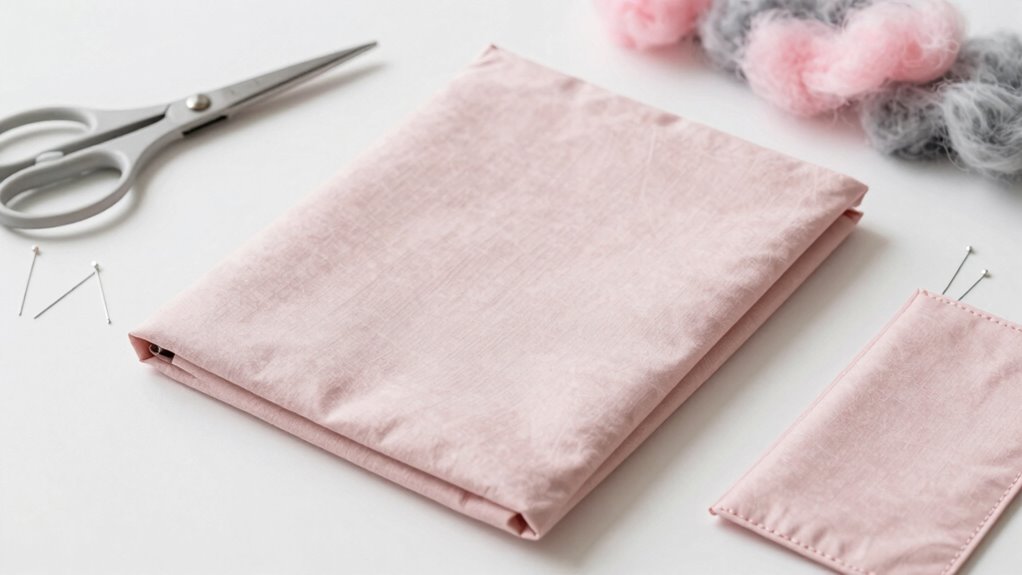

To sew a simple padded tablet sleeve, start by selecting sturdy fabric for the outside and soft lining, then measure your tablet and cut two pieces plus padding, adding about half an inch for seams. Sew the outer and lining pieces together, leaving the top open, and add padding inside if it’s thin. Finish the edges with bias tape or fabric strips for a neat look. For more detailed steps and tips, keep exploring to create a durable, personalized sleeve.
Key Takeaways
- Measure your tablet and cut outer fabric, lining, and padding to fit with a ½-inch seam allowance.
- Sew the outer fabric and lining right sides together, sandwiching padding if thin, then stitch sides and bottom.
- Use zigzag or overlock stitches along raw edges to prevent fraying and reinforce seams.
- Turn the sleeve right side out, press seams gently, and check for proper fit and neatness.
- Finish edges with bias tape or fabric strips for a professional look and added durability.
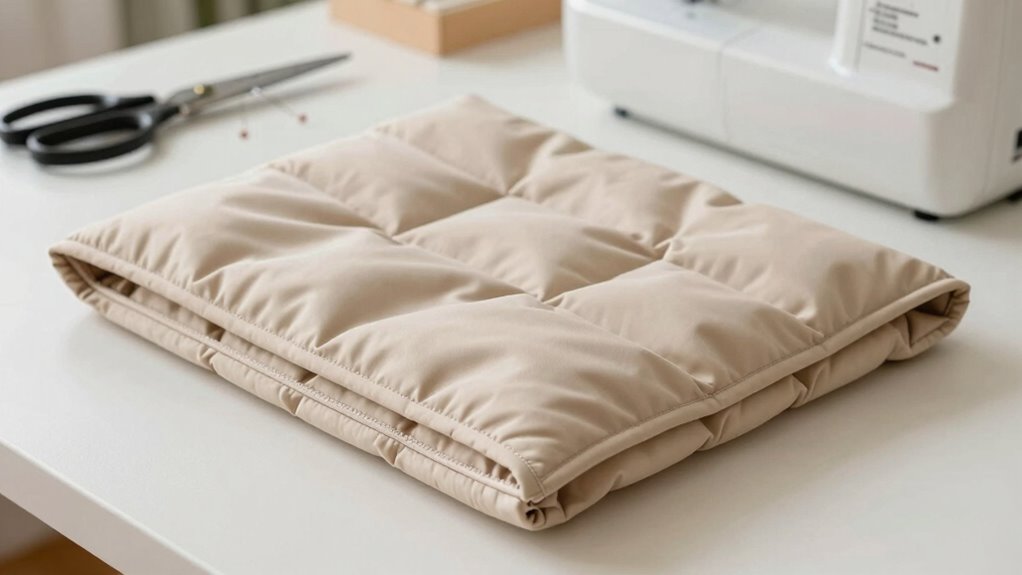
Sewing your own tablet sleeve with padding is a practical way to protect your device while adding a personal touch. It allows you to customize the size, style, and fabric to match your preferences, guaranteeing your tablet stays safe from bumps and scratches. The first step is choosing the right fabric. For a durable and stylish sleeve, opt for a sturdy cotton or canvas exterior paired with a soft, plush lining like fleece or minky. These materials provide both protection and a comfortable feel. When selecting fabric, consider patterns and colors that reflect your personality, but keep in mind that thicker fabrics will add more padding and cushioning for your tablet.
Once you’ve picked your fabric, focus on your sewing techniques. Precise cutting is essential—measure your tablet carefully, adding about half an inch for seam allowances. Cut two pieces: one for the outer shell and one for the lining. For the padding, cut a piece of foam or batting that matches the dimensions of your tablet, ensuring it fits snugly inside the sleeve without excess bulk. To assemble, place the outer fabric and lining right sides together, with the padding sandwiched in between if your padding is thin enough. Use straight stitches to sew along the sides and bottom, leaving the top open for inserting your tablet.
Measure your tablet with seam allowances, then sew outer and lining pieces together, leaving the top open for insertion.
When sewing, keep your stitches even and consistent to prevent gaps and guarantee durability. For a more polished look, you can sew a zigzag or overlock stitch along the raw edges to prevent fraying. To reinforce the padding and give the sleeve a professional finish, sew a small strip of fabric or bias tape around the edges or along the opening, which also makes it easier to slide your tablet in and out. Additionally, paying attention to sewing techniques can greatly improve the overall quality of your project. Incorporating professional finishing touches can elevate the appearance and lifespan of your sleeve. Being mindful of cross-cultural influences in design can also make your creation more unique and reflective of your personal style. Choosing fabrics with durable qualities is essential for long-lasting protection, especially if you plan to carry your sleeve frequently. Remember that selecting the right materials, such as durable fabrics, is essential for long-lasting protection.
Finally, turn your sleeve right side out and check for any loose threads or uneven seams. Give the padding a gentle press if needed, and test your sleeve with your tablet to ensure it fits comfortably. Sewing your own padded tablet sleeve isn’t just a cost-effective project; it’s a fun way to create a personalized accessory that protects your device while showcasing your sewing skills. With careful fabric selection and proper sewing techniques, you’ll end up with a durable, stylish sleeve that’s uniquely yours.
As an affiliate, we earn on qualifying purchases.
Frequently Asked Questions
What Type of Fabric Is Best for a Padded Tablet Sleeve?
You should choose a durable fabric like denim, canvas, or neoprene for a padded tablet sleeve. These fabrics offer excellent fabric durability and stand up well to daily wear. For padding options, consider foam or batting, which provide cushioning without adding too much bulk. Combining sturdy fabric with quality padding guarantees your sleeve protects your tablet effectively while lasting through regular use.
How Do I Customize the Sleeve for Different Tablet Sizes?
Because one size fits all is clearly a myth, you’ll want to customize your tablet sleeve by measuring tablet dimensions precisely. Add a little extra for padding and seam allowances. Then, select fabrics that match your style and purpose. Fabric customization lets you create a tailored fit, ensuring your device slides in effortlessly. Remember, a well-fitted sleeve is like a bespoke suit—sleek, snug, and undeniably sophisticated.
Can I Add a Zipper Instead of a Flap Closure?
Yes, you can definitely add a zipper instead of a flap closure. To do this, you’ll need to do some zipper installation, sewing the zipper along the top edge of your sleeve. Zipper closure offers a secure and sleek look, providing easier access and added protection. Closure alternatives like zippers are practical and stylish, giving your tablet sleeve a customized touch while keeping your device safe and secure during transport.
How Do I Wash and Care for the Padded Sleeve?
You should hand wash your padded sleeve in cold water to protect the fabric’s durability and keep the padding intact. Avoid wringing it out; instead, gently squeeze out excess water. Lay it flat to dry, avoiding direct sunlight. Regular cleaning prevents dirt buildup and maintains padding cushioning. For extra care, spot clean as needed, and avoid harsh detergents to preserve both fabric durability and padding quality over time.
What Sewing Machine Settings Are Ideal for Thick Padding?
To sew thick padding, you should set your sewing machine to a lower tension to prevent puckering and select a heavy-duty needle, like a size 90/14 or 100/16, to handle the extra bulk. Imagine the tension dial as a balancing act—too high causes tight stitches, too low causes loose ones. Use a walking foot if available, and sew slowly to make certain even stitches through the padding and fabric layers.
Conclusion
Now that you’ve stitched up your padded tablet sleeve, it’s ready to protect your device like a knight’s armor. Imagine yourself in a cozy, modern atelier, just like a tailor in a bustling 1920s boutique, confidently slipping your tablet inside. With your new creation, you can stroll through the park or hop on a train, knowing your tablet is snug and safe. Happy sewing, and may your craftsmanship be as timeless as a good story told over a crackling radio.