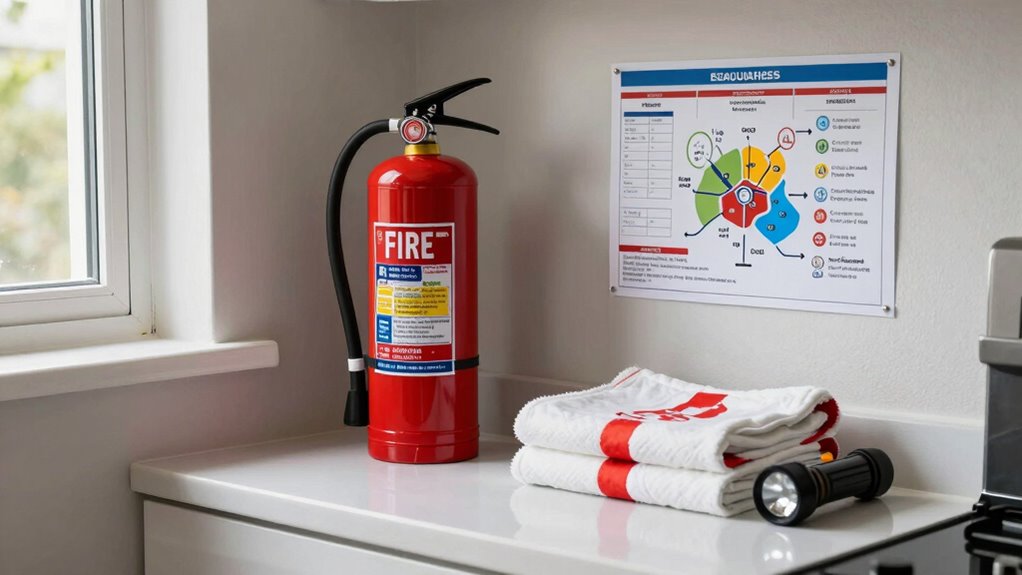

You can build a home safety plan that doesn’t rely on others by evaluating your home for hazards, maintaining working smoke detectors, and keeping emergency supplies accessible and up to date. Create clear escape routes and practice them regularly, making sure windows and doors are easy to open. Write down your safety procedures and keep copies in your emergency kit. By staying proactive and prepared, you’ll boost your confidence and safety in any crisis—more helpful tips follow.
Open a free Amazon Business account
Business pricing, bulk buying and tax-exempt orders.
As an affiliate, we earn on qualifying purchases.
Key Takeaways
- Develop a comprehensive escape plan with multiple exits and practice it regularly without relying on others.
- Assemble an independent emergency kit with essential supplies stored in an accessible, secure location.
- Install safety devices like smoke detectors and fire extinguishers, ensuring they are maintained and functional.
- Identify and address household hazards proactively to reduce risks without external assistance.
- Document safety procedures clearly and review them periodically to ensure readiness and confidence in self-response.
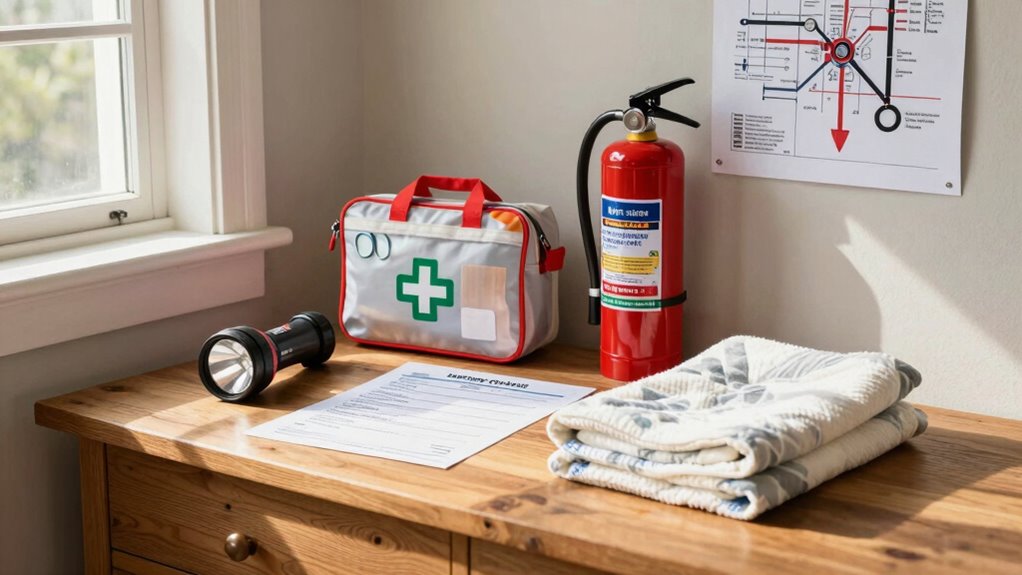
Creating a home safety plan is essential to protecting yourself and your loved ones from emergencies. When you take charge of your safety, you guarantee you’re prepared for unexpected situations like fires, natural disasters, or medical emergencies. One of the first steps is understanding fire prevention. You should regularly check that smoke detectors are working, change the batteries twice a year, and keep fire extinguishers accessible in key areas like the kitchen and garage. Clear clutter and avoid overloading electrical outlets to reduce fire risks. Creating a safe environment is about being proactive, not reactive, and knowing how to prevent fires before they start is a critical part of that.
Taking proactive steps like regular smoke detector checks and clutter removal helps prevent fires before they start.
Next, you need to gather emergency supplies and keep them in an easily accessible location. Your emergency kit should include essentials like water, non-perishable food, first aid supplies, flashlight, batteries, and important documents. Don’t forget to pack any necessary medications and a multi-tool or basic utensils. Regularly check and update your supplies to guarantee they’re in good condition. Having these items ready means you won’t waste precious time searching for what you need during a crisis. Remember, a well-stocked emergency kit can make a significant difference in your safety and comfort during stressful moments. Additionally, understanding home safety tips can help you identify potential hazards before they become emergencies. Being aware of common household hazards allows you to address risks proactively and create a safer living environment. Staying informed about fire prevention techniques can also help you implement effective safety measures.
Developing an escape plan is another essential element of your home safety plan. Identify multiple exits from each room and choose a safe meeting spot outside your home. Practice your escape route regularly, especially with children or elderly family members, so everyone knows what to do if fire or other emergencies occur. Make sure your windows and doors are easy to open and free from obstructions. You should also install safety latches or bars if you live in an area prone to specific threats, but always guarantee they can be quickly opened in an emergency. Additionally, understanding fire prevention techniques can significantly reduce the risk of incidents occurring in the first place. Regularly reviewing and updating your plan ensures it remains effective and tailored to your current living situation.
Finally, communicate your plan clearly. Write down your procedures, keep copies in your emergency supplies, and review them periodically. Make sure everyone in your household understands their roles and responsibilities. By taking these steps, you’re creating a home safety plan that doesn’t depend on anyone else. When you understand fire prevention, maintain emergency supplies, and have a clear, practiced escape plan, you’re empowering yourself to respond confidently. Preparing in advance minimizes chaos and increases your chances of staying safe, no matter what happens. Your safety is in your hands, so make sure your plan is detailed, practical, and ready to implement at a moment’s notice.
As an affiliate, we earn on qualifying purchases.
Frequently Asked Questions
How Often Should I Review and Update My Safety Plan?
You should review and update your safety plan at least every six months, or whenever there’s a change in your household, emergency contacts, or local risks. Regular updates guarantee your backup plans and emergency contacts stay current. Additionally, after any emergency or safety drill, revisit your plan to identify gaps. Staying proactive helps you respond effectively, keeping you and your household safe no matter what happens.
What Safety Tools or Equipment Should I Include?
You should include essential safety gadgets like smoke detectors, carbon monoxide alarms, and a fire extinguisher. Emergency supplies such as first aid kits, flashlights, batteries, and bottled water are also crucial. Consider adding a multi-tool, a whistle, and a portable phone charger. These tools help you respond quickly and stay safe during emergencies, ensuring you’re prepared even if you’re alone. Regularly check and maintain all safety gadgets and supplies.
How Can I Ensure My Safety Plan Is Realistic?
Did you know that 60% of emergency plans fail because they aren’t realistic? To guarantee your safety plan works, assess your personal risk and tailor it to your daily routines. Keep emergency contacts updated and within easy reach. Test your plan regularly, considering potential obstacles. By making your plan practical and personalized, you’ll be better prepared and confident to handle emergencies effectively.
What Are Common Mistakes to Avoid in Planning?
You should avoid neglecting regular emergency drills, which guarantee everyone knows their roles, and overlooking hazard identification, which helps you prepare for potential dangers. Don’t assume your plan is foolproof; regularly review and update it based on new risks. Also, avoid vague instructions—be specific about actions to take. Staying proactive with these steps minimizes mistakes, making your safety plan more effective and reliable during emergencies.
How Do I Communicate My Safety Plan to Others?
Think of your safety plan as a lighthouse guiding others through foggy waters. You communicate it by sharing emergency contacts and clear communication methods, like phone calls, texts, or alarms. Write down or record these details, and make sure everyone knows where to find them. Practice discussing your plan regularly so others understand it. This way, your safety message shines bright and stays steady, even in the darkest moments.
Conclusion
Creating your own home safety plan is like planting a sturdy tree—you’re the root and the branches working together to protect what matters most. By taking charge, you guarantee your safety isn’t left to chance or others’ actions. Remember, the strongest defenses grow from your own efforts. Stay vigilant, plan ahead, and build a safety net that’s as resilient as your determination. Your home’s security is a garden you tend with care—cultivate it wisely.
Fall Picks
fall essentials
As an affiliate, we earn on qualifying purchases.