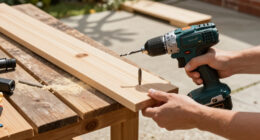
The best overall plywood finish in this lineup is General Finishes High Performance Water-Based Topcoat, which pairs a clear appearance with a practical balance of protection and easier cleanup. For a richer oil-based look, Waterlox Original Sealer and Finish offers a different finish profile, while Minwax Polycrylic is a straightforward option for projects where keeping the wood’s color matters. The main tradeoffs are between water-based clarity and cleanup, oil-based warmth and application demands, and stains or oils that change appearance without providing the same kind of topcoat protection. Plywood’s thin face veneer also calls for careful sanding and even application. Read on for how these 15 options compare and which one fits your project.

Get business pricing on tools and workshop supplies
- Business-only prices and quantity discounts
- Tax-exempt purchasing
- Multiple users, one account, clear invoices
Complete the kit


Key Takeaways
- General Finishes High Performance leads for buyers seeking a clear water-based topcoat; its role differs from the warmer look of oil-based finishes such as Arm-R-Seal.
- Waterlox Original Sealer and Finish stands out for an oil-based finish approach, while its application and appearance tradeoffs make it less suited to buyers prioritizing simple cleanup.
- Polycrylic appears in several sizes and sheens, giving buyers more flexibility, but the right pick depends on coverage needs and whether satin or gloss fits the project.
- Stains and penetrating oils serve a different purpose from topcoats: Minwax and Varathane stains change color, while Danish oil and Tried & True emphasize a more natural-looking surface.
- Several entries are closely related product variants, including different polyurethane sheens and sizes, so compare finish appearance and quantity rather than assuming each is a distinct formula.


| plywood finishe | Brand | Finish | Volume | Model number |
|---|---|---|---|---|
| General Finishes High Performa | General Finishes | Satin | 32 fluid ounces (1 quart) | QTHS |
| Waterlox Original Sealer and F | Waterlox | Medium sheen | — | 5284qt |
| Watco Danish Oil Wood Finish | Watco | Natural | 16 fluid ounces (1 pint) | — |
| Minwax Polycrylic Water-Based | Minwax | Clear gloss | 8 fluid ounces (½ pint) | 255554444 |
| Minwax Fast-Drying Polyurethan | Minwax | Clear satin | 8 fluid ounces (½ pint) | 230104444 |
| Minwax Fast-Drying Polyurethan | Minwax | Clear semi-gloss | 1 quart (32 fluid ounces) | 63005444 |
| Minwax Wood Finish Interior Wo | Minwax | — | 1 quart (32 fluid ounces) | 70000444 |
| Minwax Polycrylic Protective W | Minwax | Clear satin | ½ pint (8 fluid ounces) | 233334444 |
| Waterlox Original Satin Finish | Waterlox | Satin | 1 quart (32 fluid ounces) | — |
| Varathane Premium Fast Dry Woo | Varathane | — | 1 quart (32 fluid ounces) | 262006 |
| General Finishes Arm-R-Seal Oi | General Finishes | Satin | 32 fl oz (0.86 L) | — |
| Tried & True Original Wood Fin | Tried & True | Matte | 8 fl oz | — |
| Varathane Water-Based Ultimate | Varathane | Satin | — | — |
| Minwax Polycrylic Protective F | Minwax | Clear satin | 1 quart (32 fl oz) | — |
| Minwax Fast-Drying Polyurethan | Minwax | Warm satin | 1 quart (32 fl oz) | 63010444 |
More Details on Our Top Picks
General Finishes High Performance Water-Based Topcoat, 1 Quart, Satin
General Finishes High Performance is my strongest all-around pick for interior plywood when a satin look and a relatively quick coating schedule matter. Its 1–2 hour recoat window makes building protection less drawn out than with Waterlox Original Sealer and Finish, which calls for at least 24 hours between coats. The water-based formula suits indoor wood projects, and the listed coverage of 125–150 square feet per quart can stretch across several panels or a larger piece of furniture.
The tradeoff is color: this topcoat may yellow over bright white or pale paint, so I would choose a different option for a crisp white finish. It is also limited to interior use, while Waterlox lists interior and exterior applications. For ordinary plywood furniture or shelving where satin sheen is welcome, the faster recoat pace gives this pick the broadest appeal in this batch.
Pros:- Satin sheen gives plywood a low-gloss finished appearance
- Recoating is possible after 1–2 hours
- Quart covers approximately 125–150 square feet
- Water-based formula is suited to interior wood
Cons:- May yellow over bright white or light-colored paint
- Intended for interior use only
Best for: Plywood furniture and shelving makers who want a satin interior topcoat with short waits between coats
Not ideal for: Builders finishing bright white or pale-painted plywood, or projects exposed to outdoor conditions
- Brand:General Finishes
- Finish:Satin
- Material:Water-based
- Volume:32 fluid ounces (1 quart)
- Recommended use:Interior
- Compatible material:Wood
- Coverage:125–150 sq. ft.
- Dry time between coats:1–2 hours
- Model number:QTHS
Our verdict“Choose this for interior plywood when you want satin protection and a faster recoat schedule than Waterlox Original Sealer and Finish.”
Waterlox Original Sealer and Finish, 1 Quart
Waterlox Original Sealer and Finish stands apart from the quicker-drying options here by serving as both a penetrating sealer and a finish. Its stated uses include protecting interior wood and other porous surfaces from moisture, household spills, and foot traffic, while the product can also act as a primer, tie-coat, or paint additive. That range gives it more roles in a project than General Finishes High Performance, which is presented as an interior wood topcoat.
The schedule is the cost of that flexibility: Waterlox requires at least 24 hours between coats, and cool or humid conditions can extend drying. It is listed for interior and exterior use, but exterior use as a sealer calls for additional Waterlox Original Marine Finish coats. I would choose it when surface protection and adaptable use matter more than finishing quickly; for a fast-turnaround plywood project, General Finishes is the easier fit.
Pros:- Can serve as a penetrating sealer and finish
- Listed for wood and several other porous surfaces
- Can also be used as a primer, tie-coat, or paint additive
- Rated for interior and exterior applications
Cons:- Requires at least 24 hours between coats
- Cool or humid conditions may lengthen drying
- Exterior sealer use calls for additional Marine Finish coats
Best for: DIYers sealing plywood or other porous surfaces where household moisture and spills are a concern
Not ideal for: Project makers who need multiple coats completed quickly or want a straightforward single-purpose topcoat
- Brand:Waterlox
- Size:1 quart
- Liquid volume:32 fluid ounces
- Finish:Medium sheen
- Coverage:Up to 125 sq. ft. per coat
- Dry time:Minimum 24 hours between coats
- Recommended surfaces:Wood, slate, brick, stone, tile, linoleum, cement
- Recommended uses:Interior and exterior
- Model number:5284qt
Our verdict“Pick Waterlox when its multi-purpose sealing role and broad surface list outweigh the longer wait between coats.”
Watco Danish Oil Wood Finish, Natural, 1 Pint
Watco Danish Oil is the pick I would make when the aim is to bring warmth to bare plywood rather than leave a distinct clear topcoat film. This oil-and-varnish blend is designed to stain, seal, and protect in one step, producing a hand-rubbed appearance. It suits bare, stripped, or sanded indoor wood, while Minwax Polycrylic Clear Gloss takes a different route with a clear protective surface that keeps the finish glossy.
That one-step appeal has limits. Watco is not recommended for floors, so it is a poor match for plywood under heavy foot traffic; Waterlox Original Sealer and Finish is listed for foot traffic and a wider range of surfaces. The pint size and coverage up to 85 square feet also make it better suited to a smaller project than broad panel coverage. Choose it for furniture or smaller plywood pieces where a natural, warmed appearance matters more than a floor-ready coating.
Pros:- Stains, seals, and protects in one step
- Creates a warm, hand-rubbed appearance
- Suitable for bare, stripped, or sanded indoor wood
- Can be applied by brushing or wiping
Cons:- Not recommended for floors
- Oil-based formula calls for careful handling and cleanup
- Pint covers up to 85 square feet, less area than the quart topcoats
Best for: Furniture makers finishing smaller pieces of bare or sanded plywood who want a warm, hand-rubbed appearance
Not ideal for: Anyone finishing plywood floors or covering a large area in a single project
- Brand:Watco
- Finish:Natural
- Formula:Oil-based blend of oil and varnish
- Volume:16 fluid ounces (1 pint)
- Coverage:Up to 85 square feet
- Drying time:As little as 6 hours to touch
- Recommended surfaces:Bare, stripped, or sanded indoor wood
- Not recommended for:Floors
- Model:65751
Our verdict“Choose Watco for smaller indoor plywood projects where a warm oil finish matters more than a clear gloss or floor-rated protection.”
Minwax Polycrylic Water-Based Protective Finish, Clear Gloss, ½ Pint
Minwax Polycrylic Clear Gloss suits plywood projects where keeping a light, clean appearance is the priority. Its water-based formula is described as drying crystal clear and non-yellowing, which gives it an advantage over General Finishes High Performance when that product’s stated yellowing risk over bright white or pale paint is a concern. It protects interior wood from scratches, spills, and scuffs, and soap-and-water cleanup makes the finishing process simpler.
The ½-pint container is the main constraint: it is a better fit for a cabinet door or small furniture piece than a broad plywood surface. It also needs three recommended coats, sanding between coats, and up to 24 hours before normal use. Compared with Minwax Fast-Drying Polyurethane, which has a satin finish and an oil-based formula, Polycrylic favors clarity and easier cleanup over that alternative’s different sheen and base.
Pros:- Dries crystal clear and is described as non-yellowing
- Protects interior wood from scratches, spills, and scuffs
- Recoating is possible after 2 hours
- Cleans up with soap and water
Cons:- Half-pint volume limits coverage for larger projects
- Requires sanding between coats
- Needs up to 24 hours before normal use
Best for: DIYers finishing a small, light-colored plywood project who want a clear gloss and water-based cleanup
Not ideal for: People coating large plywood surfaces or needing the finished piece back in normal use quickly
- Brand:Minwax
- Finish:Clear gloss
- Base:Water-based
- Volume:8 fluid ounces (½ pint)
- Dry-to-recoat time:2 hours
- Recommended coats:3
- Cleanup:Soap and water
- Model number:255554444
Our verdict“Choose Polycrylic Clear Gloss for a small interior plywood project where clear appearance and water-based cleanup matter most.”
Minwax Fast-Drying Polyurethane Protective Wood Finish, Clear Satin, ½ Pint
Minwax Fast-Drying Polyurethane in Clear Satin is a practical choice for small interior plywood projects that need a protective finish with a softer sheen than the gloss of Minwax Polycrylic Clear Gloss. Its oil-based formula is listed for furniture, floors, doors, cabinets, and woodwork, and it can be applied to finished or unfinished wood. That range makes it a more natural fit than Watco Danish Oil when the goal is a clear protective polyurethane layer rather than a warm, hand-rubbed look.
Recoating takes 4–6 hours, slower than either Polycrylic’s two-hour interval or General Finishes’ one-to-two-hour window. The half-pint size also keeps this pick focused on repairs and smaller pieces instead of large plywood builds. Surface preparation and sanding between coats add work, and light use must wait 24 hours after the final coat. I would choose it for a compact job where satin protection matters more than a water-based formula or faster recoating.
Pros:- Provides protection against scratches and spills
- Works on finished and unfinished wood
- Clear satin finish avoids a high-gloss look
- Recoating is possible after 4–6 hours
Cons:- Oil-based formula may not suit buyers seeking a water-based finish
- Requires surface preparation and sanding between coats
- Light use must wait 24 hours after the final coat
Best for: Woodworkers coating a small interior plywood furniture piece who prefer clear satin polyurethane protection
Not ideal for: Anyone finishing a large plywood area, avoiding oil-based products, or working to a very short recoat schedule
- Brand:Minwax
- Finish:Clear satin
- Base:Oil-based
- Volume:8 fluid ounces (½ pint)
- Recoat time:4–6 hours
- Light use after final coat:24 hours
- Intended use:Interior wood surfaces
- Model number:230104444
Our verdict“Pick this for a small interior plywood project when clear satin polyurethane protection outweighs a faster recoat schedule.”
Minwax Fast-Drying Polyurethane Protective Wood Finish, Clear Semi-Gloss, 1 Quart
This oil-based polyurethane is the protective topcoat in this group for plywood projects that need a clear semi-gloss surface and resistance to scratches and spills. Its 4–6 hour recoat window can keep a project moving faster than Waterlox Original Satin Finish, which penetrates the wood and suits buyers seeking a different, oil-finish look. The semi-gloss sheen also reflects more light than the satin finishes from Minwax Polycrylic and Waterlox. That makes it a practical fit for furniture, cabinets, or woodwork where a brighter surface is welcome. The tradeoff is that this is for interior use, and it calls for surface preparation and thin coats. Choose it for a conventional protective layer; skip it if you want a penetrating finish or a low-sheen appearance.
Pros:- Protects interior wood from scratches and spills
- Recoat after 4–6 hours
- Clear semi-gloss finish
- Suitable for finished or unfinished wood
Cons:- Limited to interior use
- Requires surface preparation and thin-coat application
Best for: DIYers finishing interior plywood furniture or cabinets who want a clear semi-gloss protective coat and a relatively short recoat interval.
Not ideal for: People finishing outdoor plywood or seeking a penetrating oil finish or a softer satin sheen.
- Brand:Minwax
- Formula:Oil-based
- Finish:Clear semi-gloss
- Volume:1 quart (32 fluid ounces)
- Recoat time:4–6 hours
- Recommended use:Interior wood surfaces
- Model number:63005444
- UPC:027426630055
Our verdict“Choose this polyurethane for interior plywood that needs a clear, semi-gloss protective topcoat and a shorter recoat interval.”
Minwax Wood Finish Interior Wood Stain, Natural, 1 Quart
This penetrating stain is for plywood makers who want to shift the wood’s color while keeping its grain visible. Its natural shade is subtler than Varathane Premium Fast Dry Wood Stain in Dark Walnut, which offers a more pronounced color choice and a stated one-coat coverage claim. This Minwax stain instead emphasizes an even natural tone on bare or stripped wood, with excess wiped away after 5–15 minutes. It dries in about two hours, though that does not make it a protective finish: unlike Minwax Fast-Drying Polyurethane, it does not supply the scratch-and-spill protection of a topcoat. The wipe-off step also adds hands-on work, and the interior-only formulation narrows where it fits. Pair it with a suitable topcoat when the plywood needs surface protection.
Pros:- Penetrates wood grain for a natural color
- Designed to provide even color in one coat
- Dries in about two hours
- Can be applied with a cloth or wood stain brush
Cons:- Requires wiping away excess after application
- For interior use only
- Stain alone does not provide the protective topcoat described for Minwax Fast-Drying Polyurethane
Best for: DIYers staining bare or stripped interior plywood furniture, cabinets, or trim who want a modest color change that leaves the grain visible.
Not ideal for: Buyers who need a standalone protective finish, an outdoor stain, or a darker color without extra color planning.
- Brand:Minwax
- Color:Natural
- Stain type:Oil-based penetrating interior wood stain
- Volume:1 quart (32 fluid ounces)
- Drying time:About 2 hours
- Application:Cloth or wood stain brush
- Suitable surfaces:Bare or stripped wood
- Model number:70000444
Our verdict“Pick this stain when natural-looking color on bare interior plywood matters more than getting protection from a single product.”
Minwax Polycrylic Protective Wood Finish, Clear Satin, ½ Pint
Polycrylic’s water-based formula makes this small-format finish a fitting choice for indoor plywood projects where odor and color clarity matter. It dries crystal clear and resists yellowing, unlike oil-based Minwax Fast-Drying Polyurethane, which offers a semi-gloss sheen and a different finish character. Soap-and-water cleanup also makes it simpler to manage than the oil-based stains and topcoats in this lineup. Recoating after two hours can help with a multi-coat job, but the product calls for multiple coats for recommended protection and 24 hours before normal use. The half-pint container is better matched to a small cabinet door or craft project than broad plywood paneling; Minwax Polycrylic in a quart is the more practical size for larger coverage needs.
Pros:- Dries clear and resists yellowing
- Low-odor water-based formula
- Soap-and-water cleanup
- Can be recoated after 2 hours
Cons:- Requires multiple coats for recommended protection
- Allow 24 hours before normal use
- Half-pint size is less suited to large projects
Best for: Indoor DIYers finishing a small plywood project who want a clear satin appearance, low odor, and water-based cleanup.
Not ideal for: People coating large plywood surfaces, needing immediate normal use, or seeking a one-coat protective finish.
- Brand:Minwax
- Base:Water-based
- Finish:Clear satin
- Volume:½ pint (8 fluid ounces)
- Recoat time:2 hours
- Cleanup:Soap and water
- Recommended use:Interior wood surfaces
- Model number:233334444
Our verdict“Choose this half-pint Polycrylic for small interior plywood projects where a clear satin coat and easy cleanup are priorities.”
Waterlox Original Satin Finish, Quart (32 fl oz)
Waterlox Original Satin stands apart from film-forming choices such as Minwax Polycrylic: its tung oil-based finish penetrates wood and is described as waterproofing interior surfaces. Its elastic finish is intended to resist spills, moisture, and foot traffic, making it a candidate for plywood in a busy interior setting. The subtle satin sheen is less reflective than Minwax Fast-Drying Polyurethane’s semi-gloss, so it suits buyers who want a quieter surface. Waterlox also lists a renewable resin content of 90%. The tradeoffs are its narrower coverage of about 125 square feet per quart and its specific interior use; Varathane’s Dark Walnut stain covers up to 275 square feet, though it colors wood rather than serving the same protective-finish role. Choose Waterlox for the penetrating finish character, not maximum stated coverage.
Pros:- Penetrates and protects interior wood from moisture
- Elastic finish is described as resisting spills and foot traffic
- Subtle satin sheen
- Made with 90% renewable resin
Cons:- Coverage is about 125 square feet per quart
- Limited to interior wood surfaces
Best for: Woodworkers finishing interior plywood in areas exposed to routine spills or foot traffic who prefer a penetrating satin finish.
Not ideal for: People finishing exterior plywood or covering a large area with fewer containers.
- Brand:Waterlox
- Finish:Satin
- Base:Tung oil-based
- Volume:1 quart (32 fluid ounces)
- Coverage:About 125 square feet
- Renewable resin:90%
- Item dimensions:4.15 × 4.15 × 4.9 inches
- Item weight:2 pounds
Our verdict“Choose Waterlox for an interior plywood surface where a penetrating satin finish and moisture resistance matter more than broad coverage.”
Varathane Premium Fast Dry Wood Stain, Dark Walnut, 1 Quart
Varathane’s Dark Walnut stain is the color-forward option here: its deeper shade contrasts with Minwax Wood Finish in Natural, which is intended to keep the result lighter and more subtle. The product describes one-coat coverage with nano pigments and drying to the touch in about one hour, so it may suit a schedule where a quick color step matters. Its stated coverage of up to 275 square feet per quart is also higher than Waterlox Original Satin Finish’s approximately 125 square feet, though the products serve different purposes: Varathane is a stain, while Waterlox is a protective finish. That distinction matters on plywood, where the stain changes color but does not replace a protective topcoat. The oil-based formula is limited to interior wood projects and may not fit buyers seeking water-based cleanup.
Pros:- Dark Walnut color enhances visible wood grain
- Described as providing one-coat coverage
- Dries to the touch in about 1 hour
- Covers up to 275 square feet
Cons:- For interior wood projects only
- Oil-based formula
- Stain does not replace a protective topcoat
Best for: DIYers coloring bare interior plywood a deep walnut shade who value a quick-drying stain and broad stated coverage.
Not ideal for: People finishing outdoor plywood, seeking a clear protective topcoat, or wanting a lighter natural color.
- Brand:Varathane
- Manufacturer:Rust-Oleum
- Color:Dark Walnut
- Base:Oil-based
- Volume:1 quart (32 fluid ounces)
- Drying time:About 1 hour to touch
- Coverage:Up to 275 square feet
- Model number:262006
Our verdict“Pick Varathane for a fast, dark interior color step on plywood, then plan a separate protective finish if the surface needs one.”
General Finishes Arm-R-Seal Oil-Based Topcoat, 1 Quart, Satin
Arm-R-Seal stands out for its smooth, hand-rubbed satin appearance, making it a strong fit when plywood needs a more finished, furniture-like surface. Its urethane resin is intended to create a durable, long-lasting topcoat, while cloth or foam-brush application gives buyers flexibility on broad panels and smaller projects. Compared with Varathane Water-Based Ultimate Satin Polyurethane, Arm-R-Seal is the oil-based choice for a warmer look; Varathane is the better fit when a crystal-clear appearance and soap-and-water cleanup matter more. The tradeoff is that the listing gives no drying or recoat schedule, so planning a multi-coat project may take more care. Its stated coverage of 100–125 sq. ft. per quart is useful for estimating larger plywood surfaces, but the resin compatibility description is less specific than the wood-focused options here.
Pros:- Urethane resin is described as providing a durable, long-lasting finish
- Cloth or foam-brush application suits different project sizes
- Produces a smooth, hand-rubbed satin appearance
- Stated coverage is 100–125 sq. ft. per quart
Cons:- The listing does not specify drying or recoat times
- Oil-based formula is less suited to buyers seeking water-based cleanup
- Compatible material is listed as resin rather than specifically as plywood
Best for: Woodworkers finishing indoor plywood furniture who want a satin, hand-rubbed look and can work with an oil-based topcoat.
Not ideal for: Buyers who need a crystal-clear finish, water-based cleanup, or a clearly stated recoat schedule.
- Brand:General Finishes
- Finish:Satin
- Item type:Topcoat
- Form:Liquid
- Volume:32 fl oz (0.86 L)
- Coverage:100–125 sq. ft.
- Application methods:Cloth or foam brush
- Compatible material:Resin
Our verdict“Choose Arm-R-Seal for a durable satin topcoat with a hand-rubbed look when you do not need a water-based formula or a published recoat schedule.”
Tried & True Original Wood Finish, 8 oz
Tried & True Original is the specialized pick for plywood projects where a solvent-free finish matters, including kitchenware, wooden toys, and pet items. Its polymerized linseed oil and beeswax leave a warm matte tone, a quieter look than the satin sheen of Minwax Fast-Drying Polyurethane. The product description also says it can be touched up or repaired without stripping or sanding, which may suit frequently handled pieces that need maintenance over time. That repair-friendly approach comes with a slower, more hands-on routine: coats require waiting and burnishing, and the 8-ounce bottle is smaller than the quart-size polyurethane options. The listing gives no coverage estimate, making it harder to plan for large plywood panels. I’d choose it for small, indoor projects where its stated food-contact suitability is more useful than quick application.
Pros:- Solvent-free formula with no toxic drying aids
- Described as suitable for food-contact surfaces, toys, and pet items
- Can be touched up or repaired without stripping or sanding
- Warm matte finish offers a softer look than satin polyurethane
Cons:- Application requires waiting between coats and burnishing
- No specific coverage estimate is provided
- The 8-ounce bottle is a limited supply for large projects
Best for: Makers finishing indoor plywood utensils, toys, or pet items who want a solvent-free formula and can allow time for coat waiting and burnishing.
Not ideal for: Anyone coating large plywood panels or seeking a quick, clearly quantified application plan.
- Brand:Tried & True
- Model:Original
- Volume:8 fl oz
- Material:Polymerized linseed oil and filtered beeswax
- Base:Oil-based
- Finish:Matte
- Color:Warm antique wood tone
- Recommended uses:Cabinets, kitchenware, wooden utensils, toys
Our verdict“Pick Tried & True for small indoor plywood items where food-contact suitability and repairability outweigh a slower, more involved coating process.”
Varathane Water-Based Ultimate Satin Polyurethane
Varathane Water-Based Ultimate Satin is the practical pick when a plywood project needs a clear finish and a short recoat interval. It dries to the touch in 30 minutes and is listed for recoating after two hours, so a buyer can move through coats sooner than with Minwax Fast-Drying Polyurethane, whose listed recoat window is four to six hours. Its crystal-clear formula preserves the wood’s appearance, and soap-and-water cleanup simplifies brush care. The compromise is that this product is intended for interior wood surfaces only, and its coverage data conflicts: one figure says up to 31.25 square feet per coat, while another says up to 62. That makes material planning less certain. It also comes in a half-pint quantity, which is better suited to modest projects than coating extensive plywood surfaces.
Pros:- Crystal-clear finish preserves the wood’s natural appearance
- Dries to the touch in 30 minutes
- Listed recoat time is two hours
- Soap-and-water cleanup
Cons:- Intended for interior use only
- Coverage information is inconsistent in the product data
- Half-pint volume may be limiting for broad plywood surfaces
Best for: DIYers finishing a modest indoor plywood project who want a clear satin appearance, quick touch-dry time, and soap-and-water cleanup.
Not ideal for: People coating outdoor plywood or estimating materials precisely for a large job, given the conflicting coverage figures.
- Brand:Varathane
- Manufacturer:Rust-Oleum
- Finish:Satin
- Formula:Water-based
- Recommended use:Interior wood surfaces
- Coverage:Up to 31.25 sq. ft. per coat; product details also state up to 62 sq. ft.
- Dry to touch:30 minutes
- Recoat time:2 hours
- Liquid volume:236 ml
Our verdict“Choose Varathane for a small indoor plywood project when a clear satin finish and quick recoating matter more than unambiguous coverage planning.”
Minwax Polycrylic Protective Finish, Clear Satin, 1 Quart
This quart-size Polycrylic is the straightforward choice for protecting larger indoor plywood projects without adding a yellow tone. Its clear satin finish and water-based formula make it a natural match for light-colored panels, cabinets, and furniture where the underlying appearance should remain visible. Compared with the half-pint Varathane Water-Based Ultimate Satin Polyurethane, this Minwax provides more finish in the container, while both list a two-hour recoat interval and soap-and-water cleanup. The application still takes preparation: the product calls for surface prep and sanding between coats, and normal use should wait 24 hours after the final coat. That schedule makes it less suitable for a project that needs immediate handling. Its three-coat recommendation also means buyers should plan for multiple applications rather than a one-and-done finish.
Pros:- Clear, non-yellowing finish suits light-colored plywood
- Quart volume supports larger projects than the half-pint Varathane option
- Resists scratches, spills, and dirt
- Water-based formula cleans up with soap and water
Cons:- Requires surface preparation and sanding between coats
- Three coats are recommended
- Normal use should wait 24 hours after the final coat
Best for: DIYers coating indoor plywood furniture, doors, or cabinets who need a quart of clear satin protection and want to preserve a light wood appearance.
Not ideal for: People needing an outdoor finish or a plywood surface ready for normal use immediately after the final coat.
- Brand:Minwax
- Finish:Clear satin
- Volume:1 quart (32 fl oz)
- Type:Water-based protective finish
- Model:63333444
- Recoat time:2 hours
- Cleanup:Soap and water
- Recommended coats:3
Our verdict“Choose this Minwax Polycrylic for a larger indoor plywood job where clear satin protection and a non-yellowing appearance justify the preparation and multi-coat schedule.”
Minwax Fast-Drying Polyurethane Protective Wood Finish, Warm Satin, 1 Quart
Minwax Fast-Drying Polyurethane suits buyers who want a warm satin finish and a familiar oil-based coating for indoor plywood. It is listed for both finished and unfinished wood and protects against scratches and spills, giving it a broad role across furniture, doors, cabinets, and woodwork. Compared with Minwax Polycrylic Protective Finish, Clear Satin, this polyurethane adds warmth rather than aiming to preserve a crystal-clear appearance. Its recoat interval of four to six hours is longer than the two-hour window listed for Polycrylic, so it asks for more time between coats. The product also calls for 24 hours before light use after the final coat. A natural or foam brush is recommended, which makes careful application important on smooth plywood faces where visible brush marks can distract from the surface.
Pros:- Adds a warm satin sheen to interior wood
- Protects against scratches and spills
- Suitable for finished and unfinished wood
- Quart volume is suited to larger projects
Cons:- Oil-based formula may not suit buyers seeking water-based cleanup
- Four-to-six-hour recoat time is longer than the listed interval for Minwax Polycrylic
- Light use should wait 24 hours after the final coat
Best for: Woodworkers finishing indoor plywood furniture or cabinets who prefer a warm satin tone and can wait between coats.
Not ideal for: Buyers seeking a crystal-clear water-based finish, soap-and-water cleanup, or the shorter recoat interval listed for Minwax Polycrylic.
- Brand:Minwax
- Finish:Warm satin
- Type:Oil-based polyurethane
- Volume:1 quart (32 fl oz)
- Recoat time:4–6 hours
- Light use after final coat:24 hours
- Recommended application:High-quality natural or foam brush
- Model number:63010444
Our verdict“Choose this Minwax polyurethane when warm satin color and quart-size coverage matter more than water-based cleanup or faster recoating.”

How We Picked
I ranked these products by how well they serve common plywood finishing goals: protecting a surface, keeping or changing its color, and producing a finish that suits the project. I gave more weight to options that combine useful protection with a clear, practical application profile, which puts General Finishes High Performance first for a balanced water-based topcoat role. Waterlox and oil-based polyurethane options rank well for buyers who want a warmer finish, with their greater application demands weighing against them for general use.
I also separated topcoats from stains and oils, since they solve different problems and should not be compared as interchangeable finishes. The Minwax Polycrylic and polyurethane variants offer sheen and size choices, while the stains and oils earn their place for appearance-focused projects. Product names and listings alone do not establish plywood-specific durability or application results, so this ranking reflects the stated finish type, intended role, and buyer tradeoffs rather than claimed hands-on testing.
| plywood finishe | Brand |
|---|---|
| General Finishes High Performa | General Finishes |
| Waterlox Original Sealer and F | Waterlox |
| Watco Danish Oil Wood Finish | Watco |
| Minwax Polycrylic Water-Based | Minwax |
| Minwax Fast-Drying Polyurethan | Minwax |
| Minwax Fast-Drying Polyurethan | Minwax |
| Minwax Wood Finish Interior Wo | Minwax |
| Minwax Polycrylic Protective W | Minwax |
| Waterlox Original Satin Finish | Waterlox |
| Varathane Premium Fast Dry Woo | Varathane |
| General Finishes Arm-R-Seal Oi | General Finishes |
| Tried & True Original Wood Fin | Tried & True |
| Varathane Water-Based Ultimate | Varathane |
| Minwax Polycrylic Protective F | Minwax |
| Minwax Fast-Drying Polyurethan | Minwax |
Factors to Consider When Choosing Best Plywood Finishes
Before choosing a finish, decide what the plywood needs to do in the finished project. A shelf, cabinet panel, and decorative wall panel place different demands on protection, color, and maintenance. These broader choices can narrow the field more reliably than choosing by brand name alone.
Decide Whether You Need Color, Protection, or Both
A stain changes the wood’s color, while a topcoat forms a protective layer; an oil finish can emphasize the grain but may offer a different level of surface protection. Decide which job you need before buying, since stain alone may not provide the wear resistance a tabletop or shelf needs. If you want a color change and a tougher surface, plan for a compatible topcoat and follow both products’ instructions. Testing the full sequence on an offcut helps reveal how the plywood’s veneer and glue lines respond. This distinction matters more than choosing between two similar-looking product labels.
Match the Finish to the Plywood’s Face Veneer
Plywood faces are thin veneers, so aggressive sanding can cut through the visible wood and expose a different layer. Start with light, even sanding and avoid trying to remove every mark by taking off more material. Veneer species and grain can absorb stain unevenly, while patches or repairs may take color differently from surrounding areas. A sample cut from the same sheet is more informative than a sample on unrelated lumber. If the project uses several panels, compare samples from each because their faces may not match perfectly.
Choose Sheen for the Room and the Surface
Satin can soften reflections and make routine surface marks less conspicuous, while gloss reflects more light and can make the coating itself more visible. Semi-gloss sits between those looks, but sheen labels do not guarantee an identical appearance across brands. Large panels can show uneven application or lap marks more readily than small parts, especially in strong side lighting. Look at a sample from the same angle and light where the finished piece will sit. Pick sheen after deciding whether you want the finish to recede or become part of the design.
Account for Cleanup, Drying, and Work Conditions
Water-based finishes generally make tool cleanup simpler, while oil-based products can call for different cleanup materials and more careful handling. The exact drying and recoating schedule depends on the product label and the temperature, airflow, and humidity in the work area. Rushing between coats can trap problems beneath the next layer or leave a surface that is not ready for use. Make sure the workspace supports the product’s ventilation and cleanup directions before opening the container. A finish that fits your available work time is more practical than one chosen only for its final appearance.
Buy the Right Amount and Plan for a Sample
Container size is useful only when considered alongside the area to coat, the number of coats, and the product’s stated coverage. A small container can suit a repair or test panel, while a larger project may need more than one can; check the label rather than guessing. Buying extra without a plan can leave partially used material that may not store well. Set aside an offcut or hidden area to test color, sheen, and application before finishing the visible face. That sample also helps estimate real coverage for your plywood and technique.
Frequently Asked Questions
Can I use a stain by itself on plywood furniture?
You can use stain alone when your goal is color and the surface will not face much handling or wear. Stain does not serve the same role as a protective topcoat, so furniture tops and shelves may need an additional compatible finish. Check the stain label for recoat guidance and compatible topcoats before combining products. Try the complete finish schedule on scrap from the same plywood sheet. That sample can reveal color changes and uneven absorption before the visible surfaces are treated.
How can I keep plywood looking light instead of amber?
Start with a clear water-based finish if preserving a lighter appearance is a priority, and compare it with an oil-based option on a plywood offcut. The wood species, existing stain, and number of coats can all shift the final color. Product names such as “clear” describe the coating, but do not guarantee that the wood will look unchanged. Let the sample dry for the period specified by the label before judging its appearance. View it under the lighting where the project will be used.
Is satin or gloss better for a plywood tabletop?
Either sheen can work; the choice depends on the look you want and how visible reflections will be in the room. Gloss produces stronger reflections, which can make application marks more apparent on a large surface. Satin tends to give a quieter appearance, though it still needs even application to look consistent. Test the sheen on a panel large enough to show how light moves across it. For a working tabletop, also check the finish label for suitability and care instructions.
Do plywood edges need a different finishing approach from the face?
Often they do, because exposed plies can absorb finish differently from the face veneer and make the edge look darker or rougher. Sand edges carefully, since the veneer layers can splinter and the face veneer is thin. An edge band or a separate edge treatment may produce a more uniform appearance on furniture. Test the same stain and topcoat on an offcut that includes both face and edge. This shows whether the two areas need different preparation or treatment.
Should I choose a water-based or oil-based finish for a project I need to complete quickly?
Water-based finishes often simplify cleanup, but the product’s stated recoat and cure times determine whether it fits your schedule. Oil-based finishes can require different cleanup and work conditions, so account for those steps as well as drying. Do not treat “fast-drying” in a product name as permission to skip label timing or ventilation guidance. Check the full instructions before planning when the piece can be handled or put into service. A test run on scrap can also expose application issues before they delay the project.
Conclusion
For one versatile starting point, I recommend General Finishes High Performance Water-Based Topcoat as the best overall pick in this group. Minwax Polycrylic is a sensible value and beginner choice for smaller projects where a clear finish and straightforward cleanup matter; choose the size and sheen that match the job. For a more premium oil-based approach, Waterlox Original Sealer and Finish is the standout, while General Finishes Arm-R-Seal suits buyers comparing oil-based topcoats. If color change is the priority, look to the Minwax or Varathane stains and plan for any protective coat the project needs. For a natural-looking treatment, compare Danish oil and Tried & True against topcoats, keeping their different roles in mind.
Halloween Picks
halloween
As an affiliate, we earn on qualifying purchases.