Searching for the best AI voice cloning tool in 2026? The market offers a range of options, from highly realistic voice synthesis to DIY platforms for tech-savvy users. ElevenLabs stands out as the overall top choice for its natural voice quality and versatility, while AI for Caveman appeals to those wanting local control and customization. The main tradeoffs involve balancing ease of use against customization options and cost. Keep reading for a detailed breakdown of each tool to find the right fit for your needs.

Get business pricing on tools and workshop supplies
- Business-only prices and quantity discounts
- Tax-exempt purchasing
- Multiple users, one account, clear invoices
Complete the kit


Key Takeaways
- Top-ranked tools excel in voice realism and ease of integration, making them suitable for commercial use.
- DIY and local options provide more control but often require technical expertise and higher setup time.
- Pricing varies widely, with premium solutions offering advanced features but at a higher cost.
- Many tools emphasize ethical safeguards, but not all fully address deepfake risks.
- User needs range from simple voiceovers to complex voice branding, influencing which tool suits them best.
| The Complete Guide to ElevenLabs: AI Voice & Audio Creation |  | Best Comprehensive Resource for Beginners and Advanced Users | Audience: Beginners and intermediate users | Coverage: Comprehensive overview of ElevenLabs tools | Format: Written guide with practical examples | VIEW ON AMAZON | See Our Full Breakdown |
| AI for Caveman: Build Your Own Forge to Run LLMs, Stable Diffusion, & Voice Cloning Locally |  | Best for DIY AI Enthusiasts Who Want Local Control | Target audience: Experienced AI builders | Focus: Local hosting of AI models | Complexity: High, technical setup required | VIEW ON AMAZON | See Our Full Breakdown |
| The Computer Has My Voice: An Independent Guide to Voice Cloning, Speech Generation, and Turning Written Words into Audio |  | Best for Beginners Interested in Ethical and Practical Aspects | Audience: Beginners and ethical enthusiasts | Content focus: Principles, applications, ethics | Technical detail: Conceptual, no hands-on tutorials | VIEW ON AMAZON | See Our Full Breakdown |
| Building an Interactive AI Video Clone: Unlocking the Power of Personalized Communication |  | Best for Creators and Developers Focused on Video Content | Target: Video content creators and developers | Focus: Interactive AI video cloning | Technical detail: Limited, conceptual and practical overview | VIEW ON AMAZON | See Our Full Breakdown |
| The Impersonation Economy: Inside the Rise of AI Voice Cloning, Deepfake Fraud, and the Battle for Human Truth | 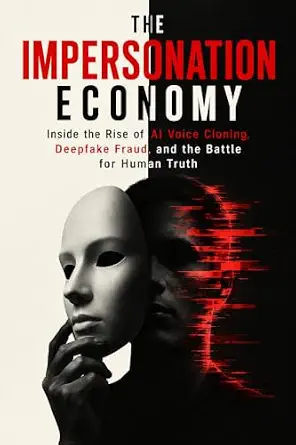 | Best for Cybersecurity and Ethical Analysis Enthusiasts | Audience: Cybersecurity experts and policymakers | Content: Societal, ethical, and technological impacts | Technical detail: Analytical, no hands-on guidance | VIEW ON AMAZON | See Our Full Breakdown |
| Clone Your Voice: Build Your Brand with Tools for Creators & Entrepreneurs |  | Best for Personal Branding and Content Creators | Target Audience: Creators and entrepreneurs | Focus: Brand building and marketing | Content Type: Strategies and tools | VIEW ON AMAZON | See Our Full Breakdown |
| AI Voice Cloning with Python: Build and Deploy a Local AI Voice Cloning Engine | 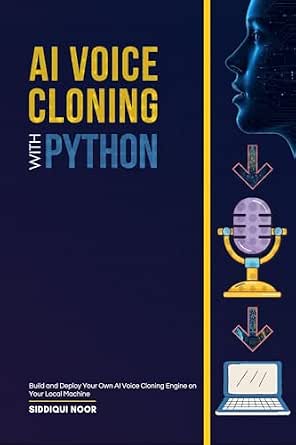 | Best for Developers and Technical Users | Skill Level: Intermediate to advanced | Focus: Building and deploying local engine | Tools Covered: Python, Docker | VIEW ON AMAZON | See Our Full Breakdown |
| AI Images and Videos: The Ultimate Guide |  | Best for Visual Content Creators | Target Audience: Beginners and visual content creators | Content Focus: AI-generated images and videos | Difficulty Level: Beginner | VIEW ON AMAZON | See Our Full Breakdown |
| AI Voices Making: How to Make Voiceovers, Audiobooks & Podcasts with AI Tools |  | Best for Audio Content Creators | Target Audience: Audio content creators | Content Types: Voiceovers, audiobooks, podcasts | Technical Detail: Basic, no software specifics | VIEW ON AMAZON | See Our Full Breakdown |
| ai voice cloning tool | Focus | Technical detail |
|---|---|---|
| The Complete Guide to ElevenLa | — | — |
| AI for Caveman: Build Your Own | Local hosting of AI models | — |
| The Computer Has My Voice: An | — | Conceptual, no hands-on tutorials |
| Building an Interactive AI Vid | Interactive AI video cloning | Limited, conceptual and practical overview |
| The Impersonation Economy: Ins | Societal implications of AI impersonation | Analytical, no hands-on guidance |
| Clone Your Voice: Build Your B | Brand building and marketing | Conceptual, no technical specs |
| AI Voice Cloning with Python: | Building and deploying local engine | — |
| AI Images and Videos: The Ulti | — | Basic, no software specifics |
| AI Voices Making: How to Make | Content creation guidance | Basic, no software specifics |
More Details on Our Top Picks
The Complete Guide to ElevenLabs: AI Voice & Audio Creation
This guide stands out for offering a detailed overview of ElevenLabs’ voice synthesis tools, making it ideal for users who want to understand the full potential of AI voice creation. Compared with more technical options like the Python-based tools, this book is more accessible but less technical itself. It excels in explaining practical applications but falls short on providing the latest updates or technical details, which could be a drawback for advanced users seeking specifics. If you’re starting out or want a broad understanding of AI voice tech, this resource simplifies complex concepts with clear examples. However, for those needing hands-on tutorials or recent feature insights, it might feel limited.
Pros:- In-depth coverage of ElevenLabs tools and features
- Suitable for both beginners and more experienced users
- Clear explanations with practical examples
Cons:- Lacks specific technical details and recent updates
- No information on software updates or new features
Best for: Beginners interested in AI voice synthesis who need a clear, structured overview
Not ideal for: Advanced users seeking technical depth or the latest updates on voice model features
- Audience:Beginners and intermediate users
- Coverage:Comprehensive overview of ElevenLabs tools
- Format:Written guide with practical examples
- Technical depth:Basic to intermediate
- Update info:Limited, no recent features
- Application focus:Audio creation and voice synthesis
Our verdict“This guide makes the most sense for newcomers or those seeking a broad understanding of ElevenLabs’ voice tech without diving into technical complexity.”
AI for Caveman: Build Your Own Forge to Run LLMs, Stable Diffusion, & Voice Cloning Locally
This product excels for those eager to run advanced AI models, including voice cloning, on their own hardware—something the more user-friendly cloud-based solutions like ElevenLabs cannot match. Compared to the book on ElevenLabs, it offers a DIY approach, giving users total control but demanding more technical skill. While it empowers highly capable users to create customized AI environments, it lacks detailed hardware requirements and step-by-step setup instructions, which could pose challenges for less experienced builders. If you’re comfortable with technical setups and want to avoid subscription models, this guide is highly valuable. However, it’s not suited for users without strong technical backgrounds or those seeking quick, plug-and-play solutions.
Pros:- Enables running AI models locally for privacy and customization
- Comprehensive guidance for building a personal AI forge
- Eliminates reliance on third-party cloud services
Cons:- Lacks detailed hardware specifications and requirements
- Requires advanced technical knowledge to implement
Best for: Experienced AI hobbyists and developers wanting total control over their AI models
Not ideal for: Casual users or those new to AI who prefer straightforward, cloud-based voice cloning tools
- Target audience:Experienced AI builders
- Focus:Local hosting of AI models
- Complexity:High, technical setup required
- Hardware needs:Not specified, likely demanding
- Includes:Guides for building AI environment
- Application:Voice cloning, LLMs, Stable Diffusion
Our verdict“This pick makes the most sense for tech-savvy users aiming to host their own AI models for voice cloning and other tasks.”
The Computer Has My Voice: An Independent Guide to Voice Cloning, Speech Generation, and Turning Written Words into Audio
This book provides a thorough exploration of voice cloning and speech generation, making it ideal for readers interested in understanding the principles and ethical considerations behind voice synthesis. Compared with technical guides like the Python-based engine, it emphasizes conceptual understanding and societal impacts, which appeals to beginners and casual learners. While it covers a broad range of topics, it does not include hands-on tutorials or technical setup instructions, which limits its usefulness for users seeking practical, step-by-step guidance. If you want to learn about the ethical side and practical uses of voice cloning without heavy tech focus, this book is a good fit. However, those wanting to build or deploy voice models directly might find it insufficient.
Pros:- Comprehensive coverage of voice cloning principles and ethics
- Accessible language suitable for beginners
- Includes discussions on societal and ethical issues
Cons:- No practical tutorials for technical implementation
- May be too detailed for casual readers only interested in tech
Best for: Beginners and ethical-focused readers interested in the societal implications of voice cloning
Not ideal for: Technical users seeking detailed tutorials or hands-on setup instructions
- Audience:Beginners and ethical enthusiasts
- Content focus:Principles, applications, ethics
- Technical detail:Conceptual, no hands-on tutorials
- Scope:Speech generation and societal impact
- Language:Accessible for lay readers
- Coverage:Voice cloning, ethics, societal implications
Our verdict“This book is best suited for beginners wanting to understand the ethics and fundamentals of voice cloning without diving into technical setup.”
Building an Interactive AI Video Clone: Unlocking the Power of Personalized Communication
This book is tailored for those interested in creating engaging AI-driven video clones for personalized communication. It offers insights into techniques and tools for developing interactive video content, making it a niche choice compared to voice-only solutions like ElevenLabs. While it covers practical methods and useful tools, it lacks detailed technical instructions, which could challenge users without prior AI or video development experience. Its scarcity of reviews suggests it’s more suitable for professionals or serious hobbyists rather than beginners. If your goal is to craft interactive, video-based AI communication, this book provides valuable guidance, but expect a steep learning curve without comprehensive tutorials.
Pros:- Provides insights into AI video cloning techniques
- Useful for personalized communication projects
- Covers practical tools and methods for video AI
Cons:- Lacks detailed technical instructions
- No available customer reviews for validation
- Requires prior AI or video development knowledge
Best for: Content creators and developers eager to produce interactive AI video projects
Not ideal for: Casual users or those solely interested in voice cloning without video elements
- Target:Video content creators and developers
- Focus:Interactive AI video cloning
- Technical detail:Limited, conceptual and practical overview
- Application:Personalized video communication
- Prerequisites:Prior AI or video development experience
- Coverage:Techniques, tools, practical methods
Our verdict“This resource is ideal for creators aiming to develop interactive AI video content, but it’s less suited for newcomers or those seeking step-by-step tutorials.”
The Impersonation Economy: Inside the Rise of AI Voice Cloning, Deepfake Fraud, and the Battle for Human Truth
This book offers a detailed exploration of AI voice cloning’s societal impacts, especially regarding deepfake fraud and impersonation risks. Compared with technical guides, it emphasizes societal and ethical considerations, making it valuable for readers interested in the broader implications of voice cloning technology. It provides deep insights into the rise of impersonation and deepfake scams but doesn’t include technical details or practical solutions for building voice clones, which could limit its usefulness for developers. If you want to understand how voice cloning affects trust and security, this book offers a compelling analysis. However, for those seeking hands-on technical guidance or solutions, it falls short.
Pros:- In-depth analysis of AI voice cloning and deepfake technology
- Raises awareness about impersonation and fraud risks
- Provides societal and ethical context for voice cloning
Cons:- No technical instructions or practical implementation details
- May be too dense for casual readers interested only in tech
Best for: Cybersecurity professionals, policymakers, and readers interested in societal and ethical issues
Not ideal for: Developers seeking technical instructions or practical tools for voice cloning
- Audience:Cybersecurity experts and policymakers
- Content:Societal, ethical, and technological impacts
- Technical detail:Analytical, no hands-on guidance
- Purpose:Raise awareness and inform policy
- Scope:Deepfake, fraud, trust issues
- Focus:Societal implications of AI impersonation
Our verdict“This book is best for those focused on understanding the societal and ethical challenges posed by AI voice cloning, rather than building or deploying voice models.”
Clone Your Voice: Build Your Brand with Tools for Creators & Entrepreneurs
This book stands out for offering practical advice tailored to creators and entrepreneurs seeking to clone their voice for branding purposes. Unlike technical guides such as AI Voice Cloning with Python, it focuses on strategic application rather than deep technical setup, making it ideal for those looking to build a recognizable online presence. The content emphasizes branding, marketing, and content creation, but lacks detailed technical instructions or specific software recommendations, which might limit its usefulness for developers. If your goal is to establish a personal brand through voice, this resource provides actionable strategies, though it doesn’t cover the nuts and bolts of actual voice cloning technology.
Pros:- Practical strategies for building a personal brand
- Useful tools and advice tailored to creators
- Focuses on online presence and content marketing
Cons:- No detailed technical or software specifications
- Content may be more conceptual than hands-on
Best for: Content creators and entrepreneurs interested in leveraging voice cloning for personal branding and marketing.
Not ideal for: Developers or technical users seeking detailed coding tutorials or software setup instructions.
- Target Audience:Creators and entrepreneurs
- Focus:Brand building and marketing
- Content Type:Strategies and tools
- Technical Detail:Conceptual, no technical specs
Our verdict“This book makes sense for creators looking to incorporate voice cloning into their branding efforts without getting bogged down in technical details.”
AI Voice Cloning with Python: Build and Deploy a Local AI Voice Cloning Engine
This pick is ideal for developers eager to build their own voice cloning engine from scratch, standing out from more conceptual resources like Clone Your Voice. It offers a detailed, step-by-step guide to setting up speech synthesis and deploying the model locally, including Docker deployment, which is crucial for those wanting control over their voice data. However, it assumes a certain level of technical proficiency and does not specify prerequisites or software compatibility, which could hinder beginners. Compared to broader guides, this book delivers technical depth but demands a solid foundation in programming and AI concepts.
Pros:- Comprehensive, step-by-step technical instructions
- Includes speech synthesis and Docker deployment
- Suitable for those wanting full control over their models
Cons:- Lacks detailed prerequisites or compatibility info
- Requires programming knowledge and technical skill
Best for: Developers and AI enthusiasts aiming to create a custom, local voice cloning engine.
Not ideal for: Non-technical users or those looking for a ready-to-use solution without coding experience.
- Skill Level:Intermediate to advanced
- Focus:Building and deploying local engine
- Tools Covered:Python, Docker
- Content Type:Technical tutorial
Our verdict“This guide is perfect for tech-savvy users wanting to build and deploy their own voice cloning system locally.”
AI Images and Videos: The Ultimate Guide
While not exclusively about voice cloning, this guide is valuable for creators interested in AI-generated visuals and videos, complementing voice-focused tools like AI Voices Making. It provides easy-to-follow instructions suitable for beginners, helping users produce professional-quality visuals without prior design experience. However, it lacks detailed technical specifications and software recommendations, which may frustrate users seeking advanced features or integrations. This guide is more about broad AI content creation rather than deep technical mastery of voice cloning, making it a good choice for those wanting a well-rounded multimedia approach.
Pros:- User-friendly instructions for beginners
- Covers a wide range of AI tools for visuals and videos
- Helps produce professional-looking content without design skills
Cons:- No detailed technical specifications or software info
- Content might be too basic for advanced users
Best for: Beginners and content creators aiming to produce AI-generated visuals and videos easily.
Not ideal for: Advanced users seeking in-depth technical details or specialized AI tools for complex projects.
- Target Audience:Beginners and visual content creators
- Content Focus:AI-generated images and videos
- Difficulty Level:Beginner
- Technical Detail:Basic, no software specifics
Our verdict“This guide is suited for newcomers wanting to combine AI visuals with voice content, but less for those seeking technical depth in voice cloning.”
AI Voices Making: How to Make Voiceovers, Audiobooks & Podcasts with AI Tools
This book offers a comprehensive overview of creating voiceovers, audiobooks, and podcasts with AI, making it a versatile resource compared to AI Voice Cloning with Python. It covers multiple types of audio content with an emphasis on usability for both beginners and professionals, though it doesn’t go into technical specifics or recommend particular AI tools, which might limit its practical application for users wanting detailed workflows. If your goal is to produce professional audio content without deep technical expertise, this resource provides valuable guidance, but it falls short for those needing detailed technical instructions or software guidance.
Pros:- Broad coverage of voiceover, audiobook, and podcast creation
- Suitable for both beginners and professionals
- Focuses on producing quality audio content
Cons:- Lacks detailed technical instructions
- No specific AI tools or software recommendations
Best for: Beginners and experienced content creators interested in AI-generated voiceovers and audio productions.
Not ideal for: Technical users seeking in-depth tutorials or specific software setup instructions.
- Target Audience:Audio content creators
- Content Types:Voiceovers, audiobooks, podcasts
- Technical Detail:Basic, no software specifics
- Focus:Content creation guidance
Our verdict“This book is ideal for audio creators who want to produce voice content with AI without diving into technical details, but less so for developers seeking hands-on guidance.”

How We Picked
In evaluating these AI voice cloning tools, I focused on core factors that influence buyer success: voice quality, user interface, customization capabilities, ease of deployment, and value for the price. Tools were compared based on the realism of the cloned voices, the learning curve involved, and the flexibility offered to users. I also considered ongoing support and ethical safeguards, as these are critical for responsible use. The ranking reflects a balance between accessible features for most users and advanced options for professionals, ensuring a broad coverage of needs and skill levels.| ai voice cloning tool | Focus | Technical detail |
|---|---|---|
| The Complete Guide to ElevenLa | — | — |
| AI for Caveman: Build Your Own | Local hosting of AI models | — |
| The Computer Has My Voice: An | — | Conceptual, no hands-on tutorials |
| Building an Interactive AI Vid | Interactive AI video cloning | Limited, conceptual and practical overview |
| The Impersonation Economy: Ins | Societal implications of AI impersonation | Analytical, no hands-on guidance |
| Clone Your Voice: Build Your B | Brand building and marketing | Conceptual, no technical specs |
| AI Voice Cloning with Python: | Building and deploying local engine | — |
| AI Images and Videos: The Ulti | — | Basic, no software specifics |
| AI Voices Making: How to Make | Content creation guidance | Basic, no software specifics |