If you’re new to glass fusing, choosing the right kiln is key. I recommend looking for beginner-friendly options like microwave kilns and small ceramic fiber models, which are affordable, easy to use, and safe. I’ve found the top 11 models for 2026 that balance capacity, safety features, and budget, helping you get started with confidence. Keep exploring to discover how these kilns can turn your creative ideas into beautiful glass art.
Key Takeaways
- Focus on beginner-friendly kilns with simple controls, safety features, and quick heating times suitable for new glass artists.
- Prioritize small to medium-sized kilns that fit on countertops and accommodate jewelry or small projects.
- Consider budget options around $50-$150, with reliable brands offering good performance and safety certifications.
- Look for kilns with versatile functions like fusing, slumping, and easy pre-programmed firing schedules.
- Review user feedback on durability, ease of use, and customer support to find the most trusted options for beginners.
| Glass Fusing for Beginners with Microwave Kilns |  | Best Beginner Guide | Size: Compact microwave kiln | Material: Ceramic fiber | Firing Time: Minutes per cycle | VIEW LATEST PRICE | See Our Full Breakdown |
| Contemporary Glass Fusing for Beginners Guide |  | Most Comprehensive | Size: Large microwave kiln | Material: Ceramic fiber | Firing Time: Minutes per firing | VIEW LATEST PRICE | See Our Full Breakdown |
| Glass Fusing Handbook: Beginner Projects in Fused Glass |  | Beginner-Friendly | Size: Small to medium kiln | Material: Ceramic fiber | Firing Time: Minutes per cycle | VIEW LATEST PRICE | See Our Full Breakdown |
| Quick Glass Crafts with Microwave Kiln |  | Quick & Easy | Size: Compact microwave kiln | Material: Ceramic fiber | Firing Time: Minutes per project | VIEW LATEST PRICE | See Our Full Breakdown |
| A Beginner’s Guide to Kiln-Formed Glass: * Fused * Slumped * Cast |  | Versatile Techniques | Size: Medium-sized kiln | Material: Ceramic fiber | Firing Time: Minutes per firing | VIEW LATEST PRICE | See Our Full Breakdown |
| Large Glass Fusing Kiln with Supplies |  | Large Capacity | Size: Large microwave kiln (with supplies) | Material: Ceramic fiber | Firing Time: Minutes per firing | VIEW LATEST PRICE | See Our Full Breakdown |
| Fuse Glass Making for Beginners at Home |  | Creative Exploration | Size: Compact microwave kiln | Material: Ceramic fiber | Firing Time: Minutes per firing | VIEW LATEST PRICE | See Our Full Breakdown |
| Tujoe Large Microwave Kiln with 50 Pcs Kiln Paper |  | Compact & Efficient | Size: Large microwave kiln (with papers) | Material: Ceramic fiber | Firing Time: Minutes per firing | VIEW LATEST PRICE | See Our Full Breakdown |
| Basic Glass Fusing (How To Basics) | 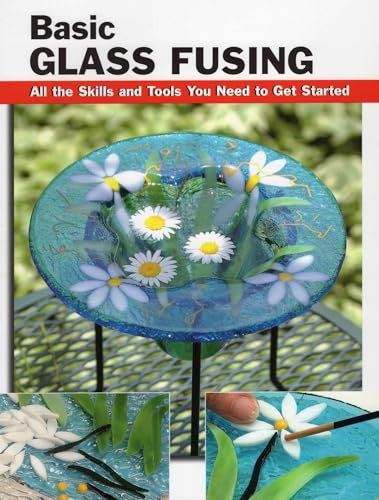 | Step-by-Step Projects | Size: Small to medium kiln | Material: Ceramic fiber | Firing Time: Minutes per cycle | VIEW LATEST PRICE | See Our Full Breakdown |
| Fused Glass Pendant Jewelry Making Guide |  | Jewelry Specialization | Size: Large microwave kiln | Material: Ceramic fiber | Firing Time: Minutes per firing | VIEW LATEST PRICE | See Our Full Breakdown |
| Joy of Fusing – Glass Fusing Basics Molds & More |  | All-in-One Guide | Size: Medium kiln with mold compatibility | Material: Ceramic fiber | Firing Time: Minutes per firing | VIEW LATEST PRICE | See Our Full Breakdown |
More Details on Our Top Picks
Glass Fusing for Beginners with Microwave Kilns
If you’re new to glass fusing and want a simple, affordable way to get started, a microwave kiln is an excellent choice. It allows you to create polished jewelry, coasters, and small decorative pieces right at home, even in limited space. These kilns are easy to use and don’t require expensive tools or complex techniques. I found that understanding how microwave kilns work and setting up a safe workspace made the process enjoyable and stress-free. With some basic materials and patience, you can achieve professional-looking results. It’s a perfect way to experiment, learn, and develop your skills in glass fusing without a big investment.
- Size:Compact microwave kiln
- Material:Ceramic fiber
- Firing Time:Minutes per cycle
- Accessories Included:No
- Recommended Use:Glass fusing/art
- Additional Features:Firing control, beginner focus
- Additional Feature:Focuses on thinking like a fuser
- Additional Feature:Reusing scrap materials encouraged
- Additional Feature:Troubleshooting and firing logs
Contemporary Glass Fusing for Beginners Guide
Contemporary glass fusing for beginners offers a clear and accessible pathway into the world of fused glass art, making it ideal for those just starting out or looking to build confidence. This guide covers fundamental concepts like glass properties, compatibility, and kiln programming, giving you a solid foundation. It walks you through setting up a studio, basic cutting, layering, and fusing techniques, gradually introducing more advanced methods. The focus is on building skills step-by-step, empowering you to experiment confidently and develop your personal style. Whether you’re a hobbyist or aspiring artist, this approach makes learning engaging, manageable, and inspiring.
- Size:Large microwave kiln
- Material:Ceramic fiber
- Firing Time:Minutes per firing
- Accessories Included:No
- Recommended Use:Glass fusing/art
- Additional Features:Advanced techniques, art display
- Additional Feature:Advanced techniques like embedding objects
- Additional Feature:Mixing media with glass
- Additional Feature:Business and marketing advice
Glass Fusing Handbook: Beginner Projects in Fused Glass
The Glass Fusing Handbook: Beginner Projects in Fused Glass is an ideal starting point for anyone new to glass fusing, as it offers clear, step-by-step instructions tailored specifically for beginners. I find it invaluable for understanding fundamental concepts like fusing, slumping, casting, and COE compatibility. The book guides you through setting up a safe workspace and choosing the right tools and glass types. It features easy projects such as pendants, coasters, and sun catchers, along with troubleshooting tips for common issues. Whether you’re just starting or looking to refine your skills, this handbook builds confidence and helps you create beautiful, professional-looking fused glass pieces.
- Size:Small to medium kiln
- Material:Ceramic fiber
- Firing Time:Minutes per cycle
- Accessories Included:No
- Recommended Use:Glass fusing, small projects
- Additional Features:Troubleshooting, beginner projects
- Additional Feature:Step-by-step project instructions
- Additional Feature:Moving into advanced techniques
- Additional Feature:Incorporates commercial opportunities
Quick Glass Crafts with Microwave Kiln
For beginners enthusiastic to explore fused glass art without investing in large, expensive equipment, microwave kilns offer an ideal solution. They enable quick, safe projects right at home, transforming simple glass pieces into cabochons, pendants, earrings, or magnets within minutes. The process is straightforward, with minimal tools and materials needed, making it perfect for hobbyists and curious creators. The guide emphasizes experimenting with colors, textures, and designs while providing step-by-step instructions to guarantee success. With a microwave kiln, you can enjoy crafting beautiful, personalized glass items quickly and easily, turning your ideas into finished art in no time.
- Size:Compact microwave kiln
- Material:Ceramic fiber
- Firing Time:Minutes per project
- Accessories Included:No
- Recommended Use:Glass crafts/jewelry
- Additional Features:Easy, quick projects
- Additional Feature:Wide range of design ideas
- Additional Feature:Emphasizes quick, simple projects
- Additional Feature:Encourages experimentation with textures
A Beginner’s Guide to Kiln-Formed Glass: * Fused * Slumped * Cast
If you’re just starting out with kiln-formed glass, understanding the core techniques—fused, slumped, and cast—can open up a world of creative possibilities. Fusing involves melting glass pieces together to create smooth, unified surfaces, perfect for jewelry or decorative panels. Slumping heats glass over molds to shape it into bowls, plates, or sculptures. Casting uses molds to pour molten glass, capturing intricate designs or textures. Mastering these methods gives you a solid foundation for exploring more complex projects. Whether making functional items or artistic pieces, these basic techniques are essential for turning your ideas into stunning glassworks.
- Size:Medium-sized kiln
- Material:Ceramic fiber
- Firing Time:Minutes per firing
- Accessories Included:No
- Recommended Use:Kiln forming, general crafts
- Additional Features:Various projects, techniques
- Additional Feature:Focus on kiln shaping techniques
- Additional Feature:Surface treatments included
- Additional Feature:Diverse project applications
Large Glass Fusing Kiln with Supplies
A large glass fusing kiln with supplies is an excellent choice for beginners and experienced artists alike who want quick, reliable results in small-scale projects. Made from durable ceramic fiber, it handles glass, clay, and jewelry making with ease. The kit includes kiln paper to prevent sticking, ensuring cleaner finishes. Its compact size—7.68 x 4.33 inches—fits neatly on countertops and heats up faster than traditional kilns, saving time. With its simple operation and versatile features, it’s perfect for creating necklaces, beads, and small ceramics efficiently. Whether just starting out or honing your craft, this kiln offers convenient, high-quality results every time.
- Size:Large microwave kiln (with supplies)
- Material:Ceramic fiber
- Firing Time:Minutes per firing
- Accessories Included:Yes (kiln paper)
- Recommended Use:Glass fusing, pottery, jewelry
- Additional Features:Supplies included, versatile
- Additional Feature:Includes 50 kiln papers
- Additional Feature:Compact, portable design
- Additional Feature:Suitable for small-scale projects
Fuse Glass Making for Beginners at Home
Fusing glass at home is an accessible hobby that opens up creative possibilities for beginners, especially when using a microwave kiln. It’s a simple way to create jewelry, coasters, sun catchers, and small decor pieces without needing a full studio setup. The process involves layering and shaping different glass pieces, adding decorative elements like frits, decals, or mica powders for effects. With basic materials like various glass types and tools, you can experiment safely in your own space. Proper safety precautions and workspace organization make the process smooth and enjoyable. Fusing glass at home is an affordable, rewarding way to explore your artistic side.
- Size:Compact microwave kiln
- Material:Ceramic fiber
- Firing Time:Minutes per firing
- Accessories Included:No
- Recommended Use:Fused glass jewelry and decor
- Additional Features:Beginner to advanced, projects
- Additional Feature:Home-friendly project ideas
- Additional Feature:Focus on layering/decorating
- Additional Feature:Troubleshooting common fuse issues
Tujoe Large Microwave Kiln with 50 Pcs Kiln Paper
The Tujoe Large Microwave Kiln with 50 Pcs Kiln Paper stands out as an excellent choice for beginners thanks to its compact size and user-friendly design. Its white ceramic fiber construction heats quickly, fusing glass in just 6-8 minutes, making it perfect for small projects like jewelry, pottery, or glass fusion at home. Weighing only about 1.5 kg, it’s lightweight, safe, and easy to handle. The set includes 50 kiln papers, providing plenty of material for multiple projects. Its sleek size fits comfortably in a home studio, offering reliable performance and consistent results, all while ensuring safety for hobbyists new to kiln work.
- Size:Large microwave kiln (with papers)
- Material:Ceramic fiber
- Firing Time:Minutes per firing
- Accessories Included:Yes (kiln paper)
- Recommended Use:Glass fusing, jewelry, ceramics
- Additional Features:Complete set, portable
- Additional Feature:Fast firing times (6-8 min)
- Additional Feature:Lightweight and durable
- Additional Feature:Complete with multiple kiln papers
Basic Glass Fusing (How To Basics)
If you’re just starting out with glass fusing, understanding the basics is essential to creating successful projects. I recommend beginning with selecting the right glass types and learning how to cut them accurately. Familiarize yourself with kiln setup, operation, and safety to guarantee smooth, safe firing. Practice creating simple projects like bowls or coasters using full-size patterns and step-by-step instructions. Visual aids, such as detailed photos, help clarify techniques and spark ideas. Additionally, exploring resources on tools and materials will support your ongoing growth in glass fusing. Mastering these fundamentals will give you the confidence to experiment and develop your skills.
- Size:Small to medium kiln
- Material:Ceramic fiber
- Firing Time:Minutes per cycle
- Accessories Included:No
- Recommended Use:Glass fusing/DIY projects
- Additional Features:Full tutorials, projects
- Additional Feature:Full-size pattern guides
- Additional Feature:Visual step-by-step instructions
- Additional Feature:Focus on beginner-friendly projects
Fused Glass Pendant Jewelry Making Guide
Beginners interested in creating stunning fused glass pendants will find this guide invaluable, especially when choosing the right equipment. It offers step-by-step instructions on making jewelry at home using microwave kilns, even without prior experience. The guide covers essential tools like compatible glass and fusing accessories, emphasizing safety and proper technique. I’ve learned how to cut and arrange glass carefully, understand firing times, and avoid common mistakes. It also highlights how to maintain your kiln and troubleshoot issues. This resource boosts confidence and creativity, making fused glass pendant jewelry an enjoyable and achievable craft for anyone starting out.
- Size:Large microwave kiln
- Material:Ceramic fiber
- Firing Time:Minutes per firing
- Accessories Included:Yes (kiln paper)
- Recommended Use:Fused glass jewelry
- Additional Features:Jewelry focus, beginner-friendly
- Additional Feature:Jewelry-specific techniques
- Additional Feature:Focus on pendant creation
- Additional Feature:Emphasizes safety precautions
Joy of Fusing – Glass Fusing Basics Molds & More
For those just starting out in glass fusing, understanding the basics of the craft is essential, and “Joy of Fusing – Glass Fusing Basics, Molds & More” offers exactly that. This extensive guide covers fundamental techniques, mold work, and advanced tips, making it perfect for beginners and experienced fusers alike. With 27 projects, 350 color photos, and detailed firing schedules, it provides clear, step-by-step instructions to help you master essential skills. Whether you’re working with ceramic molds or exploring new techniques, this book equips you with practical advice and visual aids to boost your confidence and creativity in glass fusing.
- Size:Medium kiln with mold compatibility
- Material:Ceramic fiber
- Firing Time:Minutes per firing
- Accessories Included:Yes (kiln paper)
- Recommended Use:Glass fusing/molds
- Additional Features:Mold work, firing schedules
- Additional Feature:Extensive mold work coverage
- Additional Feature:27 projects included
- Additional Feature:Multiple firing schedules
Factors to Consider When Choosing a Glass Kiln for Beginners
When choosing a glass kiln as a beginner, I focus on factors like budget, size, and safety features to find the best fit. It’s important to take into account how much space and power you’ll need, as well as how user-friendly the kiln is. By keeping these points in mind, you can select a kiln that’s safe, efficient, and suited to your skill level.
Budget and Pricing
Choosing the right glass kiln often hinges on your budget, as it influences the size, features, and type of kiln you can afford. For beginners, affordable microwave kilns usually range from $50 to $150, making them an excellent entry point for small projects and learning the basics. If you’re willing to invest more—around $300 or higher—you’ll get larger capacity models with advanced features, better temperature control, and increased versatility. It’s important to set a realistic budget that balances initial costs with ongoing expenses like replacement kiln paper, supplies, and maintenance. Considering these costs upfront helps you avoid surprises and ensures your investment aligns with your project goals and frequency. Being mindful of your budget ultimately guides you toward the best fit for your needs.
Size and Capacity
The size and capacity of a glass kiln directly influence the projects you can create and how comfortably you can work. Smaller kilns are perfect for jewelry and small decorative pieces, while larger ones let you handle bigger projects like panels or multiple items at once. It’s vital to check the inner chamber dimensions to guarantee your typical projects fit without overcrowding or risking damage. Keep in mind that larger kilns often take longer to heat up, which can affect your workflow. As a beginner, selecting a size that offers a good balance between manageable space, ease of use, and project scope is essential. This way, you can develop your skills confidently without feeling overwhelmed by the kiln’s size or capacity.
Power and Voltage
Ensuring the kiln’s voltage matches your home’s power supply is crucial for safe and reliable operation. Most home outlets are 110V or 220V, so selecting a kiln with compatible voltage prevents electrical issues and guarantees consistent firing. Higher wattage kilns heat faster and can handle larger or more complex projects efficiently, but they also require appropriate circuit capacity. For a typical home studio with standard outlets, a 110V kiln is usually sufficient. However, if you plan on doing more intensive work, a 220V kiln might be necessary. Always check the kiln’s power requirements and your circuit’s capacity to avoid overloading, which could cause electrical problems or damage. Matching voltage and wattage to your setup guarantees safe, efficient, and effective firing.
Safety Features Included
Safety features play a crucial role in making sure your glass kiln operates smoothly and prevents accidents. I look for kilns with automatic shut-off and overheat protection, which keep the kiln from overheating or causing damage. Insulated construction is also essential, as it reduces external heat and minimizes the risk of burns during handling or operation. A clear, accessible control panel with safety instructions helps guarantee I use the kiln correctly and reduces user errors. Ventilation options or safety vents are indispensable to prevent the buildup of harmful fumes or excess heat inside the kiln. Additionally, I check for safety certifications or compliance with industry standards, as they indicate the kiln has been tested and approved for safe operation by relevant authorities.
Ease of Use
Choosing a glass kiln that’s easy to operate makes all the difference for beginners. A simple interface with intuitive controls, whether digital or manual, helps you feel confident from the start. Clear, step-by-step instructions and safety features like automatic shut-off or cooling timers make operation safer and more straightforward. Lightweight and portable models are also beneficial, as they’re easier to handle and set up, reducing initial intimidation. A well-designed lid or cover that’s easy to open and close prevents accidents and ensures consistent firing. Additionally, pre-programmed firing schedules or simple customization options help you achieve professional results without complex adjustments. Overall, a user-friendly kiln makes learning faster, safer, and more enjoyable, helping you focus on creating beautiful glass art.
Material Compatibility
When selecting a glass kiln, verifying that it’s compatible with the type of glass you plan to work with, such as COE 90 or COE 96, is vital. Using incompatible glass can lead to cracking or other issues during firing. You also need to confirm the kiln’s temperature range matches your project requirements, typically between 1100°F and 1500°F. Check if the kiln materials, like ceramic fiber or refractory bricks, can withstand high temperatures safely and won’t degrade over time. A precise controller is indispensable to regulate temperature and firing schedules for different glass types and thicknesses. Finally, consider whether the interior size and shape suit your specific projects to prevent overfiring or uneven heating, ensuring consistent, successful results.
Firing Precision
Firing precision is essential for achieving consistent and high-quality glass projects, especially for beginners. Precise temperature control prevents over- or under-firing, which can ruin your work. Look for kilns with programmable firing schedules that let you customize temperature ramps and holds, ensuring repeatable results. A digital temperature display offers real-time feedback, so you can make accurate adjustments during firing. Uniform heat distribution within the kiln is fundamental to prevent defects like bubbles or warping, ensuring even firing across your piece. Additionally, calibration capabilities help maintain firing accuracy over time, which is critical when working with different glass types or complex techniques. Prioritizing these features will give you greater control and confidence as you learn glass firing techniques.
Available Support
Having reliable support from your kiln supplier can make a big difference as you start working with glass. It’s essential to choose a manufacturer that offers extensive customer service through phone, email, or live chat, so you can get help when you need it. Look for detailed user manuals, instructional videos, or online tutorials that make learning and operating your kiln safer and easier. Confirm that replacement parts are readily available and that warranties cover repairs, ensuring long-term support. Additionally, joining a community forum or user group can be invaluable, providing tips and advice from experienced users. Ultimately, prompt and effective responses from the support team reduce downtime and help you gain confidence faster as you learn the craft.
Frequently Asked Questions
What Safety Precautions Are Essential for Beginners Using Glass Kilns?
When using a glass kiln, I always wear heat-resistant gloves and eye protection to prevent burns and injuries. I make sure to work in a well-ventilated area to avoid inhaling fumes. I also keep a fire extinguisher nearby and never leave the kiln unattended while it’s hot. Following these safety steps helps me enjoy glass art while staying safe and sound.
How Do I Maintain and Clean My Glass Kiln Effectively?
Keeping your glass kiln in tip-top shape is essential for safety and performance. I recommend cleaning it regularly with a soft brush and mild detergent, avoiding harsh chemicals that could damage the elements. Always let it cool completely before cleaning, and check for any cracks or wear. Think of it as giving your kiln a health check-up—staying proactive guarantees it runs smoothly and lasts longer.
What Are the Energy Consumption Differences Among Various Kiln Types?
Different kiln types vary in energy use; electric kilns are generally more efficient and easier to control, making them popular among beginners. Gas kilns tend to consume more energy due to their larger heat loss and longer heating times. I’ve found that choosing an electric kiln saves you money on power and simplifies your workflow. If energy efficiency matters to you, electric is usually the way to go for your glass projects.
Can I Upgrade or Modify My Beginner Kiln for Advanced Projects?
Absolutely, you can upgrade or modify your beginner kiln for more advanced projects. I’ve done it myself by adding temperature controls, enhancing insulation, and upgrading elements. Just make certain to check your kiln’s specifications and safety guidelines before making changes. Sometimes, a simple upgrade like a better controller or insulation can markedly improve performance. If you’re unsure, consulting a professional or the manufacturer ensures safe and effective modifications.
What Are Common Troubleshooting Issues Faced by New Kiln Users?
Did you know that about 30% of new kiln users face temperature inconsistencies? I’ve found that common issues include uneven heating, difficulty reaching target temps, or faulty thermocouples. When troubleshooting, I recommend checking your power supply, ensuring proper insulation, and calibrating your thermostat regularly. Don’t forget, reading your kiln’s manual and maintaining it well can save you hours of frustration and improve your firing results profoundly.
Conclusion
Choosing the right glass kiln can turn your creative ideas into stunning pieces. Did you know that the glass fusing market is expected to grow at a CAGR of 6.2% through 2026? With so many beginner-friendly options available, you’re just a kiln away from exploring this fascinating art form. Trust your instincts, consider your needs, and start creating beautiful fused glass pieces that you’ll cherish for years to come.