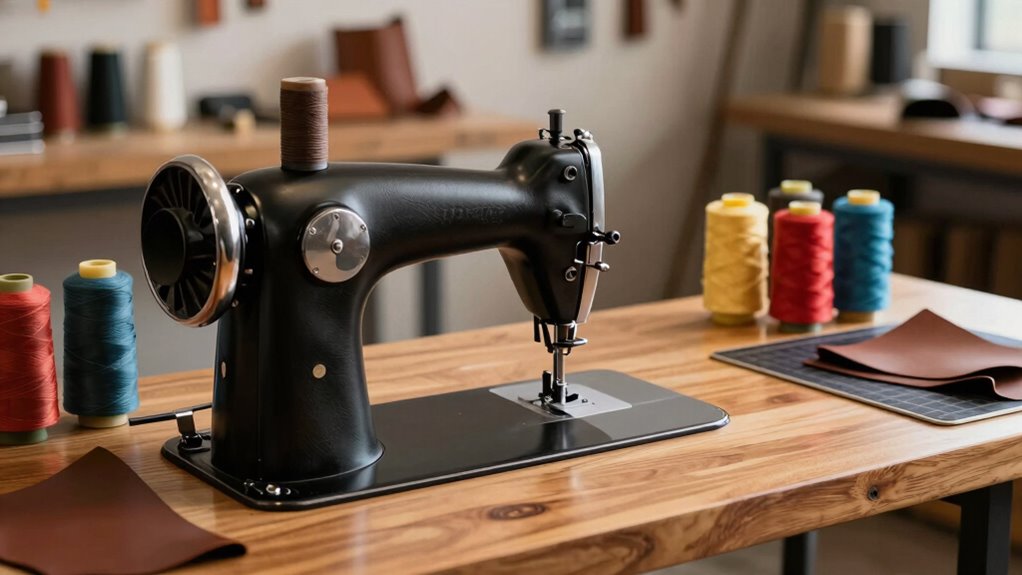

Finding the right leather sewing machine for a small business can be challenging, as you need a balance of durability, performance, and affordability. The 2021 Cobbler Sewing Machine stands out as the best overall pick, offering a powerful motor and sturdy build ideal for frequent use. Meanwhile, the BEAMNOVA Leather Stitching Machine provides a budget-friendly option for those just starting out, and the Heavy Duty Leather Sewing Machine Industrial is perfect for high-volume production. Each choice involves tradeoffs between price, ease of use, and capacity, so understanding these differences is key. Continue reading for a detailed breakdown to help you make the best decision for your small business needs.

Get business pricing on tools and workshop supplies
- Business-only prices and quantity discounts
- Tax-exempt purchasing
- Multiple users, one account, clear invoices
Complete the kit


Key Takeaways
- The best overall leather sewing machine balances power, durability, and ease of maintenance, making it suitable for continuous small business use.
- Budget options like the BEAMNOVA provide decent performance but may lack longevity or advanced features for high-volume work.
- Manual machines are more affordable and portable but require more skill and effort, which might not suit busy small business environments.
- Heavy-duty industrial models excel at high-volume stitching but come with higher upfront costs and larger footprints.
- Considering foot pedal controls and motor power is critical for matching machine capabilities with production demands.
| 2021 Cobbler Sewing Machine with 110V 250W Motor and Stainless Steel Base |  | Best Overall for Versatile Small Business Use | Voltage: 110V | Motor Power: 250W | Max Sewing Thickness: 0.48 inches | VIEW ON AMAZON | See Our Full Breakdown |
| Leather Sewing Machine, Cobbler Sewing Machine, Manual Shoe Sewing Machine |  | Best for Home Use and Small-Scale Repairs | Material: Aluminum alloy | Drive Method: Manual | Rotation: 360° | VIEW ON AMAZON | See Our Full Breakdown |
| Shoe Repair Hand Sewing Machine with 10 Bearings |  | Best for Precise, Durable Repairs on Shoes and Bags | Maximum sewing thickness: 0.48 inches | Number of axes: 10 | Operation: Manual | VIEW ON AMAZON | See Our Full Breakdown |
| BEAMNOVA Leather Stitching Machine, Cobbler Sewing Shoe Repair Tool |  | Best Heavy-Duty Hand-Operated for Professional and DIY Use | Material: Metal with spray coating | Operation: Hand-operated | Included accessories: 10 needles, nylon thread | VIEW ON AMAZON | See Our Full Breakdown |
| Manual Leather Sewing Machine Hand Shoe Cobbler Stitching Repair Mending Machine | 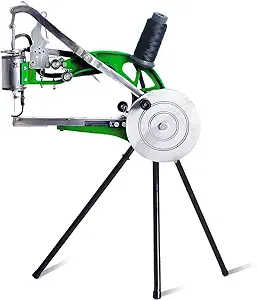 | Best for Versatile Repairs and Small-Scale Projects | Material Compatibility: Nylon and cotton line | Maximum Needle Distance: 6mm | Sewing Direction: Any | VIEW ON AMAZON | See Our Full Breakdown |
| Electric Cobbler Sewing Machine with Vertical Stand for Leather and Shoes |  | Best Overall for Heavy-Duty Leatherwork and Shoe Repair | Maximum sewing thickness: 0.48 inches | Material compatibility: Leather, Shoes, Bags, Clothes, Quilts, Coats | Includes: Vertical stand | VIEW ON AMAZON | See Our Full Breakdown |
| IRONWALLS Leather Cobbler Manual Shoe Repair Sewing Machine with Needles |  | Best for Precise, Manual Shoe Repair and Leatherwork | Material: Iron and aluminum alloy | Supports: Nylon and cotton thread | Application: Shoes, leather bags, tents, clothing | VIEW ON AMAZON | See Our Full Breakdown |
| Leather Cobbler Stitching Machine for Shoe Repair |  | Best Compact Manual Machine for Home Leather Repairs | Material: Aluminum alloy | Drive Method: Manual | Application: Leather shoes, bags, raincoats, clothing | VIEW ON AMAZON | See Our Full Breakdown |
| Shoe Repair Hand Leather Sewing Machine with Bearings and Nylon Line |  | Best Budget Manual Machine with Enhanced Durability | Material: Iron with anti-rust coating | Bearings: Double bearings | Tripod Material: Aluminum alloy | VIEW ON AMAZON | See Our Full Breakdown |
| Heavy Duty Leather Sewing Machine Industrial Canvas Stitching Closer 110V |  | Best for Heavy-Duty, High-Speed Industrial Leather Stitching | Stitches per minute: 2,600 | Max Thickness: 10mm | Power: 190W | VIEW ON AMAZON | See Our Full Breakdown |
| leather sewing machine for small business | Material |
|---|---|
| 2021 Cobbler Sewing Machine wi | — |
| Leather Sewing Machine | Aluminum alloy |
| Shoe Repair Hand Sewing Machin | Nylon line included |
| BEAMNOVA Leather Stitching Mac | Metal with spray coating |
| Manual Leather Sewing Machine | — |
| Electric Cobbler Sewing Machin | — |
| IRONWALLS Leather Cobbler Manu | Iron and aluminum alloy |
| Leather Cobbler Stitching Mach | Aluminum alloy |
| Shoe Repair Hand Leather Sewin | Iron with anti-rust coating |
| Heavy Duty Leather Sewing Mach | — |
More Details on Our Top Picks
2021 Cobbler Sewing Machine with 110V 250W Motor and Stainless Steel Base
This machine stands out for its combination of electric power and manual control, making it highly adaptable for small business cobblers who need to handle a variety of leather projects. Compared with the manual-only Leather Sewing Machine, Cobbler Sewing Machine, Manual Shoe Sewing Machine, this model offers smoother operation thanks to its upgraded spindle, reducing fatigue during longer sessions. Its stainless steel base provides durability, though it might leave knocking marks on handmade surfaces. The ability to sew up to 0.48 inches thick makes it suitable for diverse projects, but the need for manual effort on very thick leather could be a drawback for high-volume use. This pick makes the most sense for small businesses that want a reliable, semi-automatic machine capable of handling thicker materials without sacrificing flexibility.
Pros:- Smooth operation due to upgraded spindle design
- Sturdy stainless steel base enhances durability
- Suitable for sewing thick leather up to 0.48 inches
Cons:- Requires manual effort for very thick materials
- Base may leave knocking marks on handmade surfaces
Best for: Small cobbler shops needing a versatile machine that combines power and manual control
Not ideal for: High-volume manufacturers requiring fully automated, high-speed production
- Voltage:110V
- Motor Power:250W
- Max Sewing Thickness:0.48 inches
- Base Material:Stainless Steel
- Color:Green
Our verdict“This machine is ideal for small cobbler businesses seeking a durable, flexible sewing option with semi-automatic features.”
Leather Sewing Machine, Cobbler Sewing Machine, Manual Shoe Sewing Machine
This manual leather sewing machine is a practical choice for hobbyists or small cobblers who prioritize simplicity and portability. Its durable aluminum alloy construction and 360° rotation make it easy to maneuver around small objects, which is a significant advantage over larger, motorized machines like the Heavy Duty Leather Sewing Machine Industrial Canvas Stitching Closer 110V. However, manual operation means it demands more physical effort, and it’s best suited for light to moderate projects rather than high-volume production. Its support for nylon and cotton threads increases versatility, making it suitable for repairing shoes, bags, or tents. This model is best for those who need a lightweight, easy-to-assemble machine for occasional or small-scale leather work.
Pros:- Durable aluminum alloy build
- 360° rotation for easy sewing around objects
- Supports various thread types for versatility
Cons:- Manual operation can be tiring over time
- Limited capacity for large or thick projects
Best for: Home-based cobblers or hobbyists focusing on small repairs and projects
Not ideal for: Busy small businesses that require high output or automated sewing
- Material:Aluminum alloy
- Drive Method:Manual
- Rotation:360°
- Application:Leather shoes, bags, tents
- Thread Types:Nylon, Cotton
- Item Count:1
Our verdict“This manual machine best suits hobbyists or small-shop owners who value portability and ease of use for light leather tasks.”
Shoe Repair Hand Sewing Machine with 10 Bearings
This upgraded manual cobbler machine excels at detailed repairs, featuring 10 adjustable axes for precise stitching on shoes, bags, and clothing. Unlike the BEAMNOVA Leather Stitching Machine, which targets heavier-duty projects, this model emphasizes fine craftsmanship with its smooth operation and reduced friction, thanks to its upgraded bearings. However, being entirely manual, it demands consistent effort, and its handcrafted nature might leave knocking marks, which can be a concern for some. Its capacity to sew up to 0.48 inches thick makes it suitable for mid-range repair work. This machine is perfect for artisans who prioritize stitch quality over speed, especially in small-volume repair shops.
Pros:- Smooth operation with reduced friction
- Versatile with 10 adjustable axes
- Handcrafted for durability and precision
Cons:- Requires manual effort and stamina
- May leave knocking marks due to handcrafted design
Best for: Detail-oriented cobblers focused on high-quality shoe and bag repairs
Not ideal for: High-volume production environments needing fast, automated sewing
- Maximum sewing thickness:0.48 inches
- Number of axes:10
- Operation:Manual
- Material:Nylon line included
Our verdict“Ideal for small-scale, precision repairs where stitch quality and control are priorities over speed.”
BEAMNOVA Leather Stitching Machine, Cobbler Sewing Shoe Repair Tool
The BEAMNOVA Leather Stitching Machine is designed for those needing a rugged, manual solution for thick leather and heavy fabrics. Its heavy-duty metal construction and upgraded spray coating ensure longevity under frequent use, making it a strong competitor against the Heavy Duty Leather Sewing Machine Industrial Canvas Stitching Closer 110V for demanding small business tasks. Its lightweight aluminum support makes it easy to move around a workshop or a DIY space, and the included starter kit adds value. However, without motorized options, extended sewing sessions can be tiring, and it’s primarily suited for leather and dense textiles rather than lighter fabrics. This machine is best for professional cobblers or DIY enthusiasts who need a sturdy, portable hand tool for thick materials.
Pros:- Heavy-duty construction for thick materials
- Portable with lightweight aluminum support
- Includes starter kit with needles and thread
Cons:- Manual operation requires effort for extended use
- Limited to heavy fabrics and leather
Best for: Professional cobblers or serious hobbyists working with heavy leather and thick materials
Not ideal for: High-volume production or lighter fabric sewing tasks
- Material:Metal with spray coating
- Operation:Hand-operated
- Included accessories:10 needles, nylon thread
- Design:Free-standing with open arm
Our verdict“This pick is well-suited for those who need a durable, portable manual machine for heavy leather projects in small businesses or workshops.”
Manual Leather Sewing Machine Hand Shoe Cobbler Stitching Repair Mending Machine
This manual leather sewing machine offers notable flexibility with its adjustable needle spacing up to 6mm and ability to sew in any direction. Compared to the Shoe Repair Hand Sewing Machine with 10 Bearings, it provides more control for detailed mending on shoes, bags, and other leather items. Its simple assembly and reliable performance make it suitable for cobblers or small repair shops. The main tradeoff involves manual effort—longer sewing times and physical work—limiting its appeal for high-volume tasks. It excels in small-scale repairs and projects where precision and adaptability matter most, especially for artisans working on various materials.
Pros:- Adjustable needle spacing up to 6mm
- Can sew in any direction for maximum flexibility
- Simple to assemble and operate
Cons:- Manual operation can be physically demanding
- Limited capacity for large or thick materials
Best for: Small repair shops needing adjustable, directional sewing for diverse leather repairs
Not ideal for: High-volume manufacturing or projects requiring fast turnaround
- Material Compatibility:Nylon and cotton line
- Maximum Needle Distance:6mm
- Sewing Direction:Any
- Suitable For:Leather shoes, bags, raincoats
Our verdict“This machine is perfect for small workshops or cobblers seeking versatile, precise manual sewing on leather and fabric items.”
Electric Cobbler Sewing Machine with Vertical Stand for Leather and Shoes
This electric cobbler machine stands out for its robust construction and ability to handle materials up to 0.48 inches thick, making it ideal for small businesses focused on shoe repair and leather accessories. Compared to manual options like the IRONWALLS Leather Cobbler, it offers faster, less tiring operation with less manual effort, but it requires proper lubrication and may need a motor attachment for optimal efficiency. Its versatility with nylon and cotton threads enables a range of projects, from bags to coats, while the vertical stand provides stability during prolonged use. However, its limitation in sewing thickness and dependency on maintenance means it’s best suited for ongoing, heavier workloads rather than occasional repairs.
Pros:- Heavy-duty construction supports various leather and fabric weights
- Optimized spindle for smooth, consistent sewing
- Compatible with nylon and cotton threads for project versatility
- Vertical stand offers added stability during operation
Cons:- Requires regular lubrication for best performance
- Limited to sewing thickness up to 0.48 inches
- May need a motor attachment for higher efficiency
Best for: Small business owners specializing in shoe repair and leather accessories needing a durable, semi-automated machine.
Not ideal for: Beginners or hobbyists without experience in machine maintenance or those working with very thick or multilayered materials regularly.
- Maximum sewing thickness:0.48 inches
- Material compatibility:Leather, Shoes, Bags, Clothes, Quilts, Coats
- Includes:Vertical stand
- Thread type:Nylon or cotton
Our verdict“This machine is best suited for small businesses that need reliable, semi-automated leather sewing with moderate thickness capacity.”
IRONWALLS Leather Cobbler Manual Shoe Repair Sewing Machine with Needles
This manual machine excels for small-scale shoe repair and DIY leather projects, especially when precision control is required. Unlike the Heavy Duty Leather Sewing Machine Industrial that relies on electric power, it provides tactile feedback and fine control through its manual operation, ideal for delicate or detailed work. Made from durable iron and aluminum alloy, it supports various fabrics and thick materials, but the need for self-assembly and manual effort mean it’s less suited for high-volume or extended use without fatigue. The 360-degree foot and needle rotation enhance versatility for complex stitching patterns, making it a favorite for artisans who value craftsmanship over speed.
Pros:- Durable construction with high-quality materials
- Supports a wide range of fabrics and leather thicknesses
- Manual control allows for precise stitching
- Easy to assemble and operate
Cons:- Requires physical effort, potentially tiring during extended use
- Manual operation limits productivity in high-demand settings
- Assembly may be challenging for some users
Best for: Small business owners or hobbyists who prioritize precision in shoe repair and leather crafting and prefer manual tools.
Not ideal for: Businesses requiring high-volume production or those lacking patience for assembly and manual operation.
- Material:Iron and aluminum alloy
- Supports:Nylon and cotton thread
- Application:Shoes, leather bags, tents, clothing
- Assembly:Easy, takes a few minutes
- Rotation:360-degree foot and needle
Our verdict“This machine is ideal for artisans and small-scale repair shops focusing on detailed, handcrafted leather work.”
Leather Cobbler Stitching Machine for Shoe Repair
This manual cobbler machine, made from durable aluminum alloy, makes a practical choice for small home-based leather repair projects. It’s more compact than the Heavy Duty Leather Sewing Machine Industrial Canvas Stitcher, which is designed for industrial use, but it still supports sewing with nylon or cotton threads across various leather and fabric items. Its simple assembly and manual operation give users control over stitching quality, though it’s less suitable for frequent, high-volume repairs due to its smaller size and less powerful motor.
Pros:- Compact and lightweight for easy storage
- Made from durable aluminum alloy
- Supports various leather and fabric items
- Easy to assemble and operate
Cons:- Manual operation can be tiring for frequent use
- Limited scope for large or thick materials
Best for: Home-based leather crafters and small-scale repair enthusiasts needing a lightweight, easy-to-assemble machine.
Not ideal for: Small businesses with high-volume repair demands or those needing advanced automation features.
- Material:Aluminum alloy
- Drive Method:Manual
- Application:Leather shoes, bags, raincoats, clothing
- Included Components:Leather sewing machine
Our verdict“This machine fits small-scale, occasional leather repairs but is less suited for busy commercial settings.”
Shoe Repair Hand Leather Sewing Machine with Bearings and Nylon Line
This manual shoe cobbler machine, reinforced with double bearings, offers a durable solution for leather repairs on a budget. Compared with the IRONWALLS Leather Cobbler, it emphasizes longevity with strengthened iron parts and improved stability, although it shares the manual operation’s inherent fatigue and effort. Suitable for repairing shoes, bags, and clothing, it includes clear instructions for assembly, but rust prevention and regular maintenance are necessary to keep it performing well. Its lightweight design makes it accessible for small shops or mobile repair setups, though the effort involved may limit frequent use.
Pros:- Reinforced iron with anti-rust coating enhances durability
- Double bearings improve stability and lifespan
- Lightweight and easy to assemble
- Supports a variety of leather and fabric repairs
Cons:- Rust risk if not maintained properly
- Manual operation can be tiring over time
- Knocking marks from assembly may affect finish
Best for: Budget-conscious small business owners or DIY repairers focusing on durability and straightforward operation.
Not ideal for: Heavy-volume repair shops or users who prefer powered or automated machines to reduce manual effort.
- Material:Iron with anti-rust coating
- Bearings:Double bearings
- Tripod Material:Aluminum alloy
- Application:Leather, shoes, bags, clothes
Our verdict“This machine is best for small shops or hobbyists seeking a durable, low-cost manual leather repair tool.”
Heavy Duty Leather Sewing Machine Industrial Canvas Stitching Closer 110V
This industrial machine is designed for fast, high-volume sewing of tough materials like leather and canvas, making it ideal for larger workshops or small factories. Its impressive speed of up to 2,600 stitches per minute and adjustable needle height support demanding tasks, surpassing the capabilities of smaller manual or semi-automatic models like the Electric Cobbler Sewing Machine. However, its complexity and lack of digital controls mean it’s less accessible for beginners and requires some technical skill to operate effectively. It’s best suited for businesses that need to produce large quantities of heavy leather goods efficiently.
Pros:- Very high stitching speed for rapid production
- Supports thick materials up to 10mm
- Manual and automatic thread cutting modes increase efficiency
- Adjustable needle height for different materials
Cons:- Less suitable for delicate or lightweight fabrics
- Requires technical knowledge to operate properly
- Lacks digital controls for precision
Best for: Small leather or canvas product manufacturers needing high-speed, industrial-grade stitching capacity.
Not ideal for: Small-scale artisans or hobbyists working with delicate fabrics or infrequent repairs, due to its size and power requirements.
- Stitches per minute:2,600
- Max Thickness:10mm
- Power:190W
- Speed:18000rpm
- Thread Spools:2
- Blades:3
- Voltage:110V
Our verdict“This machine is perfect for small businesses with high-volume, heavy-duty sewing needs and technical expertise.”

How We Picked
These products were evaluated based on several key criteria: motor power and stitching capacity, build quality and durability, ease of use, maintenance requirements, and overall value for small business owners. We prioritized machines that can handle thick leather and extended use without frequent breakdowns. Additional factors like price point, brand reputation, and user feedback also influenced the rankings. The top picks are those that offer a balanced combination of performance, affordability, and longevity, ensuring they meet the needs of small business leather crafters while managing costs effectively.| leather sewing machine for small business | Material |
|---|---|
| 2021 Cobbler Sewing Machine wi | — |
| Leather Sewing Machine | Aluminum alloy |
| Shoe Repair Hand Sewing Machin | Nylon line included |
| BEAMNOVA Leather Stitching Mac | Metal with spray coating |
| Manual Leather Sewing Machine | — |
| Electric Cobbler Sewing Machin | — |
| IRONWALLS Leather Cobbler Manu | Iron and aluminum alloy |
| Leather Cobbler Stitching Mach | Aluminum alloy |
| Shoe Repair Hand Leather Sewin | Iron with anti-rust coating |
| Heavy Duty Leather Sewing Mach | — |
Factors to Consider When Choosing Leather Sewing Machine For Small Business
Choosing the right leather sewing machine for your small business involves understanding your specific needs and the features that support efficient production. Beyond initial costs, consider how the machine’s power and build quality will hold up over time, especially if you’re sewing thick or multiple layers of leather regularly. Ease of operation is also vital; a machine that’s too complex can slow down workflow, while one that’s too simple might lack necessary features. The right machine should fit your current workload but also allow room for growth as your business expands. Keep in mind that investing in quality upfront can reduce long-term repair costs and downtime.Power and Stitching Capacity
The motor strength directly impacts your ability to sew thick or multiple layers of leather efficiently. Look for machines with at least 110V power for small-scale production, but higher wattage models offer better performance for bulk work. A machine’s ability to handle heavy leather without stalling is essential to avoid delays and frustration, especially when producing multiple items daily. Remember, more powerful motors tend to be pricier and slightly louder but are often worth the investment for durability and speed.
Build Quality and Durability
Since small business leather work involves frequent use, a robust, all-metal frame is preferable over plastic components. Machines with stainless steel bases and heavy-duty metal parts resist wear and maintain alignment over time, reducing maintenance costs. Cheaper plastic models may seem appealing initially but tend to break down faster under continuous work. Prioritizing build quality ensures your investment lasts years and handles demanding projects reliably.
Ease of Use and Learning Curve
For small business owners who may not have extensive sewing experience, a machine with straightforward controls and clear instructions is beneficial. Features like adjustable stitch length, foot pedal control, and simple threading can expedite setup and reduce errors. Conversely, overly complex machines with numerous settings might require training or trial-and-error, potentially slowing down production. Striking a balance between functionality and user-friendliness is key to maintaining productivity.
Maintenance and Support
Frequent use of leather sewing machines demands regular maintenance, including cleaning, oiling, and replacing needles or belts. Opt for brands with accessible spare parts and responsive customer service, as this minimizes downtime. A machine that’s easy to service and comes with comprehensive manuals or tutorials can save significant time and expenses in the long run. Investing in a machine with a good support network is particularly valuable for small businesses without dedicated repair staff.
Price and Long-Term Value
While budget options may seem attractive initially, they can lead to higher costs over time due to frequent repairs or limited capacity. Conversely, premium models typically offer better build quality, more features, and longer warranties, which can justify higher upfront costs. Consider your production volume and future growth when setting your budget—sometimes, spending a bit more now results in greater efficiency and fewer disruptions later. Evaluating the total cost of ownership helps ensure the machine remains a productive asset rather than a recurring expense.
Frequently Asked Questions
Can a regular sewing machine be used for leather work in a small business?
Standard household sewing machines generally lack the power and durability needed to sew thick leather efficiently. They often struggle with multiple layers or heavy-duty materials, leading to skipped stitches, broken needles, or machine damage. For small business leatherwork, investing in a dedicated leather sewing machine or a heavy-duty model ensures consistent results and reduces frustration. This specialized equipment is designed to handle the stress of thicker, tougher materials and frequent use.
How important is motor power when choosing a leather sewing machine for my business?
Motor power is a critical factor because it determines how well the machine can handle thick, dense leather and multiple layers. A more powerful motor reduces the effort required to sew through tough materials, speeds up production, and minimizes thread breakage or skipped stitches. For small businesses with regular leather projects, a motor wattage of at least 110V or higher is recommended. Choosing a machine with sufficient power helps maintain consistent quality without overworking the equipment.
Should I opt for a manual or electric leather sewing machine?
Manual machines are often less expensive and more portable but require significant physical effort and skill, making them less suitable for high-volume or fast-paced environments. Electric models offer greater consistency, ease of use, and speed, which are advantages for small business owners aiming for productivity. If your workload is moderate and you value portability, a manual machine might suffice; however, for regular, high-volume sewing, an electric model is generally more practical and efficient.
What maintenance does a leather sewing machine require?
Regular maintenance is vital to keep your leather sewing machine functioning smoothly. This typically involves cleaning dust and lint from the bobbin area and feed dogs, oiling moving parts according to the manufacturer’s instructions, and replacing worn needles and belts. Proper maintenance reduces the risk of breakdowns, extends the machine’s lifespan, and ensures consistent stitching quality. Investing time in routine upkeep is especially important in a small business setting where downtime can directly impact revenue.
How do I determine the right sewing machine size for my small business?
The ideal size depends on your workspace and production volume. Compact machines are easier to store and transport, suitable for small studios or mobile setups. Larger, industrial models require more space but provide higher durability and greater capacity for intensive projects. Measure your available space and consider your future growth plans; a slightly larger machine might be a better long-term investment if you anticipate increasing your leather product output. Balancing size with performance helps optimize your workflow without sacrificing efficiency.
Conclusion
For small business owners seeking a versatile, reliable option, the 2021 Cobbler Sewing Machine offers an excellent balance of power, durability, and ease of use, making it the best overall choice. Budget-conscious entrepreneurs might prefer the BEAMNOVA Leather Stitching Machine, which provides decent performance at a lower price point. Those with high-volume needs should consider the Heavy Duty Leather Sewing Machine Industrial, designed for demanding workloads. Beginners or hobbyists should focus on machines with straightforward controls and lower learning curves, while experienced users should prioritize models with higher motor power and build quality. Your specific production volume, workspace, and budget will determine the best fit for your small business.