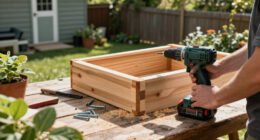

This checklist is for DIYers who want a workshop that’s easier to navigate, with tools and supplies kept where they can be found. Whether you’re setting up a new space or improving an existing one, use the picks as starting points for organizing common workshop areas. Match each choice to the tools and materials you actually store.

Get business pricing on tools and workshop supplies
- Business-only prices and quantity discounts
- Tax-exempt purchasing
- Multiple users, one account, clear invoices
The checklist is organized by storage job: cabinets, wall-mounted organizers, bins, drawer organizers, lumber racks, and mobile carts. Each section focuses on a different part of the workshop, from keeping supplies grouped to making materials easier to access. Start with your workflow and identify where clutter slows you down.
Before choosing a product, measure the intended space and check how it will work with your existing shelves, drawers, walls, or materials. Use the look-for points to compare options, then confirm dimensions and mounting or mobility details with the product information. Measure first and leave room for access and movement.
Tool storage cabinets
A cabinet system can give tools and workshop supplies a defined home, especially when open shelves or benches have become catchalls. The listed pick is the Garage Storage Cabinet System 12-Pc Workshop Set – Black. Think through what needs to go inside before choosing a cabinet layout: bulky tools, frequently used hand tools, and supplies may call for different kinds of storage. Plan by category so items are easier to return to their place.
A common buying mistake is selecting a system based on its piece count or appearance without checking whether the pieces suit the available footprint. Measure the wall and floor area, including clearance for doors, drawers, and nearby equipment. Check product details for each cabinet’s dimensions, interior layout, installation requirements, and whether the set can be arranged in the way your workshop needs. Verify the full layout before committing.
Consider how the cabinets will fit with your workbench and other storage. Keep items used together near each other, and make sure heavier tools will have an appropriate storage location. If the set’s configuration or dimensions don’t fit your space, compare individual cabinets or another arrangement that better matches the room. Fit the system to your work area and routine.
What to look for:
- Measure the full available wall and floor footprint
- Check each cabinet’s dimensions and interior layout
- Confirm door and drawer clearance in the planned position
- Review assembly and installation requirements
- Plan where frequently used and bulky tools will go
Garage Storage Cabinet System 12-Pc Workshop Set – Black

The HPDMC garage storage system provides a complete workshop solution with lockers, wall cabinets, drawer units, a rolling chest, workbench and pegboards—all in sturdy black steel. Adjustable shelves hold up to 150 lb each, and the modular design works with standard 1/4‑inch and 1/8‑inch pegboard accessories for flexible tool organization.
Pros:
- Heavy‑duty cold‑rolled steel construction ensures strength and durability.
- Adjustable shelves can bear up to 150 lb each for versatile storage.
- Comprehensive set includes lockers, cabinets, rolling chest, workbench and pegboards.
- Compatible with standard pegboard hooks, bins, and accessories.
Cons:
- Total weight of 493 lb makes moving the system challenging.
- Large footprint may not fit smaller garage spaces.
- Assembly can be time‑consuming due to many components.
Best for: DIYers organizing several tool and supply categories in one area
Not ideal for: Workshops without enough floor or wall clearance for the set
Bottom line: Choose the set only after confirming its layout and dimensions suit your workshop.
Wall-mounted tool organizers
Wall-mounted organizers can make tools easier to see and reach while freeing up bench and floor space. Since this checklist has no specific product pick for this slot, treat it as a planning step: list the tools you want within arm’s reach, then decide whether hooks, rails, racks, or another wall system fits that collection. Start with your tool shapes and how often you use each item.
A frequent mistake is buying a wall organizer before checking the wall itself. Identify the wall material and the mounting method the organizer requires, then confirm that the hardware and installation approach are suitable. Measure the available wall area and consider nearby doors, outlets, windows, cabinets, and the reach needed to retrieve tools. Check mounting compatibility and access before selecting a system.
Plan spacing around the tools rather than assuming a compact arrangement will work. Handles and long tools need room to lift out, and frequently used items should be reachable without moving others. Check the organizer’s stated capacity and dimensions, and avoid placing tools where they interfere with work surfaces or walkways. If the wall or tool collection changes, choose a system that can be rearranged when needed. Leave useful clearance for both hands and tools.
What to look for:
- Confirm the organizer’s mounting method suits the wall
- Measure available wall space and nearby obstructions
- Check stated dimensions and capacity
- Allow room to remove tools without shifting neighbors
- Place frequently used tools within easy reach
Modular storage bins
Small parts can disappear into mixed boxes or open shelves, making a bin system useful for keeping hardware and supplies grouped. The listed pick is Akro-Mils Heavy Duty Plastic Shelf Bins, 12″x8″x4″, Blue, 12-Pack. Its stated dimensions provide a starting point for checking shelf fit, while the pack gives you a set of bins to plan around. Group similar parts before deciding how many bins you need.
One common mistake is assuming a bin will fit because its label sounds close to a shelf’s size. Measure the usable shelf depth and width, account for neighboring bins, and check whether the bin’s height works under any shelf above it. Confirm the listed dimensions against the product details and consider how the bins will be accessed when full. Check the usable opening as well as the shelf footprint.
Think about what each bin will hold and whether labels or dividers are needed for your categories. Keep heavier contents in locations that are comfortable to reach, and avoid overfilling bins in a way that makes parts difficult to identify or retrieve. If you plan to use the bins with existing shelving, confirm that the shelf design supports the intended arrangement. Make the contents visible and easy to return after a project.
What to look for:
- Compare the stated 12″x8″x4″ dimensions with shelf space
- Check clearance above each bin
- Plan categories for the 12-pack
- Consider access when bins are full
- Use labels to distinguish similar contents
Akro-Mils Heavy Duty Plastic Shelf Bins, 12"x8"x4", Blue, 12-Pack

These heavy-duty plastic shelf bins are versatile and durable, suitable for organizing spaces like garages, kitchens, offices, and closets. Made from industrial-grade plastic, they are waterproof, easy to clean, and designed for spill-free access with customizable options for organization.
Pros:
- Durable and made from industrial-grade plastic
- Waterproof and easy to clean
- Space-saving with stable stacking design
- Versatile for various storage needs
Cons:
- Not stackable when fully loaded
- Requires optional dividers and label holders for customization
Best for: Organizing small parts and supplies on compatible shelves
Not ideal for: Shelves that cannot fit the stated bin dimensions
Bottom line: Confirm shelf clearance and plan bin categories before putting the set to work.
Workbench drawer organizers
Workbench drawers often collect mixed tools and supplies, which can make even familiar items harder to find. The listed pick is Drawer Organizer – Craft Storage with Dividers and Labels (Thicker). Dividers and labels point to a way to separate drawer contents, but the organizer only helps if its layout fits both the drawer and the items you plan to store. Sort drawer contents first to see which compartments you need.
A common mistake is choosing an organizer by its description without measuring the drawer interior. Measure the usable width, depth, and height, including any hardware or edges that reduce the space. Check the product’s dimensions and whether dividers can be adjusted or removed; confirm those details in the product information rather than assuming they suit your drawer. Measure the inside of each target drawer.
Consider the size and shape of the contents: long tools, small accessories, and irregular items may need different compartment arrangements. Labels work best when the categories are stable and easy to understand, so leave room to revise them as your projects change. If you are organizing several drawers, decide which items belong at the bench and which can live elsewhere. Keep daily tools close and avoid packing compartments so tightly that retrieval becomes awkward.
What to look for:
- Measure drawer interior width, depth, and height
- Check organizer dimensions against drawer clearances
- Confirm divider adjustability in product details
- Match compartments to the tools and supplies stored
- Plan clear labels for recurring categories
Drawer Organizer – Craft Storage with Dividers and Labels (Thicker)

This organizer features two drawer sizes—large and small—in a single unit, allowing you to store screws, beads, electronics, and other mixed items efficiently. Each drawer comes pre‑installed with dividers, spill‑proof tabs, and includes 54 label stickers for easy identification.
Pros:
- Two drawer sizes in one unit accommodate a variety of small parts and craft supplies.
- Pre‑installed dividers, spill‑proof tabs, and 54 label stickers simplify organization.
- Stackable and wall‑mountable with included hardware saves floor space.
Cons:
- Only 54 label stickers may be insufficient for extensive sorting needs.
- Plastic construction, while durable, may not support very heavy tools.
Best for: Workbench drawers holding mixed small tools and craft supplies
Not ideal for: Drawers whose interior dimensions do not fit the organizer
Bottom line: Measure the drawer and match the compartment layout to its contents.
Lumber storage racks
Boards and firewood take up space and can be awkward to keep organized, so a dedicated rack may help define a storage area. The listed pick is Woodhaven 8-Foot Raised Firewood Rack with Cover, 1/2 Cord, Made in US. Its name specifies an eight-foot rack and a firewood use, so compare those details with the material and space you have before considering it for your setup. Match the rack to the items it is intended to hold.
A common mistake is treating a firewood rack as automatically suitable for lumber storage. Check the product details for intended use, dimensions, load guidance, and placement requirements; don’t assume compatibility with boards or other materials from the name alone. Measure the planned area and consider the length and quantity of what you will store. Confirm the intended use before buying.
Also plan how you will load and retrieve materials. Check whether the cover and raised design suit the location, and ensure the rack can sit where access remains clear. For boards, compare the rack’s support arrangement with the lengths and shapes of your stock using the manufacturer’s guidance. If the product is meant for firewood and your goal is lumber storage, look for a rack specified for lumber instead. Verify fit and support with the product information and your materials.
What to look for:
- Check that the stated firewood use matches your storage need
- Measure the eight-foot rack footprint and access area
- Review product dimensions and load guidance
- Confirm placement needs for the cover and raised design
- For lumber, verify the rack is specified for boards
Woodhaven 8-Foot Raised Firewood Rack with Cover, 1/2 Cord, Made in USA

This durable steel firewood rack holds 1/2 cord (64 cubic feet) of 24-inch logs, keeping firewood dry and organized for indoor or outdoor use. It features a breathable cover to protect the top layer and is easy to assemble without tools, ensuring quick setup and long-lasting strength.
Pros:
- Sturdy heavy-duty steel construction for durability
- Easy to assemble without tools in about 30 minutes
- Includes a breathable cover to keep firewood dry and promote curing
- Made in the USA with quality craftsmanship
Cons:
- Large size may require ample outdoor space
- Weight of rack may be heavy for some users to move easily
- Cover dimensions may not fit all log sizes perfectly
Best for: Storing firewood when the stated rack dimensions fit the space
Not ideal for: Lumber storage unless the product details confirm compatibility
Bottom line: Match the rack’s stated use and dimensions to the materials you plan to store.
Mobile workshop carts
A mobile cart can keep selected tools or equipment together and move them closer to the task at hand. The listed pick is GEARWRENCH Diagnostic Mobile Workcenter Cart. Before choosing it, decide what should travel with you and where the cart will be used. A cart is most useful when its storage arrangement suits the equipment and it can move through the paths in your workshop. Plan the route as well as the storage.
A common mistake is focusing only on the cart’s name without checking its size, storage layout, and mobility details. Measure doorways, aisle widths, and the places where the cart will turn or park. Check the product information for dimensions, compartments, wheel details, and any stated capacity. Check every pinch point between storage and work areas.
Think about the surface the cart will cross and whether its contents need to stay organized while it moves. Keep heavier items in positions recommended by the manufacturer, and make sure the cart can be parked without blocking access to benches, cabinets, or exits. If you need a cart for a particular diagnostic setup, verify that the included storage arrangement supports the tools and equipment you intend to keep together. Match the layout to the work that moves around the shop.
What to look for:
- Measure cart dimensions against aisles and doorways
- Check compartments against the equipment you plan to store
- Review wheel and mobility details
- Confirm any stated capacity and loading guidance
- Choose a parking spot that keeps walkways clear
GEARWRENCH Diagnostic Mobile Workcenter Cart

This versatile diagnostic cart is designed for diagnostic devices, accessories, and laptops, with optional space for print devices. Made from heavy-duty stainless steel and steel drawers, it offers sturdy organization with a lockable cover lid to secure electronic devices.
Pros:
- Sturdy heavy-duty construction
- Secure lockable lid
- Ample drawer capacity
Cons:
- No specific dimensions provided
- Potentially heavy to move
Best for: Keeping a compatible diagnostic setup together and movable
Not ideal for: Workshops with narrow routes or no clear parking area
Bottom line: Check the cart’s dimensions, storage layout, and route through the workshop.
Build the organization in a practical order: first measure the workshop and identify the main clutter points, then choose storage for the tools and materials used most often. Add bins and drawer organizers once you know what needs sorting, and consider cabinets, wall storage, or a cart according to available space and workflow. Prioritize daily access and verify dimensions before each purchase.
You do not need to reorganize the entire shop at once. Choose one area, give its contents clear homes, and adjust the arrangement after using it on a few projects. A setup that fits your tools, materials, and routine is easier to maintain. Small, measured steps can make the workshop more manageable.
Black Friday Picks

Vitamix 5200 Blender with 64 oz. Container, Black
As an affiliate, we earn on qualifying purchases.