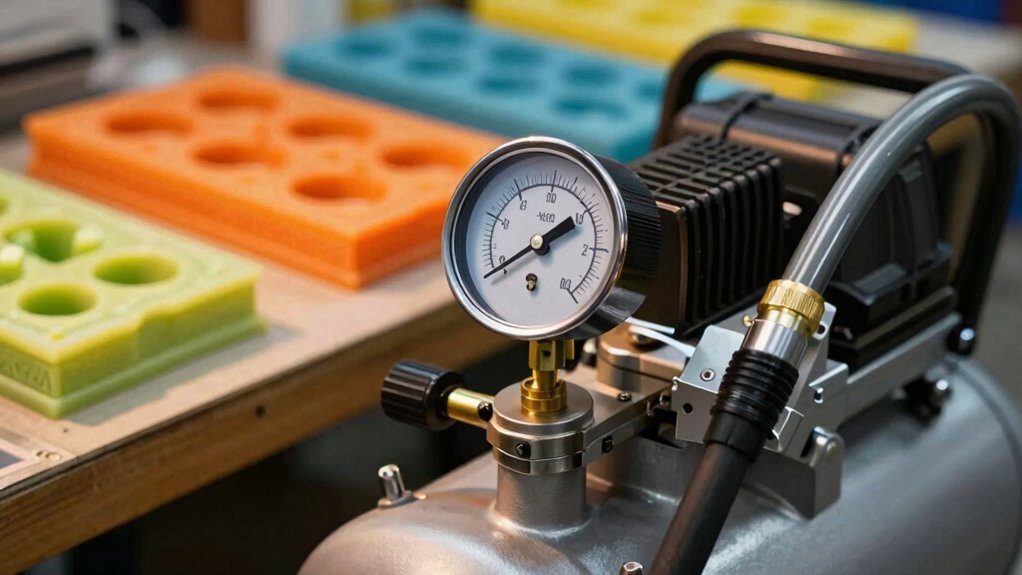

To avoid underpowering your pressure pot, you need to select an air compressor with the right size. Focus on matching the compressor’s CFM and PSI capabilities to your pressure pot’s requirements, considering your workload and safety margins. An undersized compressor leads to pressure drops, inconsistent airflow, and flawed casts. For best results, sizes slightly above your needs work well. Keep going to discover detailed tips on choosing the perfect compressor for flawless resin casting.
Key Takeaways
- Determine the resin’s recommended PSI and choose a compressor that can maintain consistent pressure within that range.
- Calculate the required CFM based on all equipment and pressure pot size, adding a safety margin for reliable airflow.
- Avoid undersized compressors by selecting units with higher CFM ratings to prevent pressure drops and inconsistent resin curing.
- Monitor compressor performance; frequent cycling and pressure fluctuations indicate the need for a larger, more capable unit.
- Consider compressor duty cycle, size, and maintenance requirements to ensure reliable operation and prevent underpowering your pressure pot.

California Air Tools 255C 2.5 Gallon Pressure Pot for Epoxy Resin Casting, Coated Steel Tank, Portable, Blue
HIGH-PERFORMANCE: The California Air Tools pressure pot for resin casting is designed to provide reliable and efficient performance…
As an affiliate, we earn on qualifying purchases.
As an affiliate, we earn on qualifying purchases.
Why Getting Your Compressor Size Right Matters for Resin Casting
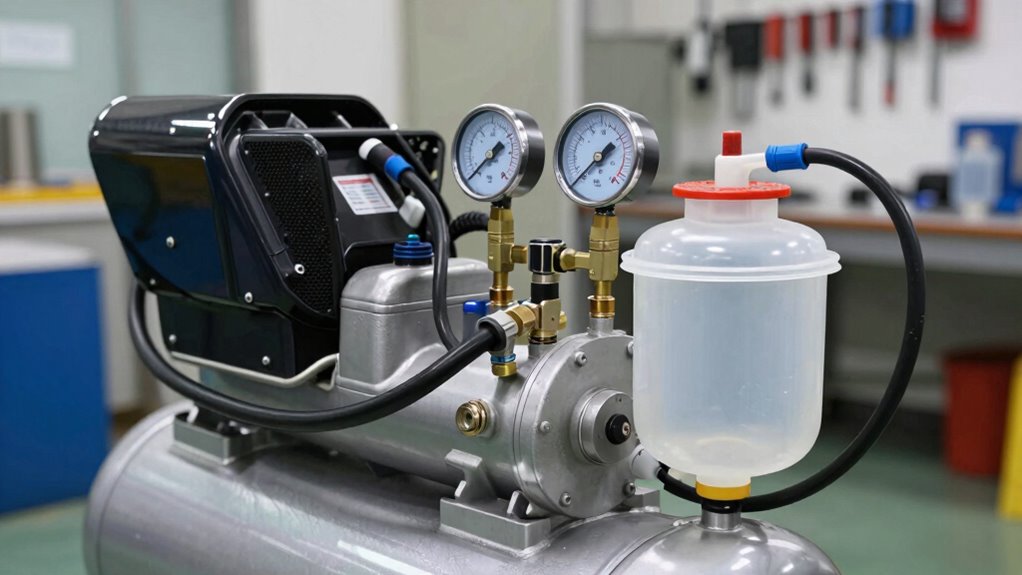
Choosing the right compressor size is crucial for resin casting because an undersized unit can struggle to provide consistent airflow, leading to incomplete or uneven curing. Proper airflow ensures your resin cures smoothly and reliably. Additionally, air quality is affected by compressor size; a larger unit typically produces cleaner, drier air, reducing impurities that can mar your final product. air quality is also influenced by compressor size, as larger units often incorporate better filtration and moisture removal systems. Noise levels are another concern—smaller compressors often run louder, creating distractions or discomfort during work. Selecting a compressor that matches your casting needs helps maintain ideal air quality, minimizes noise, and ensures stable pressure. Proper compressor sizing directly impacts your workflow, results, and overall experience, preventing issues caused by insufficient or inconsistent airflow that can compromise your resin casting projects. Ensuring your compressor has the appropriate capacity also helps prevent air contamination, which is essential for achieving a high-quality finish. Moreover, choosing the correct size enhances energy efficiency, saving you costs and reducing environmental impact over time. When selecting a compressor, considering workload demands can help you find a model that provides reliable performance without overpaying for unnecessary capacity.

ALL-TOP 12V Air Compressor w/LCD Control Panel to Preset Target Pressure, 150PSI 12.35CFM Air Pump Inflator for Overland (Dual Cylinder)
【Auto-Stop Mode】Built-in Pressure Presenting Mode & Direct Inflating Mode. It comes with a Digital LCD Screen and Control…
As an affiliate, we earn on qualifying purchases.
As an affiliate, we earn on qualifying purchases.
How to Calculate the Right Pressure and Air Flow for Your Pressure Pot

To guarantee your pressure pot operates effectively, you need to accurately determine the right pressure and airflow requirements. First, check your resin casting specifications to find the recommended pressure range, typically between 40-60 PSI. Next, consider airflow needs based on your pressure pot’s volume; larger pots require more cubic feet per minute (CFM) to maintain steady pressure. Ensure your compressor can deliver consistent airflow without causing fluctuations that affect air quality. Additionally, pay attention to airflow capacity, especially if you work in a shared space, to prevent disturbances. Proper calculation ensures steady pressure, clean air, and minimal noise, which all contribute to high-quality casting results and a more efficient workflow. Selecting the right compressor is crucial for maintaining reliable airflow and pressure stability.

California Air Tools CAT-1P1060S Light & Quiet Portable Air Compressor, Lightweight, Ultra Quiet, Oil-Free, 1 Gallon Steel Tank, .6 HP, 56 dBA Noise Level, Silver
ULTRA QUIET PERFORMANCE: The California Air Tools Light & Quiet Portable Air Compressor operates at only 56 decibels,…
As an affiliate, we earn on qualifying purchases.
As an affiliate, we earn on qualifying purchases.
Signs Your Air Compressor Isn’t Keeping Up

If your air compressor isn’t providing enough pressure, your resin casting process can slow down or produce poor results. You might also notice it cycles on and off more frequently than normal, signaling it’s struggling to keep up. Recognizing these signs early can help you avoid delays and equipment damage. Ensuring your compressor is appropriately sized and rated for your workload is essential for reliable performance. Additionally, inadequate compressor capacity can lead to pressure fluctuations, which compromise the quality of your castings and may cause frustration during production. Properly sized compressors help maintain consistent air pressure, ensuring smooth operation and optimal casting results, ultimately saving you time and effort in the long run. Regular maintenance of your compressor can also prevent unexpected failures and maintain performance efficiency.
Insufficient Air Pressure
When your air compressor isn’t providing enough pressure, it quickly becomes obvious during resin casting. You may notice the pressure gauge struggling to reach the desired levels, or it drops below what’s needed for a smooth pour. Insufficient air pressure often indicates your compressor power isn’t enough to sustain consistent operation under load. This can lead to uneven resin flow, resulting in defects or longer casting times. If your pressure fluctuates or stays low despite running the compressor longer, it’s a clear sign your setup can’t keep up. Without proper air pressure, your pressure pot won’t operate efficiently, risking incomplete fills or air bubbles. To avoid these issues, make sure your compressor provides enough air pressure and has sufficient power to handle your casting demands reliably. Ensuring your compressor matches the appropriate specifications is crucial for consistent results. Additionally, understanding air pressure requirements specific to resin casting can help prevent underpowered setups from causing delays or defects. Checking the air compressor capacity can help you determine if your equipment is suitable for your casting needs. Regularly monitoring compressor maintenance can also prevent pressure drops and ensure optimal performance during your casting projects.
Frequent Compressor Cycling
Frequent cycling of your air compressor is a clear sign it’s struggling to keep up with your resin casting demands. When your compressor turns on and off repeatedly, it indicates it’s reaching its capacity too often, leading to increased compressor noise and wear. This cycle can cause you to notice more frequent maintenance needs and a shorter lifespan for your equipment. Proper compressor sizing is essential to prevent these issues.
- The compressor runs constantly, not enough pause time
- Increased compressor noise during operation
- Longer wait times for pressure build-up
- Frequent pressure drops requiring more cycles
- Elevated maintenance frequency due to overheating or stress
Addressing this issue involves choosing a properly sized compressor that matches your casting volume, reducing unnecessary cycling, and preventing damage caused by underpowering. Proper sizing ensures your system runs smoothly, with less wear and tear over time. Additionally, understanding your air demand requirements can help you select the most suitable compressor for your needs, avoiding underpowered systems that lead to frequent cycling.
A correctly sized compressor not only minimizes cycling but also improves energy efficiency and reduces operational costs. Ensuring your compressor is correctly matched to your resin casting volume can significantly improve efficiency and longevity.
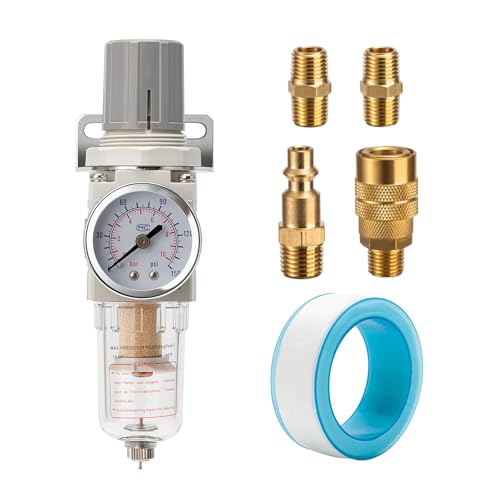
LNCHKA Pneumatic Air Compressor Filter Regulator Combo 1/4" NPT 150 PSI w/Adjustable Gauge-Water Separator,Metal Bracket,Manual Drain,5 Micron Brass Cartridge
CONDITIONS OF USE:Air pressure filter 1/4 NPT should meet the values specified As follows: Maximum pressure:145PSI,recommended pressure adjustment…
As an affiliate, we earn on qualifying purchases.
As an affiliate, we earn on qualifying purchases.
Tips for Choosing the Perfect Air Compressor Size for Resin Casting
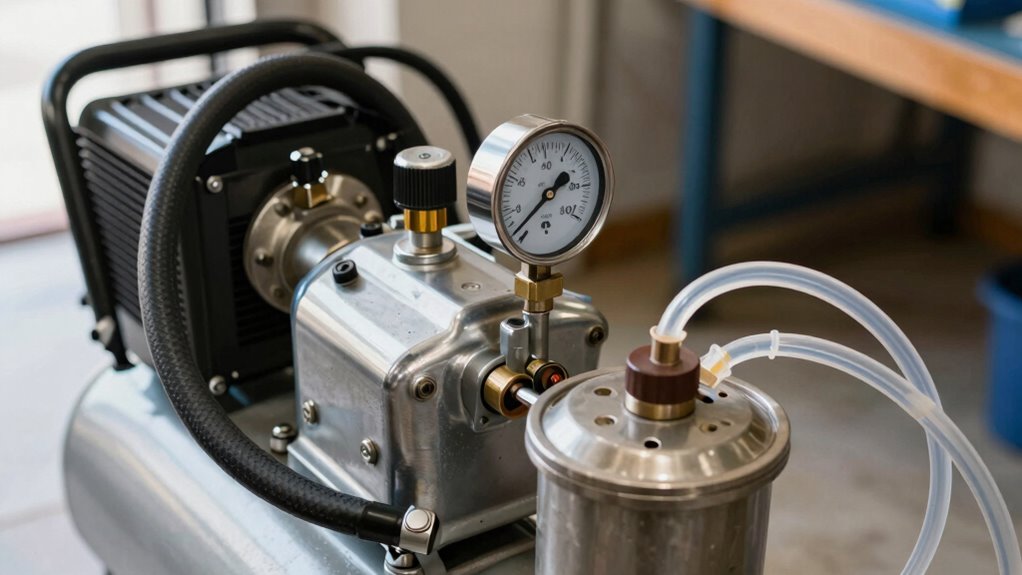
To choose the right air compressor, start by figuring out the required PSI for your resin casting projects. Next, calculate how much air volume you’ll need to run your equipment efficiently. Finally, make certain the compressor’s capacity matches your needs to avoid shortages or overkill. Additionally, consider the air compressor’s efficiency, which can impact your overall project costs and performance. Understanding air delivery rates can help ensure your compressor provides consistent pressure without unnecessary energy consumption. Selecting a compressor with appropriate performance ratings can also help optimize your workflow and prevent equipment failure. Being aware of the compressor’s duty cycle is essential, as it determines how long your compressor can operate under load without overheating. To further refine your choice, evaluate the compressor’s size and portability to suit your workspace and mobility needs.
Determine Required PSI
Understanding the required PSI is essential for selecting the right air compressor for resin casting. Your pressure gauge readings reveal the PSI needed to operate your pressure pot effectively. To determine this, check your equipment’s specifications and note the recommended PSI range. Keep in mind that maintaining consistent pressure prevents underperformance or damage. Proper compressor maintenance ensures accurate pressure gauge readings, so regularly check for leaks or blockages. Knowing the exact PSI prevents overloading your compressor, prolonging its lifespan. Consider these points:
- Confirm your pressure pot’s PSI requirements
- Regularly monitor pressure gauge readings
- Maintain your compressor for accurate readings
- Avoid exceeding recommended PSI to prevent damage
- Adjust settings as needed for consistent results
This approach guarantees safe, efficient resin casting without underpowering your setup. Additionally, understanding the pressure regulation system helps maintain stable pressure levels during operation.
Calculate Air Volume Needs
Knowing the PSI your equipment requires is just one piece of the puzzle; you also need to accurately calculate the air volume your resin casting setup demands. Air volume, measured in cubic feet per minute (CFM), determines how much air your compressor must supply to keep up with your tools and pressure pot. To find this, check your equipment’s specifications for required flow rates. Add up the air volume needed for all components operating simultaneously, and include a safety margin for consistent performance. This guarantees your compressor capacity matches your actual needs, preventing underperformance or pressure drops. Accurate calculation of air volume helps you select a compressor that provides enough airflow, ensuring smooth resin casting without interruptions.
Consider Compressor Capacity
How do you choose the right compressor capacity for resin casting? First, guarantee the compressor can deliver enough airflow to meet your pressure pot’s needs without overworking. A larger capacity helps maintain consistent air quality and reduces moisture build-up. Keep noise levels in mind; quieter models improve your workspace comfort. Overestimating capacity can lead to unnecessary expenses, while underestimating causes pressure drops and inconsistent results. To find the perfect size, consider your resin casting volume and required pressure. Look for a compressor with a slightly higher CFM rating than your minimum needs for smooth operation. Proper capacity ensures your system runs efficiently, maintains air quality, and minimizes noise disturbance. Ultimately, choosing an appropriate compressor capacity boosts your casting quality and workflow.
Common Mistakes When Picking an Air Compressor for Your Pressure Pot
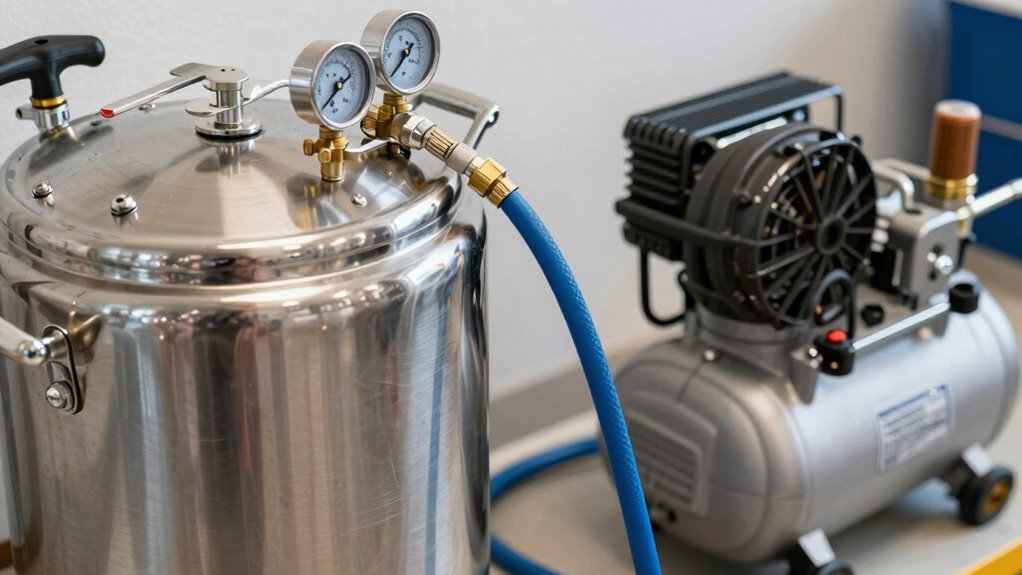
One common mistake when choosing an air compressor for your pressure pot is overestimating the required airflow and pressure ratings. This often leads to selecting a unit that’s unnecessarily powerful, which can increase costs and complicate maintenance. Many assume more capacity means better performance, but it can actually cause issues like excessive compressor noise levels, making your workspace louder and less comfortable. Additionally, larger compressors may require more frequent air compressor maintenance, raising ongoing costs. Instead, focus on matching your compressor’s specs with your pressure pot’s actual needs. Proper sizing guarantees efficient operation, reduces wear and tear, and keeps noise levels manageable. Avoid the temptation to overbuy—precision is key to reliable, safe, and quiet resin casting.
How Using the Correct Compressor Size Ensures Flawless Castings
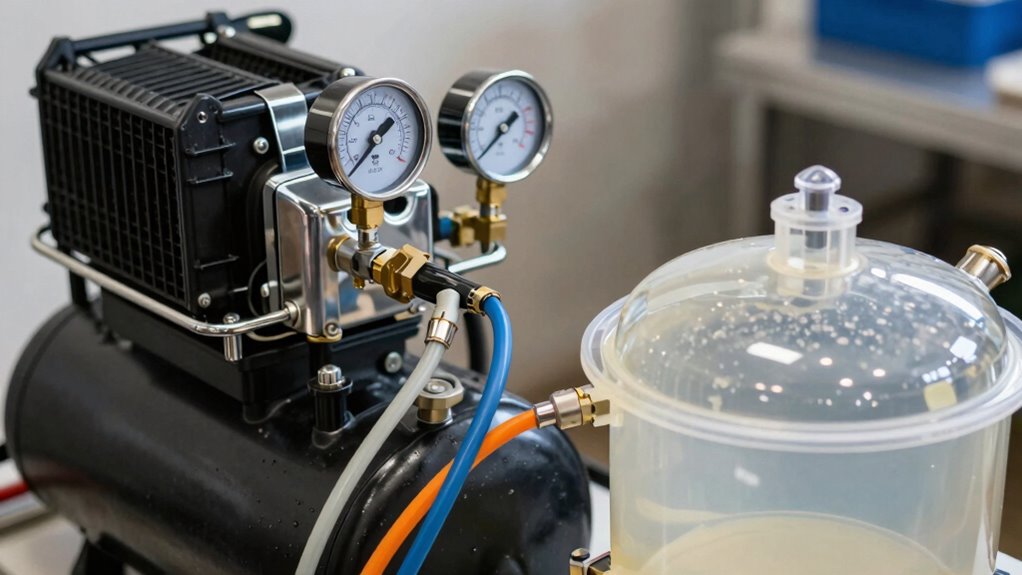
Choosing the right compressor size directly impacts the quality of your resin castings. When you use the correct compressor, you guarantee a steady flow of compressed air, preventing inconsistencies that cause flaws. Proper sizing minimizes fluctuations in pressure, leading to smoother casting finishes. Additionally, a well-sized compressor helps keep noise levels manageable, making your workspace more comfortable. It also reduces the risk of overheating and wear, extending your equipment’s lifespan.
- Maintains consistent pressure for flawless results
- Prevents air pulsations that cause casting imperfections
- Keeps noise levels low for a quieter environment
- Reduces compressor wear and maintenance costs
- Ensures reliable, steady compressed air flow during projects
Frequently Asked Questions
Can I Use a Portable Air Compressor for Resin Casting?
Yes, you can use a portable air compressor for resin casting, but you need to take into account the compressor capacity first. Make sure it provides enough PSI and CFM to maintain consistent pressure without dropping. Portability considerations matter—look for a lightweight, easy-to-move unit with adequate power. If your compressor isn’t rated for the pressure pot’s requirements, it might underperform, leading to imperfect casts or delays.
How Does Ambient Temperature Affect Compressor Performance?
Ambient temperature substantially impacts your compressor’s performance. Higher temperatures can reduce compressor efficiency by causing overheating, which leads to increased wear and potential failure. Conversely, lower temperatures help maintain ideal efficiency and cooling, ensuring consistent pressure. You should monitor the temperature impact on your compressor regularly and avoid operating it in extreme heat or cold. Proper ventilation and choosing a compressor designed for your environment help maintain steady performance and prolong its lifespan.
Is a Higher PSI Always Better for Pressure Casting?
No, a higher PSI isn’t always better for pressure casting. You need to match your compressor capacity and pressure requirements carefully. Exceeding the recommended PSI can lead to over-pressurization, risking damage or unsafe conditions. Focus on selecting a compressor that meets your pressure requirements without going overboard, ensuring consistent, reliable casting results. Proper sizing and understanding your pressure needs are key to successful resin casting.
What Safety Precautions Should I Take With My Compressor?
To guarantee compressor safety, always check your pressure regulator before use to set the correct pressure for your resin casting. Keep the compressor in a well-ventilated area, and never bypass safety features. Regularly inspect hoses and connections for leaks or damage. Use safety goggles and hearing protection, and avoid overloading the compressor. Following these precautions helps prevent accidents and keeps your equipment functioning properly.
How Often Should I Perform Maintenance on My Air Compressor?
You should perform regular maintenance on your air compressor to maximize its lifespan and keep it running efficiently. Check your maintenance checklist monthly, including inspecting filters, draining moisture, and tightening fittings. Schedule a more thorough service every 3 to 6 months, depending on usage. Consistent upkeep prevents wear and tear, reduces downtime, and guarantees your compressor performs reliably for resin casting or other tasks.
Conclusion
Getting your compressor size right isn’t just about equipment—it’s about ensuring flawless resin castings every time. When your compressor matches your pressure pot’s needs, everything flows smoothly, and mistakes become rare coincidences. So, double-check your calculations and choose wisely. After all, the right compressor isn’t just a coincidence; it’s the secret to perfect, consistent results with every pour you make. Don’t leave it to chance—size up for success.