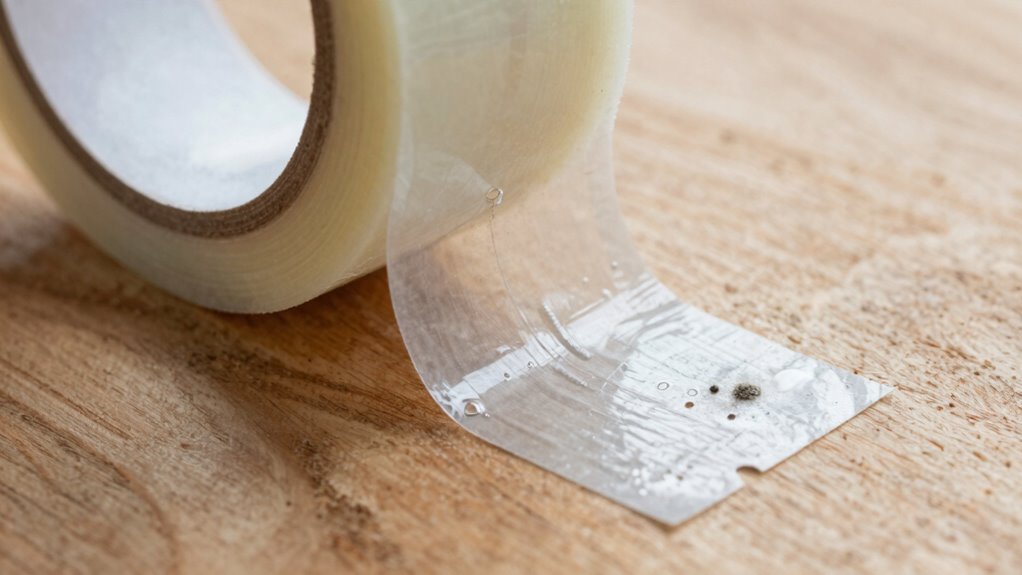

Double-sided tape fails on certain surfaces mainly because of poor adhesion caused by surface texture, cleanliness, or material compatibility. If the surface is rough, uneven, or porous, the tape can’t make enough contact for a strong bond. Contaminants like dust, oil, or moisture also prevent proper adhesion. Additionally, the wrong tape for the material or environmental conditions can weaken the bond over time. Keep exploring to discover how you can improve your tape’s sticking power on tricky surfaces.
Key Takeaways
- Uneven or textured surfaces reduce contact area, weakening the adhesive bond.
- Contaminants like dust, oil, or moisture prevent proper adhesion and cause failure.
- Incompatible adhesive chemistry leads to weak bonding on specific materials.
- Environmental factors such as humidity and temperature can degrade adhesive performance.
- Poor surface preparation diminishes adhesion, increasing the risk of tape detachment over time.
Double-sided tape often seems like a simple solution for mounting or sticking objects, but it can surprisingly fail on certain surfaces. The key to understanding this lies in the concepts of adhesive strength and surface compatibility. Even though double-sided tape is designed to hold items securely, its effectiveness depends heavily on how well its adhesive interacts with the surface you’re applying it to. When the adhesive strength isn’t strong enough or the surface isn’t compatible, the tape can quickly lose its grip, leading to unexpected failures.
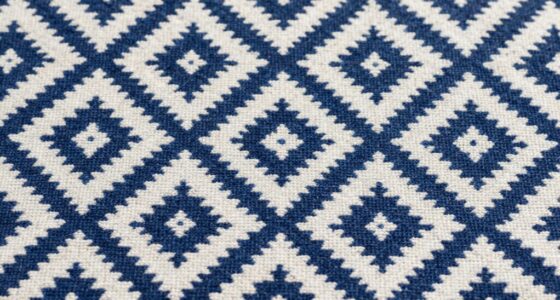
One common reason for failure is that some surfaces simply aren’t suitable for tape adhesion. Smooth, non-porous surfaces like glass or plastic typically work well because they offer a clean, flat plane that allows the adhesive to bond tightly. But if you try to stick tape to textured surfaces, rough wood, or uneven materials, the contact area between the adhesive and the surface reduces considerably. This reduced surface contact weakens the adhesive strength, making it more likely for the tape to peel away over time. Surface compatibility isn’t just about texture; factors like moisture, dust, or oil residues can prevent the adhesive from forming a strong bond, regardless of the surface’s smoothness. Additionally, the presence of contaminants like dust or oil can significantly compromise adhesive strength, and cause failure even on otherwise suitable surfaces.
Smooth, clean surfaces bond best; textured or dirty surfaces weaken adhesive grip and cause failure over time.
Another factor to ponder is the chemistry of the adhesive itself. Different tapes are formulated with adhesives designed for specific surfaces. For example, tapes with acrylic adhesives often work well on painted walls, while rubber-based adhesives may perform better on certain plastics. If you use a tape with an incompatible adhesive chemistry for the surface, the bond will be weak from the start. This mismatch can cause the tape to peel or slide off prematurely, especially under stress or temperature changes. Furthermore, understanding the adhesive’s chemical composition can help select the right tape for the right surface, improving adhesion and longevity. It’s also important to consider how the adhesive reacts to environmental conditions, as some formulations may degrade faster under certain circumstances. Proper surface preparation, such as cleaning and drying, can often improve the adhesive bond and prevent these failures from occurring prematurely. Moreover, the longevity of the bond can be affected by environmental factors, which should be taken into account when choosing an adhesive for outdoor or humid conditions.
strong double-sided tape for textured surfaces
As an affiliate, we earn on qualifying purchases.
As an affiliate, we earn on qualifying purchases.
Frequently Asked Questions
Can Double-Sided Tape Be Reused After Failing?
No, double-sided tape typically can’t be reused after failing. Once the adhesive loses its stickiness or gets contaminated, it won’t perform well again. However, you can explore reusable options like mounting squares or strips designed for multiple uses. To try and reuse, carefully remove the tape and clean the adhesive residue with adhesive removal products, but be aware that reusing often results in reduced strength and effectiveness.
What Are the Best Alternative Adhesives for Problematic Surfaces?
Did you know that over 60% of adhesive failures happen due to poor surface preparation? When double-sided tape doesn’t work on tricky surfaces, try alternatives like epoxy, hot glue, or silicone adhesive. To boost adhesive strength, make sure you thoroughly clean and dry the surface beforehand. Proper surface preparation makes a huge difference, helping your chosen adhesive stick better and last longer on challenging materials.
Does Temperature Affect Double-Sided Tape Adhesion?
Yes, temperature greatly affects double-sided tape adhesion. When it’s too hot, the adhesive may soften, causing it to lose grip, while cold temperatures can make the adhesive brittle and less effective. To guarantee strong adhesion, you should focus on proper surface preparation and choose tape with adhesive compatibility for the specific temperature range. Maintaining a consistent environment helps maximize the tape’s bonding strength and longevity.
How Long Does Double-Sided Tape Typically Last on Different Surfaces?
Double-sided tape usually lasts from a few weeks to several months, depending on surface preparation and adhesive durability. You should guarantee surfaces are clean, dry, and smooth for the best adhesion. Over time, exposure to heat, moisture, or dirt can weaken the adhesive, causing it to peel or fall off sooner. Proper surface prep and choosing a tape suited for your specific surface will help maximize its lifespan.
Are There Specific Brands Better for Challenging Materials?
Like finding a needle in a haystack, choosing the right tape can be tricky. Some brands, like 3M and Gorilla, excel with challenging materials because they offer superior adhesive strength. When comparing brands, look for those designed specifically for rough or uneven surfaces. These tend to stick better and last longer. So, if you need reliable adhesion on tough surfaces, investing in reputable brands with high adhesive strength makes all the difference.
Conclusion
So, next time you reach for double-sided tape, remember that not all surfaces are a match made in heaven. Don’t be like a misguided explorer in a forgotten jungle—expecting the tape to cling without considering the material. Sometimes, it’s about choosing the right adhesive or prepping the surface properly. Otherwise, you might end up feeling like you’re stuck in a “groundhog day” loop of failed attempts. Better luck with the right surface!