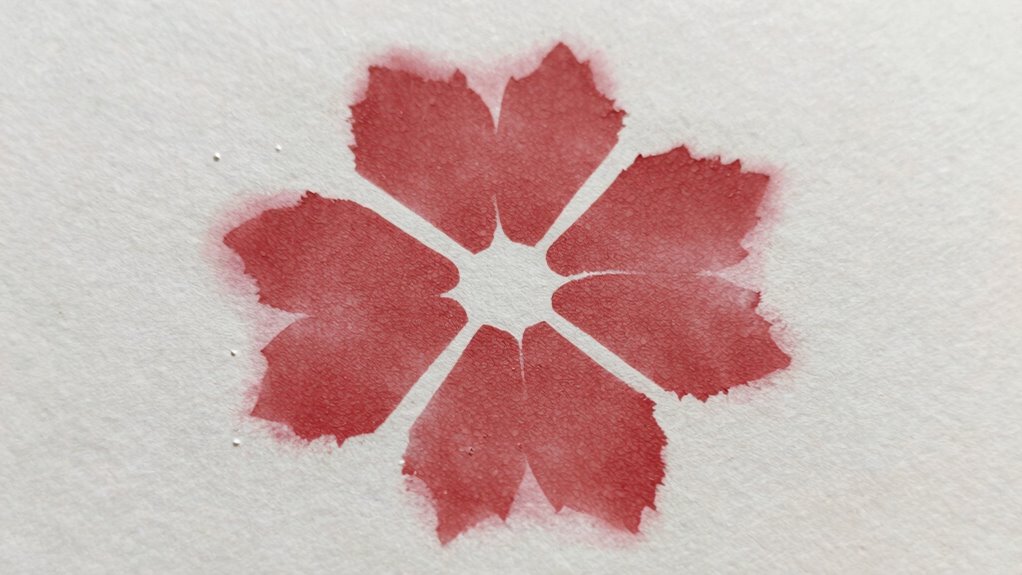

Even if you use less paint, your stencil can still bleed because porous materials like cardboard or paper soak up the paint, allowing it to seep under edges. Surface imperfections or lack of sealing also cause paint to spread beyond the stencil lines. To get sharp results, you’ll need to choose non-porous, sturdy materials and properly prepare your surface. If you want to discover more ways to prevent bleeding and perfect your stencils, keep exploring.

Get business pricing on tools and workshop supplies
- Business-only prices and quantity discounts
- Tax-exempt purchasing
- Multiple users, one account, clear invoices
Key Takeaways
- Porous or flexible stencil materials allow paint seepage regardless of paint amount.
- Surface surfaces that are unclean or unsealed increase bleeding risks.
- Even minimal paint can bleed if applied with excessive pressure or uneven technique.
- Using low-quality or absorbent materials causes paint to spread beyond edges.
- Inadequate surface preparation or sealing compromises stencil sharpness, leading to bleeding.

Stencils bleeding happens when ink or paint spreads beyond the intended lines, creating blurry or uneven edges that ruin your design. Even if you’re cautious with how much paint you use, bleeding can still occur, and understanding why is key to avoiding it. One common culprit is the choice of stencil materials. Not all materials are created equal; some are porous or too flexible, allowing paint to seep underneath the edges. For crisp, clean lines, you want a sturdy, non-porous material like plastic or mylar that can hold its shape during application. If you use cardboard or paper stencils, they might absorb some of the paint or warp, making it easier for paint to bleed under the edges. Investing in high-quality stencil materials makes a significant difference in achieving sharp results. Additionally, ensuring the surface you’re working on is properly prepared and clean can help prevent bleeding issues caused by adhesion problems or uneven surfaces. Using a primer or sealant on the surface can also improve paint adhesion and reduce bleeding potential. Proper surface preparation, including cleaning and sealing, enhances the adhesion of the paint and minimizes bleeding risks. Moreover, selecting the right type of paint with appropriate consistency can be crucial to controlling bleed-through and ensuring precise edges. Remember, patience and proper preparation are key to successful stenciling.
plastic stencil sheets for painting
As an affiliate, we earn on qualifying purchases.
As an affiliate, we earn on qualifying purchases.
Frequently Asked Questions
Can Different Types of Paint Reduce Stencil Bleeding?
Different types of paint can reduce stencil bleeding if you choose the right kind and maintain proper paint consistency. Thinner paints, like acrylics or spray paints, often work better because they dry faster and are less likely to seep under the stencil. Using a paint with the proper consistency guarantees clean lines, preventing bleeding. Experiment with different paints to find what works best for your stencil design, minimizing bleeding effectively.
How Does Temperature Affect Stencil Bleeding?
Temperature fluctuations directly impact stencil bleeding by affecting paint drying time. When it’s warm, paint dries quickly, reducing bleeding chances. In colder temperatures, paint takes longer to dry, increasing the risk of bleed-through. You should work in a consistent environment or use fast-drying paints to minimize issues. Maintaining steady temperature conditions helps your stencil stay crisp, preventing unwanted spreading and ensuring cleaner, sharper designs.
Does Stencil Material Influence Paint Bleed-Through?
You might think stencil material doesn’t matter, but it does. Stencil design and surface texture influence paint bleed-through considerably. Thin or flexible materials, like mylar, conform better to textured surfaces, preventing paint from seeping underneath. Conversely, rigid materials may struggle on rough textures, increasing bleed. Choosing the right stencil material for your surface texture guarantees cleaner results and minimizes paint bleed, making your designs look sharp and professional.
Can Using a Primer Prevent Bleeding?
Using a primer can help prevent bleeding by creating a barrier that improves paint adherence to your stencil design. It helps manage paint consistency, making it less likely to seep under the edges. When you apply primer first, you guarantee your paint stays within the stencil lines. This step is especially useful for intricate designs or detailed stencil work, offering cleaner, sharper edges and reducing the chances of bleed-through.
What Tools Help Achieve Cleaner Stencil Edges?
Think of your tools as the steady oars guiding your boat. Using painter’s tape or stencil brushes helps you achieve cleaner edges through precise stencil techniques and controlled paint application. Detail brushes or foam applicators allow you to dab paint carefully, preventing bleed. By selecting the right tools, you create sharp, crisp lines, much like a skilled sailor steering smoothly through waters, ensuring your stencil design remains clean and professional.
Conclusion
Next time you lift your stencil, picture the paint as a gentle breeze slipping beneath the edges, carrying tiny droplets beyond the lines. Even with less paint, those delicate wisps can seep out, blurring your crisp design. But don’t worry—by refining your technique and using quality materials, you can keep your artwork sharp and clean, like a perfectly painted sunset sky. Remember, patience and practice are your best brushes to prevent bleeding and achieve that flawless finish.
Fall yard work Picks
leaf blowers
As an affiliate, we earn on qualifying purchases.