
To quickly tell if a surface needs primer, look for glossiness, roughness, or stains. If it’s glossy or slick, primer helps paint stick better. Check if water beads or absorbs quickly—beading indicates a surface that needs sealing. Porous or uneven surfaces, like drywall or old paint, also benefit from primer to guarantee a smooth, lasting finish. Want more tips to make your painting easier? Keep exploring for the full scoop.

Get business pricing on tools and workshop supplies
- Business-only prices and quantity discounts
- Tax-exempt purchasing
- Multiple users, one account, clear invoices
Key Takeaways
- Perform a water droplet test: bead indicates slick surface needing primer; absorption suggests less primer needed.
- Check for surface unevenness, peeling paint, or cracks as signs primer will improve adhesion.
- Observe if the surface is glossy or smooth; these often require primer for proper paint bonding.
- Test for porosity by pressing a finger or tool; porous surfaces benefit from sealing primer.
- Assess previous paint or stain issues; peeling or stains usually need primer to ensure durability.
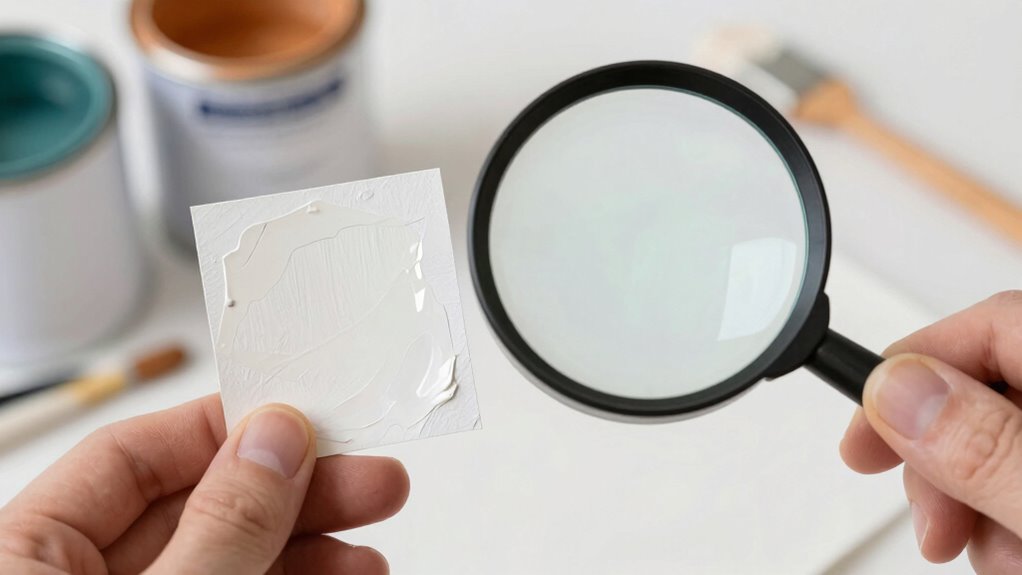
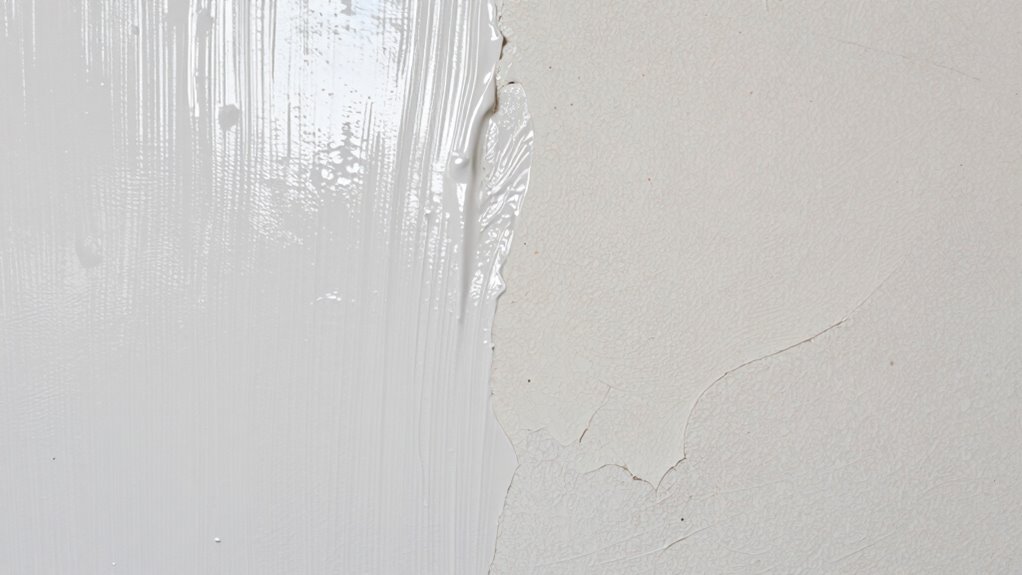
Are you ready to achieve a flawless finish with your surface primer? Knowing whether a surface needs primer can save you time, money, and frustration down the line. The quickest way to tell is by assessing the surface’s condition and understanding how it will interact with the paint. Proper surface preparation is essential for optimal paint adhesion, which directly impacts the durability and look of your finished project. If a surface is rough, porous, or already stained, it’s a good sign that primer is necessary. Rough textures or peeling paint can prevent your new coat from sticking properly, leading to uneven coverage or peeling later.
Assess surface condition to determine if primer is needed for a flawless, durable finish.
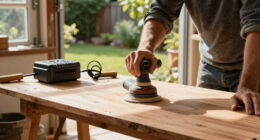
To evaluate whether a primer is needed, start by cleaning the surface thoroughly. Dirt, grease, and dust can interfere with paint adhesion, so wipe everything down with a damp cloth or appropriate cleaner. Once dry, look for any imperfections like cracks, holes, or peeling paint. These issues indicate the need for a primer to create a smooth, uniform base. If the surface is glossy or painted with a slick finish, it won’t hold paint well without a primer designed to bond to these surfaces. Sanding the area lightly can help roughen the surface, making it more receptive to the primer and paint.
Another quick test is to perform a water droplet test. Drop a small amount of water onto the surface; if it beads up or doesn’t absorb within a few seconds, the surface is likely too slick for paint to adhere properly. Applying a primer here will help improve adhesion and ensure your paint stays put. Conversely, if the water soaks in quickly, the surface is porous enough that a primer may not be necessary, although a stain-blocking primer can still be helpful in certain situations. Understanding surface porosity can help determine whether a primer is needed. Additionally, the type of surface material can influence your decision, as certain materials naturally require primer to achieve a good finish.
Finally, consider the type of paint you plan to use and the specific surface material. For example, glossy surfaces, metal, or previously painted areas often require a primer to promote adhesion. If you’re working with raw drywall, plaster, or porous wood, primer helps seal the surface and create a consistent base for your paint. Additionally, understanding surface porosity can help determine whether a primer is needed. Overall, if your surface shows signs of unevenness, slickness, or porosity, it’s a safe bet that primer will improve the final result. Taking these quick assessments before painting ensures a more durable, professional-looking finish and prevents future peeling or chipping.
As an affiliate, we earn on qualifying purchases.
Frequently Asked Questions
Can You Test a Surface’s Porosity Without Applying Primer?
Yes, you can test a surface’s porosity without applying primer by examining its texture and conducting moisture testing. Feel the surface for roughness or unevenness, which indicates higher porosity. Then, use a small amount of water to see if it absorbs quickly—if it does, the surface is likely porous and needs primer. Moisture testing helps confirm porosity levels, ensuring you prepare the surface properly for painting or coating.
Does Weather Affect the Need for Primer Before Painting?
Think of weather as your paint’s Shakespearean actor—its performance depends on the scene. Yes, weather impacts surface preparation and paint adhesion. Humidity and rain can cause surfaces to absorb moisture, making primer essential for proper adhesion. Cold or damp conditions hinder paint’s ability to stick, so you should always evaluate weather before priming. Clear, dry days ensure your primer bonds well, giving your paint the best chance to last.
How Do Different Paint Types Influence Primer Requirements?
Different paint types influence primer requirements because they vary in surface adhesion and paint compatibility. For example, oil-based paints need a compatible primer to guarantee proper adhesion and prevent peeling, while latex paints often require a primer that promotes better surface adhesion on porous surfaces. By choosing the right primer for your specific paint type, you ensure a smooth, durable finish and reduce the risk of issues like peeling or uneven coverage.
Is Sanding Necessary Before Applying Primer on All Surfaces?
Sanding isn’t always necessary before applying primer, but it’s highly recommended for ideal surface preparation. When you sand, you smooth out imperfections and create a better surface for paint adhesion. For glossy, slick, or rough surfaces, sanding helps the primer stick more effectively and guarantees an even finish. In general, lightly sanding dull or damaged surfaces improves primer adhesion, leading to better paint durability and a professional-looking result.
Can Primer Help With Painted Surfaces That Are Peeling?
Yes, primer can help with peeling painted surfaces by improving surface preparation and enhancing paint adhesion. When you notice peeling paint, it’s crucial to remove loose areas, clean the surface, and apply a suitable primer. This creates a better bond between the old paint and the new coat, preventing further peeling. Proper primer use guarantees a smoother finish and longer-lasting results, especially on previously painted or compromised surfaces.
Conclusion
Think of your surface as a blank canvas—priming is the brushstroke that sets the tone for a masterpiece. When you recognize the signs it needs primer, you’re choosing to lay a strong foundation for lasting beauty. Skipping this step is like ignoring the first note of a song; it might still sound good, but it won’t reach its full harmony. Trust your instincts, and let primer be the silent hero that transforms your project from good to unforgettable.
Fall Picks
fall essentials
As an affiliate, we earn on qualifying purchases.