When starting pottery at home, you need to answer key questions about essential equipment like choosing the right kiln, tools, and safety gear. Make sure your kiln is suitable for your space and learn how to operate it safely to prevent accidents. Select the right brushes, sponges, and clay to match your project goals. Understanding how glazes work and controlling firing temperatures are also crucial. Keep exploring these topics to build confidence and create beautiful pieces safely and successfully.
Key Takeaways
- Determine the essential kiln safety measures and proper operation techniques for home firing.
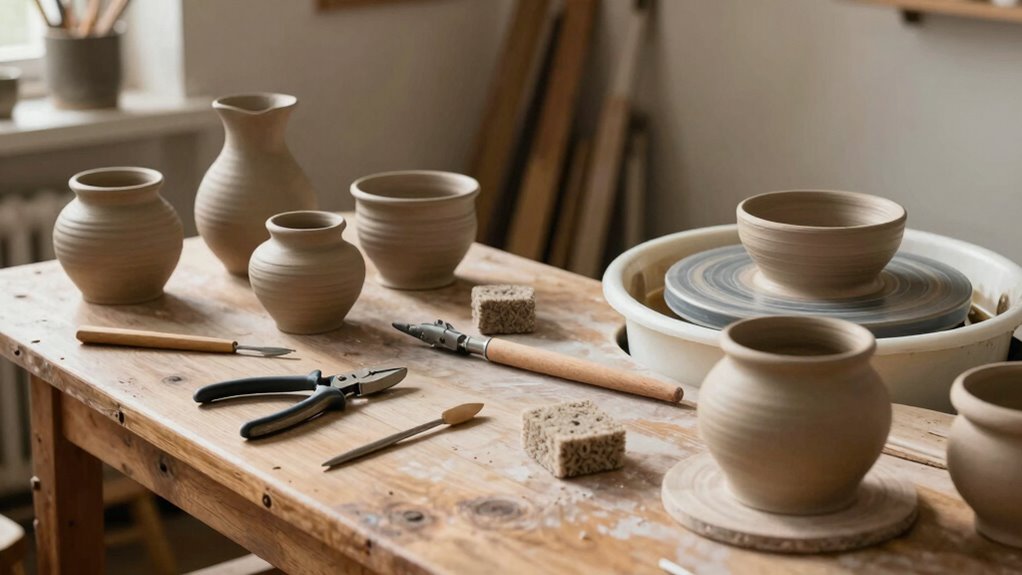
- Identify basic equipment like pottery wheels, drying racks, and work tables suitable for home studios.
- Choose appropriate glazes and understand their compatibility with your clay bodies and firing temperatures.
- Learn about ventilation and safety gear required during glazing and firing processes.
- Plan for small-scale testing setups to troubleshoot glaze reactions and firing results safely at home.
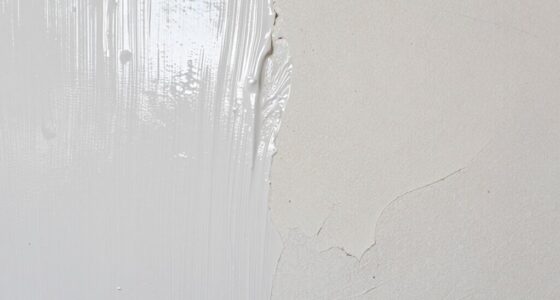
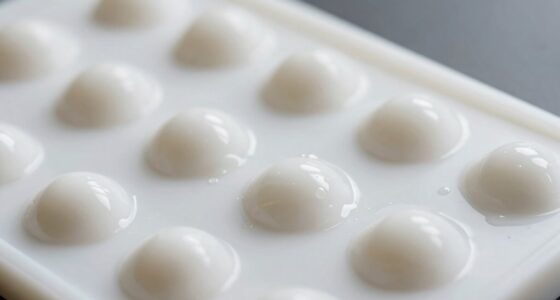
Have you ever wondered how to bring the art of pottery into your own home? If so, you’re probably eager to learn the essentials, starting with the equipment you’ll need. One of the most important aspects is understanding glazing techniques. Glazing isn’t just about adding color; it’s about creating protective layers that make your pottery durable and visually appealing. Before you start experimenting, familiarize yourself with different types of glazes—some are glossy, matte, or textured—and how they interact with various clay bodies. You’ll want to practice applying glazes evenly, whether through dipping, brushing, or spraying, to achieve consistent results. Keep in mind that glazing involves firing the pottery after application, so understanding how each glaze reacts during the firing process is vital. Reading glaze labels and testing small samples will help you avoid surprises, like unexpected bubbling or discoloration. As you develop your skills, you might explore layered glazing techniques or combining different glazes to create unique effects. Mastering these techniques will give your pieces a professional finish and personal touch. Additionally, understanding kiln safety is crucial to ensure safe firing practices in your home studio. Learning about glaze reactions can also help you troubleshoot issues and enhance your artistic outcomes. Considering firing temperatures can further improve your control over the final appearance of your pottery. Moreover, gaining knowledge about glaze chemistry can assist in predicting how different glazes will behave during firing. Developing an understanding of how different clay bodies respond to various glazes can also significantly improve your results.
As an affiliate, we earn on qualifying purchases.
Frequently Asked Questions
What Is the Best Type of Clay for Beginners?
The best type of clay for beginners is earthenware clay because it’s easy to work with and forgiving for new techniques. Clay types like stoneware and porcelain can be trickier, but earthenware helps you learn basic pottery skills without frustration. You’ll find it ideal for practicing beginner techniques, shaping, and glazing. Its affordability and versatility make it perfect for starting your pottery journey at home.
How Much Space Do I Need for a Home Pottery Studio?
You’ll need a space of at least 50 to 100 square feet for a home pottery studio, depending on your equipment and projects. Make sure your studio has good lighting, preferably natural or bright LED lighting, for detailed work. Ventilation is essential; install exhaust fans or open windows to safely disperse dust and fumes from clay and glazes. Adequate space and proper setup keep your workspace safe, functional, and inspiring.
Can I Create Pottery Without a Kiln?
Yes, you can create pottery without a kiln by exploring alternative glazing techniques and handbuilding methods. You might use air-dry clay, which doesn’t require firing, and experiment with decorative glazes or paints designed for air-drying. This approach allows you to develop your skills and craft unique pieces at home. Just remember, without a kiln, your options are limited to non-fired finishes, but creativity still flourishes.
What Safety Gear Is Essential for Home Pottery?
You need protective gear and good ventilation systems to stay safe when working with pottery at home. Wear gloves, a dust mask, and eye protection to guard against clay dust and glaze fumes. Make sure your workspace has proper ventilation to prevent inhaling harmful particles. These safety essentials help you enjoy pottery making without risking health issues, making your creative process both fun and safe.
How Do I Clean and Maintain Pottery Equipment?
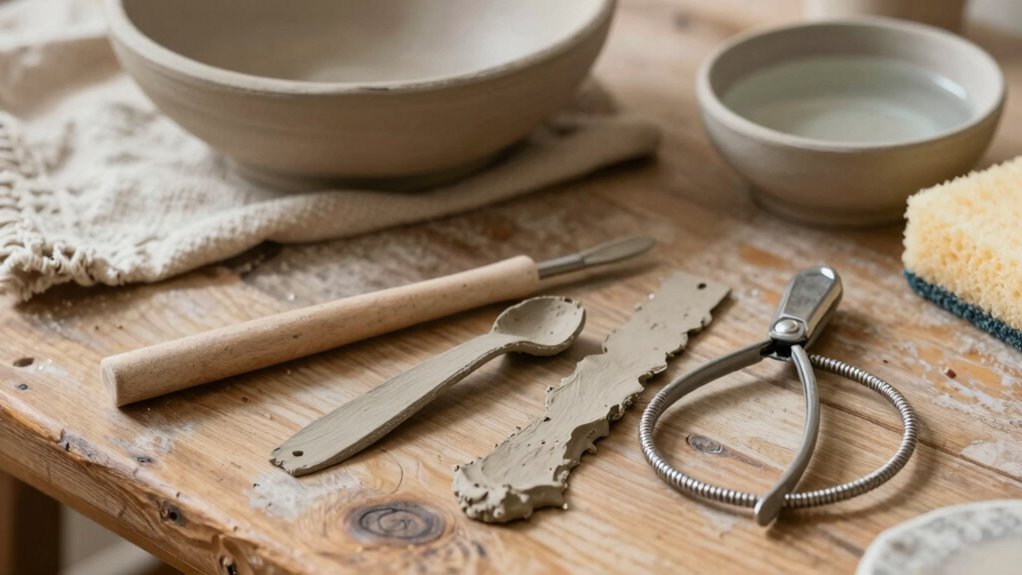
To keep your pottery equipment in top shape, establish regular cleaning routines—wipe down tools and equipment after each use to prevent buildup and damage. Use gentle cleaning solutions suitable for your tools, like sponge and water for most items. Store equipment in a dry, organized space to avoid warping or corrosion. Proper cleaning and storage not only extend your equipment’s lifespan but also make your pottery sessions smoother and more enjoyable.
Conclusion
Imagine the soft hum of your kiln as your creations come to life, the earthy scent of damp clay filling your space. With the right equipment, you’re crafting more than pottery—you’re shaping your own sanctuary of creativity. As you work, feel the cool wheel spinning beneath your fingertips and see your unique pieces take form. Embrace this journey, knowing each piece reflects your passion and patience, transforming your home into a gallery of handcrafted beauty.