TL;DR

Get tools and workshop supplies delivered free — and shop member deals
- Fast, free delivery on millions of items
- Access to Prime Big Deal Days deals on October 6–7
- Prime Video, Amazon Music and more included
A viral DIY project demonstrates how to create a rustic fall wreath using a 75-cent thrifted grapevine form and foraged dried flowers. This method offers a budget-friendly alternative to store-bought wreaths that cost between $25 and $75. The process involves cleaning the thrifted base, attaching dried botanicals with wire or glue, and sealing the arrangement for durability.
Budget-conscious decorators are turning to a viral DIY method to create rustic fall wreaths for a fraction of the retail price. While store-bought seasonal wreaths typically cost between $25 and $75, a project shared by TikTok user cautious.creative demonstrates how to build one using a 75-cent thrifted grapevine form and foraged dried flowers. This approach allows homeowners to achieve a high-end aesthetic without the associated expense, relying on simple materials like dried grasses, leaves, and floral wire.
The core of this project involves transforming a thrifted grapevine wreath into a seasonal display. According to the original report by Hunker, the creator begins by removing any existing decor from the secondhand base using wire cutters or a knife. The next step is gathering dried flowers, grasses, and leaves. These can be purchased online, but the guide suggests collecting them from yards or public spaces, provided one checks local legality regarding foraging. Suitable plants include goldenrod, yarrow, amaranth, calendula, hydrangea, and herbs like dill.
Assembly requires creating small bouquets of the dried plants and attaching them to the wreath form. The creator recommends using floral wire or hemp cord to fasten the bundles, though hot glue can also be used for a tighter hold. The bundles are arranged in a clockwise pattern, with each new bouquet covering the stems of the previous one to create a seamless look. Alternatively, decorators can start at the bottom and work outward, leaving parts of the grapevine visible for added texture.
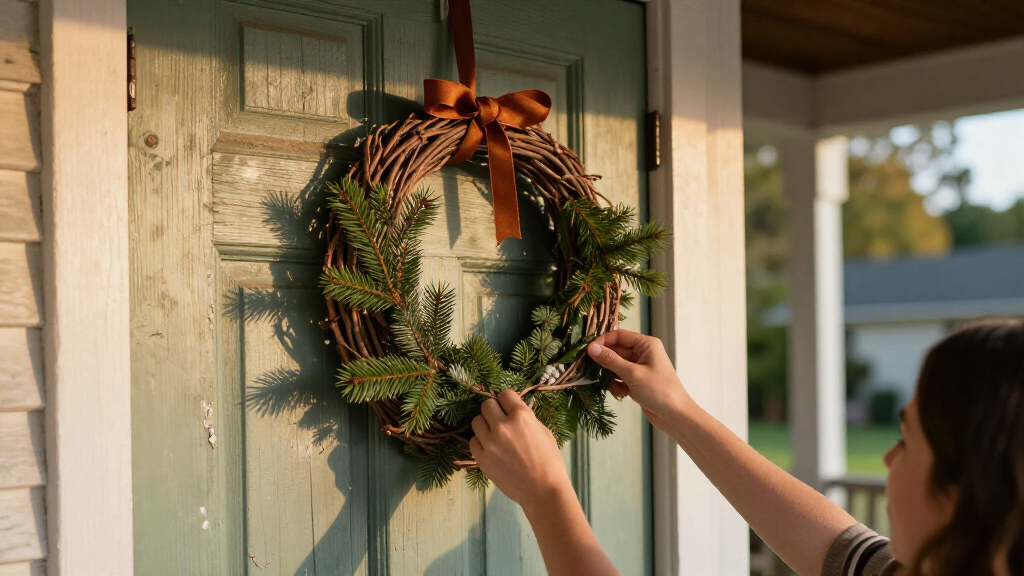
To finish the wreath, the creator suggests adding fall accents such as pine cones, acorns, or a bow. A light spritz of hairspray or floral preservative helps prevent fading and keeps the materials intact. The final step involves hanging the wreath with a removable Command hook to protect the door surface, or using felt pads to prevent scratching.
Cost Savings Through Thrifted Materials
This DIY approach highlights a significant cost-saving opportunity for seasonal home decor. Retail wreaths often carry a premium due to branding, packaging, and new materials. By using a thrifted base and foraged elements, the total material cost drops dramatically, potentially to under $5 if no flowers are purchased. This method also appeals to those interested in sustainability, as it repurposes existing items and reduces waste. The trend reflects a broader consumer shift toward upcycling and personalized, handmade decor over mass-produced items.
As an affiliate, we earn on qualifying purchases.
Rise of Budget-Friendly Fall Decor
Seasonal decorating is a popular tradition, but the cost of new items can add up quickly. Wreaths are a staple of fall decor, yet prices vary widely based on size and material quality. The rise of social media platforms like TikTok has accelerated the spread of DIY hacks that offer cheaper alternatives to retail products. Creators like cautious.creative leverage these platforms to share techniques that emphasize resourcefulness and aesthetic customization. This trend aligns with the growing interest in cottagecore and rustic aesthetics, which favor natural, imperfect, and handmade elements.
“Proof that fall decorating doesn’t have to be expensive—just inspired.”
— cautious.creative (TikTok user)
Durability and Foraging Regulations
While the technique is straightforward, the longevity of the wreath may vary depending on the quality of the dried materials and the climate where it is hung. Foraged materials may not last as long as commercially treated florals, and the effectiveness of hairspray as a preservative can differ based on humidity levels. Additionally, the legality of foraging in public spaces varies by location. The guide advises checking local laws, but specific regulations are not detailed in the source material. The availability of suitable dried plants also depends on the season and region, which may limit the project’s feasibility for some users.
Customization and Seasonal Adaptation
After completing the basic wreath, decorators can experiment with additional embellishments such as ribbons, lights, or seasonal ornaments. The modular nature of the design allows for easy updates; bundles can be removed and replaced to suit different holidays or seasons. Users are encouraged to share their results on social media, fostering a community of DIY enthusiasts who exchange tips and variations. As fall progresses, more creators may share similar upcycling projects, expanding the repertoire of low-cost decor options available online.
Key Questions
How much does this DIY wreath cost compared to a store-bought one?
The DIY version uses a 75-cent thrifted form and potentially free foraged materials, making it significantly cheaper than store-bought wreaths that range from $25 to $75.
What materials are needed to make the wreath?
You need a thrifted grapevine wreath, dried flowers and grasses, floral wire or hemp cord, wire cutters, and optionally hot glue and hairspray for finishing.
Can I use fresh flowers instead of dried ones?
The guide specifically recommends dried flowers for longevity and ease of assembly. Fresh flowers may wilt and are harder to attach securely to a grapevine base without additional tools.
Is it legal to forage for materials?
It depends on the location. The guide advises checking local legality before gathering materials from public spaces. Always obtain permission when collecting from private property.
Source: rss
Fall yard work Picks
leaf blowers
As an affiliate, we earn on qualifying purchases.