TL;DR

Get business pricing on tools and workshop supplies
- Business-only prices and quantity discounts
- Tax-exempt purchasing
- Multiple users, one account, clear invoices
A Hunker report describes DIYers using wallpaper to make visible electrical panel covers blend into home decor. The approach must not obstruct emergency access, required labels, the panel door, or its proper closure; local code requirements may also apply.
DIYers are using wallpaper to disguise visible electrical panel covers, according to a Hunker report describing social-media examples of the home-decor approach. The technique can make a metal cover blend into a room, but the panel must remain readily accessible and its door must still close properly.
The report describes two main approaches: using wallpaper that matches a papered wall so the panel blends in, or placing a small, patterned piece on the cover against a painted wall. The latter can make the panel read more like a decorative feature than a bare metal door. Some DIYers also leave the cover visible as a designed element rather than trying to conceal it completely.
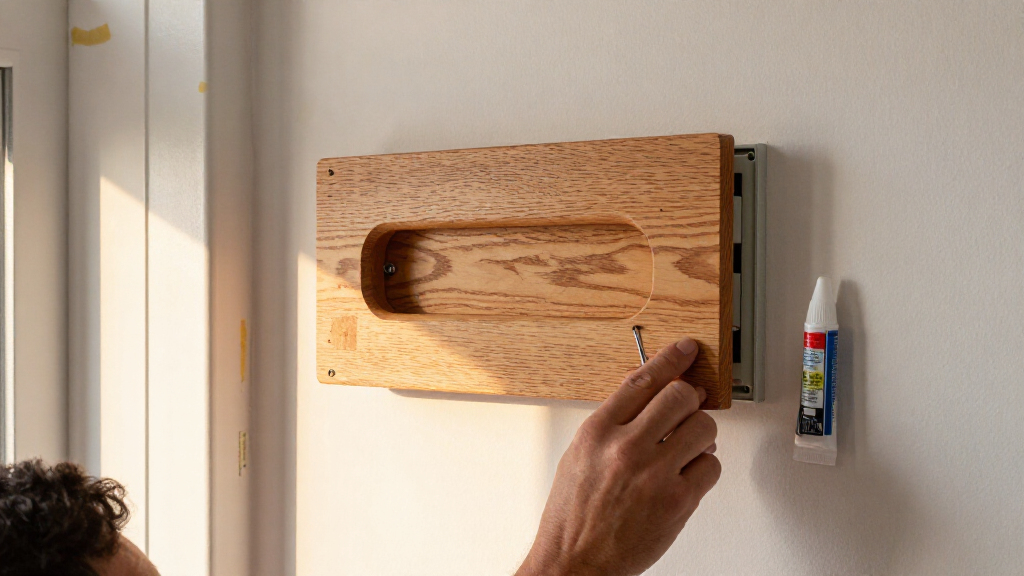
For a papered room, Hunker says a cut piece can be aligned with the surrounding wallpaper. Its report also outlines applying standard wallpaper with adhesive to the outside of the closed cover, while keeping adhesive off the door’s back and the interior of the electrical box. Peel-and-stick paper is presented as another possible option. On painted walls, the report describes applying a small piece to the closed cover and trimming around the door’s seam so paper does not fold into the opening.
The report stresses that decoration cannot compromise the panel’s function. The cover must remain easy to locate and open, required exterior labels should not be hidden, and the door must close and seal properly. It advises checking local codes, which may set rules about covering panel doors. Hunker also warns against getting wallpaper inside the box.
Decor Must Not Block Panel Access
The idea addresses a common design problem described in the report: electrical panels are sometimes installed in living rooms, bedrooms, or hallways, where a plain metal cover can stand out. Wallpaper offers a way to coordinate the cover with the room without adding a separate wall hanging, though the report does not establish how widespread the practice is.
The practical limit is safety, not appearance. People in the home and emergency responders may need to find and open the panel quickly. Any decorative treatment that conceals the handle, covers important markings, interferes with opening, or prevents the cover from closing could make that harder. The panel’s appearance can be changed only insofar as its access and protective function are preserved.
peel and stick wallpaper removable patterned
As an affiliate, we earn on qualifying purchases.
As an affiliate, we earn on qualifying purchases.
Wallpaper as a Cover Treatment
Hunker’s report frames wallpaper as one alternative to hanging artwork over an electrical panel. A separate picture can hide the cover visually, but may look out of place or make the panel harder to identify. Wallpaper can instead match the wall or create a small decorative accent on the metal door.
The article cites social-media DIY examples, including a TikTok creator identified as cowapocalypses, who used patterned paper on a painted wall. Those examples illustrate the trend; they are not evidence that every installation complies with local requirements or is suitable for every panel. The supplied report does not provide a survey of DIYers, building officials, or electrical professionals.
““it should still be easy for anyone, such as first responders, to find and access in an emergency.””
— Hunker report
Local Rules and Installation Details
The supplied report does not identify which jurisdictions allow wallpaper on panel covers or specify code requirements for particular installations. It also does not provide advice from electricians or fire officials, or detail the materials and conditions that may affect whether a given adhesive is appropriate. Readers should not treat the examples as confirmation that every method is safe or code-compliant.
It is also unclear how many DIYers are using the technique: the report offers social-media examples, not measured adoption figures. The key point supported by the source is limited to the described design idea and its stated cautions about access, labels, closure, and keeping material out of the electrical box.
Check Access Before Decorating
Before applying wallpaper, homeowners should check local requirements and confirm that the panel can still be located and opened quickly. Any handle and required exterior labels should remain visible, and the cover should close and seal as intended. The paper and adhesive should stay on the exterior rather than extending into the panel.
If a homeowner is unsure whether a proposed covering affects the panel or its compliance, they should consult a licensed electrician or the relevant local authority before proceeding. The Hunker report offers a design concept, but it does not establish a universal method or replace professional guidance.
Key Questions
Can wallpaper be put on an electrical panel cover?
Hunker describes wallpaper applied to the outside of the cover as a design option. The report cautions that local codes may apply and that the material must not interfere with access or proper closure.
Should wallpaper cover the panel handle or labels?
No. The report says the panel should remain easy to find and open, and that necessary labels on the outside should not be hidden. Keeping the handle visible can help with quick access.
Can wallpaper extend inside the electrical box?
Hunker warns against getting wallpaper or adhesive inside the box. Its examples describe applying material to the exterior of the cover and trimming it so it does not fold into the opening.
Do local codes allow electrical panels to be covered?
The supplied report does not give a universal answer. It advises checking local codes, since rules about covering a panel door may vary by location.
What should I do if I am unsure whether the project is safe?
Check with a licensed electrician or local authority before decorating the cover. The panel must remain accessible, its door must close properly, and required labels should stay visible.
Source: rss
Fall yard work Picks
leaf blowers
As an affiliate, we earn on qualifying purchases.