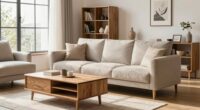
To add dimension without clutter, focus on using contrasting colors, such as pairing dark walls with lighter furniture, and incorporate different textures like plush cushions, sleek metals, and woven textiles for visual interest. Use lighting to reflect or absorb, creating depth and highlighting key features. Keep surfaces clean and streamlined while strategically placing decorative accents to guide the eye. For more tips on creating a spacious, layered look, uncover additional ideas below.

Get business pricing on tools and workshop supplies
- Business-only prices and quantity discounts
- Tax-exempt purchasing
- Multiple users, one account, clear invoices
Key Takeaways
- Use contrasting colors and layered textures to create depth without increasing clutter.
- Incorporate reflective surfaces and varied finishes to enhance light and visual interest.
- Strategically place decorative accents to guide the eye and add dimension subtly.
- Opt for high-quality, textured furnishings that add visual richness without overcrowding.
- Maintain a streamlined layout by keeping surfaces clean and choosing purposeful, layered decor.
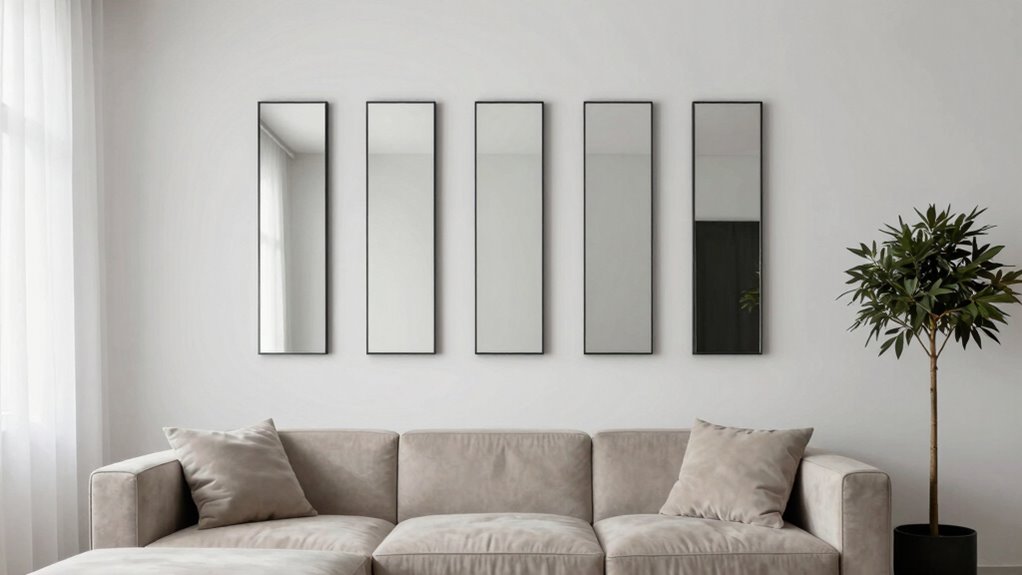
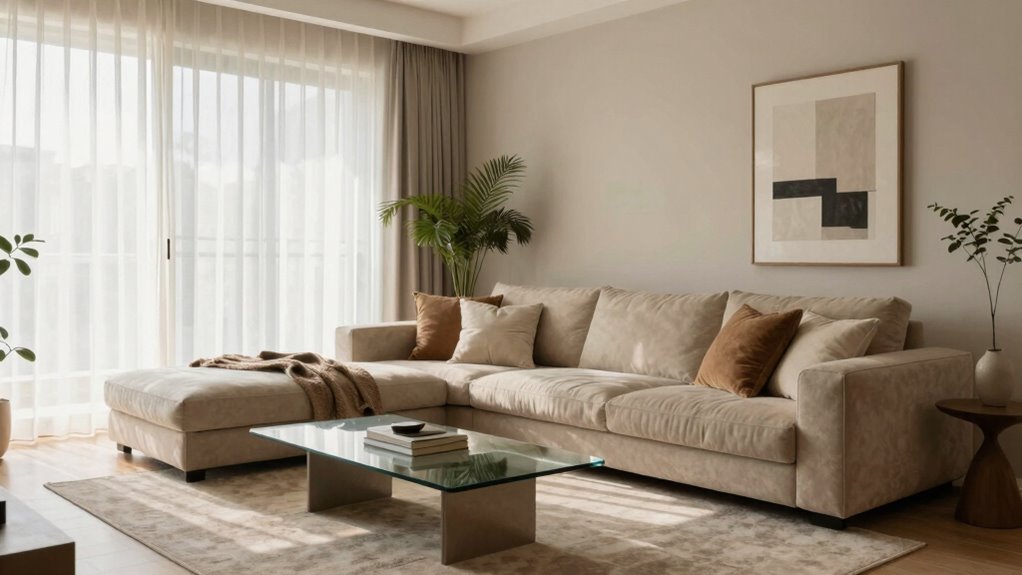
Ever wonder how to make a space feel more dynamic without making it feel crowded? The key lies in clever design techniques that add visual interest without overwhelming the room. One effective approach is to play with color contrast. When you choose different hues, you create a sense of depth and separation that keeps your space lively. For example, pairing a dark accent wall with lighter furniture instantly adds dimension. You don’t need to paint every wall a bold color—subtle variations work just as well. Think about using contrasting throw pillows, rugs, or art pieces to break up a monochromatic palette. These small pops of color catch the eye and make the room feel more layered and interesting, without adding physical clutter. Incorporating visual interest through thoughtful design can significantly enhance the perception of space. Layered textures are another powerful tool for creating depth. Instead of filling your space with numerous decorative objects, focus on combining different textures in your existing furnishings and accessories. Imagine a plush velvet sofa paired with a sleek metal coffee table and a woven throw blanket. The contrasting textures create a rich, tactile experience that visually expands the space. You can also incorporate layered textures through textiles like curtains, rugs, and cushions—each adding its own dimension without adding extra items. This method makes your room feel more complex and inviting while keeping it streamlined. To maximize this effect, consider how light interacts with these textures. Shiny surfaces reflect light, adding brightness and dimension, while matte finishes absorb it, creating depth. Mixing these finishes strategically enhances the layered look and prevents your space from feeling flat. Additionally, using different textures in your wall art or decorative accents can subtly draw the eye across the room, emphasizing its depth without cluttering it. You don’t need to overload your space with accessories to achieve a layered, dimensional feel. Instead, focus on quality pieces with varied textures and bold color contrasts. Keep your surfaces clean and uncluttered, allowing these design elements to stand out. Thoughtful placement of decorative accents can also help guide the eye and add subtle layers of interest. Incorporating Layered textures can be particularly effective in enhancing the perception of space, especially in smaller rooms. Using a combination of contrasting colors and textures is a simple yet effective way to add depth, making your space feel more expansive and engaging. The result is a room that appears more interesting and spacious, simply through clever use of visual techniques that add depth without adding clutter.
As an affiliate, we earn on qualifying purchases.
Frequently Asked Questions
Can I Use Mirrors to Create Depth in Small Spaces?
Yes, you can definitely use mirrors to create depth in small spaces. Proper mirror placement is key—position them opposite windows or reflective surfaces to maximize light and visual space. Reflective surfaces bounce light around the room, making it feel larger and more open. Avoid cluttering the space with too many mirrors; instead, choose a few well-placed pieces to enhance the room’s dimension without overwhelming it.
What Lighting Techniques Help Add Dimension Subtly?
You can add dimension subtly by using layered lighting and accent lighting. Incorporate a mix of ambient, task, and accent lights to create depth and visual interest. Use accent lighting to highlight architectural features or artwork, while layered lighting guarantees the space feels dynamic without clutter. Dimmer switches give you control, allowing you to adjust the ambiance and emphasize different areas, making your space feel more expansive and inviting.
How Do Texture and Patterns Influence Perceived Space?
You might think textures and patterns make spaces feel busier, but layered textiles and varied surface finishes actually add depth without clutter. When you mix different textures—like smooth, rough, or glossy—you create visual interest that enhances perception of space. Patterns, if used thoughtfully, guide the eye and define areas subtly, making your room feel more dynamic and inviting without overwhelming the senses.
Are There Specific Color Schemes That Enhance Depth?
You can enhance depth with specific color schemes by focusing on color contrast and monochromatic palettes. High contrast between light and dark shades creates a sense of dimension, making elements stand out. Monochromatic schemes, using varying shades of the same color, add subtle depth without clutter, allowing your space to feel layered and dynamic. Play with contrast and tone variations to give your room a richer, more inviting sense of depth.
How Can Furniture Placement Improve Room Dimension?
Imagine a room where furniture floats effortlessly, creating pathways that invite exploration. Your furniture arrangement plays a vital role in spatial optimization, making the space feel larger and more inviting. Position larger pieces against walls to free up central areas, and use multi-functional furniture for flexibility. By thoughtfully placing your furnishings, you enhance room dimension, guiding the eye naturally and avoiding clutter, all while creating a harmonious, open environment.
Conclusion
By thoughtfully layering textures, using strategic lighting, and incorporating varied decor sizes, you can add depth to your space without clutter. Remember, a well-placed mirror can double your room’s perceived size, creating a sense of openness. Did you know that a mirror can reflect up to 80% of available light? This simple trick transforms your room into a more dynamic, inviting space—without sacrificing your clean, organized aesthetic.
Fall yard work Picks
leaf blowers
As an affiliate, we earn on qualifying purchases.