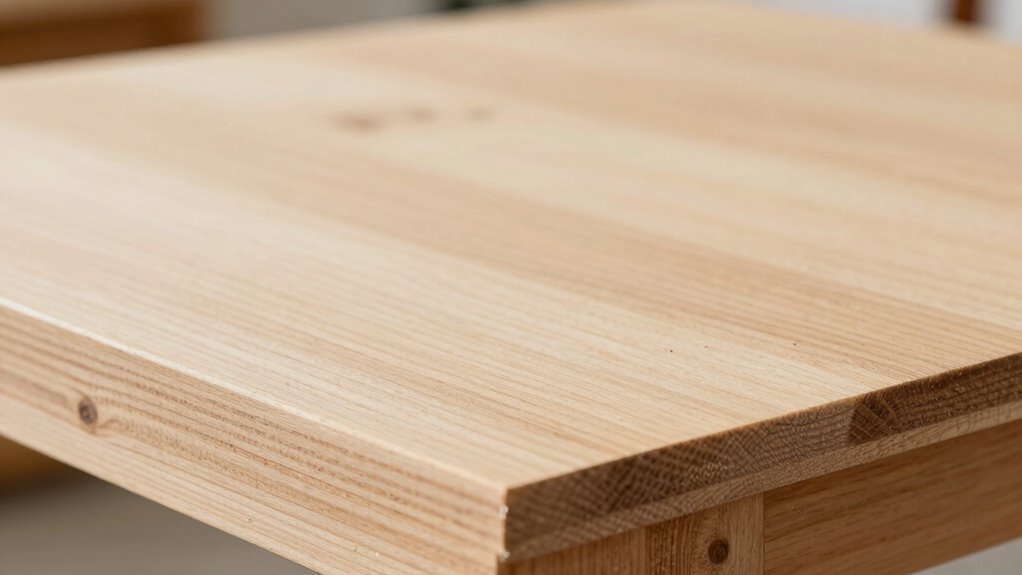

To spot a good craft base, check its material quality—look for sturdy, thick textures that won’t bend or crack easily. Test stability by gently pressing; a solid base should stay firm without wobbling. Make sure the surface is smooth and even, so glue and paint adhere well. Also, consider if the material is compatible with your decorating techniques. If you want to learn how to pick the perfect base every time, keep exploring these tips.

Get business pricing on tools and workshop supplies
- Business-only prices and quantity discounts
- Tax-exempt purchasing
- Multiple users, one account, clear invoices
Key Takeaways
- Check for sturdy, high-quality materials like thick cardboard, wood, or durable foam that won’t easily warp or break.
- Test the base’s stability by gently pressing to ensure it doesn’t wobble or flex.
- Ensure the surface is smooth, even, and receptive to paint and adhesives for better decoration results.
- Confirm compatibility with your chosen adhesives and mediums to prevent peeling or warping over time.
- Inspect for surface imperfections or rough patches that could interfere with adhesion and finishing.
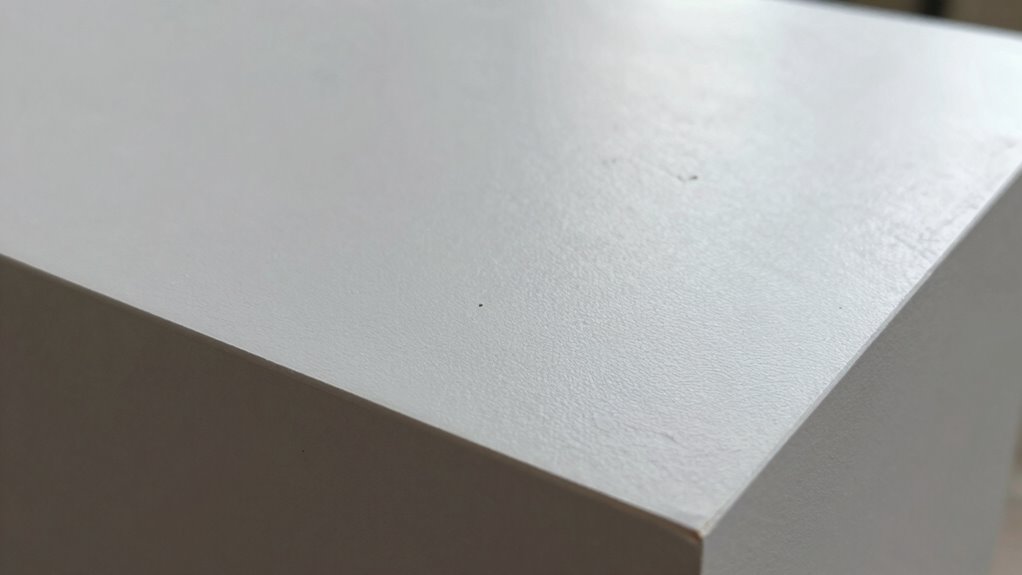
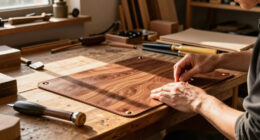
Finding a good craft base is essential for creating high-quality projects, and knowing what to look for can make all the difference. When you’re selecting a foundation for your craft, the first thing to evaluate is the craft material quality. High-quality materials are more durable, easier to work with, and will help your finished piece look professional. Check the texture and weight of the base—if it feels flimsy or too thin, it might not hold up well once decorated. Good craft bases are often made from sturdy materials like thick cardboard, quality wood, or durable foam, which provide reliable support without warping or bending over time. Avoid bases that are overly brittle or easily damaged, as these can compromise the integrity of your project from the start.
Equally important is the structural stability of the craft base. A stable foundation ensures that your decorations stay in place and that the project maintains its shape as you work on it. You want to test the base for wobbliness or any signs of weakness. For example, if you’re working with a wooden frame, gently press on different areas to see if it remains firm. For cardboard or foam, press lightly to check for flexing or collapsing. A good craft base should feel solid and steady, giving you confidence that your embellishments will adhere properly and remain intact over time. If the base shifts or wobbles during handling, it can ruin your design or make it difficult to achieve precise details. Additionally, considering the material composition can help you select the most appropriate decorating techniques and adhesives for optimal results.
Furthermore, the ability of the craft material to take paint, glue, or other adhesives depends heavily on its surface properties, which can affect the overall finish and durability of your project. The surface should be receptive enough to hold your chosen decorating mediums without peeling or warping. For instance, some woods or sturdy plastics might require primer or special adhesive to bond effectively. When inspecting the base, look for smooth, even surfaces that won’t interfere with your design. If the surface has rough patches or inconsistencies, it might lead to uneven decoration or adhesion problems. A well-chosen craft base with suitable material properties will greatly enhance the overall quality and durability of your finished project.
As an affiliate, we earn on qualifying purchases.
Frequently Asked Questions
What Materials Are Best for a Durable Craft Base?
For a durable craft base, you should choose sturdy materials like cardboard, foam board, or wood, which support various decorating techniques. These options resist wear and tear, ensuring your project lasts longer. Consider material alternatives like chipboard or acrylic for added strength. When selecting your base, think about the weight, flexibility, and how well it holds paint or adhesives, making your decorating efforts more successful and long-lasting.
How Do I Assess the Stability of a Craft Base?
Think of your craft base as a sturdy bridge. To assess its stability, check the surface texture—smooth and even surfaces hold better than rough or cracked ones. Gently press to see if it flexes or wobbles. Also, consider color compatibility; a cohesive color scheme indicates good quality materials, ensuring your decorations stay secure. If the base feels solid and looks compatible, you’ve got a stable foundation for your creative project.
Can a Craft Base Be Reused for Different Projects?
Yes, you can reuse a craft base for different projects if you choose versatile bases like plain wood, cardboard, or foam. These materials are easy to modify and adapt to various themes. To maximize creative reuse, consider painting or decorating the base differently each time. This approach saves money, reduces waste, and sparks your creativity, allowing you to transform the same base into entirely new and exciting projects.
What Size Should I Choose for My Craft Base?
Choosing the right size for your craft base is essential; it’s the difference between creating a masterpiece and a chaotic mess! When selecting, consider your project’s scale—tiny details or grand displays need different sizes. Craft base selection should match your vision—small for delicate designs, large for bold statements. Think about where it’ll sit and how much space you want to fill, ensuring your project turns out stunning, not overwhelming.
How Do I Prevent Warping or Damage Over Time?
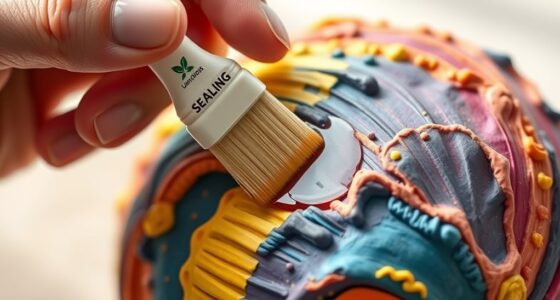
To prevent warping or damage over time, you should choose a craft base with a smooth surface texture, which helps your decorations adhere evenly and reduces stress points. Guarantee the surface is compatible with your adhesive to avoid peeling or bubbling. Additionally, seal the base with a protective coating, especially if exposed to moisture or temperature changes, to maintain its integrity and keep your project looking fresh longer.
Conclusion
Once, I picked a craft base that felt sturdy but cracked easily, much like building a house on shaky ground. A good craft base is like a solid foundation—supportive, durable, and reliable. When you spot one with uniform texture, no cracks, and a weight that feels right in your hands, you’re setting yourself up for success. Remember, a strong base isn’t just about looks; it’s about creating something that lasts.
Columbus Day / Indigenous Peoples' Day Picks
long weekend sales
As an affiliate, we earn on qualifying purchases.