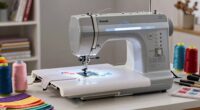
Before buying a craft laser, you should review a materials checklist to guarantee safety, compatibility, and quality. Check which materials are suitable and follow the manufacturer’s guidelines, avoiding those that produce harmful fumes or damage equipment. Understand each material’s properties, like thickness and density, to optimize your settings. Testing materials beforehand is key to prevent issues. For a complete guide on what to contemplate, keep exploring—there’s much more to discover.
Key Takeaways
- Verify material compatibility with the laser cutter and follow manufacturer guidelines for safe operation.
- Check for harmful fumes or chemical treatments that could pose safety risks during cutting.
- Assess material properties like thickness and density to determine suitable laser settings.
- Conduct small-scale tests to ensure quality, safety, and proper equipment performance.
- Ensure proper workspace setup with ventilation, protective gear, and handling procedures before purchasing.
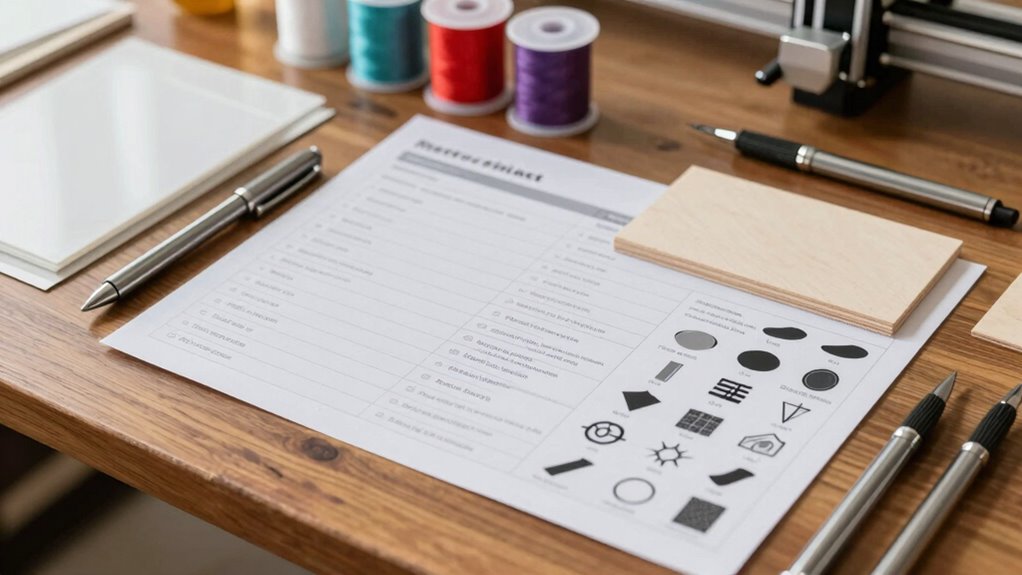
Getting started with craft laser projects requires careful preparation, starting with a complete materials checklist. Before you embark on any creation, it’s essential to understand which materials are compatible with your laser cutter and how to guarantee safety during operation. Laser safety isn’t just a precaution; it’s a critical part of protecting yourself from potential hazards like fumes, laser exposure, and fires. Always check the manufacturer’s guidelines for your specific laser machine to see which materials are recommended and which should be avoided. Not all materials react the same way; some may produce harmful fumes or damage your equipment. Being aware of material compatibility helps you prevent costly mistakes and assures your projects turn out beautifully.
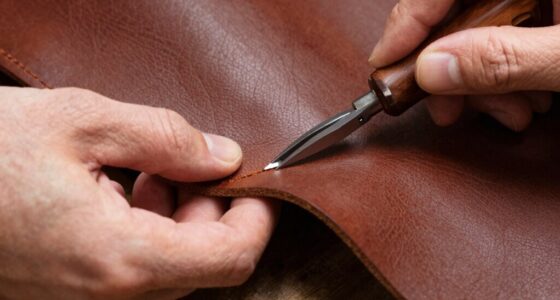
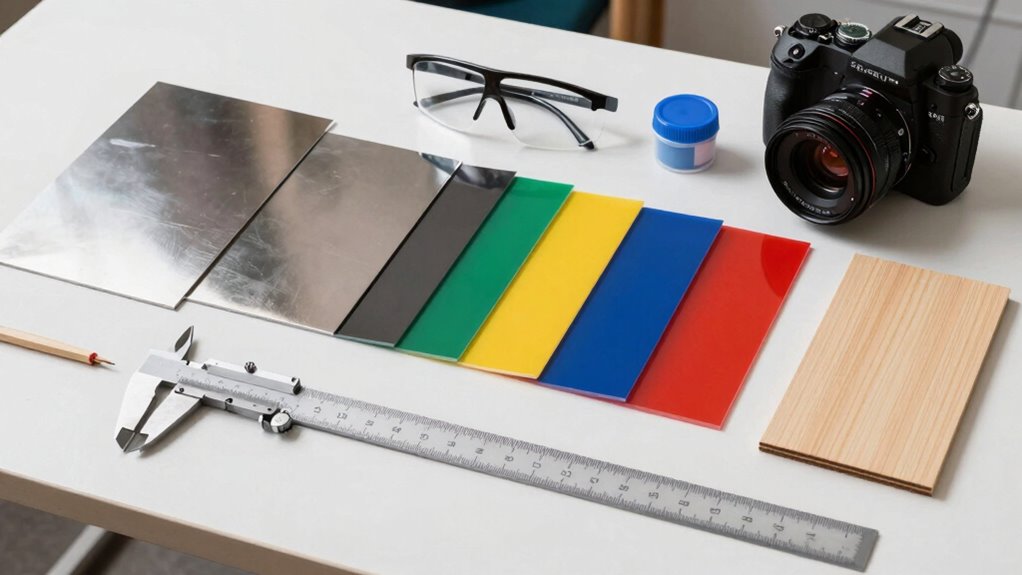
When selecting materials, you want to prioritize those that cut or engrave cleanly without causing damage or safety issues. Wood, acrylic, leather, and certain plastics are common choices for craft lasers, but each has its own considerations. For example, natural wood is generally safe, but some woods contain oils or resins that could be hazardous when heated. Acrylic is popular for its clarity and ease of use, but not all types are suitable—some may emit toxic fumes or crack during engraving. Leather can produce stunning results, but make sure it’s free of chemical treatments that could produce dangerous fumes. To maintain safety and quality, you need to verify that each material’s composition aligns with your laser’s capabilities and safety standards. Additionally, understanding material safety data is crucial when working with unfamiliar substances to ensure safe handling and use. Proper knowledge of laser-compatible materials can help you select the best options for your projects and avoid safety pitfalls.
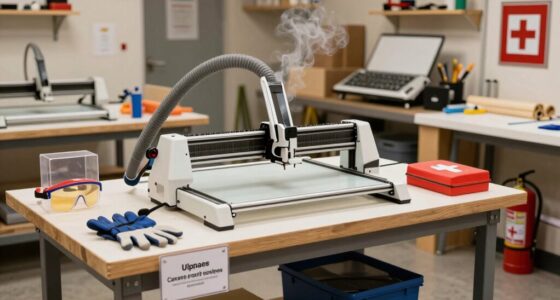
Furthermore, understanding the properties of different materials helps you optimize your laser settings and achieve precise results, reducing waste and potential hazards. Incorporating material testing before starting your project can also prevent unforeseen issues and safeguard your equipment. A thorough understanding of the material’s thickness and density is essential, as these factors influence cutting speed, power settings, and overall results. In addition to checking material compatibility, you should gather the right tools and supplies to handle your chosen materials properly. This includes protective gear like safety glasses, respirators, and gloves, especially when working with plastics or materials that release fumes. Proper ventilation or fume extraction systems are essential to keep your workspace safe and comfortable. Make sure you have a clear understanding of the material’s thickness and density, since these factors influence cutting speed, power settings, and overall results. Having the correct settings for each material not only improves quality but also extends the life of your machine.

FreeMascot IPL 200nm-2000nm Laser Safety Glasses for Laser Hair Removal Treatment and Laser Cosmetology Operator Eye Protection with Case (Green)
Wavelength: 200nm-2000nm, broad spectrum protection, block UV, Blue, Red and Infrared Laser Light
As an affiliate, we earn on qualifying purchases.
As an affiliate, we earn on qualifying purchases.
Frequently Asked Questions
Can I Use Recycled Materials With a Craft Laser?
Yes, you can use recycled materials with a craft laser, but you need to follow recycling guidelines and check material compatibility first. Guarantee the recycled materials are safe for laser engraving or cutting, as some may emit harmful fumes or damage your machine. Always test small pieces and verify that the recycled material won’t negatively affect your laser’s performance or safety. Proper research ensures successful, eco-friendly projects.
What Safety Equipment Is Recommended During Laser Cutting?
Imagine sparks flying and fumes swirling as you operate your craft laser—staying safe is essential. You should wear laser safety glasses to shield your eyes from harmful light and debris. Protective gear like gloves and a mask help prevent burns and inhalation of fumes. Always make certain proper ventilation and follow laser safety guidelines, so you can enjoy your projects without risking your health.
Are There Materials That Should Be Avoided Entirely?
Yes, you should avoid materials that pose safety risks or are incompatible with your laser. Certain materials, like PVC, vinyl, or anything containing chlorine, release toxic fumes when laser cut, compromising material safety and laser compatibility. Also, metals and reflective surfaces can damage your laser or cause safety hazards. Always research each material thoroughly before use to guarantee it’s safe and compatible, protecting both your equipment and health.
How Do Material Thickness and Laser Settings Interact?
Material thickness and laser settings directly impact your project’s success. Thicker materials often require higher laser power and slower speeds, but you must guarantee material compatibility to avoid damage. Proper laser calibration is essential to achieve precise cuts and engravings, especially with varying thicknesses. Always test different settings on scrap pieces to find the best balance, preventing burn-through or incomplete cuts while maintaining quality.
Can I Laser Engrave on Painted or Coated Surfaces?
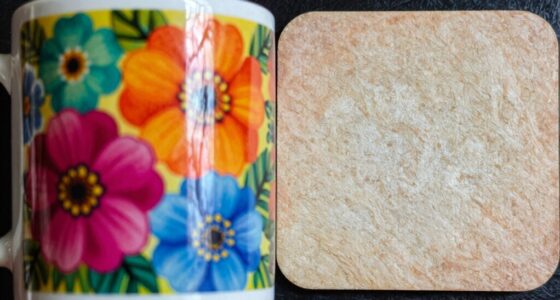
Sure, you can laser engrave on painted or coated surfaces—just don’t expect the paint to stay put. Painted surfaces and coating compatibility are tricky; the laser will likely burn or peel away the coating, revealing chaos underneath. If you want a clean engraving, test first, and consider removing or masking the paint. Otherwise, enjoy the artistic surprise of a partially painted masterpiece!

Deylixay-12Pack 1/8 Thick 12 X 12 Inch 3mm Colored Acrylic Sheets for Laser Cutting, Engraving, Badges, Uv Printed Signs, Decor, Crafts, and Creative DIY Projects Protective Paper Plexiglass Sheets
EASY TO PROCESS: Recyclable material, more durable, lightweight, shatter-resistant, easy to cut, can be cut by laser, table…
As an affiliate, we earn on qualifying purchases.
As an affiliate, we earn on qualifying purchases.
Conclusion
Before you take the leap into crafting with a laser, ensuring you have the right materials is like setting the stage for a beautiful performance. With a little preparation, you’ll create stunning projects without a hitch. Remember, the right choices make the process smoother and the results more impressive. Approach each material thoughtfully, and you’ll find your creative journey more enjoyable and fulfilling. Happy crafting—your next masterpiece awaits just around the corner!

5 Pack Laserable Leatherette Sheet Faux Leather Laser Engraving Leather Blank Hat Patches with Heat Press Adhesive for Laser Engraving DIY Hat Cap Beanie UV Printing Craft Supplies (Bourbon Brown)
What You Get: You will get 5 laserable leatherette sheet, 12.6 x 10.2 Inch, enough for your daily…
As an affiliate, we earn on qualifying purchases.
As an affiliate, we earn on qualifying purchases.
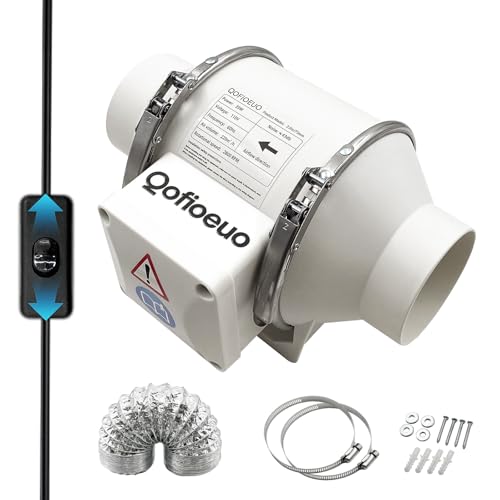
Qofioeuo 3 Inch Inline Duct Ventilation Fan AC Vent Blower Exhaust Fan w/ 2M Pipe Enhanced Air Flow Low Noise for 3D Printer Enclosure Laser Engraver Cover Resin Greenhouse Ventilation Equipment
★【High-Power Performance】:This 3-inch duct fan features a premium copper motor delivering 220 cubic meters of airflow per hour,…
As an affiliate, we earn on qualifying purchases.
As an affiliate, we earn on qualifying purchases.