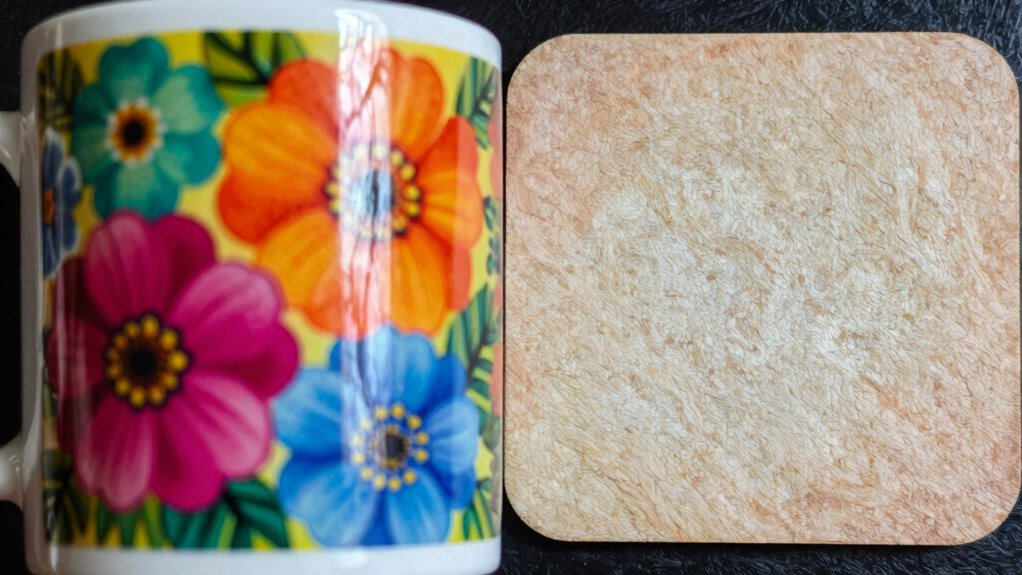

The hidden difference between hobby sublimation and daily-use sublimation lies in the materials, techniques, and quality standards used. With hobby projects, you often use inexpensive materials that may fade or peel over time and basic printers that aren’t built for durability. Daily-use sublimation, on the other hand, uses high-quality surfaces, advanced printing methods, and coatings designed to withstand wear, washing, and sunlight. Keep exploring to uncover more ways these differences impact your projects.
Key Takeaways
- Materials for daily-use sublimation are engineered for durability, while hobby projects often use cheaper, less resilient materials.
- Daily-use sublimation employs advanced printing techniques for long-lasting, vibrant images; hobby sublimation uses basic methods.
- Surface preparation and coating quality significantly impact the durability of daily-use items, often overlooked in hobby projects.
- Daily-use sublimation products are designed to withstand washing, sunlight, and handling, unlike hobby items that may fade or peel.
- The primary focus of daily-use sublimation is longevity and robustness, whereas hobby sublimation emphasizes experimentation and quick results.
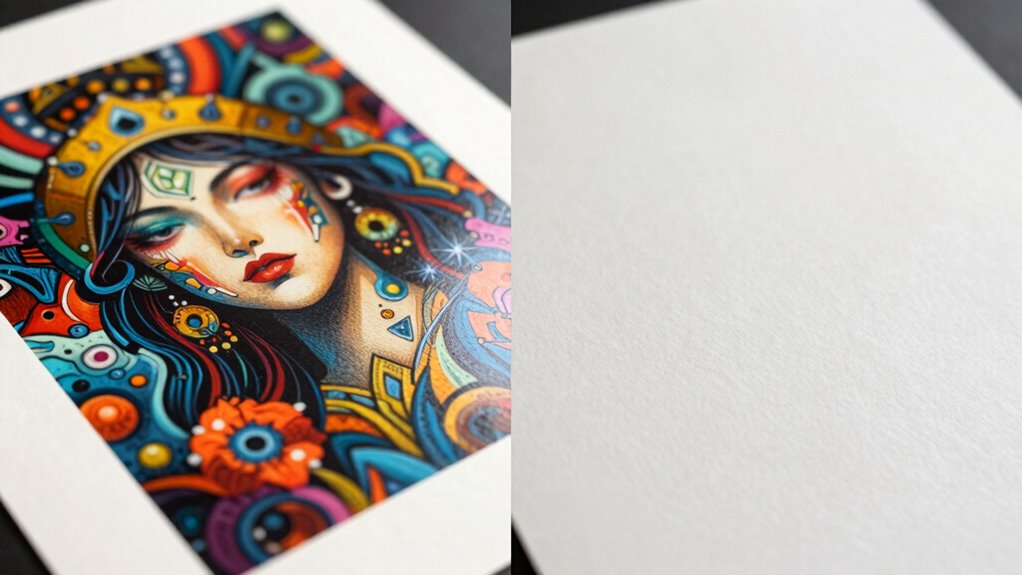
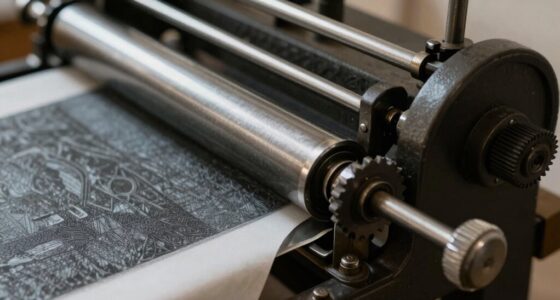
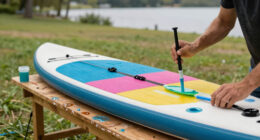
While sublimation may seem like a straightforward process, there’s a hidden difference that often goes unnoticed: the materials and techniques used for hobby projects versus daily-use items. This distinction is vital because it impacts the overall quality, longevity, and appearance of your finished products. When examining sublimation, one of the most important factors is the choice of printing techniques. For hobby projects, you might use basic printers or low-cost transfer papers, which are suitable for short-term or decorative purposes. These methods often prioritize ease and affordability over durability. Conversely, daily-use items demand more advanced printing techniques, such as high-resolution sublimation printers paired with specialized transfer papers designed for long-lasting results. These techniques guarantee that the print remains vibrant and intact through frequent handling and washing. Additionally, the materials used play a crucial role in the overall durability and appearance of sublimation products. Material durability is another key element that sets hobby and daily-use sublimation apart. In hobby projects, the materials—such as inexpensive ceramics, fabrics, or plastics—may not be engineered to withstand regular wear and tear. They might be suitable for temporary displays or gifts but tend to fade or peel over time. For daily-use items, however, you need materials with higher durability. Items like mugs, tumblers, and phone cases are typically made from coated ceramics, metals, or high-quality polyester fabrics that can endure multiple washes, exposure to sunlight, and everyday handling without losing their color or finish. These materials are specifically designed to hold sublimation inks securely, preventing fading, cracking, or peeling. It’s also worth noting that the surface preparation and coating quality profoundly influence the final output. Hobbyists might overlook these details, resulting in less consistent or shorter-lived results. Proper surface preparation can significantly improve the adhesion quality, leading to longer-lasting prints. In fact, surface treatments are crucial in enhancing ink adhesion and ensuring durability. Professional or serious enthusiasts often invest in specialized equipment and coatings that promote better ink adhesion, which can dramatically improve the final product’s lifespan and appearance. This not only improves the appearance but also extends the lifespan of daily-use items, making them suitable for regular use. Ultimately, the hidden difference lies in the focus on quality and durability. Hobby sublimation is often about quick projects and experimentation, which can compromise the longevity of the print. For daily-use items, however, you prioritize robust printing techniques and durable materials, ensuring your creations look great and last through everyday use. Recognizing these differences helps you select the right approach and materials for each project, ensuring your sublimation results meet your expectations and stand the test of time.
high durability sublimation mugs
As an affiliate, we earn on qualifying purchases.
As an affiliate, we earn on qualifying purchases.
Frequently Asked Questions
What Equipment Is Essential for Hobby Sublimation?
For hobby sublimation, you’ll need a few essential pieces of equipment. Start with a sublimation printer and specialized ink, plus alternative substrates like ceramic mugs or blanks. A heat press with adjustable settings guarantees proper transfer, so pay attention to temperature and time. You’ll also want protective paper and a heat-resistant surface. These tools help you achieve vibrant, durable designs perfect for your hobby projects.
How Does Sublimation Ink Quality Affect Results?
You get what you pay for, especially with sublimation ink. High-quality ink formulation guarantees better color vibrancy, which means your designs come out vivid and professional-looking. Poor quality ink can lead to dull colors, uneven results, and even damage to your equipment. So, investing in top-tier ink directly impacts your final product’s quality, making your creations stand out and last longer. Always choose quality ink for the best results.
Can Sublimation Be Used on All Materials?
Sublimation works best on materials with a polyester coating or high polyester content, so it can’t be used on all materials. You need to take into account material compatibility to ensure proper ink absorption and durability. Using the right sublimation ink helps preserve the ink’s vibrant colors and sharpness, preventing fading or peeling over time. Remember, sublimation is limited to suitable surfaces, making material choice vital for successful results.
What Are Common Mistakes in Hobby Sublimation?
You often make mistakes like not adjusting the transfer temperature or rushing the process, affecting color saturation. To avoid this, always double-check your heat settings and verify your sublimation paper is properly aligned. If the transfer temperature is too low, colors will be dull; too high, and you risk burning your design. Consistently monitoring these factors ensures vibrant results and prevents common hobby sublimation errors.
How Long Does Sublimation Print Durability Last?
You might worry about sublimation print durability, but with proper care, your prints can last years. Typically, the color retention and ink longevity guarantee vibrant images for 3-5 years or more, especially on well-coated surfaces. Regular washing in cold water and avoiding harsh chemicals help maintain quality. Keep in mind, the more you care for your items, the longer their sublimation prints will stay vivid and intact.
Conclusion
Now that you understand the hidden difference between hobby and daily-use sublimation, you can make smarter choices, improve your projects, and meet your needs with confidence. Whether you’re crafting for fun or for everyday use, recognizing these differences helps you optimize your techniques, select the right materials, and achieve better results. Embrace the knowledge, refine your skills, and enjoy the process—because whether hobby or daily-use, your sublimation journey is about creating with purpose, passion, and precision.