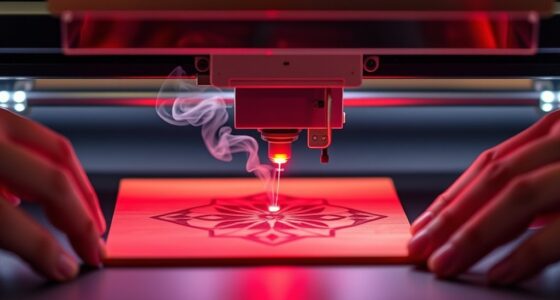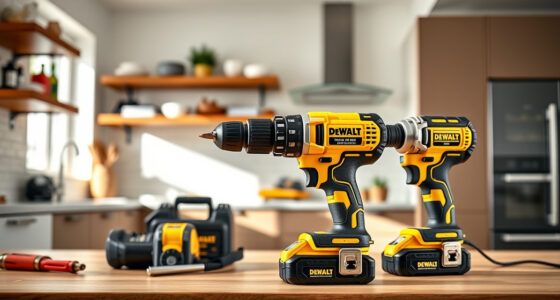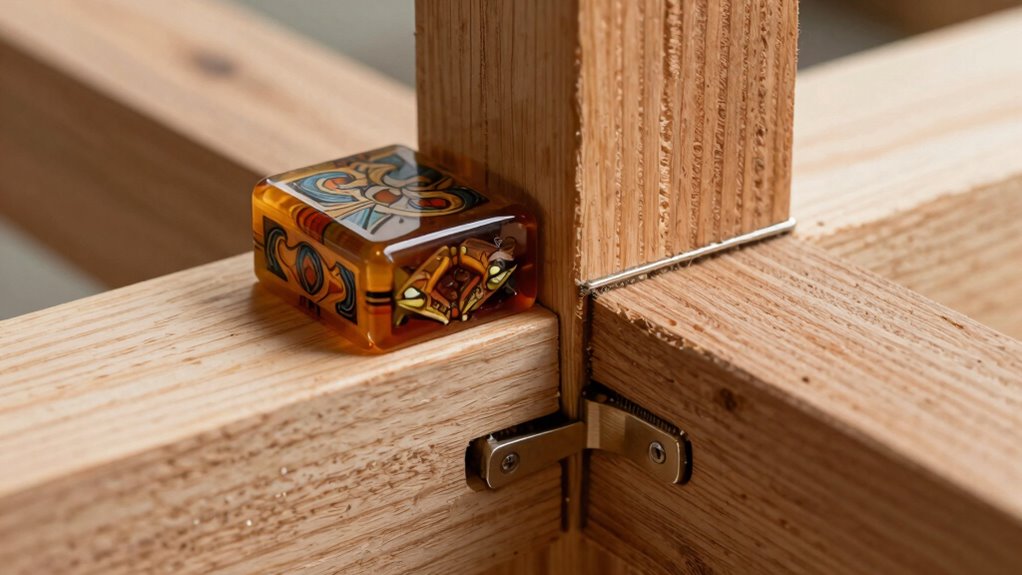

Decorative glue-ups focus on enhancing appearance by minimizing visible adhesive and ensuring a seamless look, while structural glue-ups prioritize strength and durability to support weight or stress. For decorative projects, you’ll want adhesives that dry clear and hide the bond, whereas for structural needs, you need strong adhesives like epoxy or polyurethane that can handle loads. Understanding these differences helps you pick the right adhesive for your project—continue with the details to make smarter choices.

Get business pricing on tools and workshop supplies
- Business-only prices and quantity discounts
- Tax-exempt purchasing
- Multiple users, one account, clear invoices
Key Takeaways
- Decorative glue-ups prioritize appearance and minimal visible adhesive, while structural glue-ups focus on strength and load-bearing capacity.
- Structural bonds require stronger adhesives like epoxy or polyurethane, whereas decorative bonds often use clear or flexible adhesives.
- The purpose of the project influences adhesive choice: aesthetic concealment for decorative, durability for structural applications.
- Environmental factors, such as moisture or temperature, impact adhesive selection for both decorative and structural projects.
- Compatibility with materials ensures proper adhesion and prevents failure, tailored to either aesthetic or load-bearing needs.
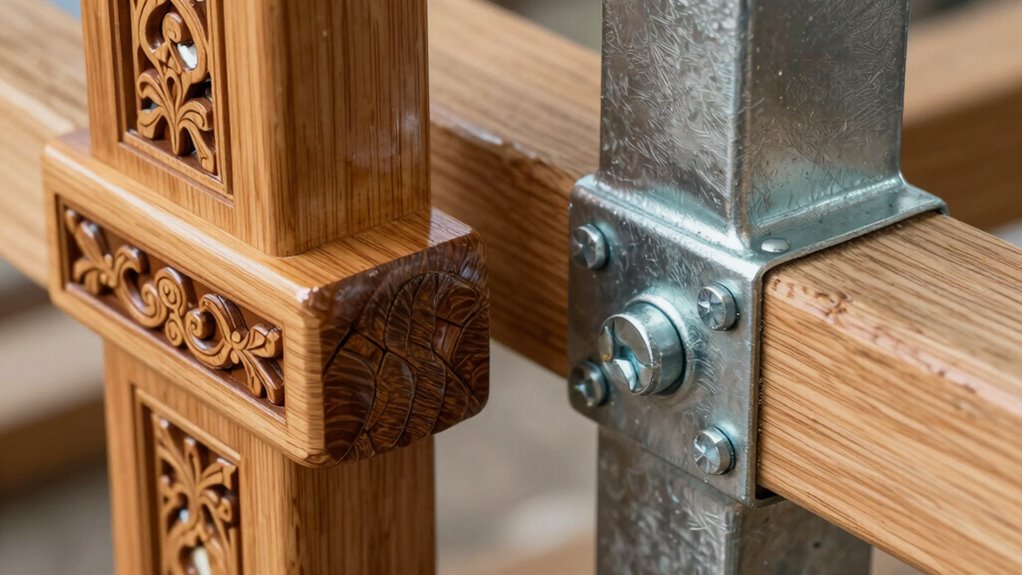
When choosing glue-ups for your project, understanding whether you need a decorative or structural bond is vital. The key difference lies in the purpose of the bond and the demands placed on it. Decorative glue-ups typically focus on appearance, aiming for minimal visibility of the adhesive, while structural glue-ups prioritize strength and durability to support weight, stress, or movement. Selecting the right type hinges on evaluating the adhesive strength required and ensuring material compatibility. Not all adhesives perform equally across different materials, so knowing which glue works best with your substrates helps prevent failures down the line.
In decorative applications, your priority is often achieving a seamless look. You want the adhesive to be strong enough to hold the pieces securely, but it shouldn’t compromise the aesthetic. For these projects, you’ll typically choose adhesives with moderate to high adhesive strength, but one that remains flexible or dries clear to hide the bond line. Material compatibility becomes vital here because some adhesives can cause discoloration or damage certain surfaces. For example, water-based glues may be ideal for porous woods, but they might not be suitable for plastics or non-porous materials. Using the wrong adhesive can result in visible glue lines or compromised appearance, defeating the purpose of a decorative finish. Additionally, understanding the adhesive strength needed for your project ensures you select an appropriate bonding solution. Moreover, considering application methods can influence the overall success, especially for intricate or detailed decorative work. Being aware of the environmental conditions that the finished piece will face also helps in selecting the appropriate adhesive, especially for outdoor or humid settings. Knowing how adhesive properties respond to different environments can further improve the longevity of your decorative glue-up.
In contrast, structural glue-ups demand maximum adhesive strength because they’re designed to bear loads, resist shear, and withstand environmental factors like moisture or temperature fluctuations. Here, you need an adhesive that forms a robust, permanent bond capable of supporting significant weight or stress. Material compatibility is equally important, as using an incompatible adhesive could weaken the joint or cause damage to the materials over time. Epoxy or high-strength polyurethane glues are common choices for structural applications, as they offer superior adhesive strength and excellent compatibility with a variety of materials, including metal, plastic, and dense woods. Ensuring compatibility minimizes the risk of joint failure, especially in load-bearing scenarios.
Whether you’re working on a decorative piece or a structural component, understanding the differences in adhesive strength and material compatibility guides your choice. For decorative projects, prioritize appearance and flexibility, selecting adhesives that provide good adhesion without sacrificing visual quality. For structural projects, focus on maximizing adhesive strength and ensuring material compatibility to create a durable, reliable bond. Knowing these factors allows you to choose the right glue for the job, making your project more successful and long-lasting.
As an affiliate, we earn on qualifying purchases.
Frequently Asked Questions
Can Decorative Glue-Ups Be Load-Bearing?
Decorative glue-ups generally aren’t load-bearing because they focus on aesthetic appeal through artistic techniques. You might use decorative glue to enhance visual effects or create intricate patterns, but it’s not designed to support weight or structural loads. If you need a glue-up that’s load-bearing, you should choose a structural adhesive specifically engineered for strength and safety, rather than relying solely on decorative aesthetics.
Are Special Tools Needed for Structural Glue-Ups?
You don’t need special tools for structural glue-ups, but selecting the right adhesive types is essential. Think of glue curing as a race against time—some adhesives set quickly, others need longer to reach full strength. While basic tools like clamps and brushes suffice, make sure you follow manufacturer instructions carefully to achieve a strong, durable bond. Proper preparation and patience will make your project sturdy enough to stand the test of time.
How Long Do Decorative Glue Joints Typically Last?
Decorative glue joints typically last many years, often decades, especially when used with proper techniques and quality adhesives. Since they’re meant for aesthetic enhancements and decorative finishes, their longevity depends on factors like environment and care. You can guarantee they stay attractive and durable by avoiding excessive moisture, extreme temperature changes, and handling them gently. With proper maintenance, your decorative glue joints will continue to enhance your project’s appearance over time.
Can Structural Glue-Ups Be Hidden or Concealed?
Did you know that about 80% of structural glue joints can be concealed? Yes, you can hide structural glue-ups using concealed techniques and hidden adhesives, especially in high-quality woodworking. Skilled craftsmen carefully apply these methods to guarantee the joints remain unseen, maintaining the piece’s aesthetic appeal. Whether through internal channels or clever joint design, hiding structural glue-ups is achievable, giving your project a seamless, professional finish without compromising strength.
What Safety Precautions Are Necessary for Structural Gluing?
You need to prioritize workplace safety when performing structural gluing. Always wear protective gear like gloves, goggles, and a mask to shield yourself from fumes and potential splashes. Make certain proper ventilation in your workspace, and follow manufacturer instructions carefully. Keep your work area clean and organized to prevent accidents. By taking these precautions, you minimize risks and protect yourself from health hazards associated with structural gluing.
Conclusion
In the end, understanding the difference between decorative and structural glue-ups is like wielding a magic wand in your woodworking toolkit. With this knowledge, you’ll avoid catastrophic failures or stunningly beautiful pieces that could grace a palace! Remember, choosing the right glue-up isn’t just a small detail—it’s the secret to turning your project into a masterpiece or a disaster. So, pick wisely and let your craftsmanship shine brighter than a thousand suns!
Fall yard work Picks
leaf blowers
As an affiliate, we earn on qualifying purchases.