To choose between DTF, HTV, or sublimation, consider your project type, materials, and desired durability. DTF is versatile for many surfaces, HTV works best on intricate and stretch designs, while sublimation is ideal for polyester fabrics and vibrant, fade-resistant prints. Evaluate cost, work effort, and eco-impact to make the best choice. Stick with us to explore how a decision tree can simplify this process and help you select the perfect method.
Key Takeaways
- Choose DTF for versatile, durable prints on various materials and complex designs.
- Use HTV for intricate, stretchy designs on garments like T-shirts with simple graphics.
- Opt for sublimation when printing vibrant, fade-resistant images on polyester fabrics and compatible hard surfaces.
- Consider material compatibility, cost, and durability to select the best method for your project.
- Use a decision tree based on design complexity, material type, and desired longevity to guide your choice.

AST&T Heat Press Machine 12" x 10" Portable & Easy Heat Press for T-Shirts, Pillows, Tote Bags & More White (Heat Press)
12 X 10 HEATING PLATE: Easy press 12 inches x 10 inches size (30 .52centimeters x 25.4 centimeters)...
As an affiliate, we earn on qualifying purchases.
What Are DTF, HTV, and Sublimation: And How Do They Work?
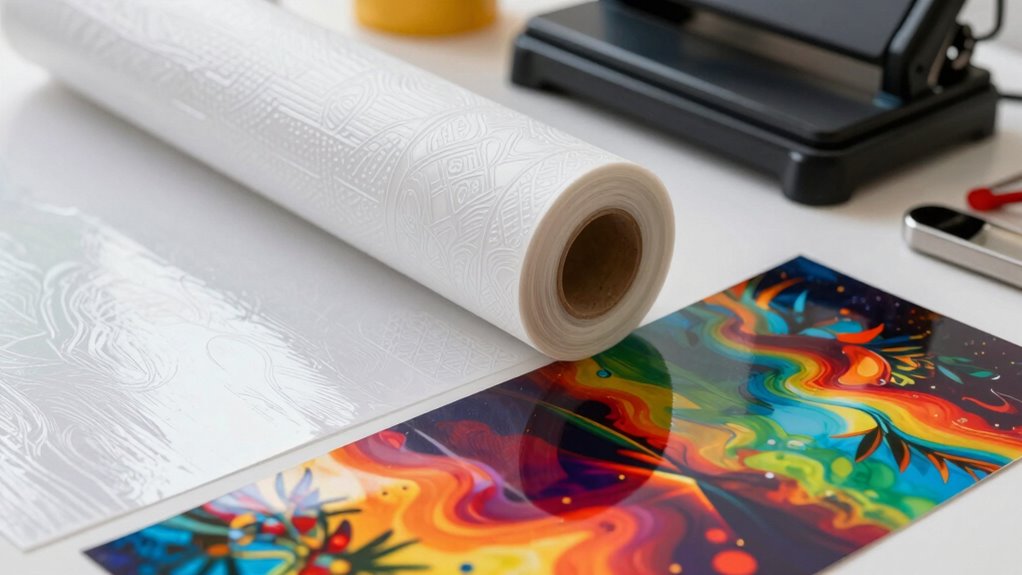
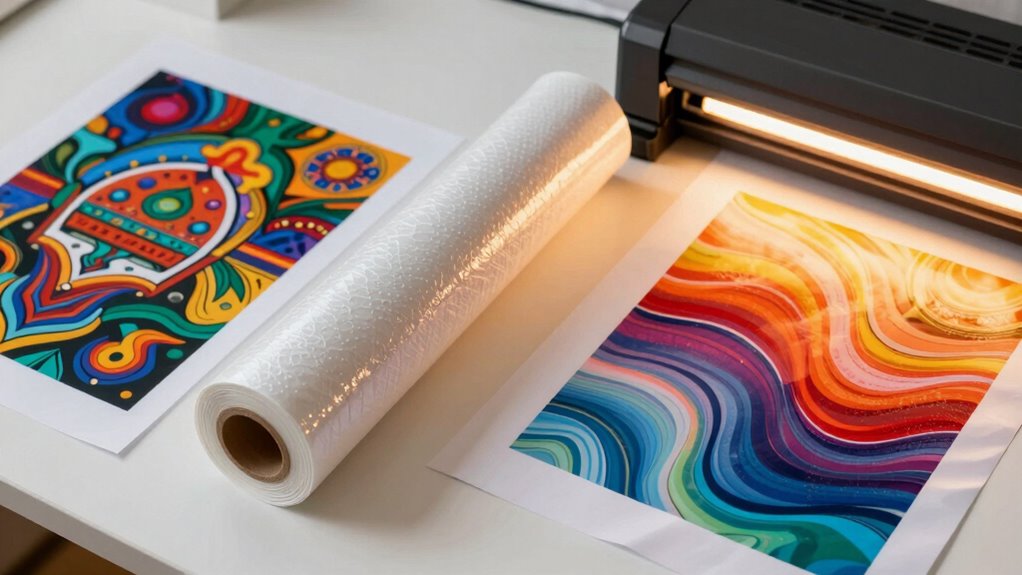
When it comes to customizing garments, understanding the main printing methods is essential. DTF (Direct-to-Film) uses special ink types that adhere to a variety of materials, making it versatile for different fabrics. It involves printing a design on a film and then transferring it with heat. HTV (Heat Transfer Vinyl) requires cutting out designs from vinyl sheets, which are then applied via heat and pressure. Its material compatibility is limited mainly to textiles that can withstand heat. Sublimation relies on ink types that turn into gas when heated, bonding only with polyester fabrics. Knowing how these methods work helps you choose the right one based on material compatibility and the best ink types for your project. Additionally, understanding the printing technology behind these methods can help optimize durability and image quality, especially when considering the energy-efficient practices that can make your printing process more sustainable.

Lzerking Canvas Tote Bag Bulk 15 Pack, 10oz Medium Reusable Grocery Shopping Cloth Bags, 13x15 Inches Blank Tote Bags for Heat Transfer Vinyl, Sublimation, Painting
High Quality Materials: Our canvas tote bag bulk includes 15 canvas bags made of heavy-duty 10oz thick polyester...
As an affiliate, we earn on qualifying purchases.
Which Projects Are Best for DTF, HTV, or Sublimation?
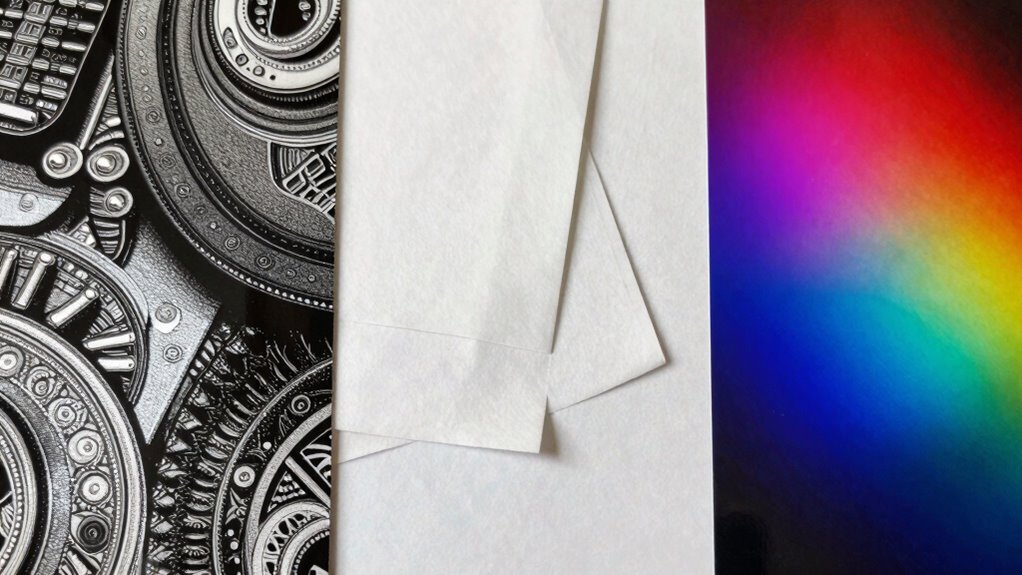
Choosing the right printing method depends on the project you have in mind. DTF excels for custom apparel, tote bags, and hard surfaces due to its versatile material compatibility. HTV is ideal for intricate designs on T-shirts, sportswear, and garments with stretch, offering excellent durability. Sublimation works best on polyester fabrics, mugs, and promotional items, especially for vibrant, full-color images. Here’s a quick comparison:
| Project Type | Material Compatibility |
|---|---|
| Custom apparel, hard surfaces | Wide range, including cotton and blends |
| Stretch garments, T-shirts | Best with heat transfer vinyl (HTV) |
| Mugs, polyester fabrics | Sublimation-specific materials |
Match your project type with material needs to choose the most effective method.

ORJ Sublimation blank canvas bags bulk,Polyester Tote Bags for Sublimation, 6 PCS 13 x 15 Inch Blank Canvas Tote Bags DIY custom Shopping Bag
【Package Contents】 6 PCS beige rectangular blank Thermal sublimation Canvas Bag, Product size :13*15 inches
As an affiliate, we earn on qualifying purchases.
How Do Costs, Durability, and Quality Compare?
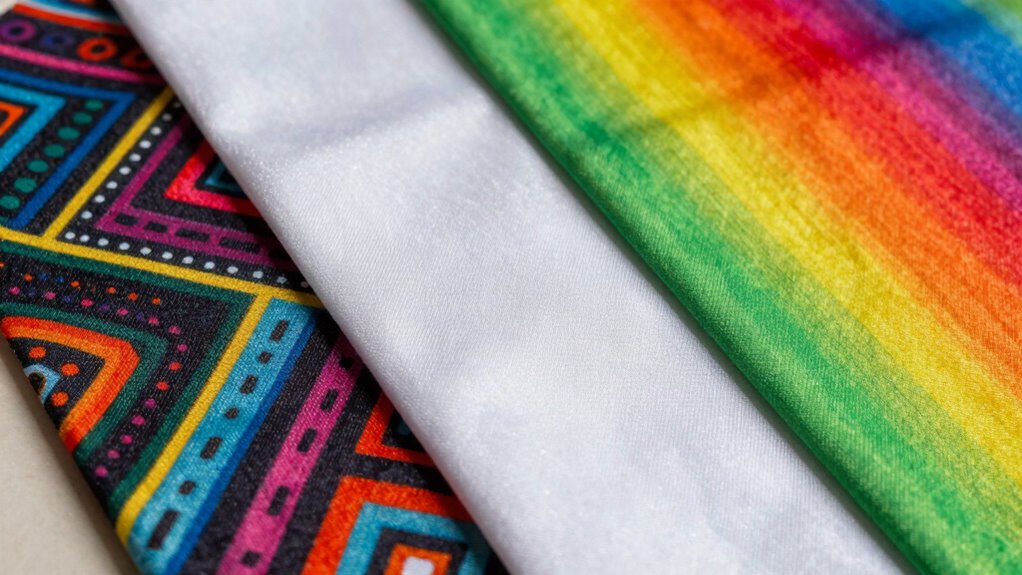
Cost, durability, and quality vary substantially among DTF, HTV, and sublimation, affecting both your budget and the longevity of your projects. In terms of expense comparison, DTF offers a moderate price point with flexible film and ink costs, while HTV is generally cheaper upfront but can add labor time. Sublimation usually involves higher initial equipment costs but offers low ongoing expenses. Durability analysis shows that HTV provides excellent longevity, especially on fabrics, with resistance to cracking and peeling. DTF also offers good durability, with strong adhesion and flexibility. Sublimation’s durability depends on the substrate; it excels on polyester but doesn’t work well on cotton. Additionally, adhesion quality plays a crucial role in determining how well each method withstands wear and washing. When considering cost-effectiveness, it’s important to evaluate both initial investment and long-term maintenance. Each method’s application versatility varies based on material and use-case, influencing your long-term results.

MECOLOUR Heat Press Machine for T-Shirts 12"X10", Heat Transfer Machine 110V for Sublimation,Tote Bags,Pillows,Dresses, Fast Heating, High Pressure, Precise Temperature Control, Insulated Safety Base
High Heating Efficiency: Compared with traditional small heat presses, the 12*10 inch heating area is relatively large and...
As an affiliate, we earn on qualifying purchases.
What Factors Should You Consider When Choosing a Printing Method?

Selecting the right printing method involves evaluating several key factors to guarantee your project meets your expectations and budget. First, consider colorfastness considerations—some methods, like sublimation, offer vibrant, fade-resistant results, while others may not withstand washing or sunlight as well. Next, think about environmental impact factors; for instance, DTF and HTV tend to produce less waste and use fewer chemicals compared to traditional sublimation. You should also assess the type of material you’re printing on, as some methods work better with certain fabrics. Cost, durability, and the desired look are essential, but understanding how each technique affects color retention and environmental sustainability helps you make an informed choice. Ultimately, balancing these factors ensures your project’s success.
How to Use a Decision Tree to Find the Right Printing Method for You

Wondering how to identify the best printing method for your project? Using a decision tree helps simplify your choice by guiding you through key questions. First, consider if your fabric is colorfast; if it is, sublimation might be ideal, especially for vibrant, full-color designs. If your fabric isn’t colorfast, DTF or HTV could be better options. Next, assess the complexity of your design. For intricate designs with fine details, DTF offers excellent resolution and durability. For simpler, bold graphics, HTV works well. Also, think about fabric type—sublimation works best on polyester, while DTF and HTV suit a broader range. Staying informed about Gold IRA markets can help you stay updated on new printing techniques and improvements. By following this decision tree, you’ll quickly narrow down the best method tailored to your fabric, design complexity, and project needs.
Troubleshooting Common Issues and Knowing When to Switch Methods
When you encounter issues with your printed designs, it’s essential to identify whether the problem stems from the chosen method or other factors. If you notice color bleeding, it often indicates that the ink or adhesive wasn’t properly set or that the heat transfer wasn’t applied evenly. For print peeling, it usually means the adhesive or transfer didn’t bond correctly, or the temperature and pressure settings were off. Knowing when to switch methods depends on these signs. If color bleeding persists with sublimation, it may be time to try DTF, which offers better color accuracy. Conversely, if print peeling occurs with HTV, switching to sublimation or DTF might improve durability. Troubleshooting these issues helps you choose the best method for consistent, high-quality results.
Frequently Asked Questions
Can These Methods Be Combined for Unique Effects?
Yes, you can combine DTF, HTV, and sublimation for mixed media and layered effects. By layering these methods, you create unique textures and vibrant designs that stand out. For example, you might apply sublimation for colorful backgrounds, then add HTV for raised details, and finish with DTF for intricate images. Experimenting with these combinations helps you develop innovative, eye-catching creations that showcase your artistic versatility.
Which Method Is Most Eco-Friendly and Sustainable?
You’ll find sublimation to be the most eco-friendly option due to its minimal waste and lower environmental impact. It uses water-based inks and relies on heat transfer to polyester fabrics, reducing chemical use. In contrast, DTF and HTV often involve plastic-based materials that are less sustainable. Prioritizing sublimation supports material sustainability and helps you reduce your environmental footprint, making it a better choice for eco-conscious projects.
How Do Color Vibrancy and Image Detail Differ Among Methods?
They say a picture’s worth a thousand words, and when it comes to color vibrancy and image detail, sublimation shines brightest, offering vivid, true-to-life colors and intricate details. DTF provides good vibrancy but slightly less sharpness, while HTV offers limited color range and detail. For the most striking images, sublimation’s your best bet, ensuring your designs pop with vibrant hues and sharp clarity.
Are There Specific Safety Precautions for Each Printing Technique?
You should always wear safety gear like gloves and masks when working with DTF, HTV, or sublimation, as fumes and chemicals can be hazardous. Make certain proper ventilation requirements are met—use exhaust fans or work in well-ventilated areas—to prevent inhaling harmful particles. Following these safety precautions protects your health and ensures a safer, more effective printing process, whether you’re handling adhesives, inks, or heat presses.
How Do Storage and Shelf Life Vary for Printed Items?
Did you know printed items can last up to 2 years if stored properly? Storage tips are essential for maintaining quality and extending shelf life. Keep items in a cool, dry place away from direct sunlight, and avoid humidity. Proper storage helps prevent fading, cracking, or peeling, ensuring your prints stay vibrant longer. Prioritize good storage habits to maximize shelf life and keep your designs looking fresh over time.
Conclusion
Choosing between DTF, HTV, and sublimation depends on your project needs. For instance, if you want vibrant, full-color designs on polyester apparel, sublimation might be your best bet. But if you need durable, multi-color prints on various fabrics, DTF could be the way to go. By understanding each method’s strengths and using a decision tree, you’ll confidently pick the perfect technique—just like a small business owner who switched to DTF and boosted their product quality.