To prevent overcuring and underflashing in your flash dryer, you should carefully monitor and adjust your drying time based on product moisture and texture signs. Fine-tune temperature and airflow settings to achieve even drying without damaging the product. Using timers, sensors, and regular maintenance helps maintain consistent results. If you want to optimize your process and avoid common issues, learning more about precise timing adjustments can make a real difference.
Key Takeaways
- Adjust temperature and airflow gradually to promote even drying and prevent overcuring or underflashing.
- Use sensors and timers for precise control of drying duration and monitor moisture levels continuously.
- Regularly calibrate dryer settings based on product texture and appearance to maintain consistent quality.
- Monitor product signs, such as texture and surface appearance, to detect and correct over or under-drying early.
- Implement process automation and real-time data collection for consistent timing and optimal drying outcomes.

WE04X25280 TMD1EM35 234D2377P005 Dryer Timer Compatible with GE Hotpoint GTD33EASK0WW GTX22EASK0WW GTX33EASK0WW HTX21EASK0WW, Replaces AP6032628 PS11763067 EAP11763067, OEM Upgraded 1 Year Warranty
Replacement Part Numbers: Direct replacement for WE04X25280. Also replaces TMD1EM35, 234D2377P005, WE04X25280-24PK, 4467035, AP6032628, PS11763067, EAP11763067, PS8746223, EAP8746223,…
As an affiliate, we earn on qualifying purchases.
As an affiliate, we earn on qualifying purchases.
How Timing Affects Flash Drying Quality and Product Outcomes
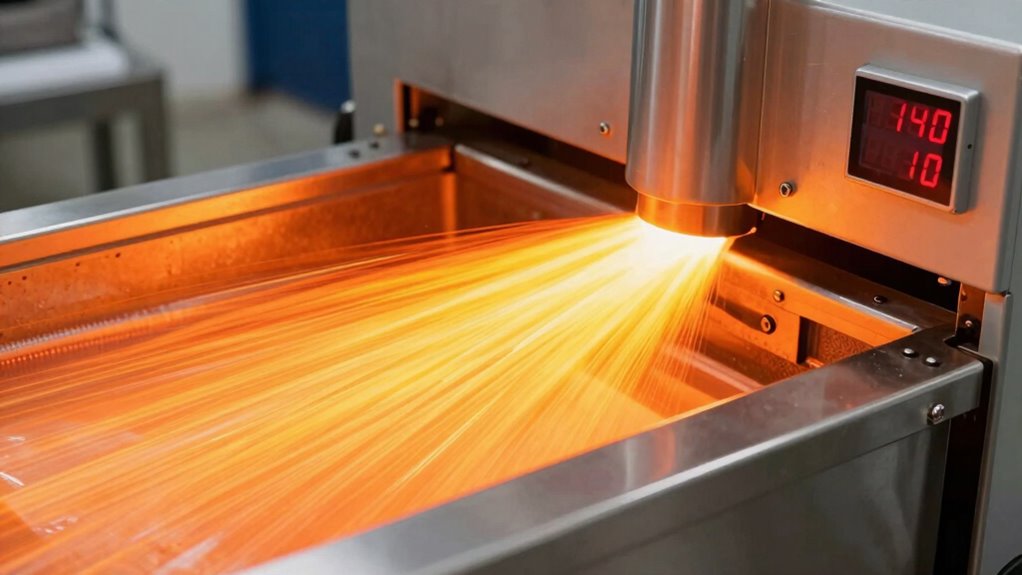
The timing of the drying process plays a crucial role in determining both the quality of the final product and its overall characteristics. Proper humidity control ensures moisture levels are reduced without over-drying, preserving texture and flavor. Temperature calibration is equally essential; it helps maintain consistent heat levels, preventing overheating or under-drying. If you dry too quickly, you risk damaging the product’s structure, while drying too slowly can lead to spoilage or mold growth. Adjusting drying time based on these factors guarantees ideal product quality. Additionally, understanding how contrast ratio impacts visual quality can help optimize the display of finished products in packaging or presentation environments. Implementing timing optimization strategies can further improve drying efficiency and product consistency. Properly calibrated drying equipment ensures that timing is both accurate and consistent across batches, reducing variability and improving overall quality. Moreover, monitoring humidity levels precisely during the process aids in achieving uniform results and prevents over- or under-drying.

Songhe Capacitive Soil Moisture Sensor Module Corrosion Resistant Moisture Detection Garden Watering for Arduino DIY 3.3~5.5V 5pcs
Chip is TL555
As an affiliate, we earn on qualifying purchases.
As an affiliate, we earn on qualifying purchases.
Finding the Optimal Flash Drying Time for Your Products
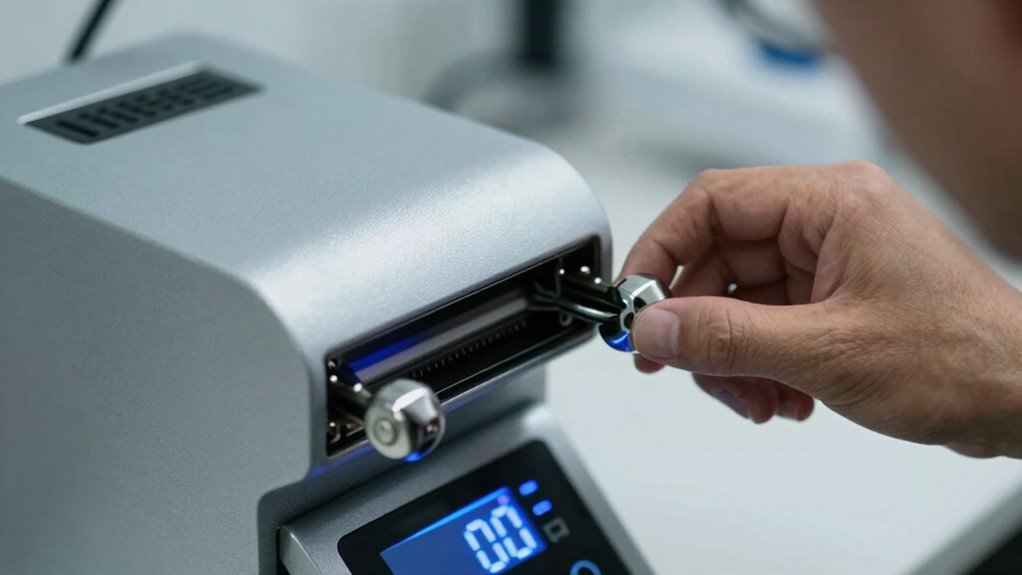
Determining the ideal flash drying time is essential to achieving high-quality results and maximizing product efficiency. If you underdry, your product may retain moisture, leading to poor texture and potential spoilage. Overdrying can cause product brittleness and uneven texture. To find the most suitable timing, observe how your product’s texture changes during drying and adjust accordingly. Consistent monitoring helps you identify the point where moisture is sufficiently removed without damaging the product’s structure. Efficient drying also reduces energy consumption, lowering operational costs. Fine-tuning your flash drying time ensures you maintain product integrity while optimizing energy efficiency. Understanding drying profiles is key to optimizing your process and ensuring consistent results. Additionally, being aware of product-specific characteristics can improve your ability to tailor drying parameters effectively. Incorporating knowledge of natural drying methods can also provide insights to enhance traditional techniques for better outcomes and process control to maintain consistent quality throughout production.

110V 1000W Horizontal Electric Blast Drying Oven 45L/12Gal Lab Forced Air Convection Drying Oven with Intelligent Temperature Controller for Industrial, Schools, Research Institutes
LAB ASSISTANT: With the help of the drying oven, you can efficiently dry a variety of lab materials…
As an affiliate, we earn on qualifying purchases.
As an affiliate, we earn on qualifying purchases.
Signs That Your Products Are Overcooked or Under-Dried
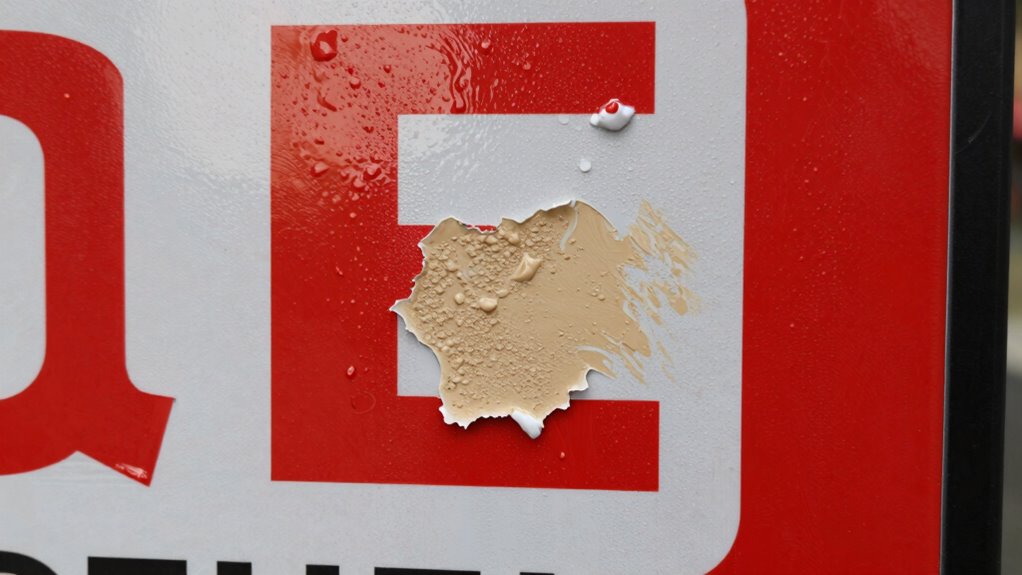
Recognizing whether your products are overcooked or under-dried is essential for maintaining quality. Overcooked items often have a tough, brittle texture and a burnt smell, indicating they’ve been exposed to too much heat. Conversely, under-dried products tend to feel damp or sticky, reflecting high moisture content. You might notice a shiny or translucent appearance, especially on the surface, signaling incomplete drying. The texture can be a clear indicator: overcooked products become hard and crumbly, while under-dried ones are soft and pliable. Monitoring product texture and moisture content regularly helps you catch these issues early. Incorporating smart monitoring devices can provide real-time feedback and help optimize your drying process. Proper temperature control is crucial to prevent over- or under-curing and ensure consistent quality. Paying attention to seasonal checklists can help you adjust your drying parameters for varying conditions. Additionally, understanding heat transfer principles can improve your drying efficiency and prevent overexposure. Being aware of environmental factors like humidity and airflow can further enhance your control over the drying process. Recognizing these signs allows you to fine-tune your process for ideal results.

Portable Clothes Dryer with View Window – Monitor Drying Process, Simple Knob Controls, Efficient Hot Air Mode for Crease-Free Results
◉【Ventilation Design】Table top tumble dryer ventilation design provides reliable drying function, extracting hot and humid air and directing…
As an affiliate, we earn on qualifying purchases.
As an affiliate, we earn on qualifying purchases.
How to Adjust Your Flash Dryer Settings to Stop Overcuring and Underflashing
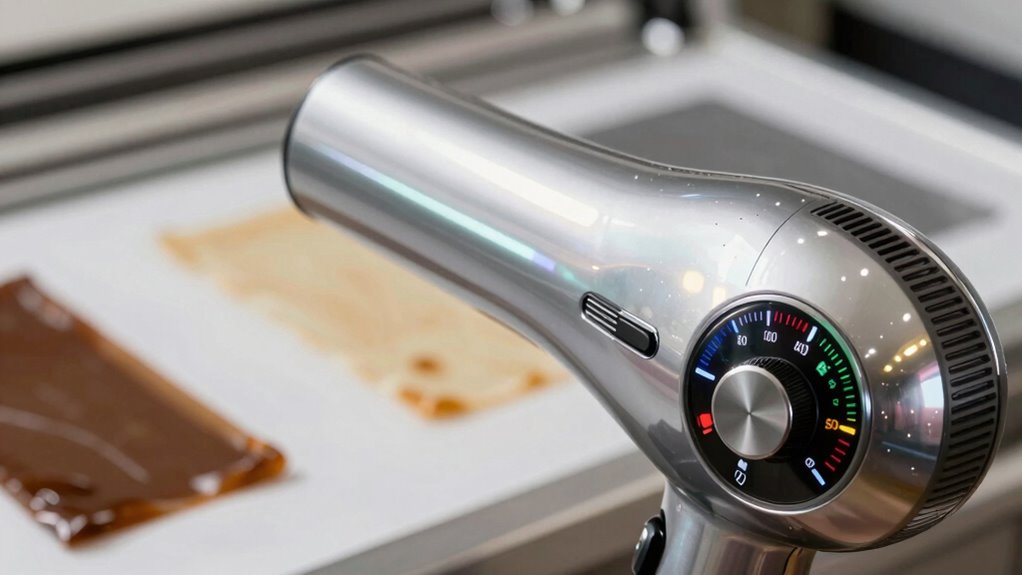
Adjusting your flash dryer settings correctly is essential to preventing overcuring and underflashing your products. Start by fine-tuning the temperature control to ensure it’s neither too high nor too low, which can cause overcure or underflash. Simultaneously, adjust airflow to regulate heat distribution. Proper airflow helps maintain consistent drying without scorching or incomplete curing. Use this table as a quick reference:
| Setting Adjustment | Effect on Product | Recommended Action |
|---|---|---|
| Increase temperature | Faster drying, risk of overcuring | Slightly lower temperature |
| Decrease temperature | Slower drying, risk of underflashing | Slightly raise temperature |
| Boost airflow | Even heat, faster drying | Increase airflow gradually |
Regularly monitor results and tweak these settings to achieve ideal flash drying without overcuring or underflashing.
How to Monitor and Control Timing for Consistent Flash Drying Results
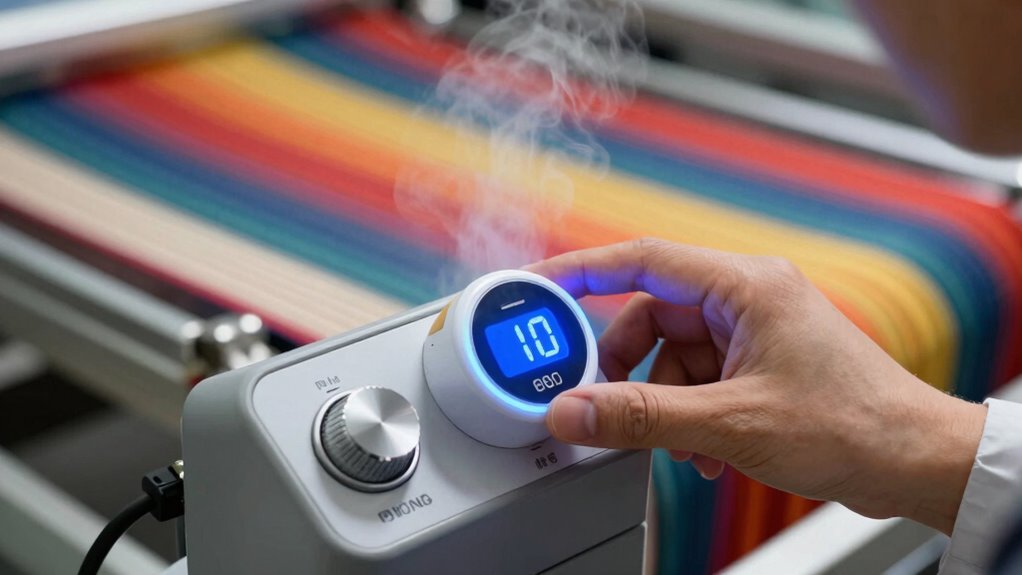
To achieve consistent flash drying results, you need to closely monitor and control the timing of your drying process. Tracking batch throughput helps identify how long each batch spends in the dryer, ensuring it isn’t over- or under-dried. Regular maintenance scheduling keeps your equipment running smoothly, preventing timing errors caused by worn parts or calibration issues. Use timers and sensors to automate and record drying times, allowing you to make precise adjustments. Consistently reviewing throughput data helps detect variations early, so you can fine-tune your process. Proper timing control reduces overcuring and underflashing, leading to better product quality. By integrating systematic monitoring with scheduled maintenance, you guarantee your flash dryer maintains peak performance and delivers uniform drying results batch after batch. Implementing process automation and real-time data collection further enhances consistency and minimizes manual errors. Additionally, understanding and managing drying kinetics can help optimize your process parameters for more reliable outcomes.
Frequently Asked Questions
What Are the Common Causes of Inconsistent Flash Drying Timing?
Inconsistent flash drying timing often results from moisture variability in the fabric or ink, causing uneven drying. Operator adjustments can also lead to inconsistency if they’re not founded on real-time feedback. You might notice fluctuating heat or airflow settings, which impact drying speed. To fix this, monitor moisture levels closely and make precise, consistent adjustments. Regular calibration and proper training help guarantee even drying and prevent overcuring or underflashing.
How Does Ambient Temperature Influence Flash Dryer Timing?
Jumping the gun, ambient temperature greatly impacts your flash dryer timing. Higher temperatures boost drying speed, risking overcuring if you don’t adjust your settings, while cooler air slows it down, leading to underflashing. Proper temperature regulation is essential to maintain consistent results. By monitoring ambient influence, you can fine-tune your process, ensuring your prints are perfectly cured without wasting time or material.
Can Product Type Affect Optimal Drying Time?
Yes, your product type definitely affects the ideal drying time. If your product is sensitive or has high moisture content, you’ll need to adjust the flash dryer timing to prevent overcuring or underflashing. You should monitor how quickly moisture escapes without damaging the material. By understanding your product’s specific moisture content and sensitivity, you can fine-tune the process to achieve the best results while avoiding over or under-drying.
What Equipment Features Help Maintain Precise Timing Control?
Think of your equipment as a conductor guiding a symphony—timing sensors and control systems keep everything in harmony. These features precisely monitor and adjust the drying process, preventing overcuring or underflashing. Advanced control systems offer real-time feedback, ensuring consistent results. By investing in dryers with accurate timing controls, you keep your production flowing smoothly, like a well-rehearsed orchestra, avoiding costly mistakes and maintaining top-quality prints.
How Often Should Dryer Timing Settings Be Recalibrated?
You should recalibrate your dryer timing settings at least every three to six months, depending on usage. Regular calibration procedures ensure your equipment maintains precise timing, preventing overcuring or underflashing. Incorporate calibration into your routine equipment maintenance schedule, especially after repairs or adjustments. This proactive approach helps keep your flash dryer functioning at its best, ensuring consistent print quality and reducing the risk of costly overcure or underflash issues.
Conclusion
Mastering flash dryer timing isn’t just about avoiding overcooking or under-drying; it’s about understanding that ideal results often stem from a balance rooted in process consistency. While some believe precise timing alone guarantees quality, factors like product composition and environmental conditions also play roles. By carefully monitoring and adjusting your settings, you can achieve reliable, high-quality outcomes. Remember, continuous observation and adaptation are key—perfecting your flash drying process is as much an art as it is a science.