Avoid laser cutting plastics like PVC, vinyl, and coated or treated woods, as they release toxic fumes and pose health risks. These materials can produce hazardous gases, damage your equipment, or even cause fires. Instead, opt for safer options like acrylic, natural wood, bamboo, or cork, which emit fewer dangerous substances. By choosing proper materials and following safety tips, you can keep your projects safe—continue further to discover more about safe laser cutting practices.
Key Takeaways
- Never laser cut plastics like PVC, vinyl, or polycarbonate due to toxic fumes and harmful chlorinated compounds. Use acrylic or natural wood instead.
- Avoid treated or coated woods, MDF, and laminates that emit hazardous fumes; opt for untreated, natural wood or bamboo.
- Do not laser cut materials containing adhesives, glues, or fire retardants, as they release toxic gases; choose eco-friendly options like cork or raw materials.
- Steer clear of fabrics, paper, or textiles with synthetic dyes or chemical finishes that produce fumes; use natural fabrics or untreated paper.
- Always verify material safety and manufacturer guidelines, ensuring proper ventilation and safety measures when selecting laser-safe materials.
What Materials Are Dangerous to Laser Cut?
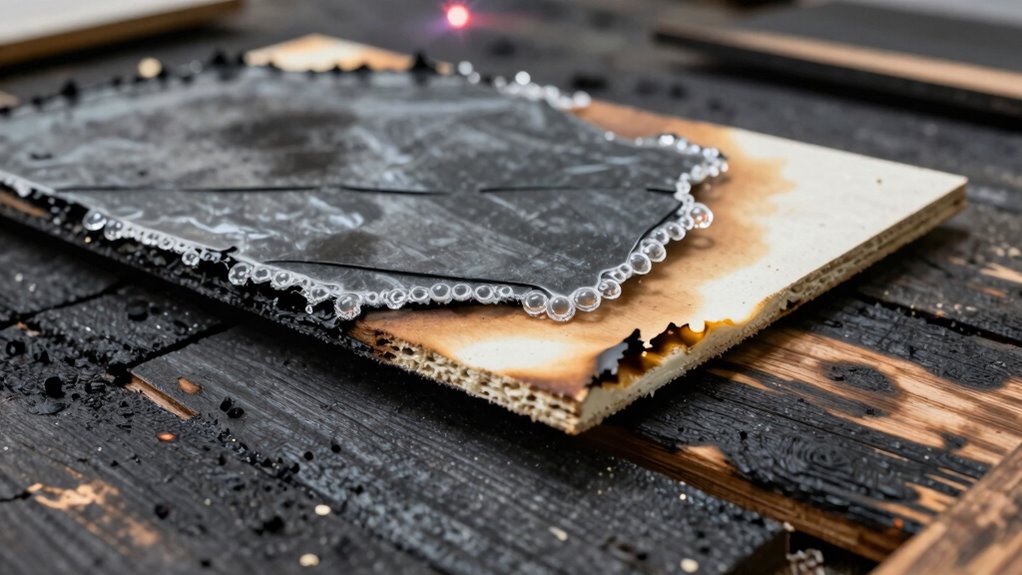
Certain materials can pose significant risks when laser cut, making them dangerous to work with. Hazardous fumes are a major concern, especially when materials release toxic gases during the process. For example, some plastics and composites produce harmful fumes that can harm your respiratory health if inhaled without proper ventilation. Flammable materials are equally risky, as they can ignite unexpectedly when exposed to the laser’s heat. This includes certain woods, fabrics, and paper products that are highly combustible. Working with these materials without appropriate safety gear, ventilation, or fire prevention measures puts you at serious risk. Always research your material’s properties before laser cutting, and opt for safer alternatives to prevent accidents and protect your health. Additionally, understanding the materials compatible with fire safety considerations in laser cutting can help prevent equipment damage and ensure safer operating conditions. Using material safety data sheets can further inform you about potential hazards and proper handling procedures.
Why Plastics Like PVC and Vinyl Are Unsafe to Laser Cut
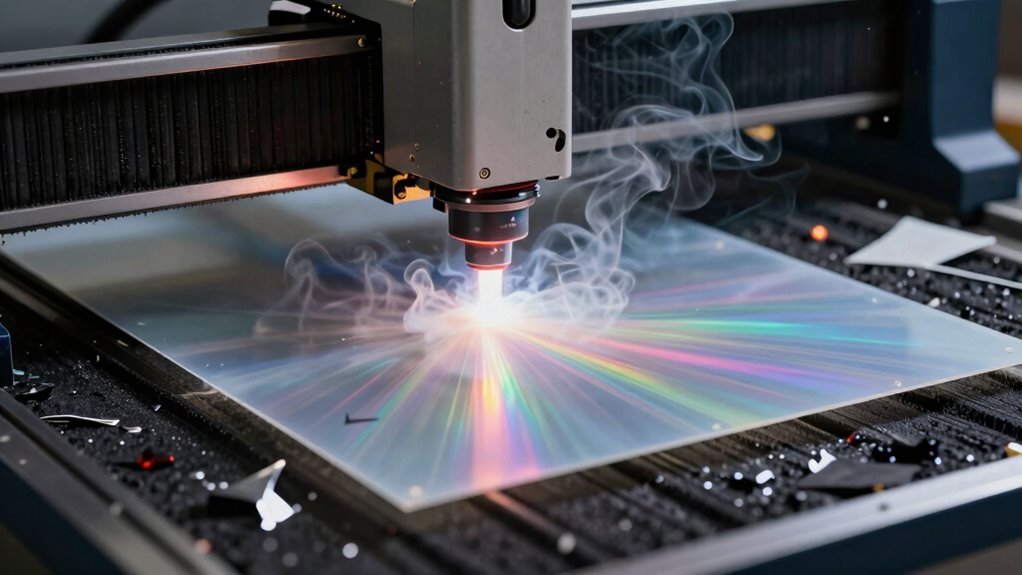
Plastics like PVC and vinyl are unsafe to laser cut because they release toxic fumes that can harm your health and damage your equipment. When you laser cut these materials, hazardous fumes are emitted, which contain chlorinated compounds and other toxic residues. Exposure to these fumes can cause respiratory issues and long-term health problems. Additionally, the toxic residues left behind can interfere with your laser machine’s optics and components, reducing its lifespan and performance. To keep yourself safe and your equipment in top shape, avoid cutting these plastics altogether. Instead, opt for safer materials like acrylic, wood, or metal. Here are some reasons why PVC and vinyl should stay out of your laser cutter:
Avoid laser cutting PVC and vinyl due to toxic fumes and equipment damage.
- They produce hazardous fumes.
- They leave toxic residues.
- They damage your equipment.
- They are associated with health risks linked to toxic fumes and residues.
Furthermore, attempting to laser cut these plastics can lead to equipment malfunction and costly repairs.
Are Coated or Treated Wood and MDF Safe to Cut?
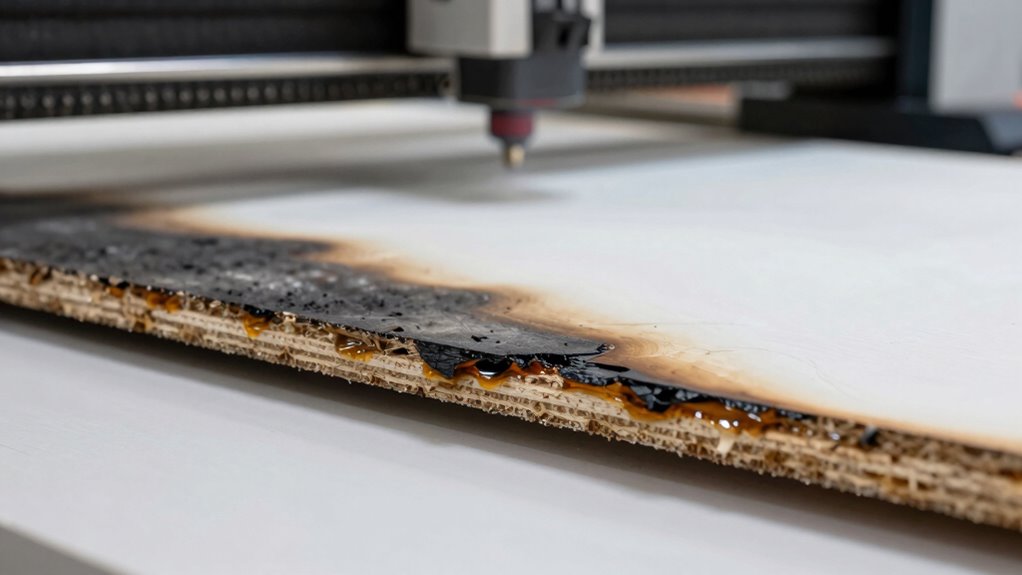
Coated or treated wood and MDF may seem safe to cut with a laser, but they often contain additives and finishes that pose health risks. Coated wood, such as plywood with lamination or veneer, can release toxic fumes when lasered due to glues, adhesives, or finishes. Treated MDF often contains chemicals like formaldehyde or fire retardants that aren’t safe to vaporize. These substances produce hazardous fumes that can irritate your lungs, eyes, and skin, and may be harmful over time. Cutting untreated, natural wood is generally safer, but coated wood and treated MDF should be avoided unless you have proper ventilation and safety equipment. Always prioritize your health and choose materials specifically designated as safe for laser cutting. Proper ventilation and safety equipment are essential when working with any materials that may emit fumes. Additionally, understanding the material composition helps prevent health hazards associated with laser cutting toxic substances. Being aware of the chemical content in your materials can help you make safer choices and reduce exposure risks during laser work. Recognizing the hazardous fumes generated during laser cutting is crucial for maintaining a safe workspace and protecting your health. Consulting material safety data sheets can provide further guidance on safe practices and potential risks.
What Safer Materials Can You Use for Laser Cutting?
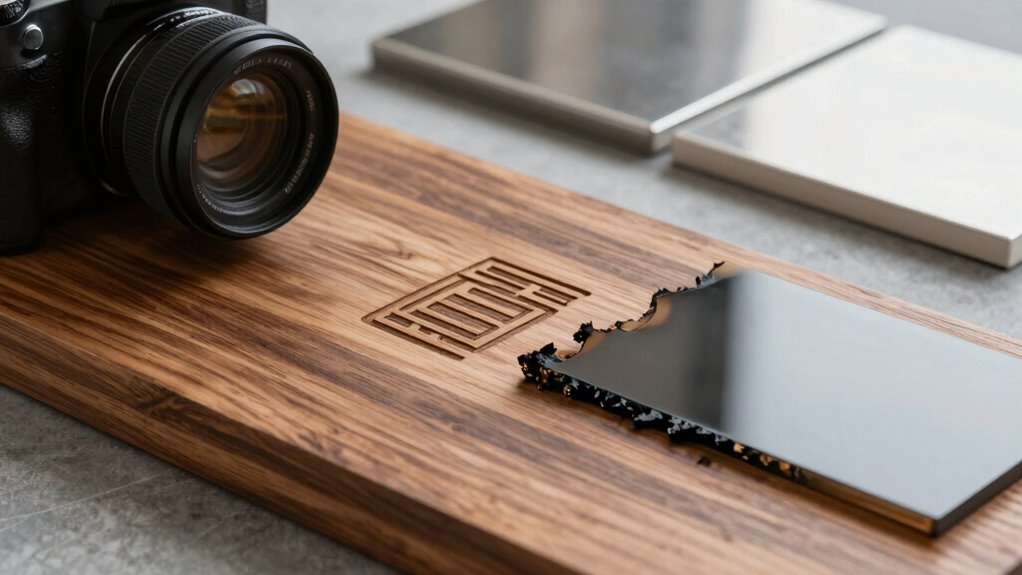
Are you looking for safer options to laser cut? Choosing eco friendly alternatives and non toxic materials makes your projects safer for both you and the environment. Here are three options to contemplate:
- Bamboo – A sustainable, biodegradable material that’s safe to laser cut, producing minimal fumes. Its environmental benefits make it a popular choice among eco-conscious hobbyists. Additionally, bamboo’s natural durability ensures long-lasting results without harmful chemicals.
- Cork – Naturally non toxic, eco friendly, and easy to cut without releasing harmful chemicals. Its non toxic nature makes it an ideal choice for projects in sensitive environments.
- Acrylic (Cast) – When labeled as non toxic, this acrylic offers a safer alternative to traditional plastics, with fewer hazardous emissions. Incorporating natural materials can further reduce environmental impact and health risks.
Opting for these materials reduces health risks and environmental impact while still achieving beautiful results. Always verify the material’s safety certifications before laser cutting to ensure they’re genuinely eco friendly and non toxic.
How to Spot Safe Materials and Prevent Accidents
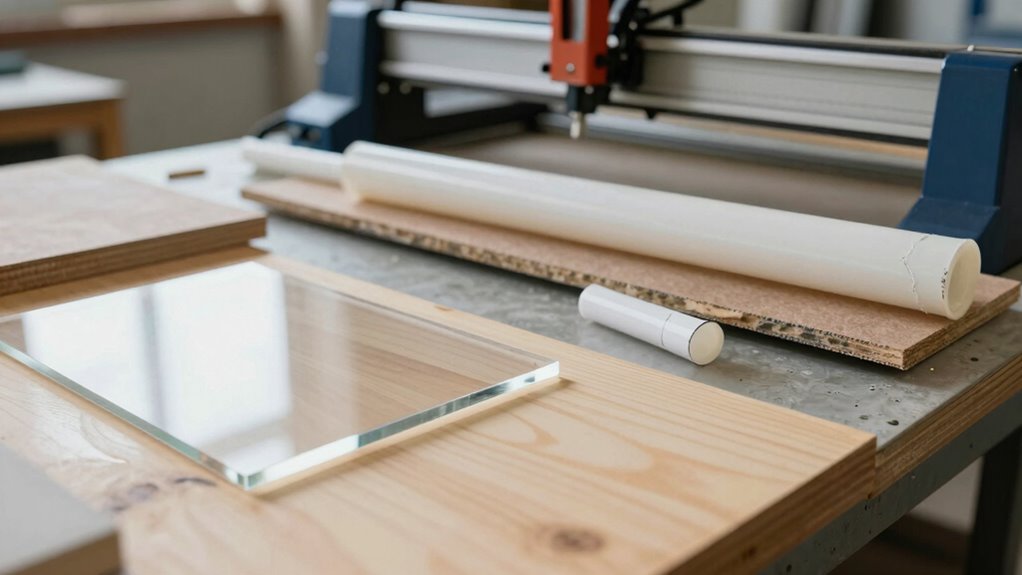
Wondering how to guarantee your laser cutting projects stay safe? The key is understanding material safety and how to identify safe options. Always check the material’s composition and manufacturer guidelines before starting. Look for materials labeled as laser-safe or designed for laser cutting. Avoid materials with unknown chemical contents or those that produce toxic fumes, as these pose serious risks. Observe how the material reacts during cutting—excessive smoke, unusual odors, or melting can signal danger. Proper ventilation and safety equipment are essential for accident prevention. Keep a well-maintained fire extinguisher nearby, and never leave your laser unattended. By carefully selecting materials and monitoring the process, you can markedly reduce the risk of accidents and ensure a safer working environment.
Frequently Asked Questions
Can Laser Cutting Cause Toxic Fumes From Certain Materials?
Yes, laser cutting can cause toxic fumes from certain materials. When you cut plastics, woods, or other hazardous substances, material fumes may be released, posing health risks. To stay safe, you should follow safety precautions like working in well-ventilated areas and using proper extraction systems. Always check material safety data sheets and avoid laser cutting materials known to produce harmful fumes, protecting your health and environment.
Which Materials Are Suitable for Laser Engraving but Not Cutting?
You’re walking a tightrope when choosing materials for laser engraving, as some aren’t suitable for cutting but work well for engraving—think acrylic, wood, and leather. These materials are generally safe for laser engraving, but not for cutting, due to potential hazards like melting or releasing fumes. Always prioritize material safety, and test small samples first. This way, you avoid surprises and keep your workspace safe and your projects exemplary.
How Can I Identify Materials That Are Laser-Safe at Home?
You can identify laser-safe materials at home by checking their labeling first. Look for clear indications like “laser-safe” or manufacturer guidelines. If unsure, do a simple home test: gently burn a small, inconspicuous area with your laser, then observe the smoke and residue. Safe materials typically produce minimal smoke and don’t emit toxic fumes. Always prioritize proper ventilation and safety precautions during testing.
Are Natural Materials Like Leather Safe for Laser Cutting?
Natural leather is generally safe for laser cutting if it’s genuine and free of chemicals, but always test a small piece first. Vegan leather, however, often contains plastics or synthetic materials that can release harmful fumes or catch fire. You should guarantee proper ventilation and safety measures. For safer options, consider using natural leather over vegan leather, and verify the material’s composition before laser cutting to prevent hazards.
What Personal Protective Equipment Is Recommended During Laser Cutting?
You should always wear safety goggles and a respirator mask during laser cutting. Safety goggles protect your eyes from harmful laser beams and potential debris, while a respirator mask shields you from fumes and particles released during cutting. Make sure your goggles fit well and the mask has the right filtration. Using this protective gear keeps you safe from eye injuries and respiratory issues, ensuring a secure working environment.
Conclusion
By understanding which materials are unsafe and choosing safer alternatives, you can prevent accidents and protect yourself while laser cutting. Always do your research, look for signs of danger, and never compromise on safety. Isn’t it worth taking a few extra steps to ensure your projects are both beautiful and safe? Remember, being cautious now can save you from costly mistakes later—so prioritize safety every time you pick up that laser cutter.