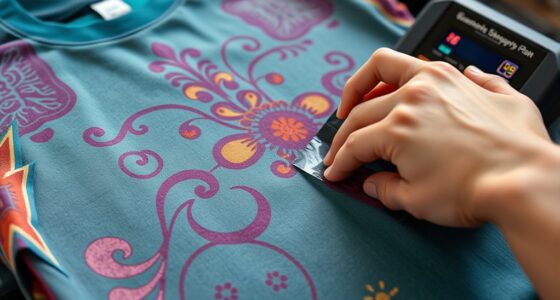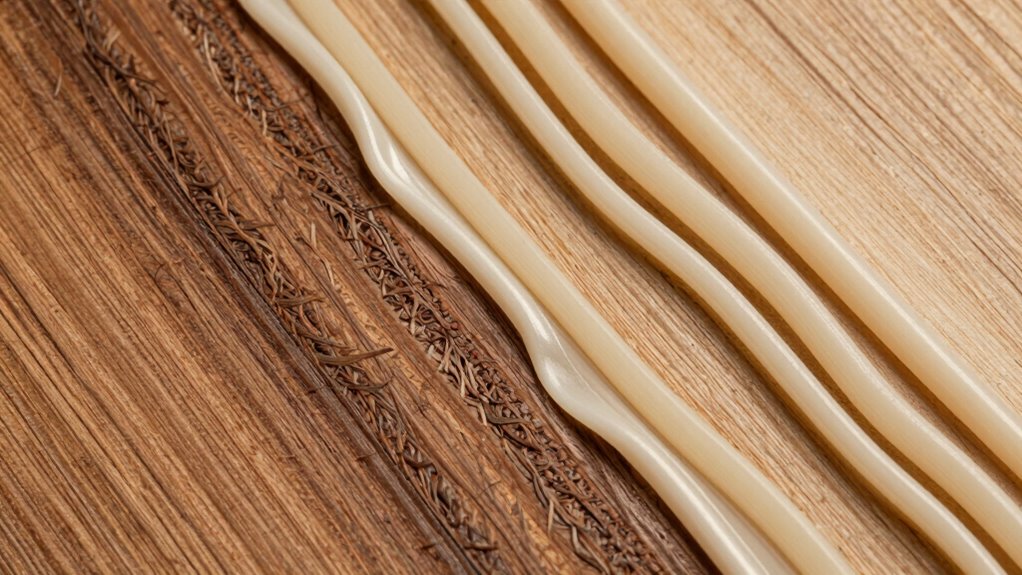

Before mixing natural and synthetic materials, consider their distinct properties and how they interact. Natural fibers offer breathability and biodegradability, while synthetics add strength and resistance. Blending can boost performance but requires understanding moisture absorption, durability, and environmental impacts. Compatibility is key to prevent uneven wear or fiber separation. To create durable, sustainable fabrics, you need to know about fiber behavior and environmental effects—further insights reveal how to optimize your material choices.

Get business pricing on tools and workshop supplies
- Business-only prices and quantity discounts
- Tax-exempt purchasing
- Multiple users, one account, clear invoices
Key Takeaways
- Understand the different moisture absorption and breathability properties of natural versus synthetic fibers.
- Consider how blending affects fabric durability, performance, and potential fiber separation over time.
- Evaluate the environmental impact and sustainability aspects of the fiber combination.
- Ensure compatibility to prevent uneven wear, skin irritation, or compromised fabric integrity.
- Balance desired fabric performance with eco-friendly choices to align with sustainability goals.
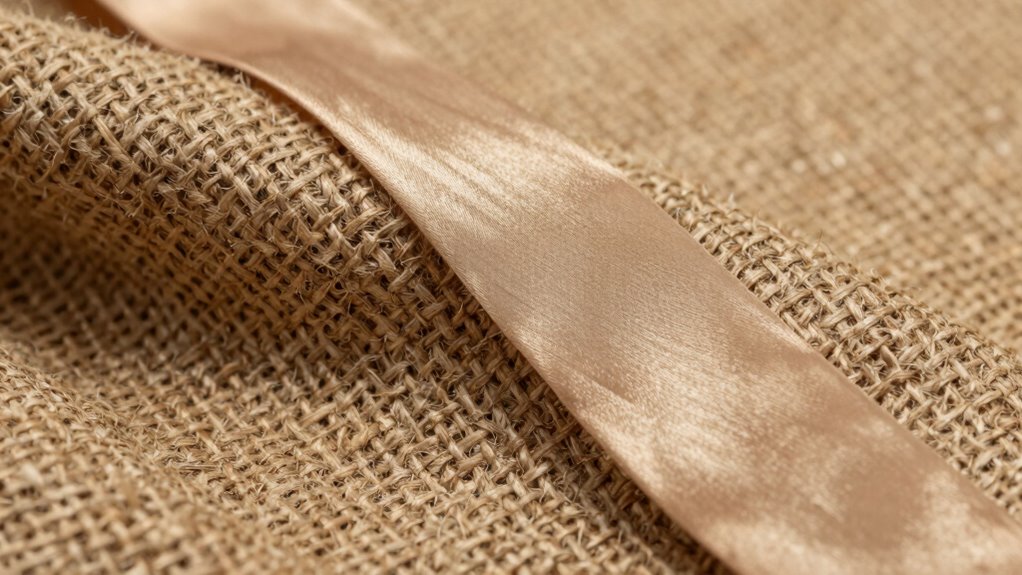
Mixing natural and synthetic materials can create versatile and durable products, but it’s important to understand how these different fibers interact. When you combine these fibers, the resulting textile properties will influence not only how the fabric feels and performs but also how it impacts the environment. Natural fibers like cotton, wool, or silk offer breathability, softness, and biodegradability, making them appealing for eco-conscious choices. Synthetic fibers, such as polyester or nylon, bring strength, elasticity, and resistance to wrinkles, or shrinking. However, blending these materials requires careful reflection of their textile properties to achieve the desired balance of comfort and durability.
Blending natural and synthetic fibers impacts fabric feel, performance, and environmental sustainability—requires understanding material interactions for optimal choices.
One key aspect to consider is how these fibers behave when woven or knitted together. Natural fibers tend to absorb moisture, which can lead to mold or mildew if not properly managed. Synthetic fibers, on the other hand, repel water but can trap heat and moisture in certain conditions. The combination can enhance performance—for example, blending cotton with polyester creates a fabric that dries faster and resists shrinking. Still, you need to be aware that some blends may compromise breathability or cause skin irritation if not properly processed. Knowing the textile properties helps you select the right mix for specific uses, whether it’s sportswear, casual clothing, or upholstery. Additionally, understanding the fiber compatibility is crucial to prevent issues like uneven wear or fiber separation over time. Considering fiber degradation can also assist in choosing options that are more sustainable and longer-lasting.
Beyond performance, the environmental impact of mixing natural and synthetic fibers is a crucial consideration. Natural fibers degrade over time, reducing waste and pollution, but they often require significant water, land, and chemical use during cultivation and processing. Synthetic fibers contribute to microplastic pollution, as tiny fibers shed during washing and can end up in waterways, harming aquatic life. When you blend these materials, the environmental footprint depends largely on the proportion and how the fabric is manufactured. For example, a blend that uses more natural fibers might be more eco-friendly, but if the synthetic component is derived from non-renewable resources or produced with high energy consumption, the overall impact can be significant. Additionally, advancements in recyclable fibers are helping to reduce the environmental footprint of synthetic textiles.
Understanding these factors empowers you to make more informed decisions about fabric choices, balancing performance with sustainability. While the versatility of mixed textiles allows for innovative designs and longer-lasting products, it’s essential to weigh the environmental consequences of your selections. Opting for blends that favor eco-conscious fibers or that are recyclable can help mitigate negative impacts. Reflecting on textile properties and environmental impact ensures that your choice to mix natural and synthetic materials aligns with both your needs and broader sustainability goals.
natural and synthetic fiber blending fabrics
As an affiliate, we earn on qualifying purchases.
As an affiliate, we earn on qualifying purchases.
Frequently Asked Questions
How Do Natural and Synthetic Materials Age Differently Over Time?
You’ll notice natural and synthetic materials age differently due to fiber degradation and distinct aging patterns. Natural fibers, like cotton or wool, tend to degrade faster, losing strength and flexibility over time, especially with exposure to moisture and sunlight. Synthetic fibers, such as polyester or nylon, typically resist aging effects longer but can become brittle or discolored from prolonged UV exposure. Understanding these differences helps you predict how your materials will perform over time.
Are There Specific Cleaning Methods for Mixed Natural and Synthetic Fabrics?
You should use gentle cleaning methods for mixed natural and synthetic fabrics to protect their fabric durability and prevent color fading. Avoid harsh chemicals and high heat, opting instead for mild detergents and cold water. Always check the care label first. Hand washing or using a delicate cycle in your washing machine helps maintain the integrity of both materials, keeping your fabrics looking vibrant and lasting longer over time.
Can Mixing These Materials Affect Allergy Sensitivities?
Mixing natural and synthetic materials can affect allergy sensitivities because it may introduce new allergy triggers and cause material reactions. Natural fibers like wool or cotton can harbor dust mites, while synthetics might trap allergens more tightly. If you’re sensitive, this combination could worsen symptoms. To reduce risks, choose hypoallergenic fabrics, wash regularly, and consider testing for specific allergies. Staying aware helps prevent discomfort from mixed materials.
What Are the Environmental Impacts of Combining Natural and Synthetic Fibers?
Mixing natural and synthetic fibers can impact the environment by complicating recycling efforts and increasing waste. Sustainable sourcing becomes more challenging because synthetic fibers often rely on fossil fuels, while natural fibers need responsible harvesting. Recycling challenges arise because blended materials are harder to break down and reprocess, leading to more landfill waste. To minimize environmental impact, choose sustainably sourced fibers and opt for materials that are easier to recycle.
Do Mixed Materials Require Special Storage Conditions?
Mixed materials do require special storage conditions to guarantee longevity. You should consider storage compatibility, keeping natural and synthetic fibers apart to prevent material degradation from moisture, light, or temperature fluctuations. Use breathable containers for natural fibers and airtight options for synthetics. Proper storage minimizes breakdown and preserves the quality of both materials, helping you avoid issues like mold, mold, or weakening of fibers over time.
Conclusion
Before mixing natural and synthetic materials, remember that your choices can make or break your project. Combining these elements wisely can create stunning, durable results, but a poor mix might turn into a disaster of epic proportions—like a house of cards in a hurricane. Stay informed, choose quality, and always test your materials first. With careful planning, you’ll craft something truly spectacular—so spectacular, it’ll outshine everything else in your collection!
Evergreen bestsellers Picks
bestsellers
As an affiliate, we earn on qualifying purchases.