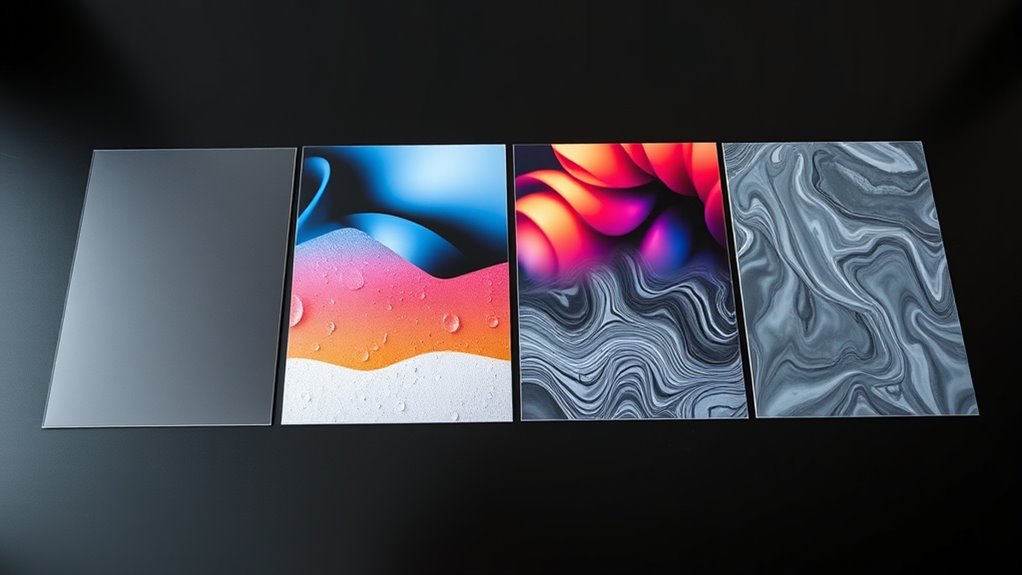

For photo transfers, you can choose from laser or inkjet printing, which offer vibrant and detailed images that last over time. Gel medium transfers create a textured, artistic look by embedding paper images into surfaces like wood or canvas. Heat transfers use heat tools like irons or presses for a seamless finish on fabrics and plastics. Exploring these options will help you select the best method for your project’s needs and creative goals.

Get business pricing on tools and workshop supplies
- Business-only prices and quantity discounts
- Tax-exempt purchasing
- Multiple users, one account, clear invoices
Key Takeaways
- Laser transfers produce sharp, dense images with durability, ideal for detailed designs on various surfaces.
- Inkjet transfers offer vibrant colors but require sealing to prevent water damage and fading over time.
- Gel medium transfer embeds images into surfaces like wood or canvas, creating a textured, semi-translucent finish.
- Heat transfer methods use heat to activate adhesives or inks, suitable for textiles, ensuring seamless, durable designs.
- Choosing the right method depends on surface type, desired finish, image detail, and longevity requirements.
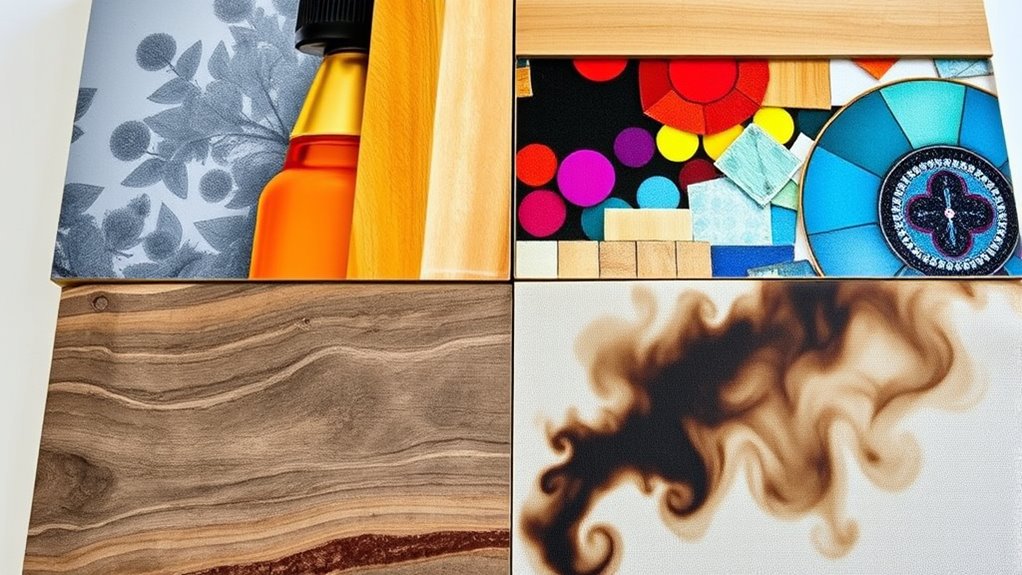
Ever wondered how to transfer your favorite photos onto different surfaces effortlessly? It’s a common curiosity, and luckily, there are several methods to achieve stunning results. Whether you’re looking to create personalized gifts, decorate your home, or preserve memories, understanding photo transfer techniques can open up a world of creative possibilities. One of the most accessible options is digital printing, which allows you to reproduce high-quality images that are suitable for transfer projects. With digital printing, you can produce detailed, vibrant photos that maintain their clarity and color accuracy. When it comes to archival preservation, digital printing offers a significant advantage—your images can be stored digitally for decades without fading, making it easier to keep the memories alive over time.
Once you’ve printed your photo, transferring it onto a surface involves selecting the right method. Laser printing is a popular choice because it produces sharp images with dense blacks, making it ideal for transfer projects where detail and contrast matter. You simply print your photo using a laser printer, then use a transfer medium to adhere it to your chosen surface. The process is straightforward, and the results tend to be durable, especially if you seal the transfer properly. Inkjet printing, on the other hand, is another common method, often used with special transfer papers. While inkjet prints can be vibrant and detailed, they require a bit more care during transfer because inkjet inks are water-soluble and can smudge or fade if not sealed or protected properly. That’s why sealing your transferred inkjet images with a clear finish is essential for longevity, particularly if you want to ensure archival preservation.
Laser printing offers sharp images ideal for durable transfer projects.
Gel medium transfer is a versatile and popular technique among artists. It involves applying a layer of acrylic gel medium to your printed photo and then pressing it onto the surface you want to decorate. Once dried, you can gently remove the paper backing, leaving the image embedded in the gel. This method works well on a variety of surfaces, from wood to canvas, and results in a semi-translucent, textured finish. Heat transfer methods, such as using a heat press or iron, are also widely used, especially for fabrics and certain plastics. These techniques rely on heat to activate adhesives or transfer inks, creating a seamless, professional look. Each method has its own advantages and considerations, especially concerning durability and the potential for fading over time. Additionally, understanding archival-quality materials and techniques can further enhance the longevity of your transfer projects, ensuring your images remain vibrant and intact for years to come.
As an affiliate, we earn on qualifying purchases.
Frequently Asked Questions
Which Photo Transfer Method Is Most Eco-Friendly?
You’ll find that gel medium transfers are the most eco-friendly option because they have lower environmental impact and better sustainability considerations. Unlike laser or inkjet methods, gel mediums don’t rely on harmful chemicals or excessive energy use, making them safer for the environment. By choosing gel medium transfers, you’re supporting sustainable practices and reducing your ecological footprint, which benefits both your art and the planet.
How Long Does Each Transfer Method Last?
You might find it surprising, but the longevity of each transfer method varies widely. Laser transfers tend to last the longest, often decades, thanks to their durability comparison. Inkjet transfers may fade quicker, especially with exposure to sunlight, while gel medium transfers can also last years if properly sealed. Heat transfers fall somewhere in between, with longevity depending on factors like material quality and handling. Ultimately, factors like surface, environment, and care influence how long your transfer endures.
Can These Methods Be Used on Fabric?
Yes, you can use these photo transfer methods on fabric, but fabric compatibility varies. Laser and inkjet transfers work well on smooth, light-colored fabrics, while gel medium and heat transfers are more versatile and suit different textile types. Keep in mind, for lasting textile durability, follow proper transfer techniques, and consider fabric type—some methods may require additional sealing or finishing to withstand washing and wear.
What Are the Cost Differences Between Methods?
Think of choosing a photo transfer method as picking a path through a garden—some cost less, others offer richer bloom. You’ll find that inkjet transfers often fit a tight budget, making them your wallet’s best friend. Laser options can be pricier but offer sharper results. Gel medium and heat methods vary, so consider your budget options carefully. Ultimately, your choice balances cost comparison with the look you want to achieve.
Are Special Tools Needed for Each Transfer Type?
You don’t need special tools for each transfer type, but technique-specific equipment can make the process easier. For laser transfers, a laser printer is essential, while inkjet transfers require an inkjet printer. Gel medium transfers need gel mediums and brushes, and heat transfers often need a heat source like a heat press or iron. Understanding transfer tool requirements helps you choose the right equipment for a smooth, successful transfer.
Conclusion
No matter which photo transfer method you choose—laser, inkjet, gel medium, or heat—practice paves the path to perfection. Patience and perseverance produce professional results, proving that progress comes through persistence. Push past problems, pursue particularity, and prepare to see your picture-perfect projects flourish. Remember, mastering methods makes masterpieces; your determination determines your success. Immerse yourself, don’t delay, and let your passion propel your progress—because with practice, your potential is truly limitless.
Fall yard work Picks
leaf blowers
As an affiliate, we earn on qualifying purchases.