
Owning a smart cutting machine costs more than the initial purchase, with ongoing expenses like maintenance, repairs, and consumables adding up over time. You’ll need to budget for regular upkeep, possible upgrades, and potential software or hardware updates to stay current. Hidden costs such as blades, mats, and troubleshooting can surprise you if you’re not prepared. Keep in mind, understanding these expenses helps you plan better—if you continue, you’ll uncover how to navigate these costs effectively.
Key Takeaways
- Initial purchase costs are just the beginning; ongoing maintenance and repairs add significant long-term expenses.
- Regular upgrades and software updates are necessary to prevent obsolescence and ensure optimal performance.
- Consumable supplies like blades and mats can accumulate high costs over time, especially on large or diverse projects.
- Professional servicing and part replacements increase costs and downtime, impacting overall budget.
- Long-term ownership requires comprehensive financial planning beyond the initial investment to cover hidden and future expenses.
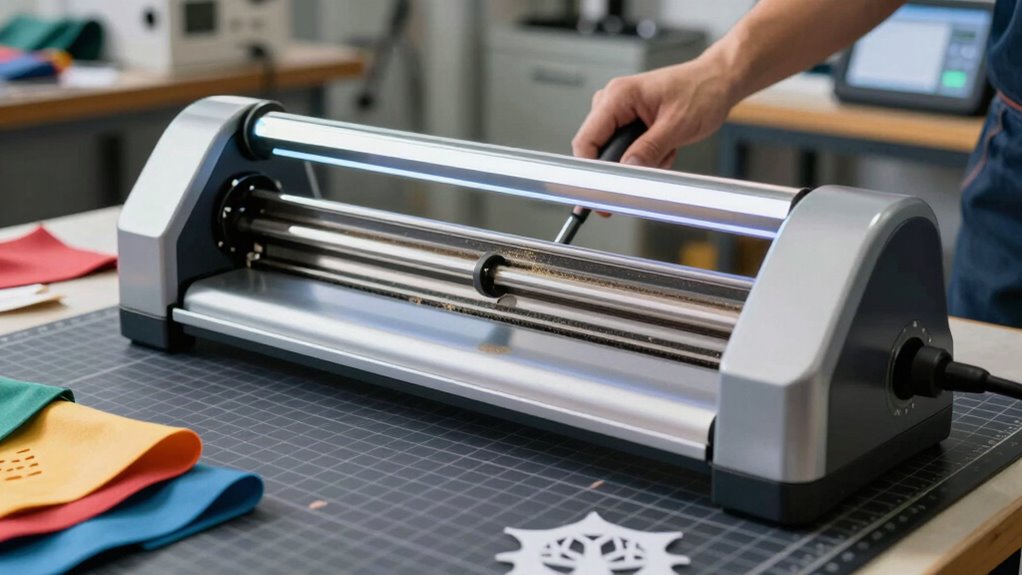
Owning a smart cutting machine can seem like a worthwhile investment upfront, but over time, the costs can add up in unexpected ways. While the initial purchase price might seem justifiable, it’s important to contemplate ongoing expenses that can catch you off guard. Maintenance expenses, for example, often aren’t part of the initial budget. These machines require regular upkeep, such as cleaning, calibration, and occasional repairs, which can become costly if neglected. Over time, worn-out parts need replacement, and those costs can quickly accumulate, especially if you rely on the machine heavily. Plus, some repairs might demand professional servicing, adding to your expenses and downtime, which could disrupt your workflow.
Another often overlooked factor is technological obsolescence. Smart cutting machines tend to evolve rapidly, with newer models offering enhanced features, faster processing, and better precision. If you keep your machine for several years, you might find it falling behind in performance, making it less efficient and harder to justify in a competitive market. Upgrading to a newer model can be expensive, and if your current machine becomes outdated, it might no longer be compatible with the latest software or accessories. This can force you into a tough decision: stick with an aging, less capable machine or invest in a new one, which can be a significant expense over time. Rapid technological evolution can accelerate this cycle and increase costs further. Additionally, the pace of technological change can make your existing tools less compatible with modern workflows, requiring further investments in accessories or software updates.
Beyond maintenance and obsolescence, there are hidden costs to account for. Consumables like blades, cutting mats, or special inks can add up quickly, especially if you’re working on large projects or with diverse materials. Additionally, there might be costs associated with training or troubleshooting, especially if you’re not tech-savvy. As technology advances, you may also find that your existing software or hardware becomes incompatible with newer operating systems, prompting yet another upgrade. Moreover, integrating your smart cutting machine within a broader cloud server solutions infrastructure can help streamline maintenance and ensure compatibility with evolving software environments. Staying informed about these hidden costs can help you avoid unexpected financial surprises and better plan your budget. Regularly updating your knowledge about software compatibility and hardware requirements ensures smoother operation and reduces unforeseen expenses. Being aware of these potential hidden costs allows for better budgeting and planning, reducing surprises down the line.
Overall, owning a smart cutting machine requires careful consideration of both immediate and long-term expenses, including ongoing maintenance and potential upgrades.

5pcs Replacement Cutting Blades for Joy Machine and Joy Xtra Smart Cutting Machine Blades, Cutting Blades,Cut Vinyl Fabric Carbide Standard Blades
5PCS Replacement Blades for cr cut joy machine and Joy Xtra machine ,Please remove the blue silicone protective…
As an affiliate, we earn on qualifying purchases.
As an affiliate, we earn on qualifying purchases.
Frequently Asked Questions
How Does Maintenance Frequency Affect Long-Term Costs?
Frequent maintenance schedules help you catch issues early, reducing long-term costs. When you stick to regular upkeep, you prevent major repairs and extend your machine’s lifespan. Skipping maintenance may seem like a save now, but it leads to higher cost implications down the line, as repairs become more complex and expensive. Consistent upkeep keeps your smart cutting machine running smoothly, saving you money over time and avoiding unexpected breakdowns.
Are There Hidden Fees for Software Updates?
Think of software updates as the secret garden of your smart cutting machine—beautiful yet sometimes hidden. You might assume your software subscription covers all updates, but hidden fees can sneak in, especially for major upgrades or premium features. Always read the fine print and stay vigilant. While updates keep your machine running smoothly, unexpected costs can add up, so budget ahead for potential software-related expenses.
What Is the Average Lifespan of a Smart Cutting Machine?
You can expect a smart cutting machine to last around 3 to 5 years, depending on smart machine durability and how well you maintain it. Factors like usage frequency, software updates, and proper care influence its lifespan. If you handle it carefully, keep it clean, and update its software regularly, you might extend its usefulness beyond the average, maximizing your investment over time.
How Do Replacement Parts Impact Total Ownership Costs?
Replacement parts considerably impact your total ownership costs, especially when warranty coverage is limited. You might need to pay for accessory expenses or repairs out of pocket, which can add up over time. Regular maintenance and understanding warranty details help you minimize these costs, but being prepared for inevitable part replacements ensures you avoid unexpected expenses and keep your smart cutting machine running smoothly longer.
Is There a Significant Cost Difference Between Brands?
Yes, there’s often a noticeable cost difference between brands. You’ll find that brand reliability impacts long-term expenses, as more reputable brands tend to offer durable machines with fewer repairs. Additionally, a thorough feature comparison helps you identify which brand offers better value for your money, balancing upfront costs with ongoing maintenance and replacement parts. Investing in a reliable brand may cost more initially but can save you money over time.

Premium 24" x 36" Large Self Healing Sewing Mat, 5-Ply Rotary Cutting Mat for Quilting, Double-Sided Cutting Board for Crafts Cutting Fabric Leather Modeling Projects, Anthracite Gray A1
【Extra Large Cutting Surface】Designed for professional quilters and large-scale crafters, our A1 mat offers 4x the space of…
As an affiliate, we earn on qualifying purchases.
As an affiliate, we earn on qualifying purchases.
Conclusion
So, after all this, it turns out owning a smart cutting machine isn’t just about the sleek tech and convenience. The real cost sneaks up on you—hidden fees, upgrades, and repairs that make you wish you’d stuck with your trusty old tools. Ironically, what promises to save time might just eat into your wallet faster than you expected. Guess sometimes, simpler really is better—until you realize “smart” comes with a hefty price tag.
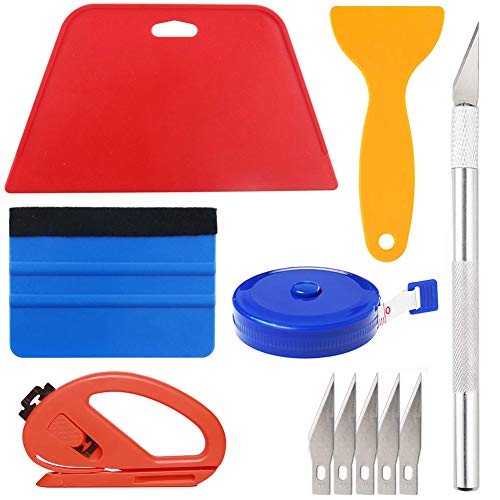
Wallpaper Smoothing Tool Kit Include red Squeegee,Medium-Hardness Squeegee, blue Tape Measure,snitty Vinyl Cutter and Craft Knife with 5 Replacement Blades for Adhesive Contact Paper Application Win
Suitable for application of all types of wallpaper application,trimming ceiling,woodwork or baseboard projects,vinyl stickers,vinyl wrapvinyl wrap,window tint or…
As an affiliate, we earn on qualifying purchases.
As an affiliate, we earn on qualifying purchases.

Cricut Engraving Tip + QuickSwap Housing, Premium Carbide Steel Engraving Tip, Inscribes Lasting Design on Glass, Metal & More, Compatible with Cricut Maker Cutting Machine, Silver
PERSONALIZE YOUR CRAFTS – Make a lasting impression and get professional-looking results with the Cricut Engraving Tip, a…
As an affiliate, we earn on qualifying purchases.
As an affiliate, we earn on qualifying purchases.