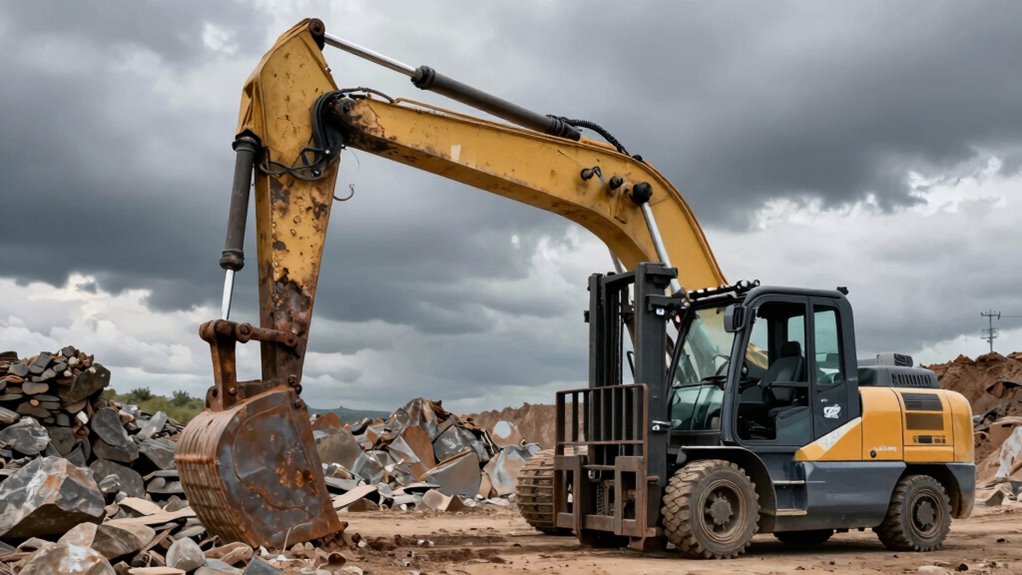

“Heavy duty” means different things on different machines because each equipment is built for specific tasks and environmental conditions. For example, a forklift is designed to lift heavy loads repeatedly, while conveyor systems are made to run nonstop. Durability features like reinforced frames and high-grade steel are tailored to these needs. Understanding these differences helps you choose the right equipment and guarantees proper maintenance. If you want to learn more, stay with us.

Get business pricing on tools and workshop supplies
- Business-only prices and quantity discounts
- Tax-exempt purchasing
- Multiple users, one account, clear invoices
Key Takeaways
- “Heavy duty” refers to a machine’s ability to handle high workload, but the specific durability features vary by machine type and application.
- Different machines prioritize different aspects like strength, speed, or versatility, influencing what “heavy duty” signifies.
- Maintenance needs and environmental conditions impact the durability expectations associated with “heavy duty” machinery.
- Proper specification and understanding of application-specific demands are essential to accurately interpret “heavy duty.”
- “Heavy duty” is context-dependent; it emphasizes robustness within a machine’s design and operational environment.
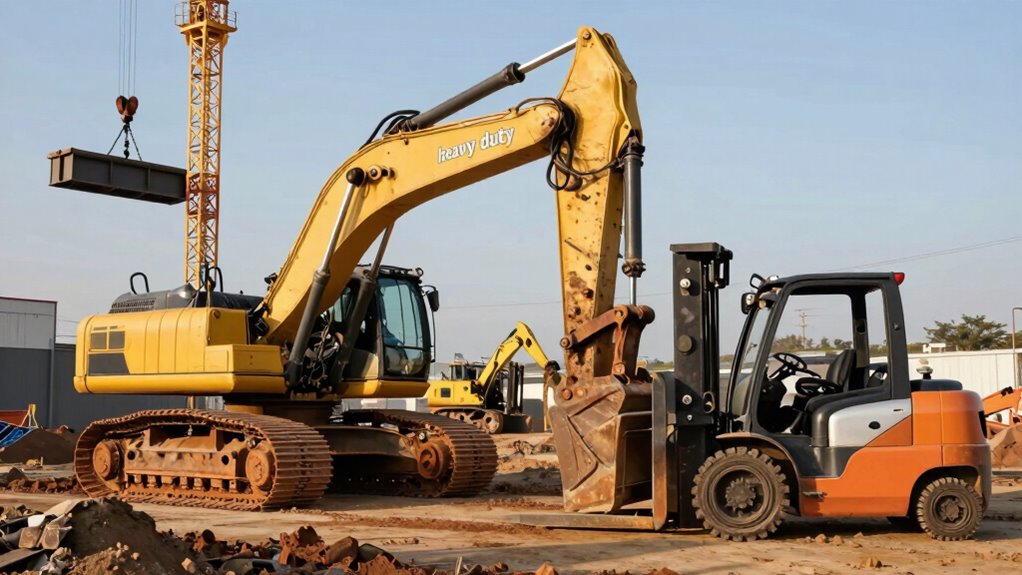
In many cases, the term “heavy duty” emphasizes industrial durability. You want machines that can withstand harsh environments, continuous operation, and the wear and tear of demanding tasks. For example, a hydraulic excavator might be built with reinforced frames, high-grade steel, and specialized components that resist fatigue over long periods. These features are vital, but they also introduce maintenance challenges. Heavy machinery with high durability requires regular inspections, lubrication, and sometimes complex repairs. If you overlook these maintenance challenges, the machine’s lifespan can shorten, and downtime can become costly. So, when choosing a “heavy duty” machine, you must balance industrial durability with the ongoing maintenance it demands. Recognizing the importance of maintenance ensures you can sustain the machine’s performance over time. Different machines prioritize different aspects of toughness. Some are designed for maximum strength and resilience, using thicker materials and more robust parts, while others focus on precision, speed, or versatility. For instance, a forklift might be considered “heavy duty” because it can lift heavy loads repeatedly, but its durability depends on the quality of its tires, hydraulics, and structural frame. Similarly, a conveyor system in an industrial plant might be built tough enough to run nonstop but still requires vigilant maintenance to prevent breakdowns. Recognizing these distinctions helps you understand that “heavy duty” isn’t a one-size-fits-all term. It’s about matching the machine’s design to the demands of your specific application. Properly understanding machine specifications can help you select equipment that aligns with your operational needs. It’s also important to consider long-term operational costs, as durability and maintenance can significantly impact your overall investment. Additionally, understanding the specific environmental conditions your equipment will face can influence the durability features you need. It’s crucial to consider wear and tear factors, such as exposure to dust, moisture, or extreme temperatures, which can accelerate deterioration if not properly addressed. Ultimately, the meaning of “heavy duty” hinges on context. For you, it means selecting equipment that can handle the workload with minimal failure, but it also means recognizing the maintenance challenges that come with such durability. Proper upkeep is essential to keep these machines running efficiently and safely over time. Knowing that different machines define “heavy duty” in different ways ensures you’re better prepared to choose the right equipment and manage its upkeep effectively. This understanding helps you optimize productivity and extend the life of your heavy machinery investment.
As an affiliate, we earn on qualifying purchases.
Frequently Asked Questions
How Is “Heavy Duty” Defined Across Various Industries?
You’ll find that “heavy duty” varies across industries, based on durability benchmarks and performance standards. In construction, it means machines withstand tough conditions, while in manufacturing, it emphasizes handling high workloads. In transportation, it’s about durability and reliability over time. Recognizing these differences helps you choose equipment suited for specific tasks, ensuring peak performance and longevity tailored to each industry’s unique demands.
What Factors Influence “Heavy Duty” Machine Specifications?
You should consider factors like durability testing and material strength when determining “heavy duty” machine specifications. Durability testing guarantees the machine can withstand prolonged use under tough conditions, while material strength guarantees it resists wear and damage. Additionally, workload demands, operational environment, and safety standards influence how “heavy duty” is defined. By evaluating these factors, you confirm your machine performs reliably in demanding applications.
Are There Standard Certifications for Heavy Duty Machinery?
Yes, there are standard certifications for heavy-duty machinery, ensuring material durability and safety. These certifications, like ISO, ANSI, and CE, set rigorous standards that machines must meet, guaranteeing they withstand the toughest tasks. Think of it as a badge of honor that proves your equipment’s resilience. When you see these, you know your machinery is built to endure extreme conditions and deliver reliable performance, no matter the challenge.
How Does “Heavy Duty” Impact Machine Maintenance Costs?
When a machine is labeled “heavy duty,” it often means higher operational expenses due to increased wear and tear. You’ll likely spend more on maintenance, parts, and repairs because these machines endure more intense use. While they’re built for durability, the frequent upkeep necessary to keep them running smoothly can substantially impact your overall maintenance costs, so plan for higher expenses if you’re using heavy-duty equipment regularly.
Can “Heavy Duty” Machines Be Customized for Specific Tasks?
Absolutely, heavy-duty machines can be customized for specific tasks, tailoring their features to fit your unique needs like a bespoke suit. These customization options allow you to optimize performance, making your equipment more efficient and reliable. By fine-tuning components, you can guarantee your machine works seamlessly for demanding jobs, transforming it into a powerhouse suited perfectly to your operational goals. Customization turns a generic machine into your personal workhorse.
Conclusion
Just like a chameleon changes to blend in, the meaning of “heavy duty” shifts with each machine. It’s a versatile term, adapting to fit different needs and expectations. So, when you see “heavy duty,” remember it’s not a one-size-fits-all label but a shape-shifter, morphing to meet the demands of each task. Keep this in mind, and you’ll navigate the world of machines with confidence, knowing what “heavy duty” really means in every context.
Fall yard work Picks
leaf blowers
As an affiliate, we earn on qualifying purchases.