TL;DR
Woodworking tool sets for students focus on safety, ease of use, and versatility. Recent advances include multi-function tools and digital tutorials, making beginner projects more achievable. Choose a set that grows with your skills and always prioritize safety.
Starting woodworking as a student can feel like stepping into a jungle of confusing tools and safety risks. But with the right set, it’s more like opening a box of possibilities. You’ll craft, learn, and build confidence—without risking injury or drowning in an endless sea of tools.
This guide shows you what to look for in a student-friendly woodworking set, recent innovations making the craft safer and easier, and practical tips to get you started. Whether you want to make a birdhouse, a picture frame, or a small piece of furniture, the right tools make all the difference.
Prioritize safety features—guards, ergonomic handles, and protective gear are essential.
Start with a versatile, expandable set to grow your skills without needing constant upgrades.
Invest in digital tutorials and project guides—learning resources boost confidence and help avoid mistakes.
Balance your budget with quality; a slightly higher investment can mean safer, longer-lasting tools.
Always follow safety protocols—protective gear and workspace organization are key to injury-free woodworking.
What makes a woodworking tool set perfect for students?
A student’s woodworking set needs to be a balanced mix of safety, versatility, and ease of use. Think of it as a beginner’s toolkit that guides you through your first projects without overwhelming you. High-quality materials, safety features like guards and ergonomic handles, and clear instructions turn novice woodworkers into confident creators.
For example, a starter kit might include a small saw, a hammer, a set of chisels, and clamps—all in a sturdy case. These tools should be simple to handle, designed with safety in mind, and versatile enough for multiple projects.
According to industry reviews, sets that incorporate safety features like automatic shut-off switches and protective guards reduce accident rates by nearly 30%, making them ideal for beginners.

Wood Carving Kit Whittling Kit: Wood Carving Knife Tools with Leather Case
- Complete Carving Kit: Includes tools, materials, and accessories
- Premium Walnut Handles: Ergonomic, comfortable grip with sharp blades
- Durable Blade Design: Precision-sharpened blades with protective metal cap
As an affiliate, we earn on qualifying purchases.
As an affiliate, we earn on qualifying purchases.
Latest innovations making woodworking safer and easier for students
New tools are transforming the woodworking experience for young learners. Compact, multi-function tools like combo screwdrivers and all-in-one kits not only save space but also reduce the number of tools needed, minimizing clutter and confusion. Safety tech has advanced significantly—automatic shut-off switches prevent accidental activation, ergonomic designs reduce strain during use, and safety guards help prevent injuries from blades and bits.
Additionally, digital resources such as online tutorials, project plans, and safety videos have become invaluable. They provide hands-on learners with easy access to step-by-step guidance, which can accelerate learning and reduce mistakes. Eco-conscious options, like sustainable wood and biodegradable packaging, are also gaining traction, making projects safer for the environment and reducing exposure to harmful materials.
For instance, some modular kits now allow students to expand their toolkit gradually. As they master basic skills, they can add specialized tools like jigsaws or routers without needing to purchase an entirely new set, supporting long-term growth and skill development.
What should you expect to spend on a beginner woodworking set?
Budget considerations are crucial, but it’s important to recognize that spending more can often mean better safety features, durability, and future-proofing your collection. A quality beginner set typically ranges from $50 to $150. While cheaper options may seem appealing, they often lack essential safety features or may not last through multiple projects, leading to higher costs over time.
Investing in a slightly more expensive set—around $70 to $100—can provide better quality tools, ergonomic designs, and safety features that reduce the risk of accidents. This investment pays off by ensuring tools perform reliably, which is especially important for beginners still developing their technique.
Furthermore, choosing a set aligned with your future projects—like including a jigsaw or a router—can save money down the line, as you won’t need to buy additional tools separately. Balancing cost with quality and growth potential ensures your initial investment supports both safety and skill development.
Can these sets handle more than just beginner projects?
Absolutely. Many modern sets are designed with growth in mind. They often include or are compatible with additional tools that can be added as skills develop, making them a smart investment for long-term learning. Look for sets labeled as ‘expandable’ or ‘modular’—these include extra tools or allow you to add more pieces later, providing a pathway from simple projects to more complex creations.
For example, a student might start by making a basic birdhouse using simple hand tools. As they gain confidence, they could progress to building a small table or shelf, incorporating power tools like a jigsaw or router. This seamless transition is facilitated by expandable sets that accommodate new skills and project types.
Industry experts emphasize that such flexibility prevents the need for frequent replacements, saving money and encouraging continuous learning. Choosing a set that can evolve with your abilities ensures that your investment remains relevant and inspiring for years to come.
Safety tips every student woodworker must follow
Safety isn’t just about the tools—it’s a mindset that must be cultivated from day one. Wearing goggles, gloves, and dust masks protects you from common hazards like flying debris, splinters, and inhalation of dust particles. Keeping your workspace tidy isn’t just about organization; it reduces trip hazards and prevents accidental contact with sharp or powered tools. Never leave a powered tool running unattended, as this can lead to accidents or injuries.
For example, when using a saw, securing your workpiece with clamps ensures stability, reducing the risk of slips. Cutting slowly and carefully minimizes kickback or unexpected movement. Always turn off and unplug tools before changing blades or bits to prevent accidental activation. Regularly inspecting safety guards and ensuring they are properly in place is vital to prevent injuries from blades or spinning parts.
Research indicates that strict adherence to safety protocols can reduce accidents by nearly 40%. Developing a safety-first mindset involves setting clear routines, such as always wearing protective gear, double-checking equipment, and maintaining an organized workspace. Think of safety as your first project—building good habits now will serve you throughout your woodworking journey.
How to pick the perfect woodworking set for your skill level
Start by honestly assessing your experience. If you’re new, choose a beginner-friendly set with basic tools and safety features. If you’ve done some projects, look for sets that include more specialized tools like a jigsaw or router.
- Identify your project goals—furniture, decor, or small crafts. Understanding what you want to create helps tailor your tool selection to your ambitions.
- Set a budget that balances affordability and quality. Remember, investing a little more can lead to safer, more durable tools that last longer and perform better.
- Check reviews for safety features and durability. User feedback can reveal how well a set performs in real-world conditions and whether safety features are effective.
- Look for sets with tutorials or instructional guides. These resources are invaluable for beginners seeking guidance and confidence.
- Consider future growth—can you add tools later? Modular and expandable sets support ongoing skill development and project complexity.
Remember, the best set is one that feels manageable now but can grow with you, ensuring continued progress and safety.
Top 3 beginner woodworking sets for students in 2024
| Brand | Features | Price Range | Best For |
|---|---|---|---|
| Black & Decker | Complete starter kit, safety guard, ergonomic handles | $80–$120 | Young beginners, middle school students |
| Dremel | Compact multi-tool, safety features, digital tutorials | $70–$130 | Creative projects, hobbyists |
| Stanley | Basic set, sturdy case, versatile tools | $50–$100 | Budget-conscious beginners |
Each offers a different approach—choose based on your project type, budget, and comfort with tools.
Frequently Asked Questions
What tools should be included in a beginner woodworking set?
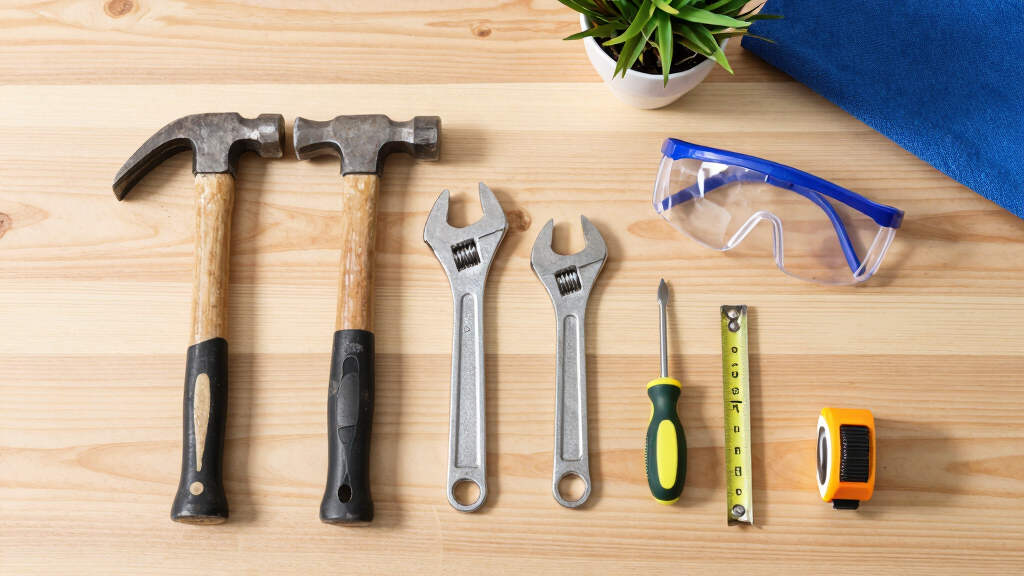
A basic set should include a hand saw, hammer, screwdrivers, chisels, clamps, measuring tape, and safety gear like goggles and gloves. These tools cover most beginner projects and ensure safety.Are these tool sets safe for children and teenagers?
Yes, but only if they include safety features like guards and ergonomic handles. Always supervise young users and emphasize safety protocols before starting any project.How much should I expect to spend on a good woodworking starter set?
Most beginner sets range from $50 to $150. Spending a bit more often means better safety features, durability, and room for expansion as your skills improve.Can these tools handle more advanced projects as skills develop?
Many sets are expandable or modular, allowing you to add tools like jigsaws or routers later. This way, your set evolves with your experience.What safety precautions should I follow when using woodworking tools?
Always wear protective gear, keep your workspace tidy, and never leave powered tools unattended. Follow manufacturer instructions and double-check safety guards before use.Conclusion
Choosing a woodworking tool set as a student isn’t about the biggest or most expensive gear. It’s about the right tools—safe, versatile, and built to grow with you. Think of your set as the foundation of your craft—solid, reliable, and ready to take on your next project.
Start small, stay safe, and let your creativity carve its own path. The sawdust and splinters are part of the journey—embrace them, and build something you’re proud of.