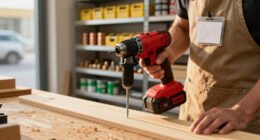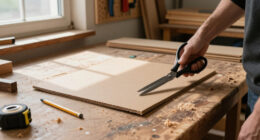

To build a tabletop display stand for small crafts, start by choosing sturdy, lightweight materials like wood or acrylic that support your items and are easy to transport. Keep the design simple and functional, incorporating tiers or adjustable shelves to maximize space and suit your style. Confirm the surface is smooth and stable, with protective features for fragile items. Focus on balance and visual appeal to attract viewers, and if you keep exploring, you’ll find ways to customize it perfectly for your crafts.

Get business pricing on tools and workshop supplies
- Business-only prices and quantity discounts
- Tax-exempt purchasing
- Multiple users, one account, clear invoices
Key Takeaways
- Choose lightweight, durable materials like wood or acrylic for stability and ease of transport.
- Design multiple tiers or sections to maximize display space and showcase various crafts effectively.
- Incorporate adjustable or modular components for customization and flexibility in display arrangements.
- Ensure surfaces are smooth and secure, with protective features for fragile or delicate items.
- Keep the design simple and neutral, using accents for branding to maintain focus on the crafts.
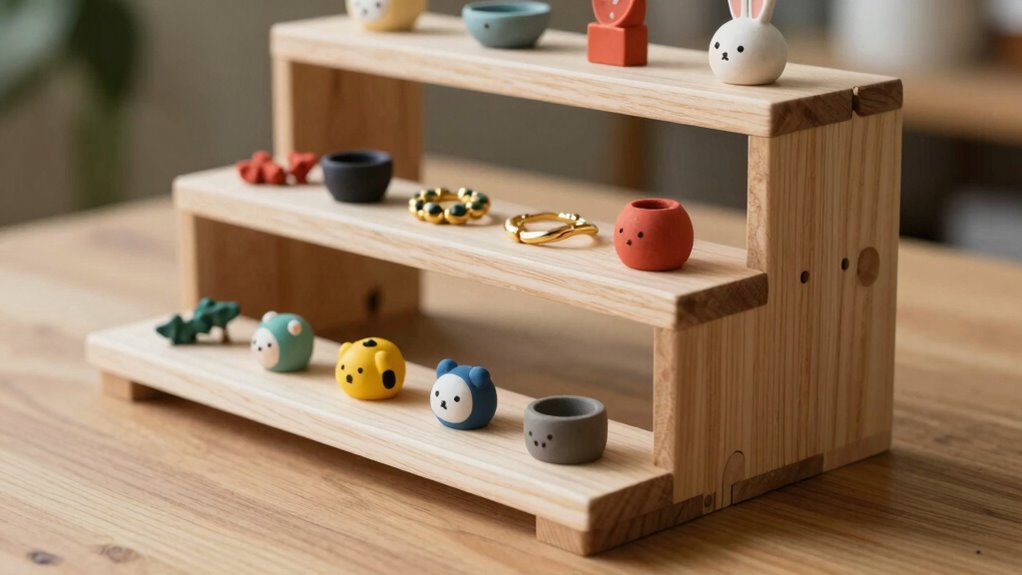
Creating a tabletop display stand for your small crafts allows you to showcase your work effectively and attract more customers or viewers. When planning your stand, the first thing to factor in is material selection. You want something sturdy enough to support your crafts without bending or breaking, yet lightweight for easy transport and setup. Common options include wood, foam board, acrylic, and cardboard. Wood offers durability and a polished look, but it’s heavier and may require tools for assembly. Foam board and cardboard are lightweight and inexpensive, making them ideal for temporary displays or if you’re just starting out. Acrylic provides a sleek, modern appearance and durability, but it can be pricier. Think about where you’ll be displaying your crafts—if it’s a busy craft fair, durability and portability take precedence. If it’s a permanent display in your studio, richer materials like wood or acrylic might better showcase your work’s quality. Additionally, consider material durability to ensure your display withstands frequent handling and transportation. Using the right material selection can significantly impact the longevity and presentation of your display. Also, incorporating ergonomic design principles can make your stand more user-friendly for viewers and easy to adjust as needed. For a cohesive look, you might also think about how the stand will align with your overall branding or aesthetic style.
Design considerations are equally important. Your display should complement your crafts without overshadowing them. Keep the design simple and functional—include sections or tiers to maximize space and allow viewers to see each piece clearly. Consider using adjustable shelves or modular components so you can customize the layout depending on the size and number of your crafts. Bright, neutral colors tend to work well because they don’t distract from your work; however, you can add accents that match your branding or craft theme. Make sure the stand’s surface is smooth and stable, providing a secure base for your items. If you plan to display fragile items, incorporate protective features like glass panels or raised edges to prevent accidents.
When building your stand, measure your crafts precisely to guarantee each item fits comfortably and is displayed at an appealing angle. Incorporate visual elements like labels or small tags that include your branding or product information, making it easy for viewers to learn about your work. Think about accessibility as well—your display should be easy for viewers to approach and examine each piece. Keep in mind that the overall aesthetic should reflect your style; whether rustic, modern, or eclectic, your stand’s design can be a reflection of your brand. Additionally, considering visual balance can help you create a harmonious and attractive display that draws viewers in. By carefully selecting materials and taking into account the design, you’ll create a display stand that not only enhances the presentation of your small crafts but also draws attention and invites viewers to explore your creations further.
As an affiliate, we earn on qualifying purchases.
Frequently Asked Questions
What Materials Are Best for Outdoor Use?
For outdoor use, you should choose weather-resistant finishes like sealants or paint to protect your display stand. Opt for lightweight materials such as treated wood, plastic, or aluminum to make it easy to move and durable against the elements. These materials, combined with weather-resistant finishes, guarantee your stand withstands rain, sun, and wind, keeping your small crafts safe and looking great outdoors.
How Do I Customize the Stand for Different Craft Sizes?
Customizing your stand feels like tailoring a suit—perfect fit matters. You can add adjustable height features, allowing you to easily accommodate different craft sizes. Incorporate decorative accents like ribbons or small ornaments to enhance visual appeal. Use removable or adjustable shelves, so you can easily switch out or rearrange displays. This flexibility guarantees your stand adapts beautifully to various craft sizes, making your presentation both functional and eye-catching.
What Tools Are Essential for Assembly?
You’ll need basic tools like a saw, screwdriver, and measuring tape for assembling your craft display stand. A drill is essential for making precise holes, especially if you plan to customize the stand for different craft sizes. Clamps help hold pieces steady during assembly, guaranteeing stand customization stays accurate. A level ensures your display is even, and a glue gun can add extra stability. These tools make the process easier and your craft display more professional.
How Can I Ensure Stability on Uneven Surfaces?
To guarantee stability on uneven surfaces, focus on firm footing and thoughtful weight distribution. First, place the stand on a surface grip—like rubber pads or non-slip mats—to prevent slipping. Next, balance the weight evenly across the stand, avoiding top-heavy designs. You can also add adjustable feet or shims to level out uneven spots, creating a custom, secure stance that keeps your display steady and safe.
What Maintenance Is Required for the Stand?
You should establish a regular cleaning schedule to keep your stand looking its best. Use a soft cloth and gentle cleaner to remove dust and dirt, avoiding abrasive materials. Applying protective coatings, like a clear sealant, can help prevent damage and make cleaning easier over time. Reapply the coating as needed, typically every few months, to maintain its protective qualities and guarantee your display stand stays in great condition.
Conclusion
And just like that, you’ve created a stunning tabletop display stand that could turn your small crafts into the talk of the town! With your new stand, your creations will shine brighter than a diamond in a sea of stars, drawing crowds and admiration from miles away. Get ready for your crafts to become the next big sensation — all thanks to your DIY skills. Who knew building a display stand could release your craft’s full superstar potential?
Fall Picks
fall essentials
As an affiliate, we earn on qualifying purchases.