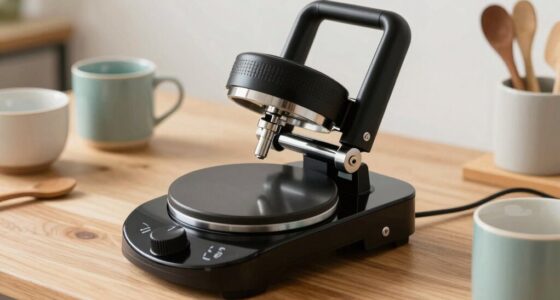
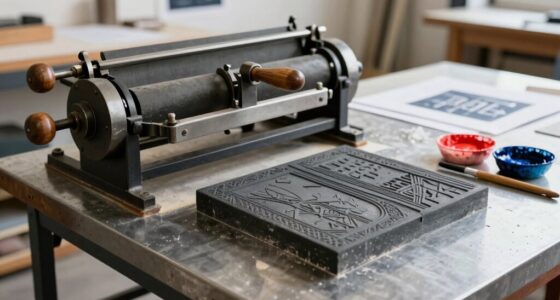
Relying on a single machine to handle all your craft production is a common myth that can limit your growth and flexibility. One machine often falls short for complex or diverse projects, risking bottlenecks and delays. It’s essential to diversify your equipment to meet changing customer needs and stay innovative. By expanding your tools, you build a more resilient and adaptable business—more prepared for market shifts. Keep exploring to discover how diversification can propel your craft venture forward.
Key Takeaways
- Relying on a single machine limits flexibility and adaptability for diverse craft products.
- One machine cannot efficiently handle varied textures, finishes, or customizations required by customers.
- Diversifying equipment enhances innovation and supports growth in a competitive craft market.
- Single-machine dependence increases risks of bottlenecks and production delays.
- Multiple specialized tools enable quick responses to market trends and customer preferences.
Many craft business owners believe that investing in a single, high-quality machine will solve all their production needs, but this myth can lead to costly limitations. Relying on one piece of equipment might seem like a smart move initially, especially if it promises versatility. However, it often falls short when you consider the complexities of your supply chain and the ever-evolving customer preferences. Crafting a product that resonates with your audience requires flexibility, and a single machine rarely provides the range needed to adapt quickly.
Your supply chain plays a significant role here. When you depend on one machine, you risk bottlenecks that can disrupt your entire workflow. If that machine breaks down or experiences downtime, your entire production line stalls, causing delays that ripple through your supply chain. This not only impacts your ability to meet demand but can also strain relationships with suppliers and distributors. Diversifying your equipment ensures you can keep moving even when one machine is temporarily out of commission, maintaining a steady flow of products. Additionally, understanding supply chain dynamics can help you better prepare for potential disruptions and develop contingency plans. Incorporating risk management strategies into your planning can further strengthen your overall resilience.
Relying on one machine risks bottlenecks; diversify to keep production flowing smoothly and avoid supply chain disruptions.
Customer preferences are another key aspect that challenges the “one machine does everything” myth. What customers want today might be different tomorrow. They may seek customized designs, varied textures, or specific finishes that your one machine simply can’t handle. To stay competitive, you need to be ready to produce a variety of products efficiently. Investing in different machines tailored to specific tasks allows you to meet these diverse demands without sacrificing quality or speed. It also enables you to respond promptly to trends, giving you an edge over competitors who are limited by their equipment.
Trying to do everything with one machine also hampers your ability to innovate. When you’re confined to the capabilities of a single piece of equipment, you often find yourself stuck in a routine, unable to experiment with new techniques or materials. This stifles creativity and growth in your craft business. On the other hand, having multiple specialized machines can inspire new ideas and streamline the production of innovative products that appeal to your audience. Moreover, staying adaptable can help you seize emerging market opportunities and cater to niche customer segments more effectively.
Ultimately, investing in a variety of tools tailored to different tasks supports a more resilient supply chain, accommodates changing customer preferences, and fosters creativity. It’s a smarter approach than putting all your hopes into one machine that promises to do it all. By understanding these dynamics, you can build a more adaptable, sustainable craft business that thrives amid market shifts and supply chain challenges.
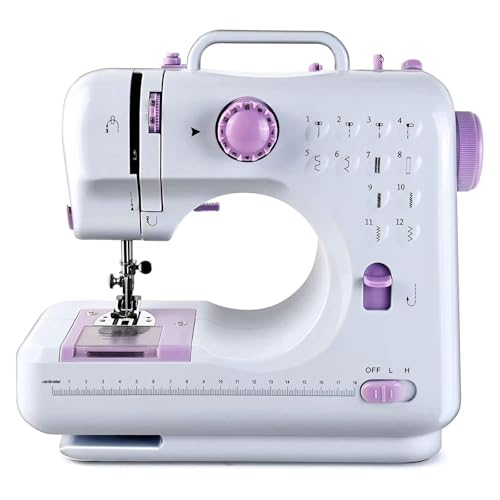
Mini Sewing Machine, Portable Electric Sewing Machine for Beginners with 12 Built-In Stitches, Dual Speed & Lightweight for Crafting Mending, Work Light, Quick Repair on Fabrics, Household Use
- Beginner-Friendly Design: Marked threading guides for easy setup
- Dual Power Options: Use foot pedal or button control with AC or batteries
- Multiple Stitch Modes: 12 stitches including straight, zigzag, decorative
As an affiliate, we earn on qualifying purchases.
As an affiliate, we earn on qualifying purchases.
Frequently Asked Questions
How Do I Determine the Right Machine for My Specific Craft Needs?
To find the right machine for your craft needs, start by identifying your primary tasks. Consider precision cutting capabilities for detailed work and check material compatibility to make certain it handles your preferred materials. Research different models, read reviews, and compare features. Think about your budget and future projects too. This way, you choose a machine that offers the right balance of accuracy, versatility, and value, helping your craft business thrive.
What Are the Common Signs That a Machine Is Not Meeting Expectations?
If your machine’s performance drops despite proper maintenance and training, it’s a sign it’s not meeting expectations. You might notice inconsistent results, frequent breakdowns, or increased effort to operate. These issues suggest you need to assess whether your machine fits your craft needs or if upgrades are necessary. Regular machine maintenance and proper operator training can prevent issues, but don’t ignore persistent problems—they signal it’s time to reconsider your equipment.
Are There Affordable Alternatives to High-End Craft Machinery?
Yes, there are affordable alternatives to high-end craft machinery. You can explore budget options like smaller, basic machines that handle specific tasks well, or consider DIY solutions to customize tools to your needs. These options allow you to save money while still achieving quality results. By mixing budget-friendly equipment with creative DIY projects, you can build a versatile craft setup that works without breaking the bank.
How Often Should I Upgrade or Replace My Craft Machines?
Think of your craft machines as loyal steeds; they’ll serve you best when well-maintained. You should upgrade or replace equipment when machine maintenance becomes costly or performance wanes, typically every 3-5 years. Regularly inspecting for wear and tear extends equipment longevity, saving you money and frustration. Trust your tools’ signals, and don’t wait until they break down—timely upgrades keep your creative flow running smoothly.
What Safety Precautions Should I Follow When Using Multiple Craft Machines?
When using multiple craft machines, always prioritize safety by wearing appropriate gear like gloves, goggles, and masks. Regular machine maintenance is essential; check for loose parts, clean debris, and guarantee proper lubrication before use. Keep your workspace organized to prevent accidents, and follow each machine’s safety instructions. Never ignore warning signs or rush through setups. Staying vigilant and maintaining your equipment helps keep you safe and your craft projects running smoothly.
Conclusion
You might dream of one machine that handles everything, simplifying your craft business. But in reality, that myth can blind you to the value of specialized tools and diverse skills. Just like a single brush can’t create a masterpiece, one machine can’t do it all. Embrace the variety, learn from different tools, and you’ll find that true mastery comes from collaboration—not from relying on one device to do everything for you.