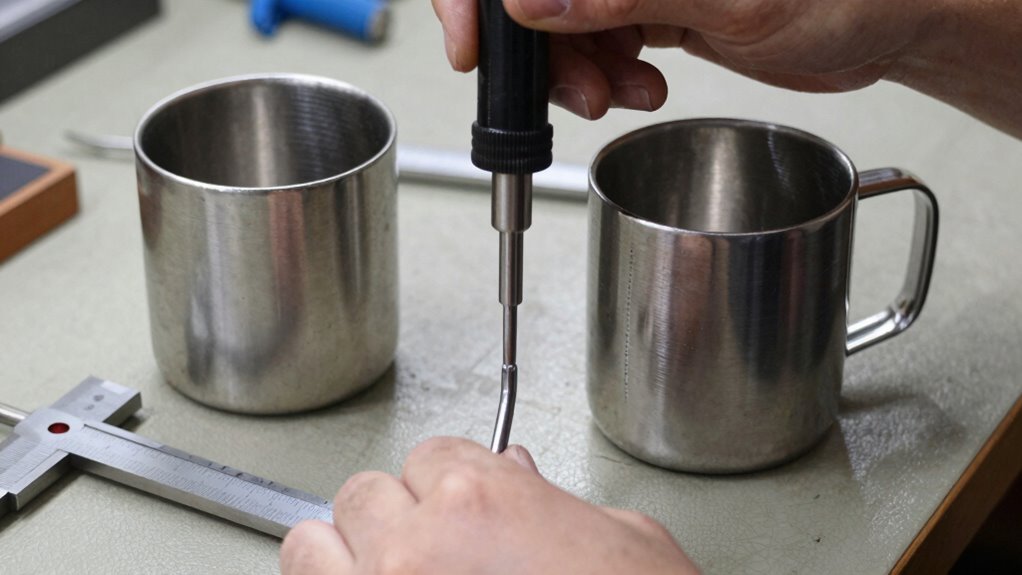
To fix mug and tumbler press seam gaps once and for all, start by double-checking your equipment’s calibration and ensuring proper pressure and temperature settings. Make sure your mug or tumbler is perfectly centered and securely positioned, using alignment tools or seam guides. Regular maintenance of your press, including tightening screws and inspecting components, helps maintain consistent alignment. Keep this in mind, and you’ll discover more expert tips on achieving flawless seams every time.
Key Takeaways
- Use seam guides, rulers, or alignment tools to ensure precise placement before pressing.
- Double-check mug or tumbler positioning and secure it with clips or heat-resistant tape.
- Calibrate your press regularly for consistent pressure, temperature, and dwell time tailored to your materials.
- Maintain equipment by tightening screws, realigning plates, and inspecting for wear to prevent misalignment.
- Conduct visual and pressure tests post-pressing to identify and correct seam gaps immediately.
Why Seam Gaps Happen and How to Fix Them Fast
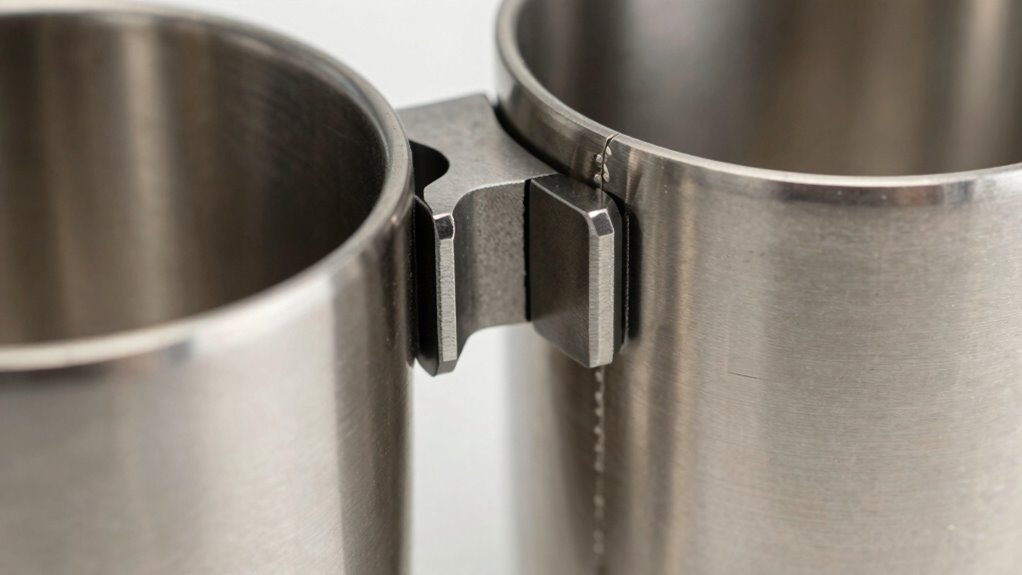
Seam gaps often happen because of uneven pressure or misalignment during the pressing process. Common seam gap causes include inconsistent heat distribution or improper placement of the mug or tumbler in the press. When the item isn’t aligned correctly, the pressure doesn’t distribute evenly, leading to gaps. Fixing seam misalignment starts with carefully inspecting your setup before pressing. Make sure the mug or tumbler is centered and securely positioned. Use alignment tools or guides if available, and double-check the placement. Applying even pressure during pressing is essential. If you notice a gap after pressing, adjust the positioning and try again. Consistent attention to alignment and pressure will greatly reduce seam gaps and improve your results. European cloud innovation can also help ensure your equipment maintains optimal performance and consistency in manufacturing processes. Additionally, understanding the importance of consistent heat distribution can prevent uneven seams and ensure a high-quality finish. Regular calibration of your press can further enhance pressing precision, leading to more reliable and professional results. Ensuring your equipment is properly maintained and calibrated is a key part of achieving manufacturing consistency over time. Furthermore, maintaining proper pressure application is crucial for uniform seams and a polished appearance.
Prepare Your Mug & Tumbler Press for Perfect Results
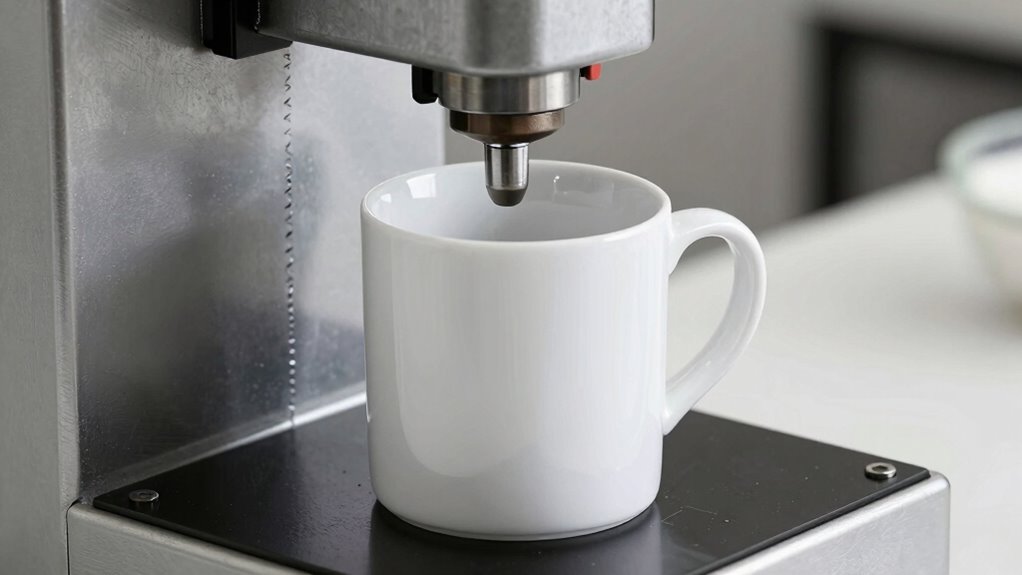
Preparing your mug or tumbler press correctly sets the stage for perfect results. Start by choosing the right press settings for your mug design or tumbler styles, guaranteeing the temperature and pressure match your material. Proper alignment of the press prevents gaps and uneven transfers. Before pressing, clean the surfaces and verify that the mug or tumbler fits snugly. Use this table to understand how different styles impact preparation:
| Mug & Tumbler Style | Key Preparation Tip |
|---|---|
| Standard Mug | Ensure even pressure across the design |
| Tumbler with Lip | Check fit to avoid gaps at edges |
| Tall Tumbler | Adjust press height for full contact |
| Curved Mug | Use supports for consistent pressure |
Adapting your prep process to each style guarantees flawless results every time. Additionally, implementing consistent pressure techniques can help maintain high-quality transfers and prevent gaps or misalignments during pressing, especially when accommodating various mug and tumbler styles. Employing proper pressure application techniques is essential for achieving reliable and professional-looking results. Incorporating accurate measurement tools can further enhance your press setup and reduce the likelihood of alignment issues, especially considering that press calibration is crucial for optimal performance.
Easy Techniques to Achieve Seam Alignment Every Time
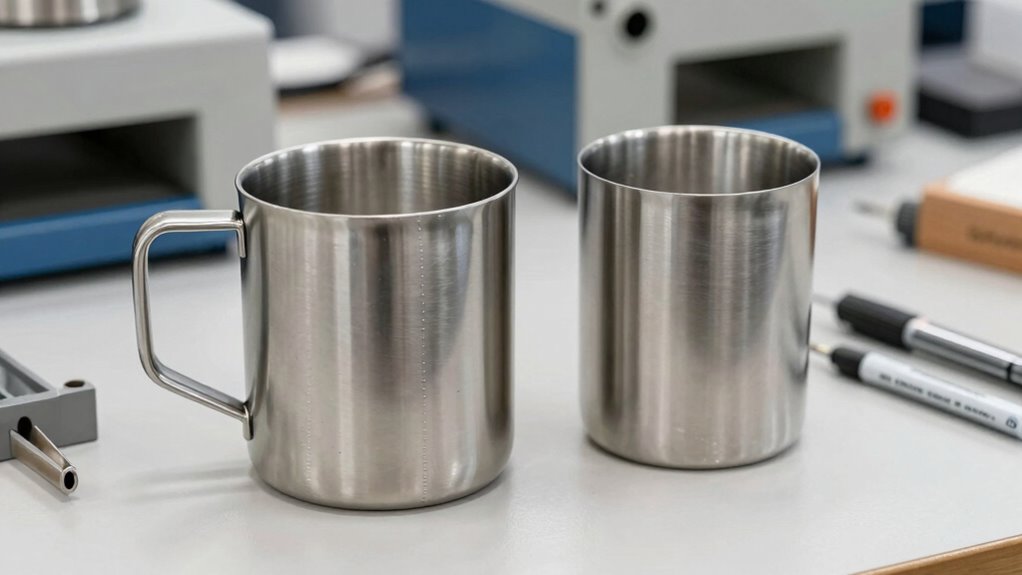
Achieving perfect seam alignment might seem challenging, but with a few simple techniques, you can consistently get professional-looking results. Start by using alignment tools like seam guides or rulers to position your mug or tumbler accurately before pressing. These tools help you make precise seam adjustments, ensuring the edges line up perfectly. Always double-check the placement before applying heat, and make small adjustments if needed. When you’re ready, secure the seam with clips or heat-resistant tape to hold everything in place during pressing. Consistent use of alignment tools and careful seam adjustment will reduce gaps and misalignment. Practice these techniques regularly, and you’ll find that flawless seam alignment becomes second nature, saving you time and stress on every project.
Calibrate Your Press for Consistent Seam Quality
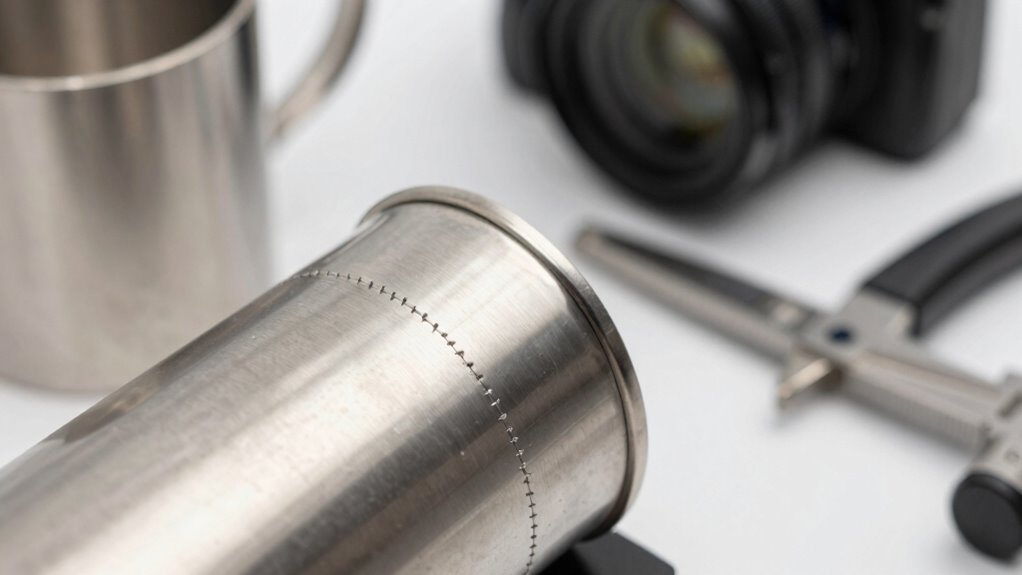
Once you’ve mastered seam alignment techniques, the next step is verifying your press is calibrated for consistent results. Proper press calibration is essential for maintaining seam consistency across all your projects. Start by checking that the pressure settings are accurate and evenly distributed; uneven pressure can cause irregular seams. Regularly verify the temperature and dwell time to ensure they match your material’s requirements. Use calibration tools or test samples to fine-tune your press settings. Consistent calibration prevents seam gaps and ensures a professional finish every time. Keep detailed records of your settings for different materials, so you can quickly replicate successful results. Proper press calibration saves you time, reduces waste, and guarantees high-quality, uniform seams across all your mugs and tumblers.
Troubleshoot Persistent Seam Gaps: What’s Wrong and How to Fix It
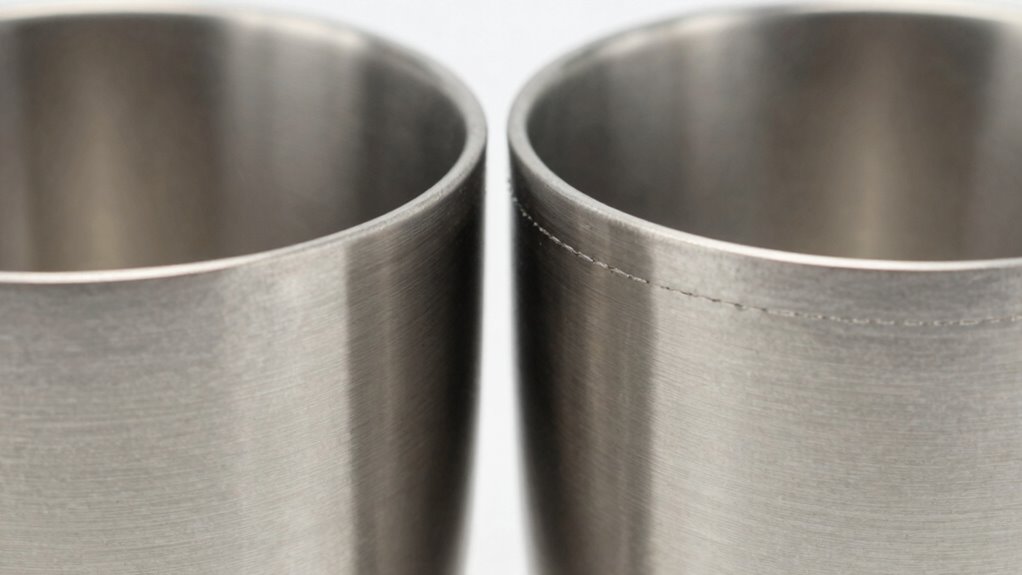
Are persistent seam gaps affecting the quality of your mugs and tumblers? If so, the issue often stems from improper seam tension or material incompatibility. Check your press’s seam tension—if it’s too loose, gaps will appear, while overly tight settings can cause warping or uneven seals. Also, verify your materials are compatible; some materials may not respond well to certain pressure levels or heat settings, leading to inconsistent seams. Adjust tension gradually and test with small batches to find the ideal balance. Confirm that your materials are suitable for your press specifications. Proper pressure calibration is essential for achieving consistent seams, ensuring each piece is sealed correctly without gaps. Additionally, understanding material compatibility can help prevent issues caused by using unsuitable materials. Ensuring your press is correctly aligned and regularly maintained can significantly reduce seam gaps. By fine-tuning tension and verifying material compatibility, you can eliminate persistent seam gaps and achieve a consistent, professional finish every time.
Keep Your Seam Alignment Sharp With Regular Maintenance
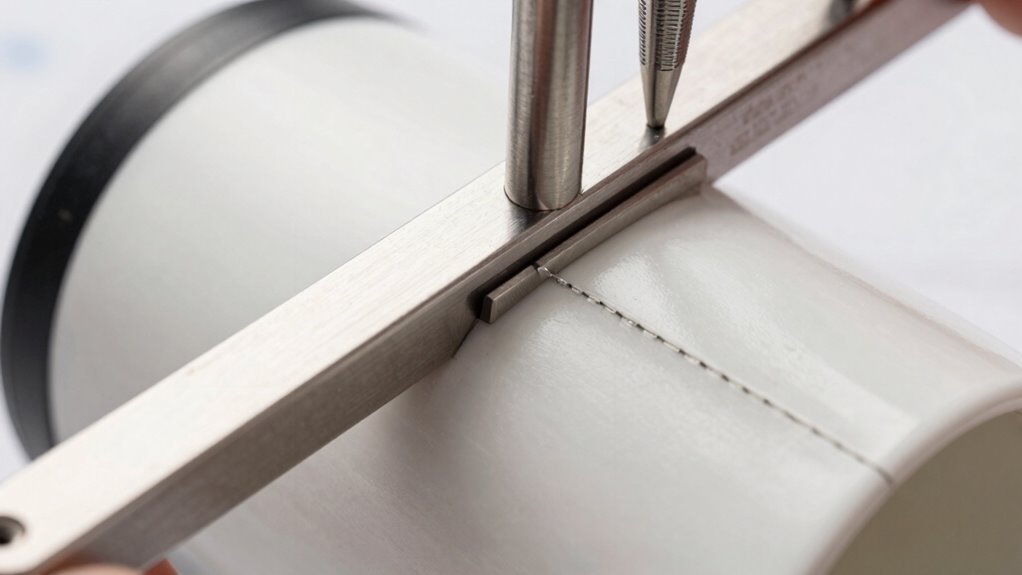
Regular maintenance is essential for keeping your seam alignment precise and consistent. Consistently checking and adjusting your equipment ensures that seams stay aligned and gaps remain minimal. Incorporate simple seam maintenance routines into your workflow, such as inspecting the press plates for wear or debris that could affect alignment. Use these alignment tips to fine-tune your setup regularly—tighten screws, realign plates, and verify pressure settings. Staying proactive prevents misalignments from becoming persistent issues, saving you time and effort in the long run. Regularly maintaining your press not only improves seam quality but also extends the lifespan of your equipment. Additionally, paying attention to power tool safety and proper setup can prevent accidental misalignments or damage. Keep a routine checklist to ensure your seam maintenance is thorough and effective, helping you achieve flawless results every time. Proper equipment calibration is also key to maintaining consistent seam quality over time.
Test and Verify Seam Quality for Flawless Results
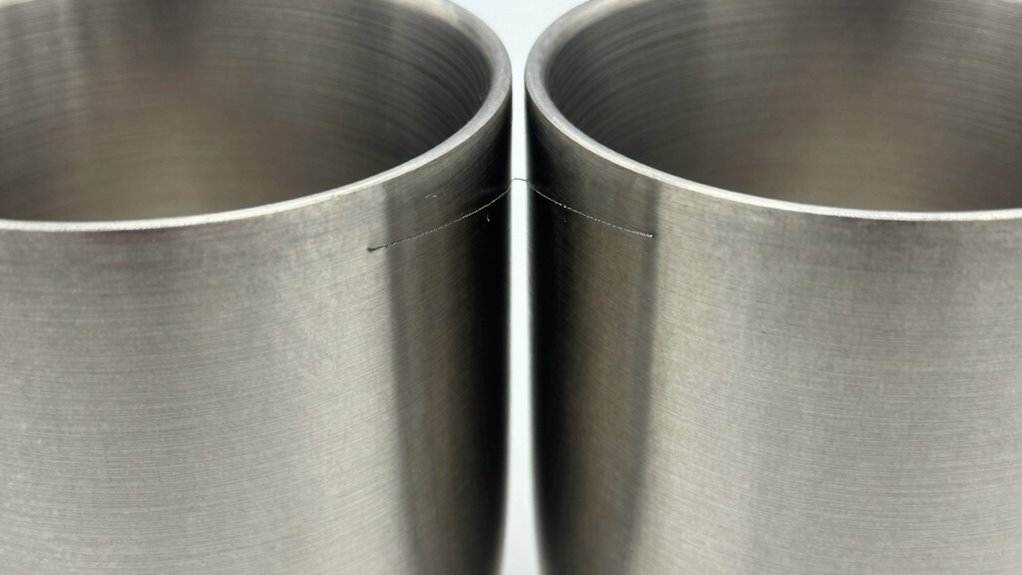
You need to regularly inspect your seams to make certain they meet quality standards. Using proper testing methods helps catch flaws early and prevents issues down the line. By conducting thorough inspections, you’ll achieve consistent, flawless results every time.
Conduct Seam Inspections
To guarantee seam quality meets standards, it’s essential to conduct thorough inspections after pressing. Seam inspection allows you to identify flaws like gaps or weak spots, ensuring quality control before finalizing your product. Carefully examine each seam, feeling for smooth, consistent joins without bumps or cracks. Use a magnifier if needed for detailed inspection. Regular checks help catch issues early, saving time and material costs. Keep a checklist to track defect types and locations. Consistent inspection routines improve overall quality, leading to flawless mugs and tumblers. Here’s a quick guide:
| Inspection Step | Purpose |
|---|---|
| Visual Examination | Spot surface flaws |
| Feel for Consistency | Detect weak spots |
| Check Seam Alignment | Ensure proper positioning |
| Test Seam Flexibility | Confirm durability |
| Document Findings | Maintain quality records |
Use Proper Testing Methods
Proper testing methods are essential to verify seam quality and guarantee your mugs and tumblers meet high standards. Implement thorough testing procedures to identify any flaws early, ensuring consistent results. Use alignment verification techniques, such as visual checks and measurement tools, to confirm that seams are properly aligned and evenly spaced. Conduct pressure tests or leak tests when applicable, as these reveal gaps or weak spots that might compromise durability. Consistently document your testing results to track improvements and detect recurring issues. By adhering to proper testing procedures, you can catch misalignments or imperfections before they become quality issues. This careful verification process helps you maintain flawless seams, reduce rework, and deliver products that meet your customers’ expectations for quality and durability. Additionally, understanding seam integrity and how it impacts overall product performance ensures long-term customer satisfaction.
Frequently Asked Questions
Can Different Mug or Tumbler Materials Affect Seam Alignment?
Yes, different mug or tumbler materials can affect seam alignment. You need to take into account material compatibility and thermal expansion, as various materials expand and contract at different rates when heated. This can cause misalignment or gaps in the seam during the pressing process. By choosing compatible materials and accounting for thermal expansion, you can ensure consistent seam alignment and avoid issues that compromise the quality of your finished product.
How Long Does It Take to Properly Calibrate a Press?
Think of press calibration as tuning a musical instrument; it takes patience and focus. You’ll spend about 30 minutes to an hour on alignment adjustment, ensuring your press operates smoothly. The process involves fine-tuning the settings, checking the seam gaps, and making precise adjustments. Rushing can cause misalignment, so take your time. Proper calibration guarantees consistent, high-quality results, saving you time and frustration in the long run.
Are There Specific Brands That Are More Prone to Seam Gaps?
Some brands are more prone to seam gaps due to inconsistent manufacturing quality and less focus on brand consistency. Cheaper or less reputable brands often have variability in their press components, leading to misalignment issues. To avoid this, invest in high-quality presses from reputable brands known for strict quality control. This guarantees better alignment, fewer seam gaps, and a more professional finish, saving you time and frustration in the long run.
What Safety Precautions Should I Follow During Maintenance?
Think of maintenance as safeguarding your creative fire; you must wear your armor first. Always use personal protective equipment, like gloves and safety glasses, to shield yourself from sharp edges or hot surfaces. Prioritize electrical safety by unplugging the press before any work. Keep your workspace dry and organized, and never bypass safety features. These precautions guarantee your safety while fixing seam gaps and maintaining your equipment’s integrity.
How Often Should I Perform Seam Gap Inspections?
You should perform seam gap inspections regularly, ideally every few weeks, as part of your maintenance schedule. This inspection frequency helps you catch misalignments early, preventing long-term issues and ensuring consistent print quality. Incorporate these checks into your routine maintenance to keep your mug and tumbler press operating smoothly. Staying proactive with inspections minimizes downtime and maintains excellent performance, saving you time and costs in the long run.
Conclusion
By mastering these seam gap fixes, you’ll guarantee consistently professional-looking mugs and tumblers. Did you know that improper alignment can increase defect rates by up to 30%? Regular calibration and maintenance not only improve quality but also save you time and money. Keep practicing these techniques, and you’ll achieve flawless seams every time. Stay committed to perfect alignment, and your finished products will impress every customer!