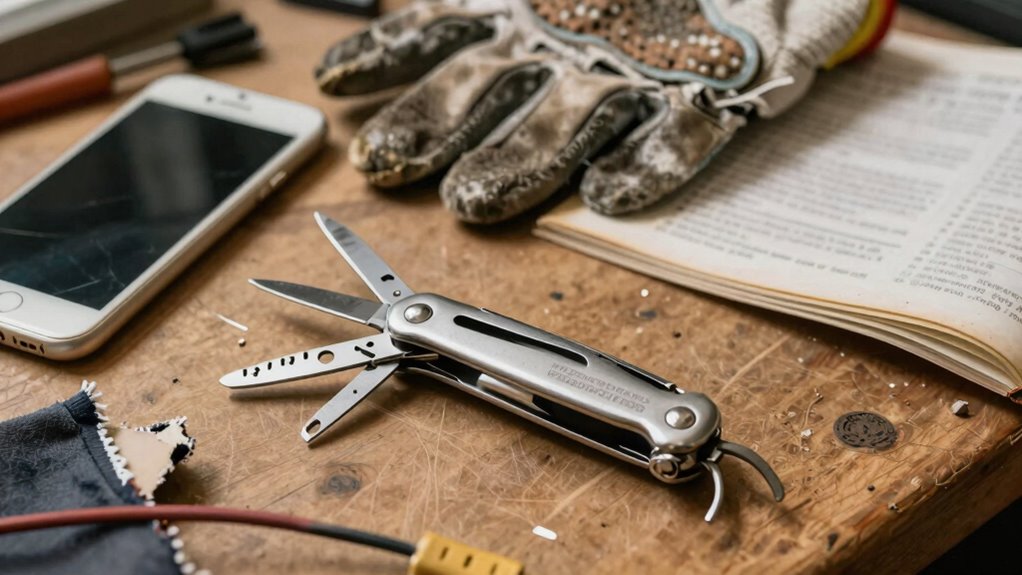

Buying helpful gear might seem like a solution, but it doesn’t address the real issues behind your problems. You might think new tools will fix inefficiencies, yet surface-level fixes often hide deeper causes like unclear instructions, poor training, or flawed workflows. Focusing only on equipment can lead to frustration and wasted resources. To truly improve, you need to understand the root causes first. Keep exploring, and you’ll find how to tackle problems at their core.
Open a free Amazon Business account
Business pricing, bulk buying and tax-exempt orders.
As an affiliate, we earn on qualifying purchases.
Key Takeaways
- Gear addresses symptoms, not underlying causes, leading to superficial fixes that don’t resolve the core issue.
- Relying on tools can distract from analyzing and understanding the true problem.
- True problem-solving requires identifying root causes rather than just improving equipment or processes.
- Overemphasis on gear can result in wasted resources and frustration without sustainable progress.
- Effective solutions stem from insights and understanding, not just acquiring helpful tools or equipment.
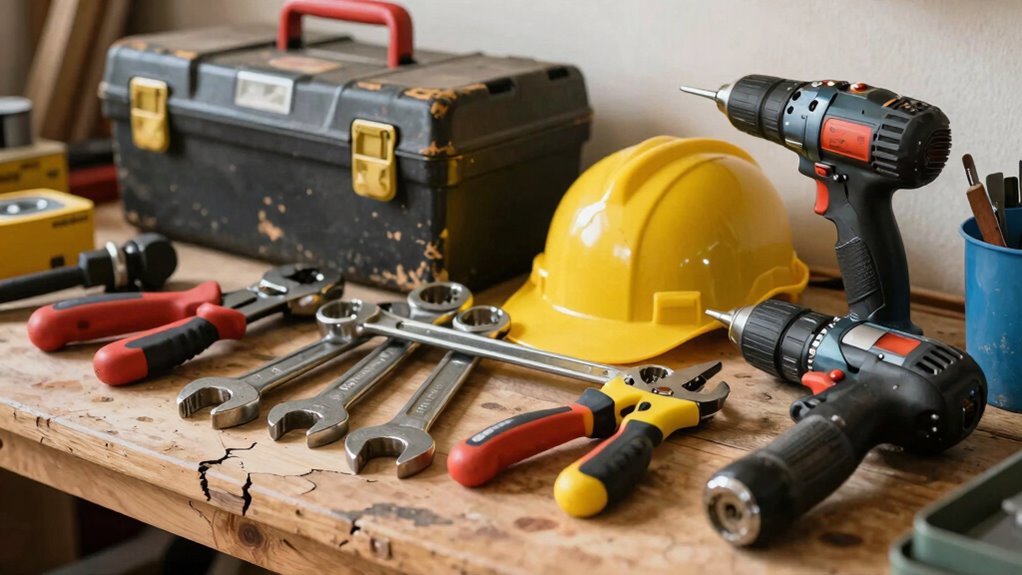
When faced with real problems, having the right gear can make all the difference between frustration and success. But it’s important to remember that gear alone isn’t a cure-all. Sometimes, people fall into the trap of thinking that buying more tools or equipment will automatically fix underlying issues. That’s where overcoming assumptions becomes critical. You might assume that a new flashlight or a better pair of gloves will solve your problem, but if you haven’t identified the root causes, you’re only addressing surface-level symptoms. Without understanding the core issue, no amount of gear will deliver a lasting solution.
Gear alone doesn’t fix problems; uncover root causes first for lasting success.
The key is to take a step back and ask yourself what’s really at stake. Are you genuinely solving the problem or just masking it temporarily? Overcoming assumptions means challenging your initial beliefs about what’s needed. Instead of rushing to buy the latest gadget, pause and analyze the situation. For instance, if your project keeps failing, it’s tempting to think new tools will help. But often, the real problem lies in poor planning, miscommunication, or lack of skills. Recognizing this shifts your focus from acquiring gear to improving processes and understanding the root causes of the issue.
Identifying root causes involves digging deeper to understand why the problem persists. It’s not enough to see the surface and think, “I need a new tool.” You need to ask questions like, “What’s causing the delay?” or “Where is the breakdown happening?” Once you identify the true obstacle—whether it’s unclear instructions, insufficient training, or flawed workflow—you can take targeted action. This approach saves you from wasting money on gear that doesn’t address the real problem and helps you develop more effective, sustainable solutions. Moreover, understanding the importance of biodiversity and how it influences ecosystems can provide valuable insights into sustainable problem-solving, especially in conservation efforts.
Buying helpful gear might seem like the logical step, but it’s often a distraction from what’s truly necessary. When you focus solely on upgrading equipment, you risk ignoring the root causes that prevent success. Instead, you should prioritize understanding the problem thoroughly. This involves analyzing the situation, questioning your assumptions, and narrowing down what’s actually causing the issue. Additionally, applying systematic problem-solving techniques can help you uncover underlying issues more efficiently. Recognizing that problem analysis is essential in this process can further enhance your ability to identify effective solutions. It’s also beneficial to consider preventative measures that can stop similar issues from recurring in the future. Once you do that, you’ll realize that the right tools are only part of the solution. True progress comes from fixing the underlying problems, not just the surface symptoms. In doing so, you’ll find that the “helpful” gear you acquire becomes a genuine aid rather than a costly distraction. Additionally, leveraging knowledge and insights about the specific issue can greatly improve your problem-solving approach.
As an affiliate, we earn on qualifying purchases.
Frequently Asked Questions
How Can I Identify the Root Cause of My Problem?
To identify the root cause of your problem, you need to conduct root analysis and problem diagnosis. Start by asking yourself what symptoms appear and when they occur. Break down the issue into smaller parts, then analyze each to find patterns or common factors. Asking “why” repeatedly helps uncover underlying causes. This approach guarantees you’re addressing the core issue instead of just treating surface symptoms.
What Steps Ensure I Choose Effective Solutions Over Gadgets?
To choose effective solutions over gadgets, start by evaluating if the product has ergonomic design, ensuring comfort and support. Look for innovative features that address your specific problem, rather than just trendy additions. Research reviews and user feedback to see if it genuinely solves the issue. Focus on solutions that target the root cause, not just superficial fixes, so your investment delivers long-term benefits.
Why Do Helpful Tools Sometimes Fail to Resolve Issues?
Helpful tools sometimes fail because you rely on quick fixes or band-aid solutions instead of addressing the root cause. When you treat only the symptoms, the problem persists or worsens over time. Tools can assist, but if you don’t identify and tackle the underlying issue, the tool becomes ineffective. Focus on understanding the core problem first, then choose solutions that provide lasting results rather than temporary relief.
How Do I Prioritize Problems Before Buying Gear?
To prioritize problems before buying gear, cut through tech overload by identifying the root issue first. Ask yourself if a quick fix will truly solve the problem or just mask it temporarily. Focus on understanding the core challenge, then invest in tools that address that specific need. This approach prevents unnecessary purchases and guarantees your efforts lead to lasting solutions instead of just quick fixes.
What Are Common Mistakes When Relying on Helpful Gear?
You often fall into the trap of relying on helpful gear, thinking it’s a magic wand that fixes everything—it’s not. A common mistake is trusting surface solutions or quick fixes, which only mask underlying issues. This approach can lead you to overlook root problems, wasting money and time. Instead, focus on understanding the core issue first, then choose gear that genuinely addresses the problem, not just what seems helpful at first glance.
Conclusion
Remember, rushing to buy helpful gear might seem like a quick fix, but it simply sidesteps the real struggle. Instead, focus on fixing the foundational flaws first. By addressing the core concerns with clarity and courage, you create lasting solutions rather than temporary tricks. Don’t let shiny gadgets divert your dedication. Dive deeper, diagnose diligently, and discover real change. Because, in the end, solving the core counts far more than simply splurging on shiny solutions.
Fall Picks
fall essentials
As an affiliate, we earn on qualifying purchases.