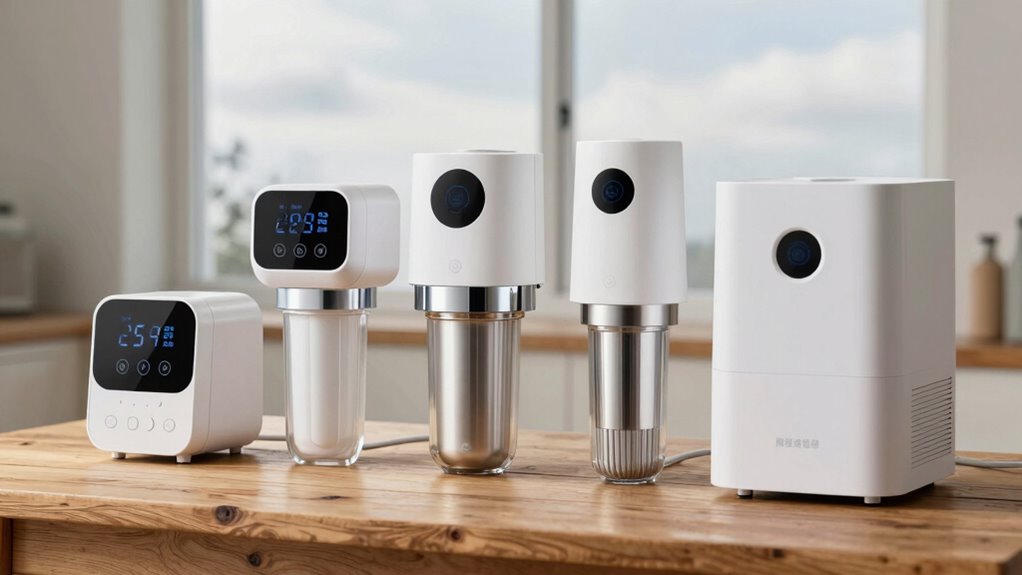

You rely on water filters and air-quality tools because they give you the predictability needed to stay safe during emergencies. By ensuring access to clean water and monitoring air quality, these tools help you plan, conserve resources, and respond quickly to environmental changes. They reduce uncertainties and prevent shortages or health risks. Staying prepared with reliable tools boosts your confidence in tough situations. Keep exploring to discover how these solutions can truly enhance your emergency readiness.

Get business pricing on tools and workshop supplies
- Business-only prices and quantity discounts
- Tax-exempt purchasing
- Multiple users, one account, clear invoices
Key Takeaways
- They provide consistent, reliable access to safe water and air, reducing uncertainty during emergencies.
- Predictable environmental monitoring enables timely decisions for safety and resource management.
- Reliable filtration and air quality tools help prevent shortages and health risks in unpredictable conditions.
- They support proactive planning and resource conservation, enhancing overall resilience.
- Scientifically grounded technologies ensure sustained safety and stability amid fluctuating environmental factors.
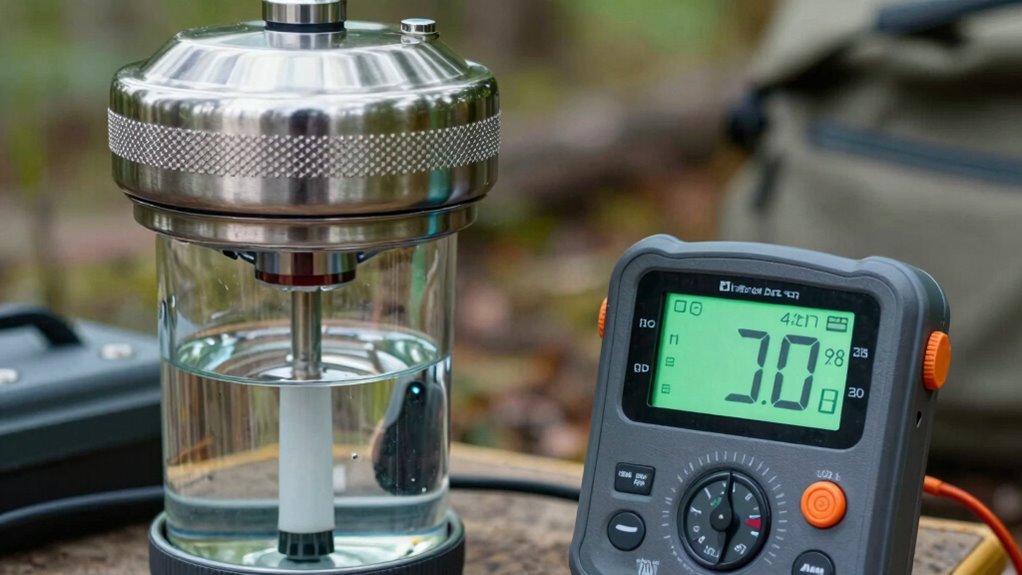
In times of crisis, the most urgent concerns often revolve around access to clean water and safe air, which is why water filters and air-quality tools are increasingly appealing to survivors. When disaster strikes, your ability to predict how long supplies will last and how to maintain them becomes essential. This is where the idea of predictability plays a key role in emergency preparedness. You need tools that not only work efficiently but also allow you to plan and manage resources effectively, ensuring your survival over the long term.
Water filters are more than just a quick fix—they’re an indispensable part of resource sustainability. They give you confidence knowing that you can reliably purify contaminated water, reducing dependence on external supplies or uncertain sources. Whether you’re collecting rainwater, sourcing water from a pond, or trying to make tap water safer, having a dependable filter means you won’t be caught off guard when supplies run low or when water quality fluctuates unexpectedly. This predictability allows you to ration water more accurately, avoiding waste and ensuring you have enough for drinking, cooking, and hygiene. Additionally, understanding the water quality in your environment helps you choose the most effective filtration methods, enhancing your preparedness. Recognizing how environmental factors impact water safety can help you develop more effective filtration strategies.
Reliable water filters ensure safe, predictable water supply, helping you conserve resources and stay prepared during emergencies.
Similarly, air-quality tools serve a similar purpose by providing real-time data on the environment around you. You can monitor airborne pollutants, smoke, or toxic fumes, which tend to vary unpredictably during a crisis. With this information, you can make quick decisions—whether to ventilate a space, evacuate temporarily, or seal off an area—thus reducing health risks. Knowing what to expect from your environment helps you develop a more reliable plan for maintaining safe air quality, especially when supplies of masks or filters might be limited or inconsistent. Being aware of environmental changes can also help you optimize ventilation for better safety and efficiency.
Both water filters and air-quality tools contribute profoundly to emergency preparedness by giving you control over unpredictable elements. Instead of relying on guesswork, you can base your actions on solid data. This predictability enhances your ability to manage resources wisely, conserve energy, and reduce waste. It also boosts your confidence, knowing that you’re taking proactive steps rather than reacting impulsively to crises. This mindset is key to building resilience—making each resource last longer and reducing the strain on your supplies.
Furthermore, utilizing air purification and filtration technologies rooted in scientific principles ensures more consistent and effective results, which ultimately supports your long-term survival strategies. Staying informed about environmental conditions enables you to adapt your strategies as situations evolve, increasing your chances of enduring hardships.
Ultimately, the appeal of water filters and air-quality tools lies in their ability to bring certainty to uncertain situations. When chaos reigns outside, knowing your environment and water sources are predictable allows you to focus on staying safe and maintaining your well-being, making these tools indispensable for long-term survival.
portable water filter for survival
As an affiliate, we earn on qualifying purchases.
As an affiliate, we earn on qualifying purchases.
Frequently Asked Questions
How Do Water Filters Improve Long-Term Survival Prospects?
Water filters improve your long-term survival prospects by ensuring safe drinking water through effective water purification. They remove contaminants like bacteria, viruses, and chemicals, preventing waterborne illnesses that could jeopardize your health. By consistently providing clean water, filters reduce unpredictability in your supplies and keep you healthier longer. This reliability makes them essential tools for survival, giving you peace of mind and a better chance of thriving during challenging times.
What Specific Air-Quality Tools Are Most Reliable During Emergencies?
During emergencies, you’ll find portable purifiers most reliable when they feature high sensor accuracy, ensuring you get real-time air quality data. Look for models with precise sensors that detect pollutants quickly, so you can respond promptly. These tools are essential for maintaining safe indoor air, especially in contaminated environments. With dependable portable purifiers, you gain peace of mind and a clear path to healthier air, even when conditions are unpredictable.
Can Water Filters Remove All Types of Contaminants?
Water filters can’t remove all types of contaminants, as their filtration effectiveness varies. Some filters effectively remove bacteria, protozoa, and certain chemicals, but may not eliminate viruses or dissolved heavy metals. It’s vital to select a filter specifically designed for the contaminant types you’re concerned about. Always check the filter’s specifications and certifications to guarantee it provides the level of purification needed for your situation.
How Often Should Air-Quality Tools Be Maintained in a Disaster Scenario?
Did you know that regular maintenance can extend the lifespan of emergency equipment by up to 50%? You should check your air-quality tools at least once a month and after any disaster event. Follow a strict maintenance schedule to guarantee they work when needed most. This keeps your air safe and reliable, giving you peace of mind in uncertain times. Consistent upkeep is your best defense against unexpected air quality issues.
Are There Affordable Water and Air Quality Solutions for All Survivors?
Yes, affordable water and air quality solutions exist for all survivors. You can rely on cost-effective solutions like DIY water filters and portable air purifiers, which are easy to maintain. Community-based initiatives also play a crucial role, pooling resources and knowledge to make these tools accessible and affordable for everyone. By working together, you guarantee everyone has access to clean water and safe air, even during tough times.
Conclusion
Think of water filters and air-quality tools as your trusty lighthouse in a stormy sea. They stand steady, guiding you safely through unpredictable chaos, offering a beacon of certainty amid uncertainty. Just like a lighthouse’s unwavering beam, these tools give you peace of mind, helping you navigate the tumult with confidence. When chaos surrounds you, rely on these essentials—they’re your guiding light, turning the unpredictable into something you can understand and control.
Halloween Picks
halloween
As an affiliate, we earn on qualifying purchases.