
TL;DR
A cordless power drill set combines a drill, batteries, and accessories for versatile home and DIY work. Picking the right one depends on your projects, power needs, and battery ecosystem. Know the key features and avoid common pitfalls to make a smart choice.
Ever grab a drill, only to find it sluggish or running out of juice halfway through a project? You’re not alone. The right cordless power drill set can turn hours of frustration into seamless work, whether you’re hanging shelves or building furniture.
In this guide, you’ll learn what makes a good drill set, how to match it to your projects, and the hidden pitfalls that can turn a great deal into a costly mistake. No jargon, just honest advice from someone who’s been there. Let’s get you drilling with confidence.
Match your drill voltage and type to your project—light tasks need less power, heavy-duty projects require more.
Battery ecosystem compatibility saves money and hassle—stick with one brand and platform.
A good clutch and torque control are vital for avoiding damage and stripping screws.
Brushless motors last longer, run cooler, and give more runtime—worth the extra cost if you use your drill often.
Don’t forget safety—wear eye protection, secure your workpiece, and handle batteries with care.
What to Look for in a Cordless Drill Set That Won’t Let You Down
Choosing a cordless drill set isn’t just about raw power. It’s about finding a balanced combo of features that suit your projects. Think about the tool type—drill/driver, impact driver, or hammer drill—and how each matches your workload.
Battery platform matters more than you might guess. Batteries from the same brand but different platforms often don’t fit, and switching ecosystems can double your costs. For light household tasks, a 12V drill might be enough. But heavier projects? An 18V or 20V Max model offers more punch.
Pay attention to battery capacity—measured in amp-hours (Ah). A 2Ah battery is light and nimble, great for quick jobs. A 4Ah or 5Ah offers longer runtime but adds weight. The clutch and torque controls are game changers—helping you avoid stripping screws or damaging surfaces.
Another key feature: the chuck size. A 3/8-inch chuck is versatile for most household tasks, while a 1/2-inch chuck handles larger bits and tougher jobs. Brushless motors are a bonus—more efficiency, less heat, and longer lifespan—though they cost a bit more.
Finally, consider ergonomics. A well-balanced, lightweight drill reduces fatigue, especially during overhead work. And don’t forget the accessories—durable bits and a sturdy case make all the difference in getting the job done smoothly.
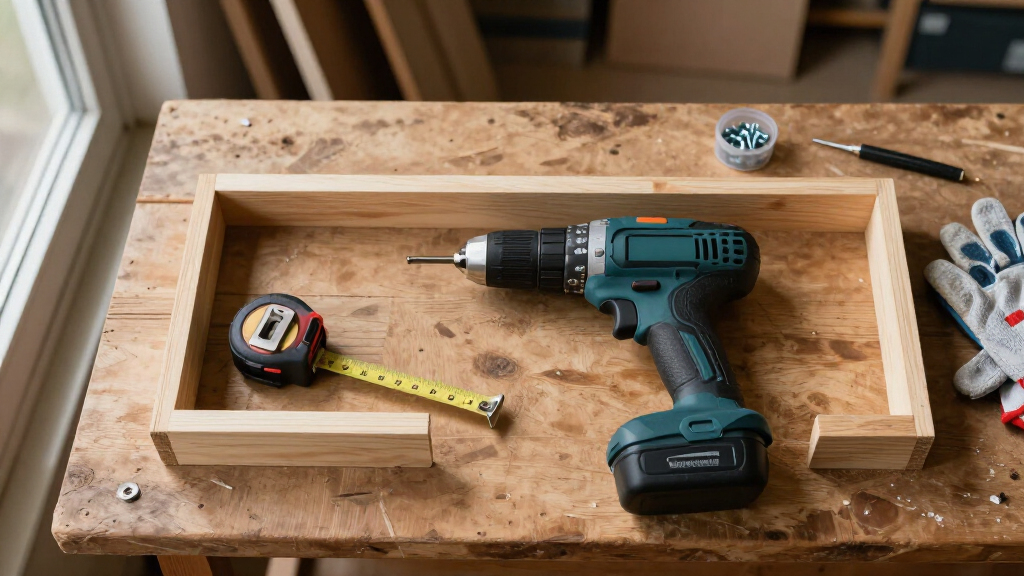
cordless drill set with brushless motor
As an affiliate, we earn on qualifying purchases.
As an affiliate, we earn on qualifying purchases.
Latest Trends Making Cordless Drill Sets Smarter and Smaller
Innovation is reshaping cordless drill sets faster than you can say ‘power tool.’ Brushless motors are now mainstream, even in mid-priced kits, delivering more power and longer battery life with less heat. These motors run more efficiently, which means less energy wasted as heat and more of your battery’s power going directly to the work. Tools are shrinking thanks to advances in electronics and high-output batteries, making them easier to handle and reducing fatigue—especially important for extended projects.
Battery ecosystems are expanding. A single platform can now power drills, saws, lights, and even garden equipment—saving you from juggling incompatible batteries. This interoperability simplifies your toolkit and reduces costs over time. Faster charging and higher capacity batteries mean less downtime, which is crucial when deadlines are tight or you’re working on multiple projects back-to-back.
Premium models are adding smart features—like customizable settings, inventory tracking, or tool disable functions—mainly for pros managing fleets. USB-C charging is starting to appear, making mobile recharging easier on the go, especially when working outdoors or on-site. Combo kits—pairing a drill/driver with an impact driver—are growing in popularity because they offer versatility without clutter. Many brands now offer replaceable batteries, repair programs, and recycling options, extending the life of your investment and reducing environmental impact.
What Really Matters When Picking Your Drill Set: The Facts
Numbers can be deceiving. For example, a 20V Max drill isn’t twice as powerful as a 10V one. This is because voltage ratings often refer to the maximum voltage of the battery when fully charged, not the actual power output. Impact ratings can also vary significantly between brands due to differing testing standards, making advertised torque figures less reliable. As a result, focusing solely on these specs can lead to mismatched expectations. Instead, consider how the tool performs in real-world scenarios—how it handles different materials, workloads, and durations. Performance metrics like sustained torque, smoothness of operation, and responsiveness give a clearer picture of a drill’s true capabilities and suitability for your projects.
Impact drivers are excellent for driving long screws quickly, but they aren’t a substitute for drills when it comes to boring holes or working with delicate materials. Hammer mode is specific for masonry—using a rotary hammer or dedicated masonry drill is essential for dense concrete or brick. Using the wrong tool for the job can damage your project, cause safety hazards, and lead to costly repairs or replacements.
Battery capacity, expressed in amp-hours (Ah), directly impacts runtime. A larger Ah battery provides longer working periods but also increases the weight of the tool, which can cause fatigue over time. Striking a balance between capacity and comfort is key—consider how long you typically work without breaks and choose a battery size that sustains your productivity without causing unnecessary fatigue. Remember, a heavier tool isn’t always better if it compromises control and precision.
Using the correct bits tailored to your material is crucial. Wood, metal, and masonry each require specific bits and speeds. Using mismatched bits can lead to slipping, breakage, or damage to your workpiece, ultimately wasting time and money. Investing in quality bits and understanding their purpose ensures cleaner cuts, longer bit life, and fewer work stoppages. Recognizing the importance of proper bit selection can dramatically improve your results and extend your tools’ lifespan.
Lastly, features like a tight chuck that prevents slipping, and electronic protections such as overload or overheat shutoffs, are vital. These features help prevent damage from misuse or overheating, ensuring your tools last longer and perform reliably. They also contribute to safety by reducing the risk of sudden tool failure during operation, giving you peace of mind and consistent performance over time.
Picking the Perfect Set for Your Projects: Step-by-Step
- Assess your typical projects: household repairs, furniture assembly, masonry, or professional work. Understanding your main tasks helps prioritize features like power, size, and versatility.
- Choose the right voltage: 12V for light tasks, 18V or 20V Max for heavier projects. Higher voltage generally means more power, but also more weight—so balance your needs with comfort.
- Decide on tool types: drill/driver, impact driver, hammer drill—match to your needs. For example, impact drivers excel at driving screws but aren’t suitable for drilling holes in delicate materials.
- Select battery capacity: 2Ah for lightweight tasks, 4-5Ah for longer runtime. Larger capacity batteries are heavier but allow you to work longer without changing batteries.
- Pick a platform: stick with one brand to avoid compatibility issues and future upgrade costs. This ensures all your batteries and chargers work seamlessly across your tools.
- Compare features: clutch, speed settings, motor type, ergonomic design. Prioritize features that directly impact your ease of use and safety based on your typical projects.
- Check included accessories: bits, cases, additional tools—prioritize quality over quantity. Well-made accessories can improve your efficiency and protect your investment.
- Read reviews and warranties: prioritize brands with good support and repair services. Reliable customer service minimizes downtime and repairs, saving you money and frustration.
For example, if you’re into DIY furniture building, a lightweight 12V drill with a decent battery and a few driver bits might be enough. But if you tackle masonry, add a hammer drill with a side handle and carbide bits into your cart. Matching your tools to your projects ensures efficiency, safety, and satisfaction.
Watch Out for These Common Mistakes When Buying a Drill Set
Many fall into the trap of focusing only on maximum torque. Bigger isn’t always better if the tool is bulky or overpowered for your tasks. An overpowered, heavy drill can cause fatigue, reduce control, and potentially damage delicate materials. It’s important to match the power to the job—using an overly powerful drill for light tasks can lead to mistakes like stripping screws or damaging surfaces. Conversely, underpowered tools won’t handle tougher jobs, leading to frustration and inefficiency. Understanding the tradeoff between power and control helps you select a balanced tool that performs well without becoming cumbersome.
Buying a kit without checking battery compatibility can turn into a headache. Mismatched platforms mean you might need to buy additional batteries or chargers later, which increases your total investment and complicates your toolkit. Ensuring compatibility now prevents costly upgrades later and guarantees your batteries and chargers will work across all your tools, maintaining efficiency and saving money over time.
Using impact-rated tools without impact-rated bits? That’s asking for trouble. Impact drivers generate high torque and require impact-rated bits to prevent slipping or breakage. Using standard bits in impact drivers can be dangerous, leading to bits flying off or damaging fasteners and the tool itself. Always match impact-rated bits with impact drivers to ensure safety, durability, and optimal performance, especially when working with tough fasteners or dense materials.
Applying too much pressure instead of letting the tool do the work often damages fasteners or your workpiece. Overexertion increases the risk of stripping screws or cracking materials. For masonry, don’t use a regular drill—opt for a proper hammer drill or rotary hammer designed for dense concrete, which provides the necessary impact force safely and efficiently. Using the right tool for the job not only preserves your equipment but also ensures safety and quality results.
Leaving batteries in hot cars or damaged packs can cause safety hazards like leaks or fires. Always store batteries in a cool, dry place and replace swollen or damaged packs immediately to prevent accidents and ensure consistent performance. Proper storage and maintenance are essential for longevity and safety, preventing potential hazards and maintaining the integrity of your tools over time.
Frequently Asked Questions
What is the main difference between 18V and 20V Max drills?
Both describe similar lithium-ion battery platforms. The 20V Max is slightly higher in maximum voltage—around 20 volts compared to 18V nominal—meaning they often have comparable power, but 20V Max tools tend to have a bit more headroom for peak performance.
Is a brushless drill worth paying extra for?
Definitely for frequent users. Brushless motors run longer per charge, generate less heat, and last longer overall. They also tend to be smaller and lighter while delivering more consistent power—making them a smart investment if you use your drill regularly.
How do I know what torque I need?
For light tasks like hanging pictures or assembling furniture, lower torque settings are fine. Heavy-duty jobs like driving large lag bolts or working with dense hardwoods require higher torque. Check real-world reviews and clutch adjustability—these give a better sense of what the tool can handle.
Should I buy a kit or assemble my own?
Kits often offer better value and compatibility, especially for beginners. However, if you already own batteries or need specialized tools, buying bare or separate components makes sense. Always compare total costs and compatibility before deciding.
How long do cordless drill batteries last?
On average, lithium-ion batteries provide hundreds of charge cycles—often 300 to 500—before noticeable capacity drops. Proper care, like avoiding extreme temperatures and not fully discharging, extends their lifespan. Replacing batteries is part of regular maintenance for long-term use.
Conclusion
Your drill set is more than just a tool—it’s a gateway to your projects. Pick wisely, considering your specific needs, and focus on quality, compatibility, and features over flashy specs. With the right set in hand, you’ll turn even the toughest tasks into simple, satisfying work.
Remember, a well-chosen cordless drill set doesn’t just get the job done—it makes you look good doing it. So, go ahead, pick your perfect match, and start making your home projects a reality.