
Choose PVA glue for porous materials like wood or paper, especially when you need a clear, flexible bond that dries slowly. Use hot glue for quick fixes or bonding non-porous surfaces like plastic or fabric, ideal for crafts and temporary repairs. Opt for epoxy when strength, waterproofing, or durability is critical, such as in structural or water-exposed projects. Exploring these options further helps you select the best adhesive for any task.
Key Takeaways
- Use PVA glue for porous materials, woodworking, and crafts requiring a clear, flexible, and environmentally friendly bond.
- Apply hot glue for quick fixes, crafts, and bonding non-porous surfaces like plastic, metal, and fabric.
- Choose epoxy for high-strength, waterproof, and durable repairs on metal, ceramics, and demanding projects.
- Select superglue for small, precise bonds on non-porous surfaces needing instant adhesion.
- Match the adhesive to your project’s needs, considering factors like flexibility, moisture resistance, and curing time.
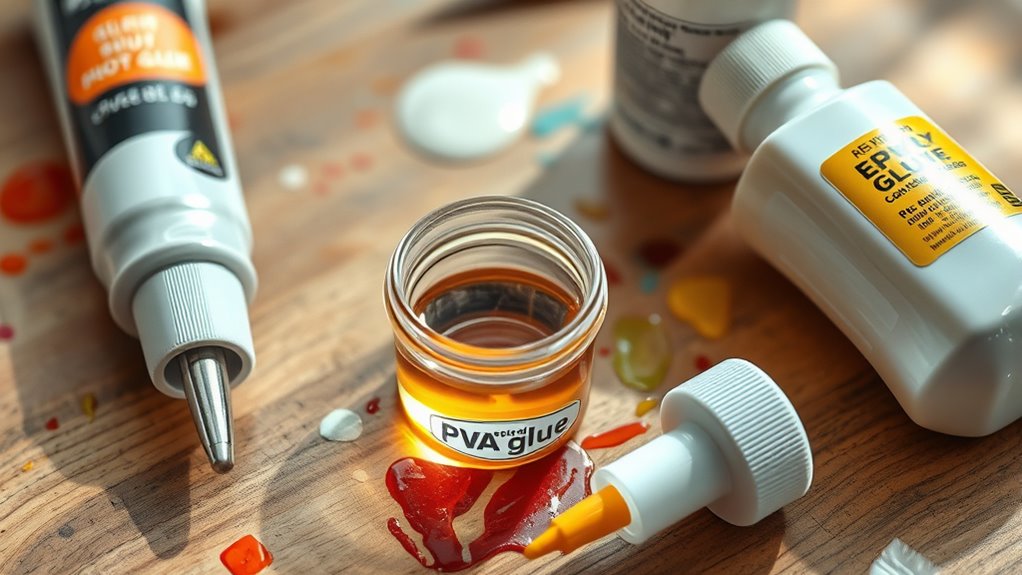
Have you ever struggled to find the right glue for a project? It’s a common challenge, especially when you’re faced with different materials and need a strong, reliable bond. Understanding an adhesive comparison and the various bonding techniques can help you make smarter choices. Different adhesives excel in specific applications, and knowing when to use each type guarantees your project turns out perfectly.
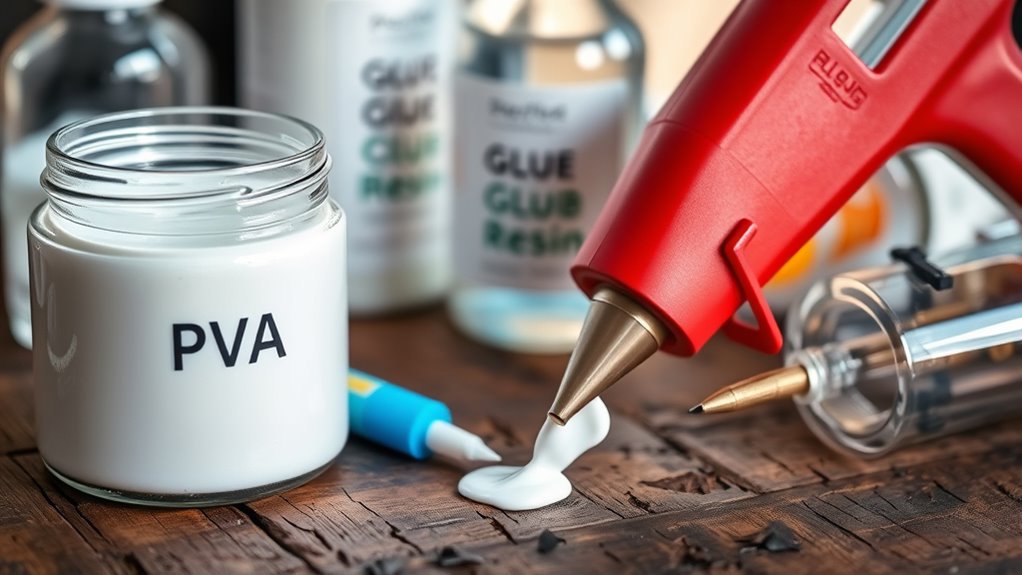
Starting with PVA (polyvinyl acetate) glue, it’s a versatile choice for woodworking, paper crafts, and porous materials. PVA is water-based, easy to work with, and dries clear, making it ideal for detailed projects or items that won’t be exposed to moisture. Its bonding technique involves spreading a thin layer on surfaces and pressing them together until the glue sets. It’s forgiving and offers a good balance between strength and ease of use, making it a go-to for crafts and light repairs. Additionally, PVA’s environmentally friendly properties make it suitable for many indoor applications where low VOC emissions are desired.
Hot glue, on the other hand, is favored for quick fixes and crafts requiring fast bonding. It’s applied with a hot glue gun, which melts the adhesive stick and allows you to deposit it precisely where needed. Hot glue is excellent for bonding non-porous materials like plastic, metal, and fabric. Its bonding technique involves pressing surfaces together immediately after application, as it cools and solidifies quickly. However, hot glue isn’t as durable over time or in high-stress applications, so it’s best suited for temporary fixes or decorative projects.
Epoxy is a more specialized adhesive, offering exceptional strength and durability. Made of resin and hardener, it’s perfect for demanding tasks like repairing metal, ceramics, or certain plastics. The bonding technique with epoxy involves mixing the two components thoroughly before application. Once combined, it has a limited working time, so you need to work swiftly. Epoxy forms a rigid, waterproof bond, making it ideal for structural repairs or projects exposed to water or heavy use.
Other adhesives, like superglue (cyanoacrylate), suit small, precise fixes on non-porous surfaces, providing instant bonding. Contact cement is great for laminates and large surface areas, where you need a flexible, strong bond. Each adhesive has unique properties that target specific bonding techniques, so knowing these nuances helps you choose the right product. Understanding the bonding techniques and properties of each adhesive ensures a durable and effective repair or craft project.
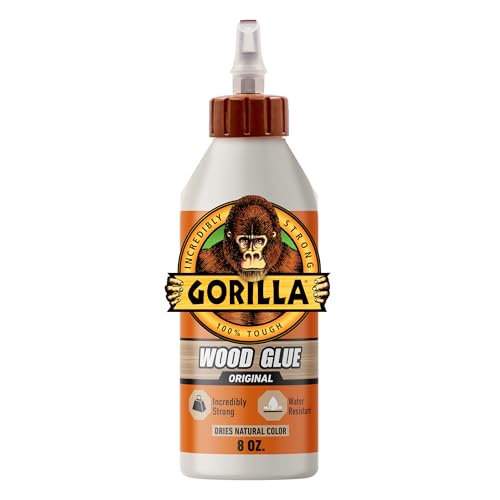
Gorilla Wood Glue, Fast Clamp, Water Resistant PVA, 8 oz
- Fast Clamp Time: Bonds in 20-30 minutes, cures in 24 hours
- Water-Resistant Formula: ANSI/HPVA Type II water resistance
- Versatile Wood Compatibility: Suitable for hardwoods, softwoods, and composites
As an affiliate, we earn on qualifying purchases.
As an affiliate, we earn on qualifying purchases.
Frequently Asked Questions
Can I Use Glue for Outdoor or Waterproof Projects?
Yes, you can use waterproof adhesives for outdoor or waterproof projects. Look for glues specifically designed for outdoor durability, like epoxy or certain polyurethanes, which withstand water and harsh weather conditions. These adhesives provide strong, lasting bonds in wet environments. Always check the product label to verify it’s suitable for outdoor use, so your project stays secure and durable over time.
How Long Does Each Type of Glue Take to Cure Fully?
The drying times and curing durations vary by glue type. PVA usually dries in about 30 minutes to an hour but takes 24 hours to fully cure for maximum strength. Hot glue sets within seconds and cures in a few minutes, though it’s less durable long-term. Epoxy typically takes 5 to 30 minutes to set, with full curing occurring in 24 hours. Always check manufacturer instructions for best results.
Is It Safe to Use These Glues on Food-Contact Surfaces?
Using these glues on food-contact surfaces is like walking a tightrope—dangerous if you’re not careful. Most glues, especially epoxy and hot glue, aren’t food safe and can pose health risks. Always check labels for food safety and surface compatibility before applying. For food-contact surfaces, opt for food-safe adhesives like certain PVA glues or specialized culinary glues to keep your kitchen safe and leak-proof.
Can I Remove or Undo Glue After It Has Dried?
You can often remove or undo dried glue, but it depends on the type. For removing dried glue, try heating it with a hairdryer or using solvents like acetone or rubbing alcohol. To undo glue bonds, gently scrape or peel away the softened glue. Keep in mind, some glues like epoxy or super glue may be more permanent and harder to undo once dried, so act quickly when attempting removal.
Are There Any Environmental or Health Hazards Associated With These Glues?
Imagine you’re repairing furniture with epoxy; you should be aware of chemical safety and disposal precautions. Some glues, like epoxy and hot glue, emit fumes that can cause respiratory issues or skin irritation. Always work in well-ventilated areas, wear gloves, and follow disposal instructions. While PVA glue is generally safer, it’s still wise to handle all adhesives carefully to minimize health hazards and environmental impact.
Conclusion
Choosing the right glue is like finding the perfect dance partner—each has its moment to shine. Whether you opt for the quick grip of hot glue, the versatility of PVA, or the strength of epoxy, knowing when to use each makes all the difference. So, get familiar, experiment, and trust your instincts. Remember, the right adhesive can turn a simple project into a masterpiece—your masterpiece—waiting to be revealed.