
Choosing the right lens for handmade texture photography is essential to highlight intricate details and create compelling images. For 2026, two standout options are the Xenvo Pro Lens Kit and the MIAO LAB 11-in-1 Phone Camera Lens Kit. The Xenvo excels with its high-quality macro capabilities and portability, ideal for detailed close-ups. Meanwhile, the MIAO LAB kit offers a versatile array of lenses, making it perfect for experimenting with various effects and textures. Each has its tradeoffs: the Xenvo’s macro lens requires close proximity and careful handling, while the MIAO LAB’s multiple lenses can be bulky and need precise alignment. Your choice hinges on whether you prioritize dedicated macro detail or a broad range of creative options.

Get business pricing on tools and workshop supplies
- Business-only prices and quantity discounts
- Tax-exempt purchasing
- Multiple users, one account, clear invoices
Complete the kit


Key Takeaways
- Macro lenses provide the closest detail for intricate handmade textures.
- Wide-angle lenses help capture broader scenes and contextual backgrounds.
- Versatile multi-lens kits offer creative flexibility but can be bulkier.
- Portability and ease of use vary significantly between options.
- Choosing the right lens depends on whether you prioritize detail or creative variety.
| Xenvo Pro Lens Kit for iPhone and Android, Macro and Wide Angle Lens with LED Light and Travel Case | 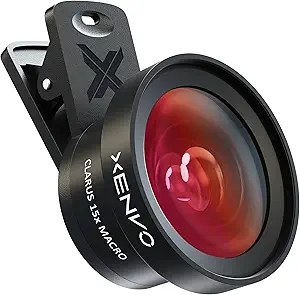 | Best Overall for Dedicated Macro and Wide-Angle Photography | Compatibility: All smartphones and tablets | Wide Angle Lens: 0.45x | Macro Lens: 15x | VIEW ON AMAZON | See Our Full Breakdown |
| MIAO LAB 11 in 1 Phone Camera Lens Kit – Wide Angle, Macro, Fisheye, ND32, CPL, Color, Star, Kaleidoscope Lenses for Smartphone |  | Best for Creative Versatility and Effects | Number of lenses: 11 | Material: Aluminum | Compatibility: Most smartphones and tablets | VIEW ON AMAZON | See Our Full Breakdown |
| lens types for handmade texture photo | Compatibility | Wide Angle Lens | Macro Lens | LED Light |
|---|---|---|---|---|
| Xenvo Pro Lens Kit for iPhone | All smartphones and tablets | 0.45x | 15x | Rechargeable, 3 brightness settings |
| MIAO LAB 11 in 1 Phone Camera | Most smartphones and tablets | — | — | — |
More Details on Our Top Picks
Xenvo Pro Lens Kit for iPhone and Android, Macro and Wide Angle Lens with LED Light and Travel Case
The Xenvo Pro Lens Kit stands out for its combination of macro and wide-angle capabilities, making it ideal for capturing detailed handmade textures as well as broader scenes. Its high-quality optical glass and aircraft-grade aluminum construction ensure durability and clarity. The inclusion of an adjustable LED fill light enhances photos in low-light conditions, which is often a challenge when working close-up with textures. Compared with multi-lens kits, the Xenvo’s focus on just two core lenses means less clutter and easier handling, but it also limits creative options to these two effects. This pick is best suited to users who want a straightforward setup that delivers high-quality macro detail without the fuss of multiple lenses.
Pros:- Compatible with all smartphones and tablets
- High-quality optical lenses with durable construction
- LED fill light with adjustable brightness enhances low-light macro shots
- Portable with travel case and quick-release lanyard
Cons:- Macro lens requires close proximity to subject, which can be challenging
- Lenses may add bulk to phone setup, reducing portability
- Requires careful handling to avoid scratches or damage
Best for: Photographers who prioritize high-quality macro detail and simplicity in their handmade texture shots
Not ideal for: Those seeking a broad range of creative effects or experimenting with varied lens types
- Compatibility:All smartphones and tablets
- Wide Angle Lens:0.45x
- Macro Lens:15x
- LED Light:Rechargeable, 3 brightness settings
- Materials:Aircraft-grade aluminum, optical glass
- Contents:Wide angle lens, macro lens, lens clip, LED light, charging cable, lanyard, case, cleaning cloth
Our verdict“A versatile, high-quality choice ideal for users focused on detailed macro and wide-angle handheld shots.”
MIAO LAB 11 in 1 Phone Camera Lens Kit – Wide Angle, Macro, Fisheye, ND32, CPL, Color, Star, Kaleidoscope Lenses for Smartphone
The MIAO LAB 11-in-1 Kit is designed for creators who want to explore a wide range of effects and textures through multiple lenses. Its assortment includes macro, fisheye, wide-angle, and specialty filters like ND32, CPL, and kaleidoscope, enabling diverse creative expressions. Made from durable aluminum, it ensures longevity despite frequent use. Compared to the Xenvo, it offers more options, making it perfect for experimenting with hand-made textures in various styles. However, the multiple lenses can be bulky, and attaching them precisely may require patience. This kit suits those who enjoy pushing creative boundaries and need a variety of tools at their fingertips, even if it means a slightly more cumbersome setup.
Pros:- Versatile 11-in-1 kit with multiple lenses and filters
- Durable aluminum construction ensures longevity
- Compatible with most smartphones and tablets
- Easy to attach and switch between lenses for varied effects
Cons:- Requires careful alignment for best results
- Potential bulkiness and added weight on phone
- Less intuitive for quick, on-the-go shots
Best for: Creative photographers looking to experiment with multiple effects and textures in their handmade work
Not ideal for: Beginners or users seeking a simple, dedicated macro or wide-angle solution
- Number of lenses:11
- Material:Aluminum
- Compatibility:Most smartphones and tablets
- Included lenses:Wide angle, macro, fisheye, ND32, CPL, color, star, kaleidoscope
- Filter types:ND32, CPL, star, color
- Color lenses:Blue, Gray, Yellow, Orange
- Design:Detachable clamp
Our verdict“A highly flexible kit suited for creative users who want to explore a spectrum of textures and effects with their handmade photography.”

How We Picked
Our selection process focused on lenses that enhance handmade texture photography, emphasizing optical quality, versatility, and ease of use. We compared compatibility across most smartphones, durability, and additional features like lighting or filters. The tradeoffs — such as bulkiness, handling complexity, and specific lens capabilities — were key factors in ordering the picks. Ultimately, these options balance quality and practicality for creators aiming to elevate their handmade texture images in 2026.
| lens types for handmade texture photo | Compatibility |
|---|---|
| Xenvo Pro Lens Kit for iPhone | All smartphones and tablets |
| MIAO LAB 11 in 1 Phone Camera | Most smartphones and tablets |
Factors to Consider When Choosing Lens Types For Handmade Texture Photos
Selecting the right lens type for handmade texture photography depends on your specific creative goals and the level of detail you wish to capture. Macro lenses excel at revealing fine textures and intricate surface details, making them ideal for close-up work. Wide-angle lenses, on the other hand, are better suited for capturing broader scenes that include textured backgrounds or contextual elements. Multi-lens kits can offer a variety of effects, but often come with added bulk and complexity. When choosing, consider how much portability you need, whether you prefer dedicated or versatile setups, and how comfortable you are with handling multiple lenses or effects simultaneously.Macro Lenses: Bringing Out Fine Details
Macro lenses are essential for capturing the tiny intricacies of handmade textures, such as brush strokes, fabric weaves, or surface imperfections. They allow you to get extremely close, revealing details that are invisible to the naked eye. The tradeoff is that macro lenses often require a steady hand or a tripod, and their narrow depth of field means you need to focus carefully. They are best suited for photographers who want to showcase the craftsmanship of their handmade items with clarity and emphasis on surface quality.
Wide-Angle Lenses: Context and Composition
Wide-angle lenses enable you to include more of your scene, which can be especially useful when photographing textured backgrounds or creating a sense of environment around your handmade objects. They are less about fine detail and more about capturing the overall atmosphere and spatial relationships. These lenses are handy for storytelling, but they can sometimes distort textures if not used thoughtfully. They work well when you want to place textures within a broader scene or emphasize scale.
Multi-Lens Kits: Creative Flexibility vs. Practicality
Multi-lens kits like the MIAO LAB offer an array of options, from fisheye to kaleidoscope, giving you tools to experiment with different effects and textures. While this flexibility can inspire new creative directions, it often comes with increased bulk and a steeper learning curve. Precise alignment and switching can take time, and some lenses may not produce perfect results every time. These kits are best for creators who enjoy exploring a variety of styles and effects, rather than quick, straightforward shots.
Frequently Asked Questions
What is the main advantage of using a macro lens for handmade textures?
A macro lens allows you to capture the minute details of handmade textures, such as brush strokes, fabric fibers, or surface imperfections, with incredible clarity. This level of detail can transform a simple handmade item into a compelling visual story by highlighting craftsmanship and surface intricacies.
Are wide-angle lenses necessary for texture photography?
While not necessary, wide-angle lenses are useful when you want to include contextual backgrounds or showcase the environment around your textured subject. They help create a sense of space and scale but are less effective for emphasizing fine surface details.
Do multi-lens kits offer enough quality for professional texture photos?
Multi-lens kits can provide creative options, but their quality varies depending on the build and lens design. For professional results, focusing on a dedicated macro or high-quality wide-angle lens often yields sharper, more consistent images, while multi-lens kits are better suited for experimentation and casual use.
Is portability a concern with multi-lens kits?
Yes, multi-lens kits tend to be bulkier and more cumbersome than single-lens options, which can make quick, on-the-go shooting more challenging. If portability and ease of use are priorities, a dedicated macro or wide-angle lens may be more practical.
How do I choose between a macro and a wide-angle lens?
The decision depends on your focus: if your goal is to showcase surface textures and surface-level detail, a macro lens is the best choice. If you prefer capturing broader scenes that incorporate textures within an environment or background, a wide-angle lens will serve you better. Many creators find a combination of both works best for diverse projects.
Conclusion
For those primarily interested in capturing intricate handmade textures with high detail and clarity, the Xenvo Pro Lens Kit offers a focused, straightforward solution. Creators who want to explore a variety of effects and textures should consider the MIAO LAB 11-in-1 Kit, despite its bulk and complexity. Beginners or casual shooters may prefer the simplicity of the Xenvo, while advanced users seeking creative freedom will appreciate the versatility of MIAO LAB. Ultimately, your choice should reflect your primary photographic goals: detailed surface work or broad creative experimentation in 2026.
Fall Picks
fall essentials
As an affiliate, we earn on qualifying purchases.